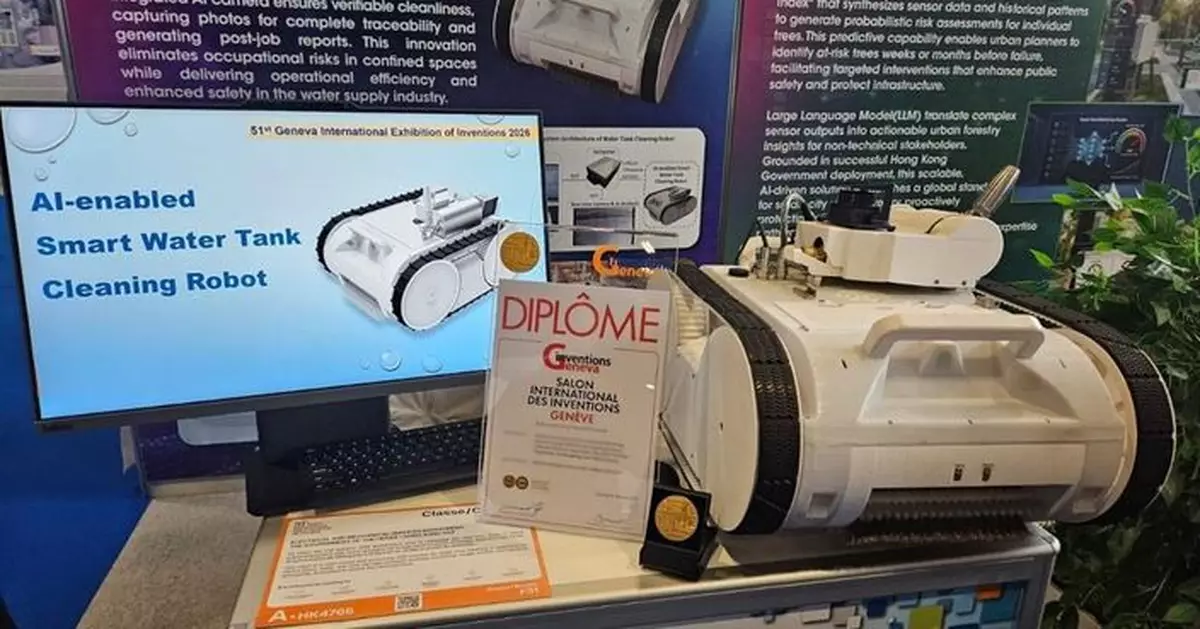
Hong Kong Centre for Construction Robotics (HKCRC) under the InnoHK, also a park company of Hong Kong Science and Technology Parks Corporation (HKSTP), in collaboration with several HKSAR Government departments and local organisations, has co-created Hong Kong’s first successful public–private collaboration application in this area—the “AI-enabled Smart Water Tank Cleaning Robot” project. The project also received a Gold Medal at the 51st International Exhibition of Inventions of Geneva. This project marks a major breakthrough for the repair and building maintenance industry in terms of safety, cost-effectiveness and AI-driven transformation, and is expected to deliver a positive and far-reaching impact on the sector.
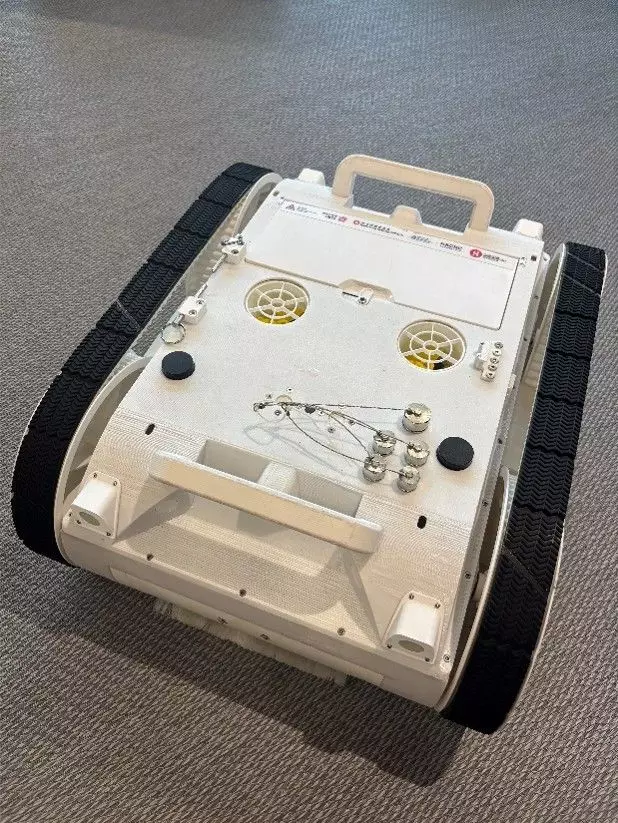
HKCRC under the InnoHK, also a park company of HKSTP, in collaboration with several HKSAR Government departments and local organisations, has co-created Hong Kong’s first successful public–private collaboration application in this area—the “AI-enabled Smart Water Tank Cleaning Robot” project.
Cross-Sector Collaboration Sets a New Milestone for Repair and Building Maintenance Industry
Click to Gallery
HKCRC under the InnoHK, also a park company of HKSTP, in collaboration with several HKSAR Government departments and local organisations, has co-created Hong Kong’s first successful public–private collaboration application in this area—the “AI-enabled Smart Water Tank Cleaning Robot” project.
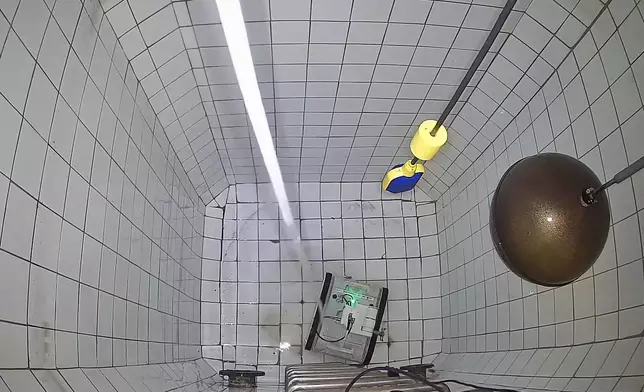
The robot can operate in both water-filled and drained environments and is equipped with an AI-assisted cleaning verification function to analyse contaminated areas.
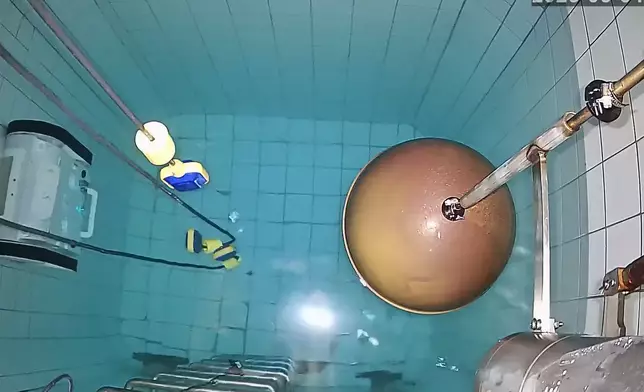
The robot can operate in both water-filled and drained environments and is equipped with an AI-assisted cleaning verification function to analyse contaminated areas.
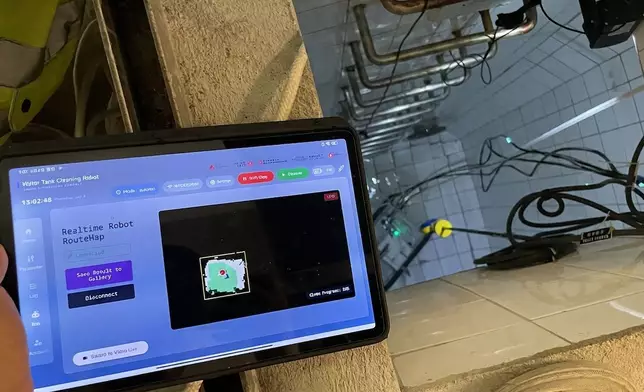
The robot can operate in both water-filled and drained environments and is equipped with an AI-assisted cleaning verification function to analyse contaminated areas.
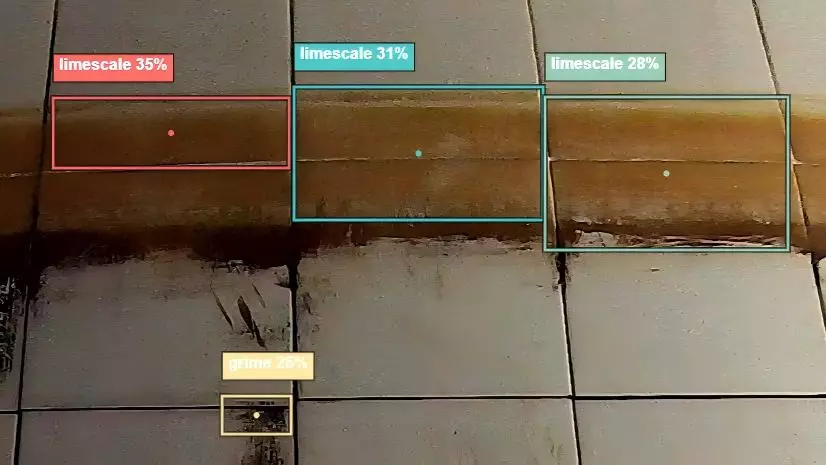
The robot can operate in both water-filled and drained environments and is equipped with an AI-assisted cleaning verification function to analyse contaminated areas.
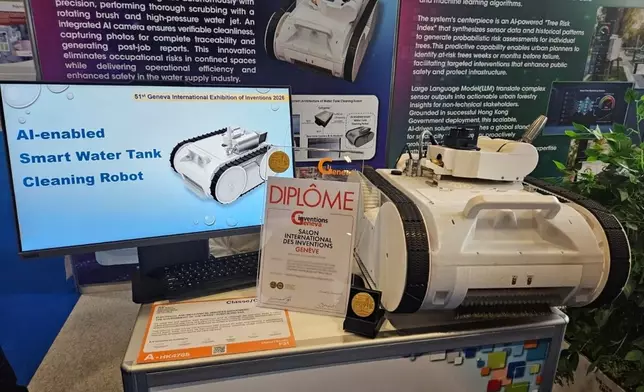
The robot features the industry's first roller brush cleaning design and received a Gold Medal at the 51st International Exhibition of Inventions of Geneva.
This project was a joint effort of the Architectural Services Department, Electrical and Mechanical Services Department, Housing Department, HKCRC, Hong Kong Housing Society and HKSTP, fully demonstrating the power of collaborative innovation across government, industry, academia and the research community.
To address the long-standing high risks of traditional water tank cleaning, which has typically required operators to enter confined spaces, the team successfully developed an AI-enabled amphibious cleaning robot. This innovation provides the industry with a safer, more efficient and traceable smart alternative. The robot has been deployed for field testing in water tanks of properties under the Architectural Services Department and the Housing Department, achieving the fundamental technical and performance requirements of the robot.
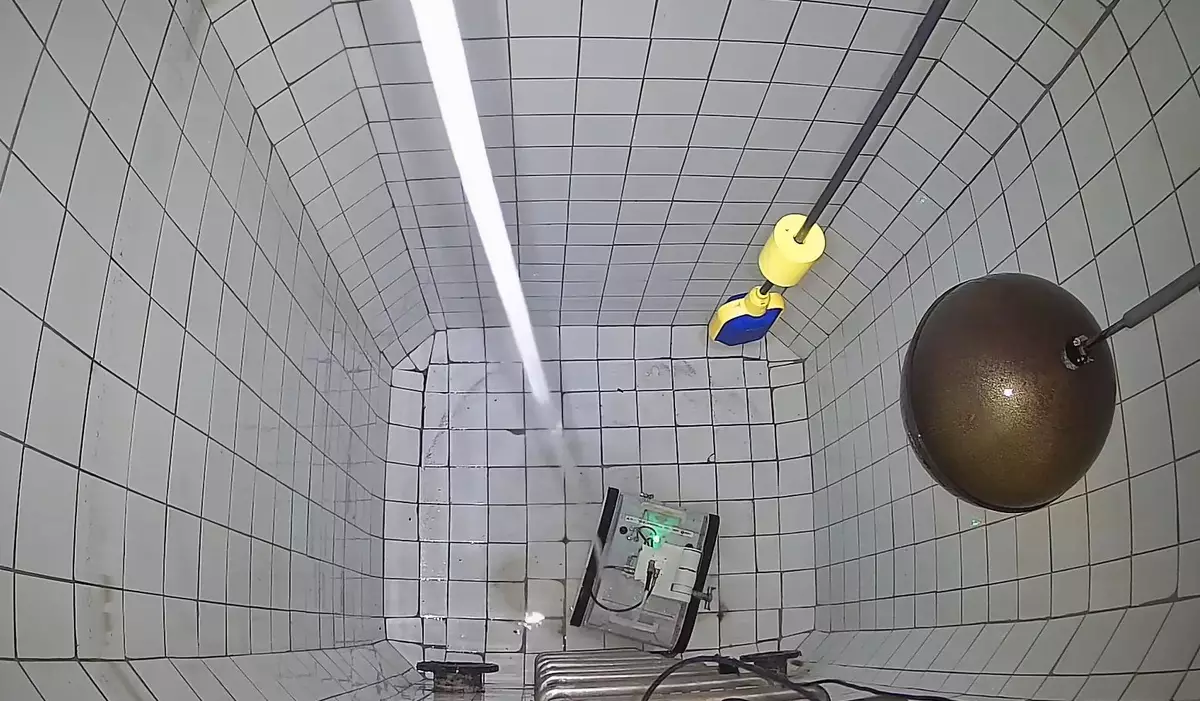
The robot can operate in both water-filled and drained environments and is equipped with an AI-assisted cleaning verification function to analyse contaminated areas.
Dr. Haobo Liang, Associate Director of the Hong Kong Centre for Construction Robotics (HKCRC), said: “We are honoured to have had the opportunity, through this cross-departmental collaboration project and with the support of various departments and organizations, to bring our research and development outcomes into real-world property maintenance applications. The robot automatically clean water tanks. Working in conjunction with roller-brush cleaning, high-pressure water jetting, and AI-based contamination detection, the robot is able to complete water tank cleaning tasks with high quality and high efficiency, helping to safeguard residents’ water supply. The successful deployment of this water tank cleaning robot also means that workers no longer need to enter confined spaces to clean water tanks, significantly improving occupational safety and health.”
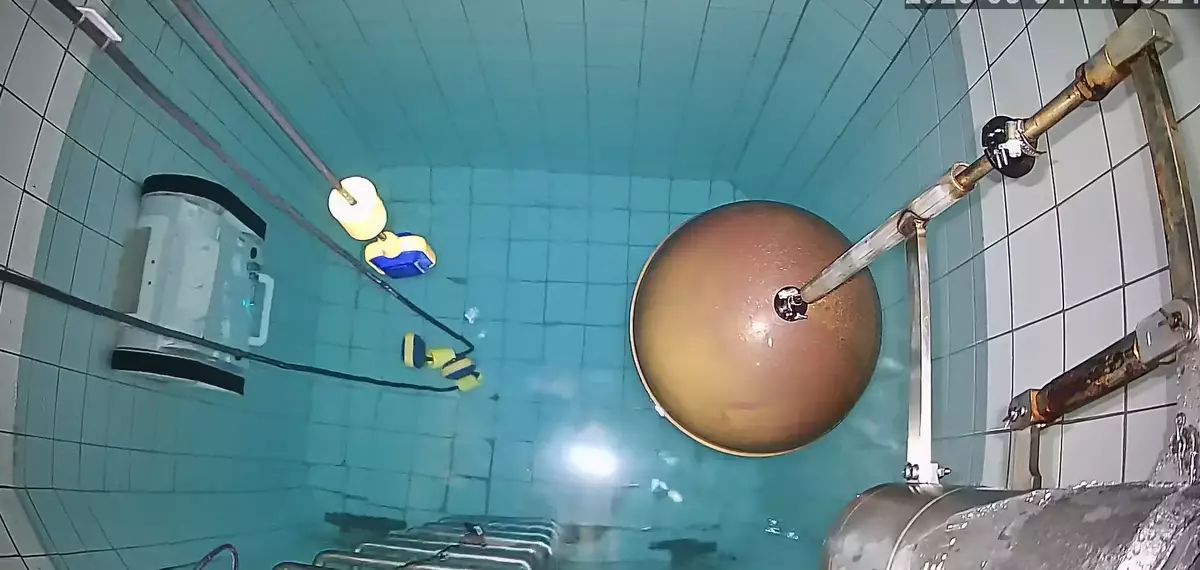
The robot can operate in both water-filled and drained environments and is equipped with an AI-assisted cleaning verification function to analyse contaminated areas.
Mr. Lau Cheuk-kit, Paul, Chief Property Services Manager of the Architectural Services Department, said, “In alignment with the national "15th Five-Year" Plan, Architectural Services Department is actively promoting artificial intelligence application projects. Through the concept of "AI+", we strive to deeply integrate artificial intelligence into building inspection and routine maintenance. This echoes the HKSAR Government's smart city policy and demonstrates our commitment to enhance building safety and quality of facility upkeep. Notably, the AI Water Tank Cleaning Robot can automatically clean the interiors of water tanks. This not only improves efficiency, enhances cleaning outcomes, and saves costs, but also reduces the safety risks of workers entering confined spaces—achieving early detection, early prevention, and early repair to effectively safeguard the quality of public facilities.”
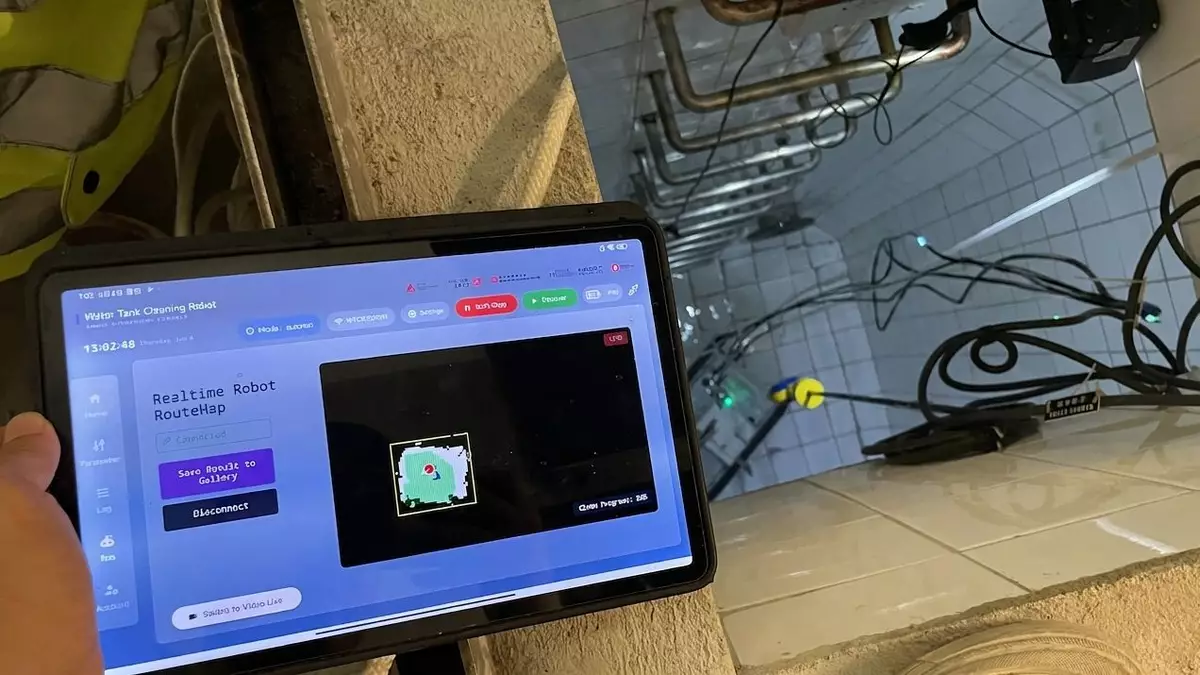
The robot can operate in both water-filled and drained environments and is equipped with an AI-assisted cleaning verification function to analyse contaminated areas.
Mr. Lai Chun-fai, Chief Engineer of Electrical and Mechanical Services Department, said, "As an innovator facilitator of the Government, Electrical and Mechanical Services Department is delighted to bridge demands and facilitate successful development of innovation and technology (I&T) solutions through our matching platform ‘E&M InnoPortal’. Through this multi-party collaboration, we have successfully developed an AI-enabled Smart Water Tank Cleaning Robot that not only optimizes work processes but also elevates occupational safety standards. Moving forward, we will continue to collaborate with government departments and I&T organisations to consolidate R&D achievements and assist in the deployment of the robot, thereby effectively drive the development of New Quality Productive Forces and reflect the government's commitment and success in advancing I&T."
The robot can operate in both water-filled and drained environments and is equipped with an AI-assisted cleaning verification function to analyse contaminated areas.
Ms. Lee Lee, Chief Manager of Housing Department, said, "The Housing Department has been committed to promoting the research, development, and application of various innovative technologies to achieve smart estate management. Cleaning water tanks is a critical yet challenging task in our day-to-day maintenance work. To ensure the provision of clean potable water to residents, workers are required to enter confined spaces for cleaning, which involves certain occupational safety risks. Our department, in collaboration with other government departments and organizations, has developed and tested an AI-enabled water tank cleaning robot. We hope that through the development of this technology, we can assist frontline staff in water tank cleaning work in the future, thereby reducing the need for them to enter confined spaces and further enhancing occupational safety. At the same time, we anticipate that once the robotic technology matures, it will improve cleaning efficiency, shorten the duration of water suspension during cleaning, and minimize disturbance to residents. The Housing Department will continue to advance towards smart estate management and actively explore suitable innovative technology applications to enhance both frontline safety and work efficiency, while providing residents with a more high-quality and stable living environment."
Mr. Cheung Yan-kwai, General Manager (Maintenance) of the Hong Kong Housing Society (HKHS) said, “As a ‘housing laboratory’, HKHS is committed to harnessing innovative technologies to continuously enhance property management services across its rental estates and developments, while promoting broader adoption of PropTech across the industry to build smart communities. By sharing practical cases and the pain points our property management teams faced with the research and development team, HKHS is pleased to help the industry better understand frontline needs from the outset. This contributes to the project's successful launch, enhances occupational safety and health, and improves maintenance and operational efficiency, ultimately advancing the development of smart property management.”
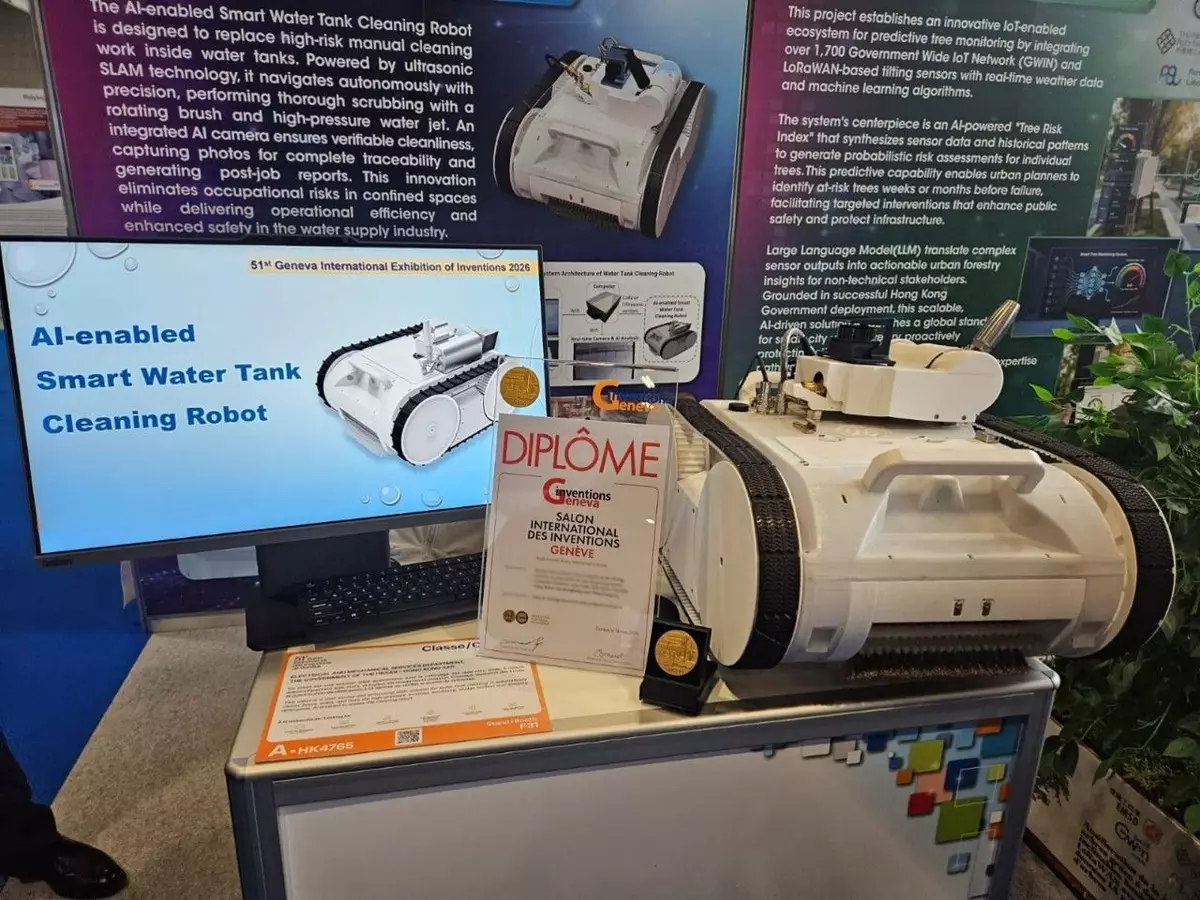
The robot features the industry's first roller brush cleaning design and received a Gold Medal at the 51st International Exhibition of Inventions of Geneva.
Ms. Gladys Oon, Director of Partnerships and Account Management of HKSTP, said, “HKSTP has consistently taken a leading role within the I&T ecosystem by bringing stakeholders together and serving as a bridge between industry needs and technology enterprises, thereby accelerating the successful adoption of innovations across sectors. This project exemplifies the power of collaboration between park companies, government, and private organisations. We are delighted to see it win an international award — demonstrating Hong Kong’s world-class R&D can solve real industry challenges, deliver real-world impact and create measurable value in the sector.”
Enhancing Occupational Safety and Health (OSH) and Operational Efficiency, Pioneering an AI Enabled Work Model for the Industry
The robot features the industry's first roller brush cleaning design and is purpose-built for confined spaces within buildings (such as water tanks and pipes). Its core functionalities include:
Amphibious design: Operates in both water-filled and drained environments. In submerged conditions it uses rotary brushes to clean the waterline, tank floor, and walls. When drained it performs high pressure jet washing and disinfection.
AI-assisted cleaning verification: Features real time video monitoring, underwater wireless communication, autonomous navigation and path planning, and AI driven contamination analysis.
Automatic recording and archiving: Upon completion of each operation, it automatically generates cleaning reports and image logs, improving management transparency and traceability.
By deploying this robot, operators no longer need to enter confined spaces that may be hot, poorly ventilated, low oxygen content or contaminated by chemicals during cleaning. This effectively reduces risks such as suffocation, heat stroke and poisoning. At the same time, the robot delivers consistently higher cleaning quality while significantly reducing reliance on manual labour and lowering operating costs. Compared with traditional manual cleaning methods, the efficiency is improved considerably. It eliminates the need for workers to enter confined spaces during each cleaning operation, enabling the reduction of labour costs.
Looking ahead, the HKCRC team will continue to enhance the technology and extend its use to reservoirs, chemical storage tanks, and other high-risk environments. The team will use technology to safeguard frontline personnel and to advance industry innovation and intelligent transformation.
HKSTP has built a thriving innovation and technology ecosystem. We will continue to strengthen support for startups, translate research outcomes into real world applications and bring them to global markets, and further reinforce Hong Kong’s position as an international innovation and technology centre.