FEHD releases first batch of gravidtrap indexes for Aedes albopictus in June
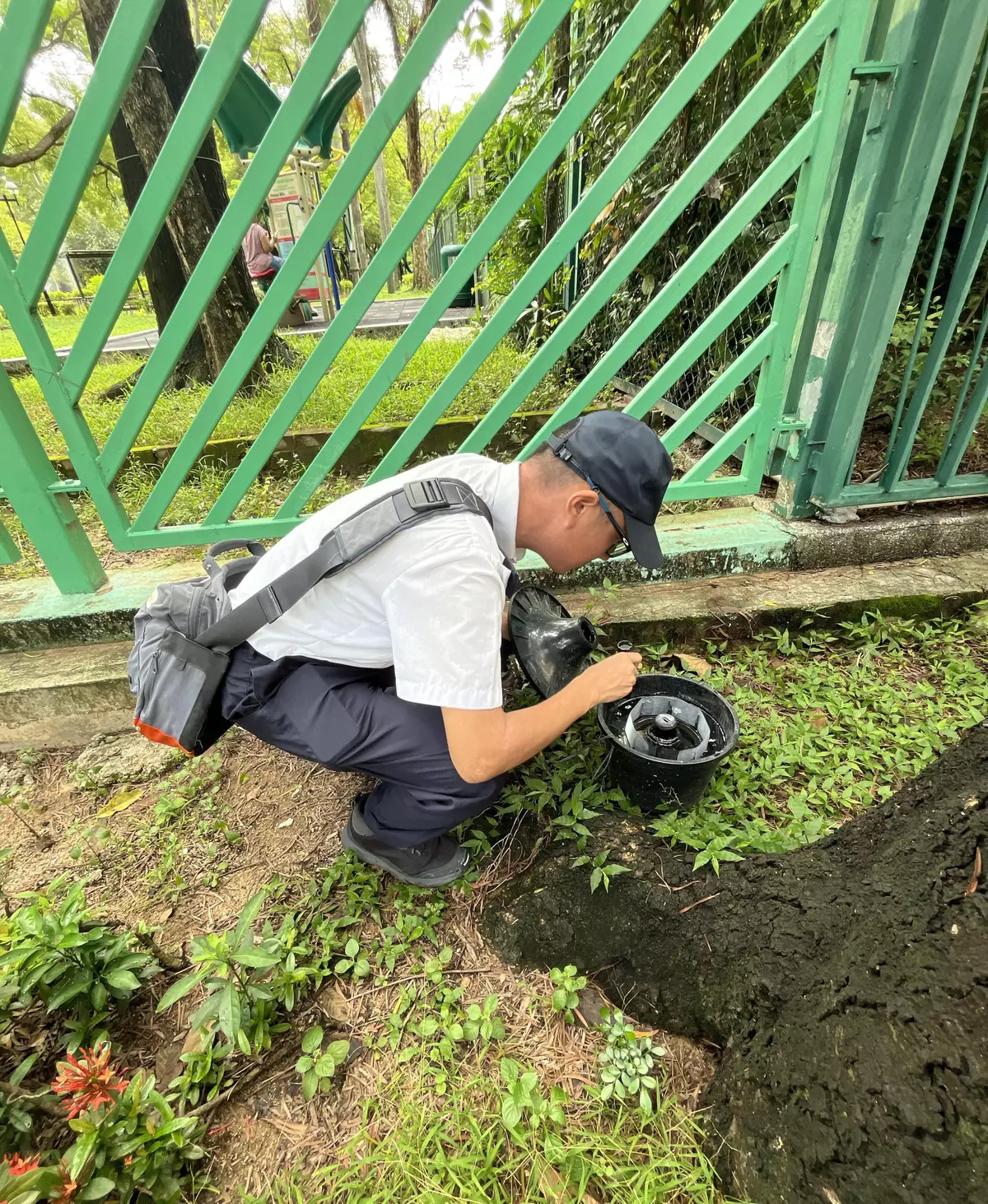
The Food and Environmental Hygiene Department (FEHD) today (June 9) released the first batch of gravidtrap indexes and density indexes for Aedes albopictus in June, covering 10 survey areas, as follows:
Click to Gallery
FEHD releases first batch of gravidtrap indexes for Aedes albopictus in June Source: HKSAR Government Press Releases
FEHD releases first batch of gravidtrap indexes for Aedes albopictus in June Source: HKSAR Government Press Releases
FEHD releases first batch of gravidtrap indexes for Aedes albopictus in June Source: HKSAR Government Press Releases
With reference to the data from the past few years, the gravidtrap indexes start to rise from April every year. The indexes are higher from May to June. The actual timing and extent of the rise are affected by factors like weather conditions and rainfall. As compared with last year, the temperature began to climb earlier this year and the rainfall in April and May increased substantially, creating favourable conditions for mosquito growth and breeding. As a result, the rise in gravidtrap indexes occurred earlier this year. Depending on factors like rainfall, the indexes may rise further, but the overall trend of gravidtrap indexes this year is similar to those of previous years.
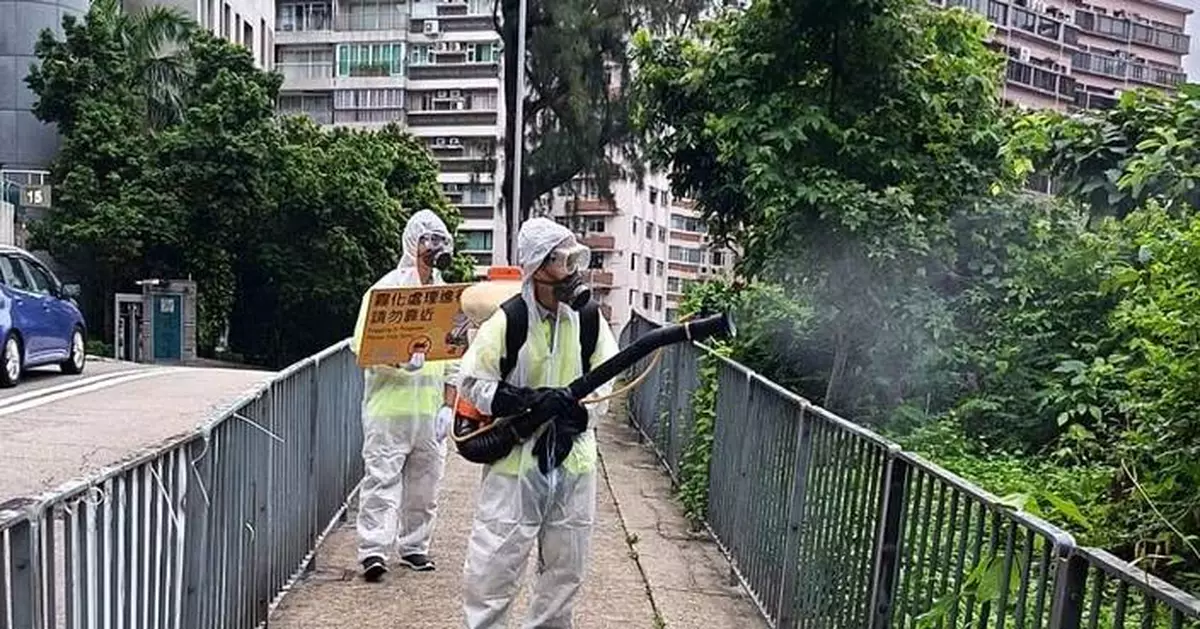
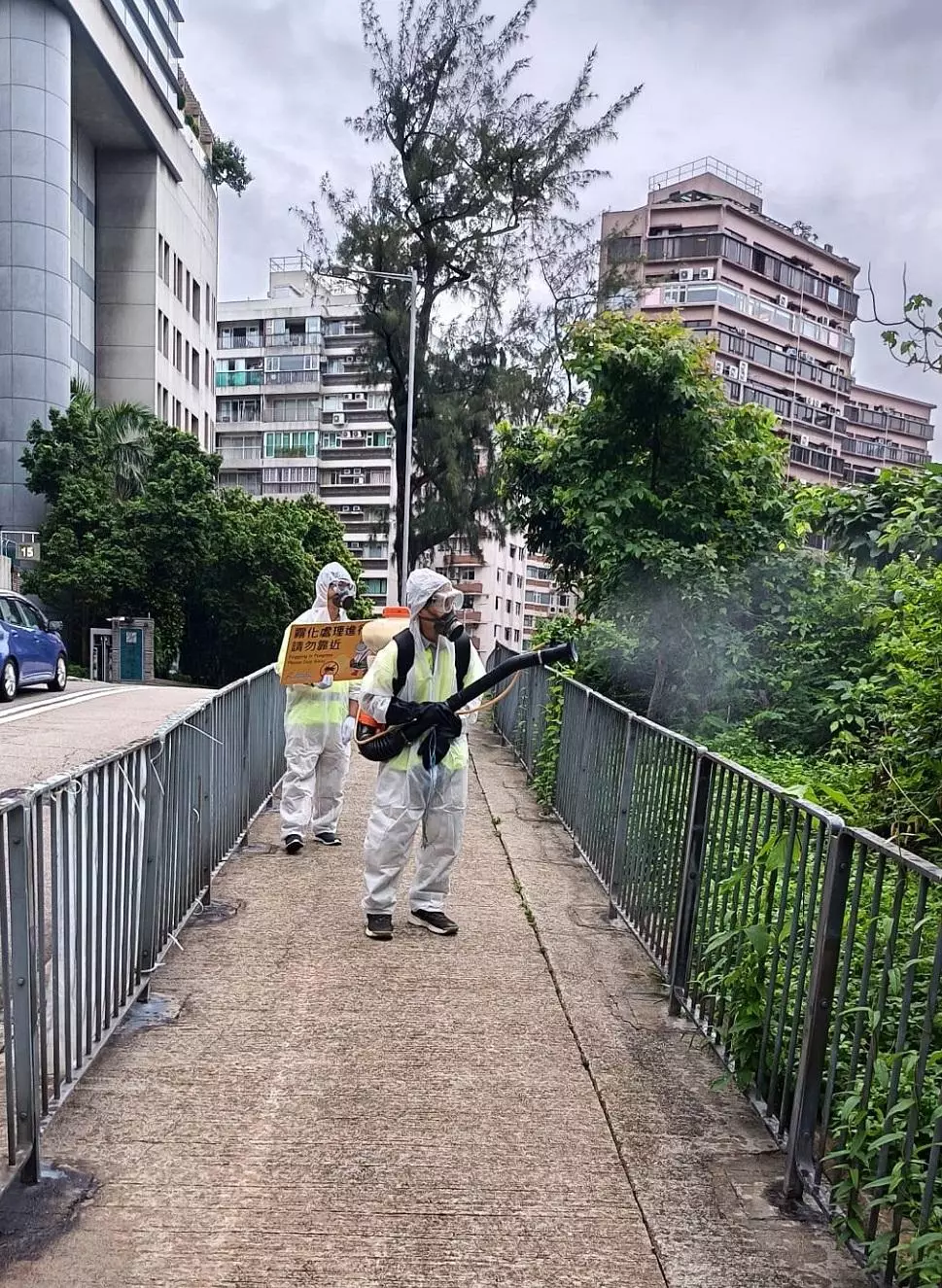
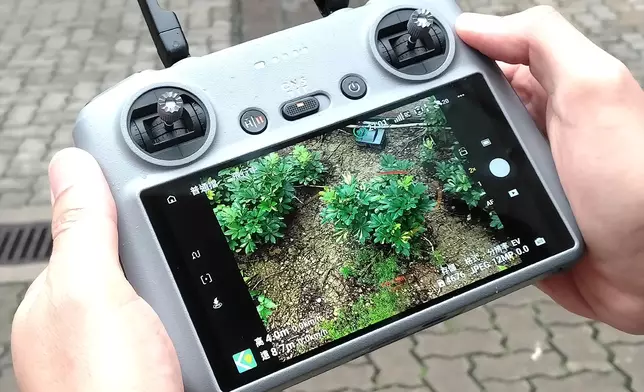
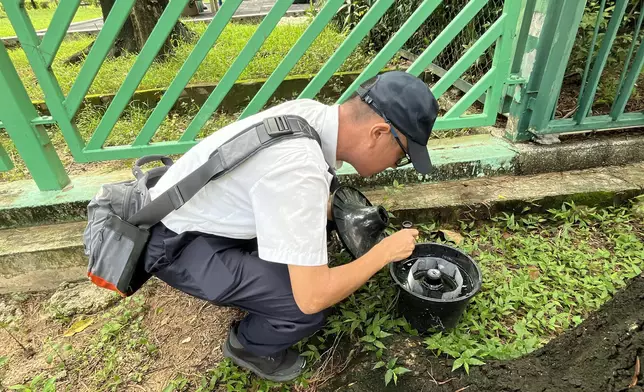
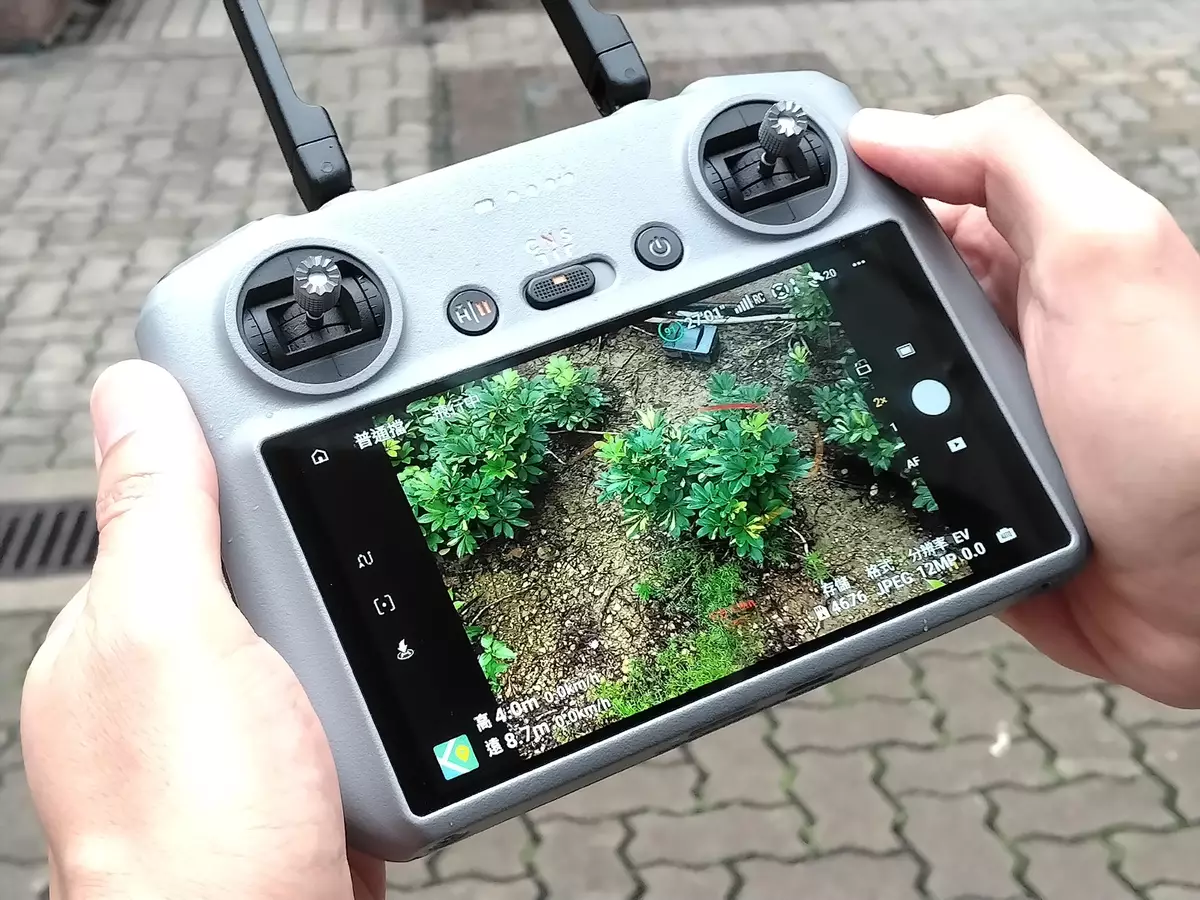
For survey areas which recorded indexes exceeding 10 per cent, in accordance with the mechanism implemented by the FEHD in response to the chikungunya fever (CF) situation (i.e. strengthening mosquito control work in areas with a gravidtrap index between 10 per cent and 20 per cent, instead of 20 per cent or above under the original mechanism), the FEHD is collaborating with relevant departments and stakeholders to identify locations with high mosquito infestations and carry out intensive and targeted mosquito control measures, including eliminating mosquito breeding grounds, applying larvicides, conducting fogging operations to eradicate adult mosquitoes, and ensuring that mosquito trapping devices are placed at appropriate locations, as well as to strengthen efforts in publicity and education. Moreover, the FEHD has initiated two prosecutions against the relevant estate management company and property management company following the discovery of mosquito breeding respectively at a public housing estate and a private housing estate in North District. In addition, following the discovery of stagnant water or stagnant water containers in two parks, seven public housing estates and five private housing estates in Kowloon City District, North District and Tai Po District, the FEHD has issued 14 statutory notices to the responsible persons-in-charge, requiring the clearance of such items within a specified timeframe. The FEHD also issued a Nuisance Notice to the relevant property management company following the discovery of refuse accumulation at a private housing estate in North District. The FEHD, the relevant departments and stakeholders also organise exhibitions, distribute leaflets and posters, and notify residential estates that have subscribed to the gravidtrap Rapid Alert System, advising property management agents and residents to stay vigilant and work together in taking mosquito prevention and elimination measures.
Public participation is crucial to the effective control of mosquito problems. The FEHD appeals to members of the public to continue to work together in strengthening personal mosquito control measures, including:
Starting in August 2025, following the completion of the surveillance of individual survey areas, and once the latest gravidtrap index and the density index are available, the FEHD has been disseminating relevant information through press releases, its website and social media. It aims to allow members of the public to quickly grasp the mosquito infestation situation and strengthen mosquito control efforts, thereby reducing the risk of CF transmission.
Following recommendations from the World Health Organization and taking into account the local situation in Hong Kong, the FEHD sets up gravidtraps in districts where mosquito-borne diseases have been recorded in the past, as well as in densely populated places such as housing estates, hospitals and schools to monitor the breeding and distribution of Aedes albopictus mosquitoes, which can transmit CF and dengue fever. At present, the FEHD has set up gravidtraps in 62 survey areas of the community, with a surveillance period of two weeks. During the surveillance period, the FEHD will collect the gravidtraps once a week. After the first week of surveillance, the FEHD will immediately examine the glue boards inside the retrieved gravidtraps for the presence of adult Aedine mosquitoes to compile the Gravidtrap Index (First Phase) and Density Index (First Phase). At the end of the second week of surveillance, the FEHD will instantly check the glue boards for the presence of adult Aedine mosquitoes. Data from the two weeks of surveillance will be combined to obtain the Area Gravidtrap Index and the Area Density Index. The gravidtrap and density indexes for Aedes albopictus in different survey areas, as well as information on mosquito prevention and control measures, are available on the department's webpage (www.fehd.gov.hk/english/pestcontrol/dengue_fever/Dengue_Fever_Gravidtrap_Index_Update.html#).
FEHD releases first batch of gravidtrap indexes for Aedes albopictus in June Source: HKSAR Government Press Releases
FEHD releases first batch of gravidtrap indexes for Aedes albopictus in June Source: HKSAR Government Press Releases
FEHD releases first batch of gravidtrap indexes for Aedes albopictus in June Source: HKSAR Government Press Releases