The Second World Conference of Classics opened on Tuesday in Athens, Greece, bringing together experts and scholars from around the world for in-depth discussions and dialogue on issues related to classical civilizations and their relevance to modern times.
Participants noted that since the inaugural World Conference of Classics was successfully held in Beijing in 2024, China and Greece have worked together to implement the outcomes of the first conference, build a network for exchanges and dialogue on classical studies, and promote the development of classical scholarship.
Participants also affirmed that classical civilizations possess profound humanistic depth and unique wisdom.
They called for deepening research on classical studies, launching cross civilization dialogues, nurturing the spiritual foundation of modernization with classical wisdom, and jointly safeguarding peace and prosperity.
In addition to the opening ceremony, plenary session and closing ceremony, the conference will feature four parallel forums focusing on topics including virtue and education, ethical communities in changing societies, civilization-based approaches to global order, and the role of humanistic values in the digital age.
The event is jointly organized by the Chinese Academy of Social Sciences, the Ministry of Education and the Ministry of Culture and Tourism of China, the Greek Ministry of Culture, and the Academy of Athens.
The conference will run through Wednesday.
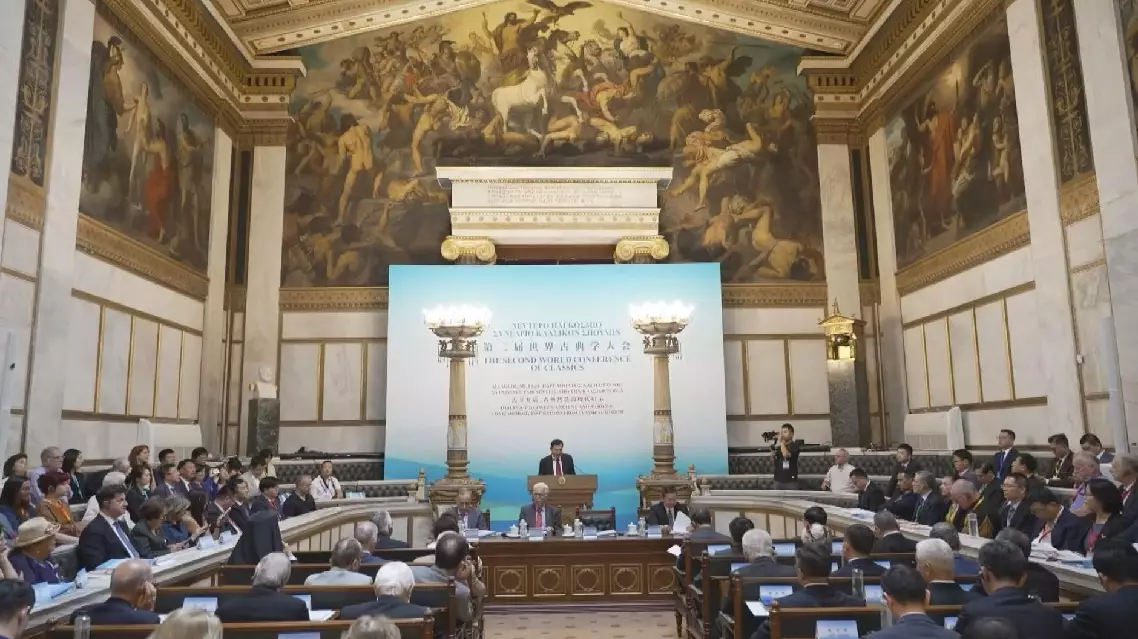
Second World Conference of Classics opens in Athens
Confirmed Ebola cases in the Democratic Republic of the Congo (DRC) and Uganda have surpassed 600 as response efforts face operational constraints, the Africa Centers for Disease Control and Prevention (Africa CDC) said Tuesday.
In its latest outbreak update, the African Union's specialized continental public health agency said confirmed Ebola cases in the DRC and Uganda have reached 608, with the death toll climbing to 102 as of Monday.
Uganda has reported no new confirmed cases in the last 24 hours. In the DRC, 45 new confirmed cases were reported during the past 24 hours, bringing the total there to 589, according to the Africa CDC.
The Africa CDC warned that ongoing response efforts are "facing significant operational constraints," noting that health facilities in several affected areas are in poor condition and often lack potable water, incinerators, personal protective equipment, and decontamination supplies.
Insecurity, a shortage of ambulances, growing staffing pressures with some health workers unpaid or without incentives, and poor roads are further slowing access and response operations, it said, while highlighting the existing lack of community trust as "a critical challenge" jeopardizing ongoing response efforts.
The agency also expressed concern over the negative impacts of travel restrictions imposed on affected and at-risk African countries despite guidance from the World Health Organization and the Africa CDC.
The Africa CDC outlined several "immediate priorities," including strengthening community engagement and risk communication, fast-tracking multidisciplinary rapid response teams to high-risk areas, addressing gaps in infection prevention and safe burial, as well as enhancing surveillance and contact follow-up.
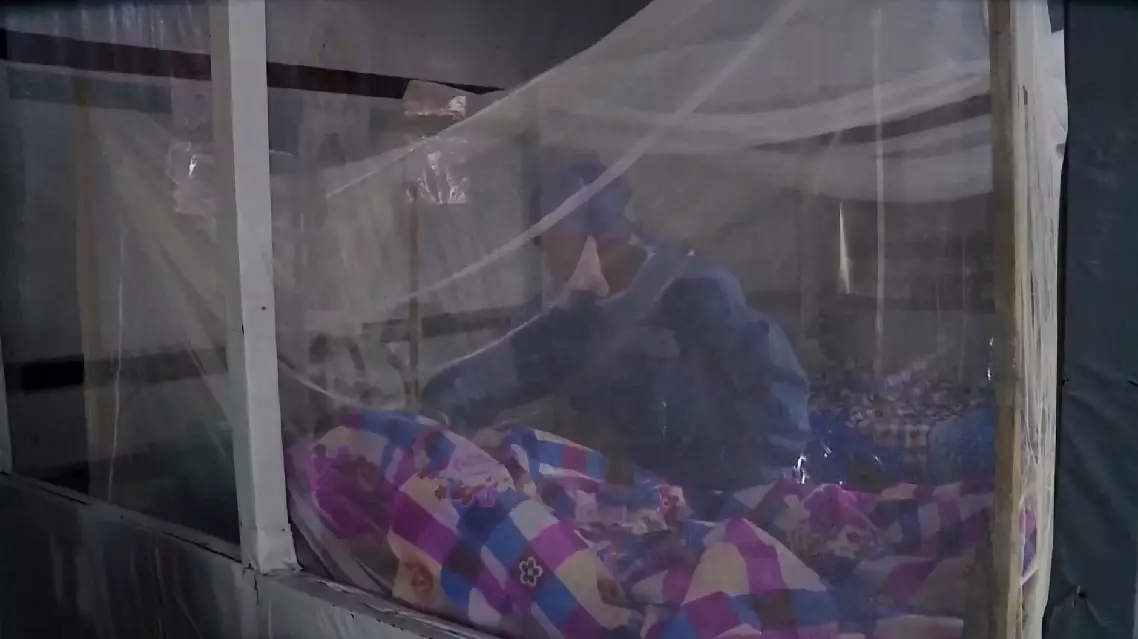
Ebola cases in DR Congo, Uganda surpass 600 amid operational constraints: Africa CDC