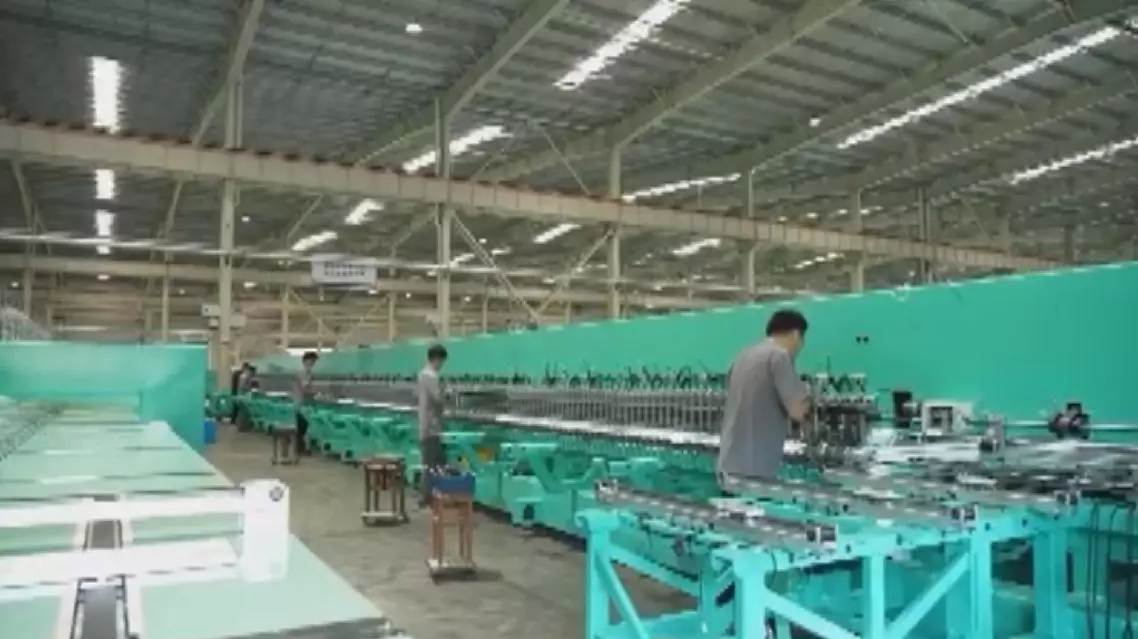
China's producer price index (PPI), which measures costs for goods at the factory gate, went up 3.9 percent year on year in May, according to the latest official data released by the National Bureau of Statistics (NBS) on Wednesday.
Among the sectors with rising prices that contributed to the year-on-year PPI rise in May, the industries of non-ferrous metal ores mining and processing increased by 36.5 percent and the industries of non-ferrous metals smelting and rolling rose by 24 percent year on year.
The extraction of petroleum and natural gas, processing of petroleum, coal and other fuels, and manufacturing of chemical raw materials and chemical products also logged notable price increases in the month, the data showed.
The manufacturing of non-metallic mineral products, the production and supply of electric power and heat, and automobile manufacturing recorded price decreases, the data showed.
On a month-on-month basis, the PPI rose 0.5 percent in May, down from 1.7 percent in April, the data indicated.
The purchase prices of industrial producers rose 5.8 percent year on year and 1.3 percent month on month.
In the first five months of the year, the PPI averaged 1.0 percent higher than the same period last year, while the purchase prices of industrial producers rose 1.6 percent year on year.
China's PPI up 3.9 percent in May
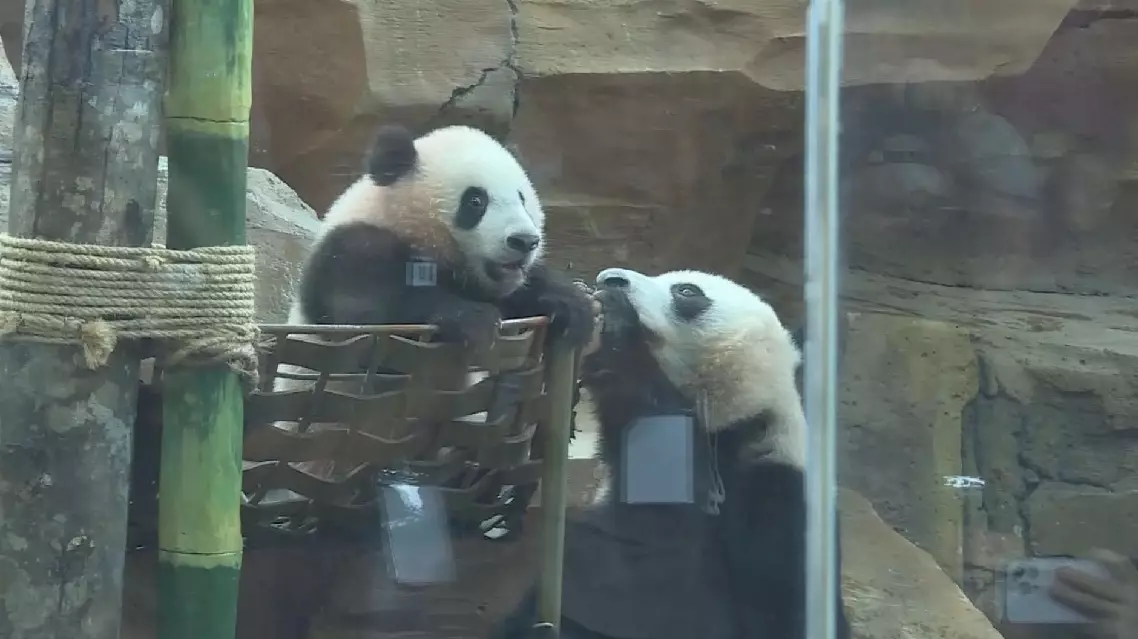
Indonesia's first locally born baby panda Rio has attracted crowds of people to the Taman Safari Indonesia (TSI) in Bogor, south of Jakarta, since he was officially introduced to the public late last month, with visitors excited to catch a glimpse of the safari's most famous resident.
Rio was born on Nov 27 last year, weighing just 200 grams, but has since developed into a healthy 11 kilogram male as he made his public debut on May 30.
The cub was conceived by Chinese-loaned pandas Cai Tao and Hu Chun, and is Indonesia's first giant panda bred in captivity.
Many Indonesians used to have to travel all the way to China if they wanted to see a baby panda. Now, they are delighted to have a beloved bear right at home.
"I am grateful that Taman Safari Indonesia has been given the opportunity to build good bilateral relations between Indonesia and China. This is an activity that I think has a direct impact not only on people who love pandas, but can also be a learning medium, including for students who today come in large numbers. I am very happy because finally Taman Safari has been able to breed a panda after three failed trials. So, it's all just very touching," said Dr. Missie Gustini, a visitor.
Rio lives in a lavish structure called the Panda Palace along with his parents, who arrived from China in 2017 in an act of "panda diplomacy" which aimed to mark 60 years of ties between Indonesia and China.
Rio is taken as a shortened version of his full name, Satrio Wiratama, which means 'brave' and 'noble warrior'. The team at the safari say this name was chosen to symbolize the conservation partnership between Indonesia and China.
"The main message is about conservation. I think conservation doesn't see countries, doesn't see boundaries. When you talk about conservation, a Chinese animal, we can do conservation in Indonesia. Indonesian animals, you can do conservation in Europe. So, if you're an expert in Europe, you're an expert in Africa, you can contribute to conservation for the whole world. I think having this baby Rio is just, what do you call it, it's kind of opened up the possibilities for conservation efforts all over the world, for all of the species, especially the endangered species all over the world," said Aswin Sumampao, president director of the Taman Safari.
Indonesian-born giant panda cub enjoys popularity after meeting public