The U.S. House of Representatives on Tuesday advanced a 69.5-billion-U.S.dollar funding package for Immigration and Customs Enforcement (ICE) and Border Patrol, days after missing President Donald Trump's self-set June 1 deadline.
The lower chamber approved the procedural measure by a vote of 213-211, after the U.S. Senate passed the bill on Friday.
Democrats have pushed for reforms to ICE operations following the fatal shooting of two U.S. citizens by federal agents in Minneapolis in January, but Republicans have repeatedly rejected their demands, resulting in a deadlock in negotiations over funding of the Department of Homeland Security (DHS), which led to a record 76-day shutdown of the department.
On April 30, Trump signed a bill to fund most of the DHS, including the Coast Guard, the Federal Emergency Management Agency and the Transportation Security Administration. That bill, however, did not include funding for the department's immigration enforcement agencies.
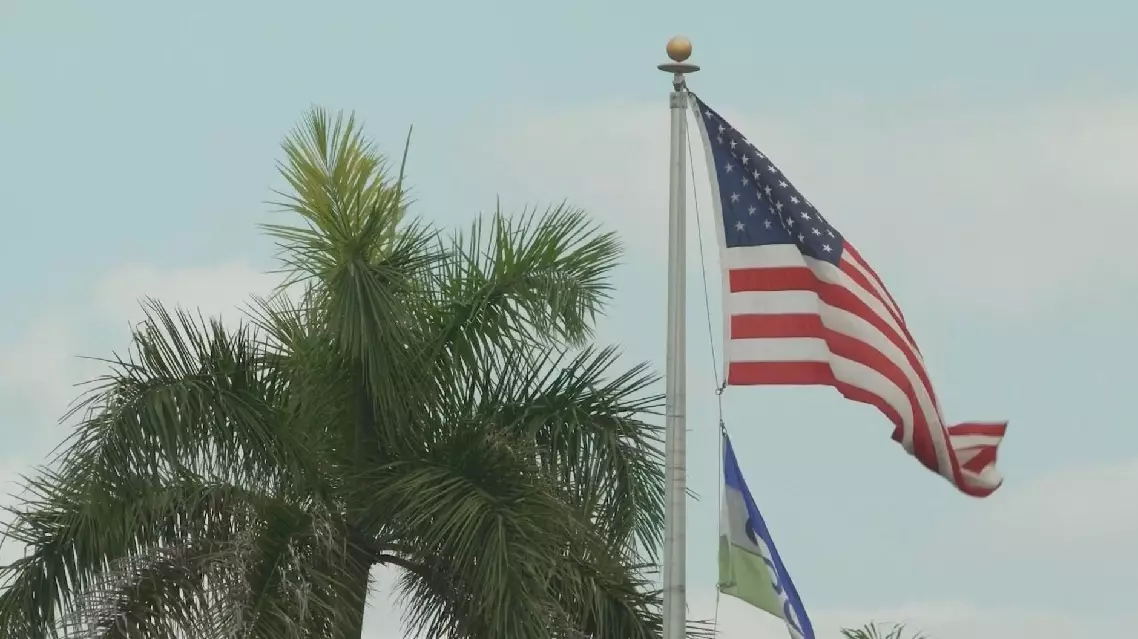
U.S. House narrowly advances ICE, Border Patrol funding bill
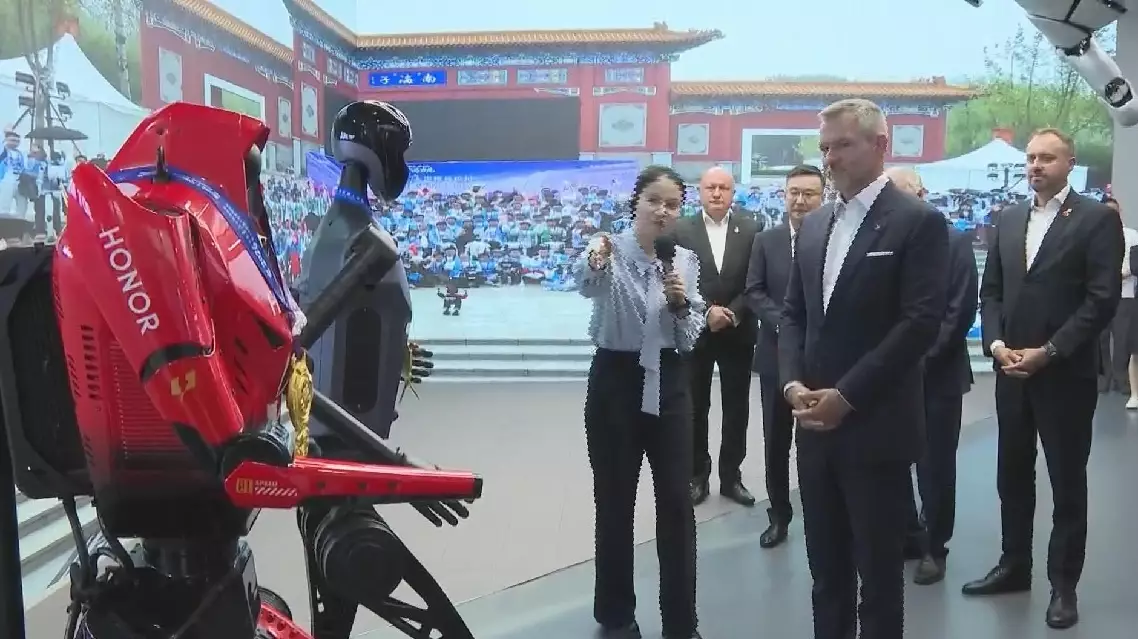
Slovak President Peter Pellegrini visited the world's first embodied intelligence robot 4S store, known as Robot Mall, at Beijing E-Town on Tuesday.
Pellegrini is paying a state visit to China from July 27 to 29 at the invitation of Chinese President Xi Jinping. He toured highlights of this year's Humanoid Robot Half Marathon Competition and interacted with humanoid and medical robots during a stop at Robot Mall.
Expressing amazement at China's robotics achievements, the Slovak president said he believes the cutting-edge technology showcased at the venue will find its way into households in the near future.
Robot Mall is designed to support the transition of robotics from technological innovation to real-world application. Its exhibition highlights how robots are entering homes and industrial scenarios, including education, delivery, companionship, entertainment, and daily services. When touring the exhibition, Pellegrini also shared his views on China-Slovakia cooperation in cutting-edge technologies.
"Slovakia is a small country, but things which are developed in China can be used already in Slovakia. So I think we have to find a way how to implement them as soon as possible into our daily life, into our companies and so on," he said.
Chinese investment in Slovakia has continued to grow in recent years, particularly in high-tech industries, green energy, and innovation-driven sectors.
Analysts say closer cooperation in modern technology and research will remain a key topic during his visit to China.
Slovak President visits robot mall at Beijing E-Town
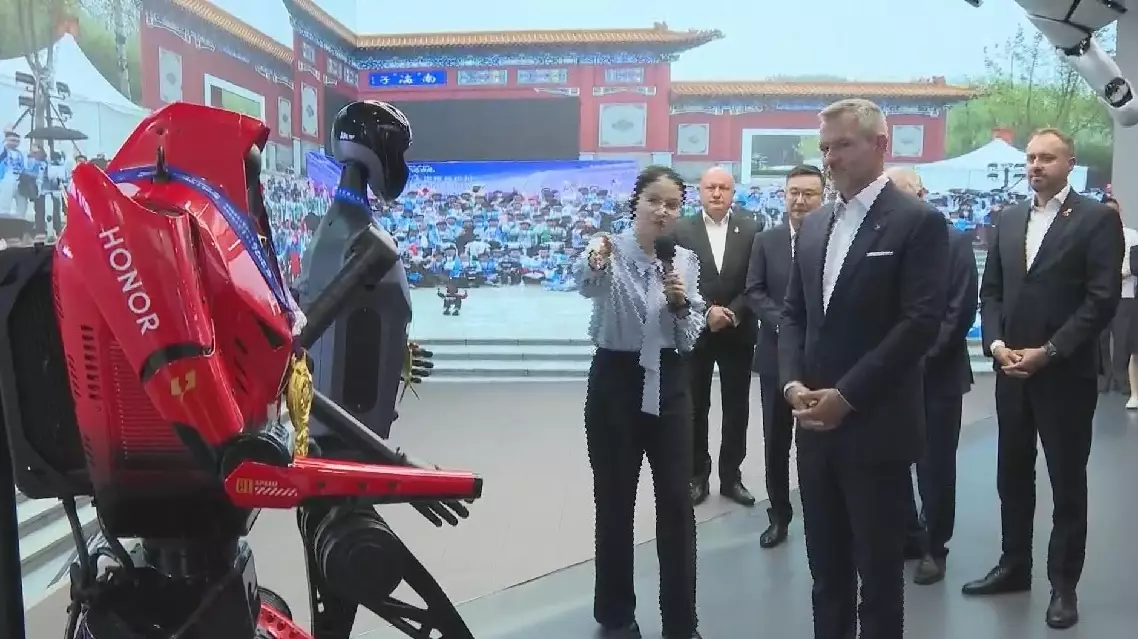
Slovak President visits robot mall at Beijing E-Town