Soaring jet fuel costs driven by the Middle East conflict have squeezed U.S. airlines, forcing ticket hikes and route cuts that are reshaping travel plans for millions of Americans.
Fuel expenses for U.S. passenger airlines reached nearly 6.5 billion dollars in April, up more than 26 percent from the previous month and soaring 78 percent year on year, according to the Bureau of Transportation Statistics on Friday.
The International Air Transport Association (IATA) said on Sunday that it expects the airline industry's net profit to reach 23 billion U.S. dollars this year, a reduction of 18 billion dollars from its previous forecast.
IATA Director General Willie Walsh said in the report that the current situation in the Middle East and rising fuel costs "have made the outlook for airlines worse." Under pressure, some U.S. airlines have already collapsed.
Spirit Airlines, an American ultra low cost carrier that had been struggling with bankruptcy in recent years, ceased operations in May after soaring fuel costs and failed bailout talks with the U.S. government.
With jet fuel prices staying high, major U.S. airlines have raised ticket prices, and some have even announced route cuts, significantly affecting American travelers.
Data from the U.S. online travel platform Expedia shows that 63 percent of American tourists plan to travel within the United States this summer.
Travel industry expert Melanie Fish said that persistently high international airfares are a major reason why tourists are opting for short-haul trips. The U.S.-Israeli war against Iran has brought shipping through the Strait of Hormuz, a key global energy transport route, to a near standstill. The disruption in oil supply has directly driven up jet fuel prices.
U.S. travel website Kayak compared economy round-trip airfares to popular destinations between last year and this year.
Fares from the U.S. to London, UK, increased by more than 45 percent year-on-year, while fares to Paris, France, rose by over 30 percent.
The U.S. Travel Association warned in May that due to the escalating Middle East conflict, rising energy prices and high inflation, the outlook for the U.S. tourism industry in 2026 faces significant downside risks. Persistent inflation caused by rising fuel prices will dampen summer travel demand.
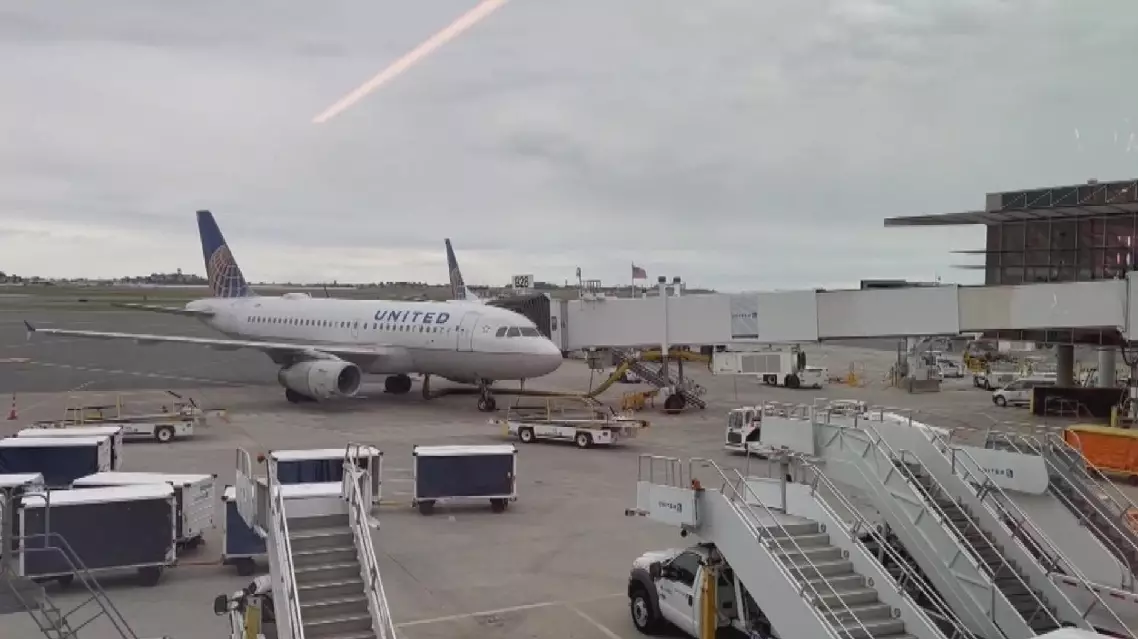
Soaring fuel costs squeeze US airlines, travelers amid Middle East conflict
Soaring fuel costs squeeze US airlines, travelers amid Middle East conflict