Skip to Content Facebook Feature Image

HARIO Introduces Two New Colorways for V60 Dripper NEO, Launching Globally on June 25 and Debuting at World of Coffee Brussels 2026

Business

HARIO Introduces Two New Colorways for V60 Dripper NEO, Launching Globally on June 25 and Debuting at World of Coffee Brussels 2026
Business

Business

HARIO Introduces Two New Colorways for V60 Dripper NEO, Launching Globally on June 25 and Debuting at World of Coffee Brussels 2026

2026-06-11 00:03 Last Updated At:00:20

EL SEGUNDO, Calif. & TOKYO--(BUSINESS WIRE)--Jun 10, 2026--

HARIO Co., Ltd., a leading manufacturer of heatproof glass and specialty coffee equipment, today announces the release of two new colorways for its V60 Dripper NEO. The new colors will launch globally on June 25, 2026, and make their first appearance at World of Coffee Brussels 2026, to be held from June 25 to 27 at Booth #11356.
Building on HARIO’s commitment to functional beauty and precision brewing, the new colorways expand the visual expression of one of the brand’s most innovative coffee drippers. Designed for both professional baristas and home brewers, the release enhances the coffee experience through thoughtful design and refined aesthetics.

This press release features multimedia. View the full release here: https://www.businesswire.com/news/home/20260610390200/en/

Product Overview

Originally launched in 2025, V60 Dripper NEO represents a refined evolution of HARIO’s iconic cone-shaped dripper, designed to deliver a faster, cleaner, and more balanced brewing experience.
Developed to enhance consistency while preserving the freedom of manual pour-over, NEO introduces a reengineered internal structure that supports smooth water flow and stable extraction.

Key features include:

NEO particularly excels when brewing light to medium roast coffees that can often clog or extract unevenly, as well as in finer grind settings or larger volume brews. Its fast-flow characteristics help highlight sweetness and clarity while reducing over-extraction, resulting in a smooth, approachable cup profile.

New Colorways

The introduction of two new colorways brings a fresh perspective to the product, offering users new ways to express their personal style while maintaining the same trusted performance.

Design and Brand Philosophy

Since its founding, HARIO has been driven by a commitment to precision, quality, and thoughtful design—values rooted in its heritage as a heatproof glass manufacturer. Today, this philosophy extends beyond a single material, guiding how the brand approaches product development across a range of forms and functions.

V60 Dripper NEO reflects this evolution. By incorporating advanced materials such as Tritan™, HARIO continues to explore new ways to improve usability, durability, and performance, while staying true to its core principle: creating tools that elevate the brewing experience through both function and form.
The introduction of new colorways further reflects this approach, offering a more personal and expressive connection to everyday coffee rituals without compromising the performance trusted by professionals worldwide.

Debut at World of Coffee Brussels 2026

The new colorways will be officially unveiled at World of Coffee Brussels 2026, one of the world’s leading coffee industry events. Visitors are invited to experience the products firsthand at Booth #11356, where HARIO will showcase its latest innovations and brewing equipment.

Availability

The new colorways will be available globally starting June 25, 2026. Additional details regarding pricing and retail availability will be announced soon.

Comment

“With the introduction of these new colorways, we believe the V60 Dripper NEO can feel more at home in a wider variety of cafés and living spaces.
Changing the dripper color depending on your mood or the coffee beans you choose for the day can also become a surprisingly enjoyable part of the brewing experience.
We hope people will enjoy brewing coffee with a dripper color that matches their personal style and mood. We believe it can make everyday coffee moments feel just a little more special.”
— Daigo Hidaka / Chief Designer of NEO and Member of the Product Planning Department at HARIO.

About HARIO

Founded in 1921, HARIO is a Tokyo‑based heatproof glass manufacturer and the only company in Japan with its own heatproof glass factory. Known worldwide for the iconic V60 Coffee Dripper, HARIO has expanded from laboratory glassware into coffee and tea equipment, as well as microwave‑safe cookware, kitchenware, and industrial glass components.
With nine offices across eight countries, HARIO products are distributed in more than 80 countries, bringing Japanese heatproof glass to homes, cafés, and industries around the world. https://www.hario-usa.com
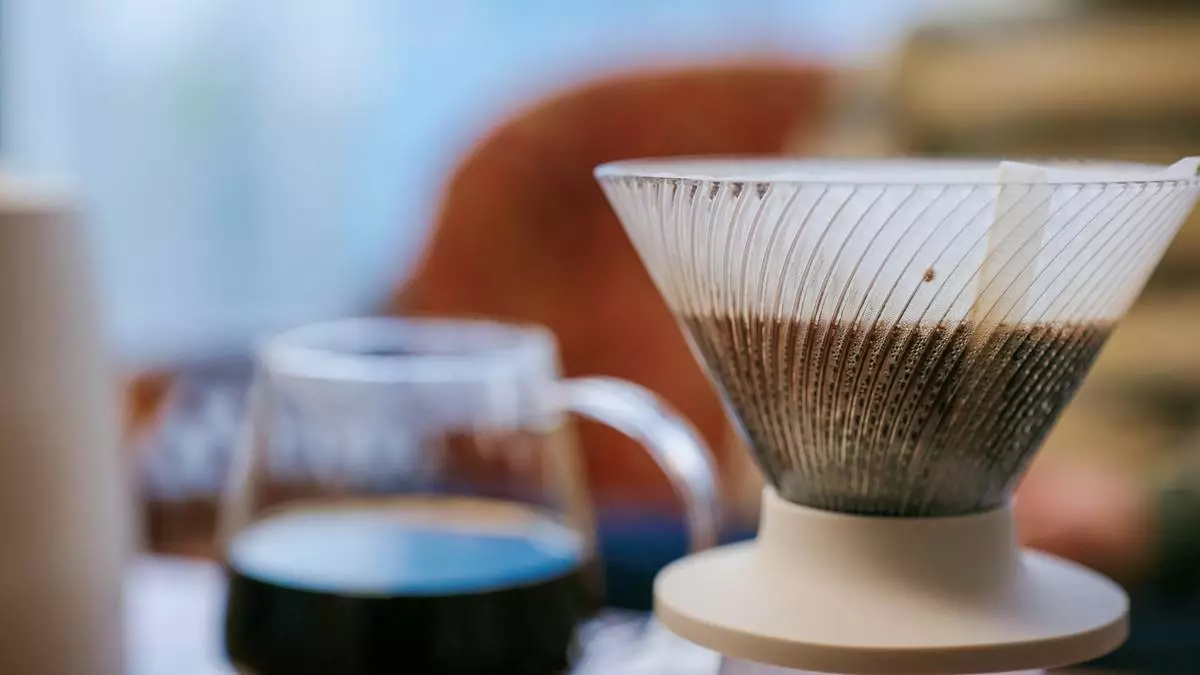
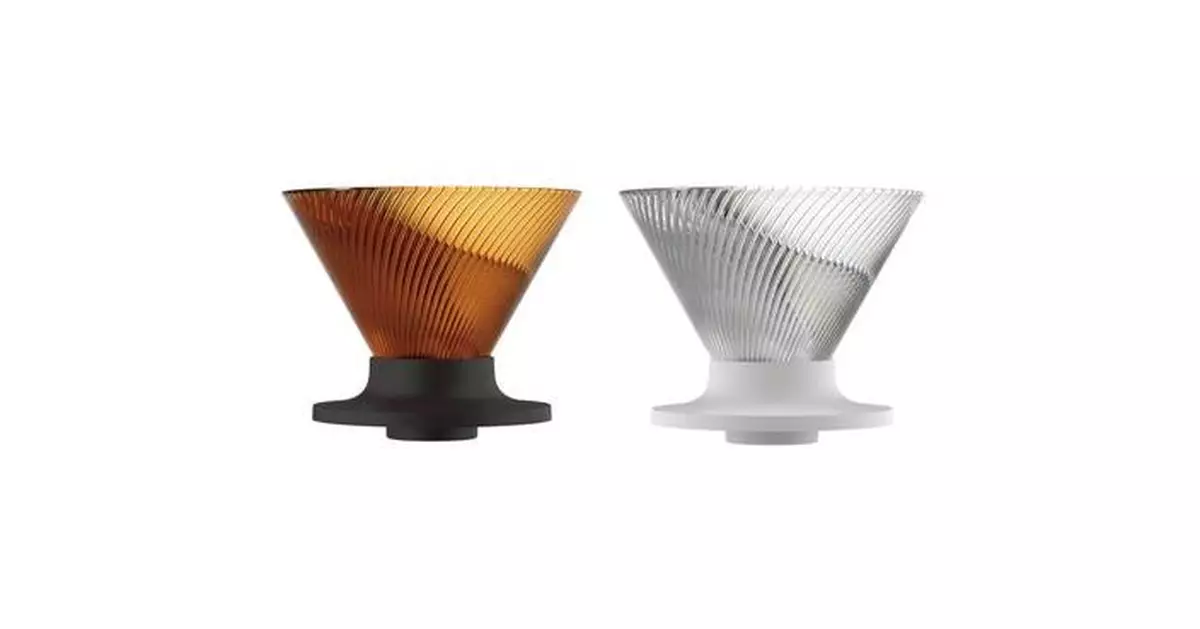
Inspired by cleanliness and modern simplicity, the Transparent colorway brings a crisp, contemporary feel to brewing. (Credit: HARIO©)
Inspired by cleanliness and modern simplicity, the Transparent colorway brings a crisp, contemporary feel to brewing. (Credit: HARIO©)

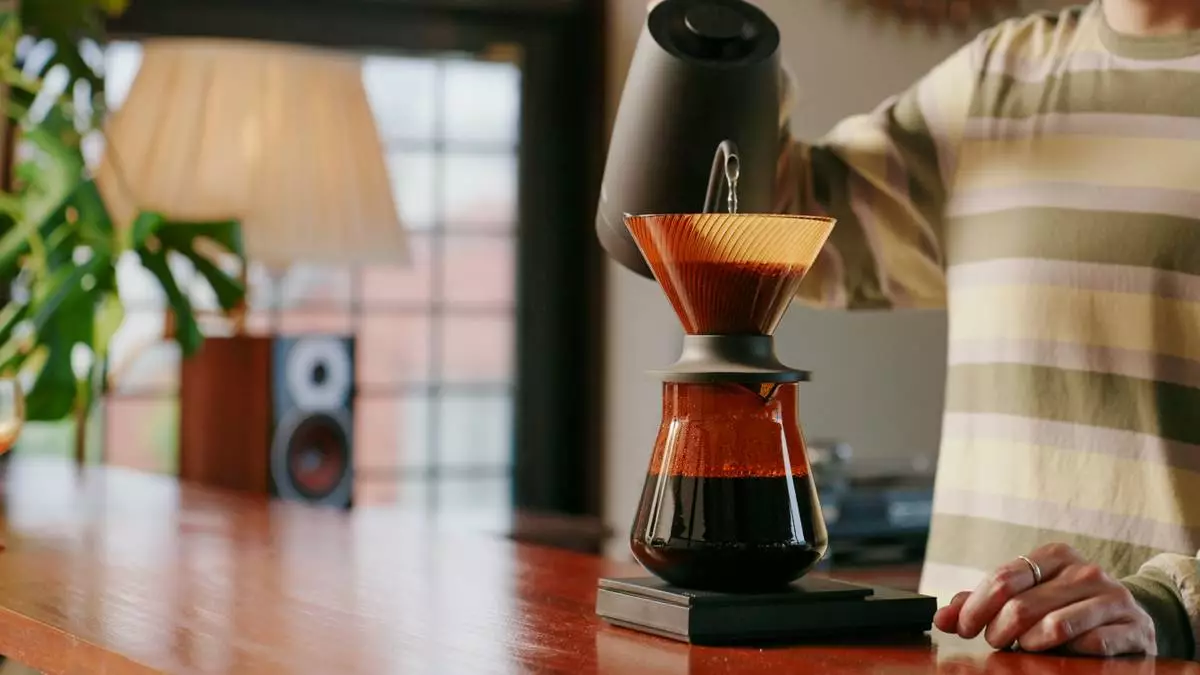
Inspired by warmth and nostalgia, the Amber colorway brings a calm, inviting feel to everyday brewing. (Credit: HARIO©)
Inspired by warmth and nostalgia, the Amber colorway brings a calm, inviting feel to everyday brewing. (Credit: HARIO©)

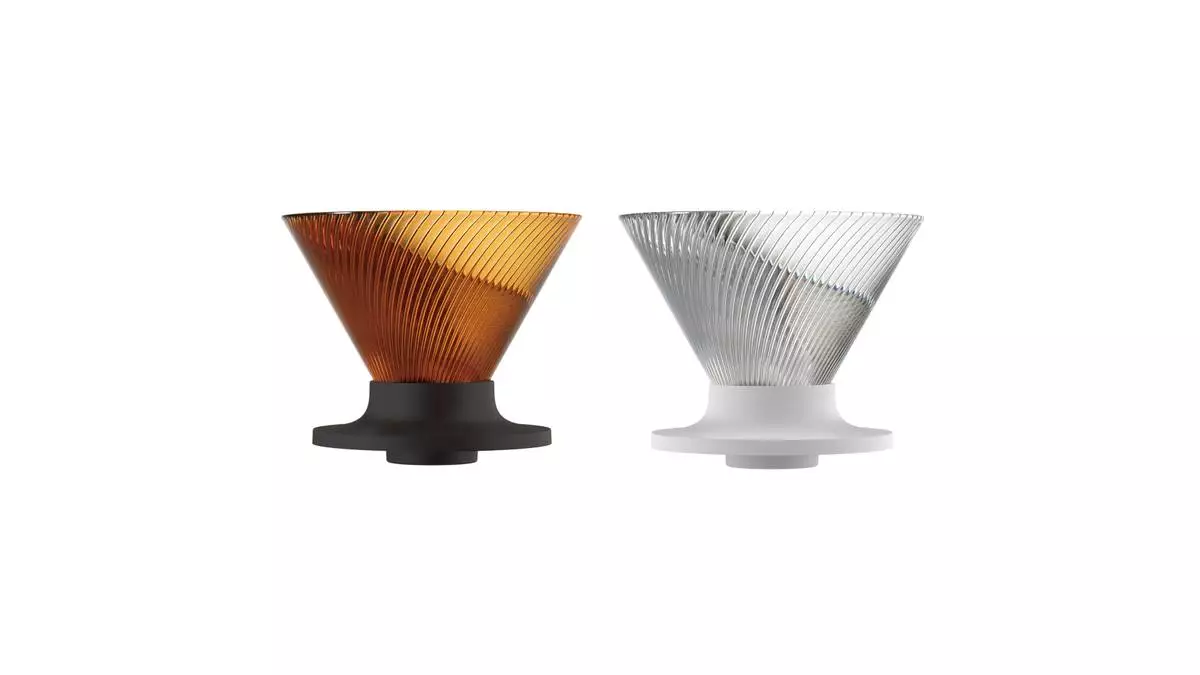
The V60 Dripper NEO Amber (left) and the Transparent (right), launching globally on June 25. (Credit: HARIO©)

The V60 Dripper NEO Amber (left) and the Transparent (right), launching globally on June 25. (Credit: HARIO©)
WASHINGTON (AP) — While millions of soccer fans cheer or groan over World Cup matches spanning North America, health officials will be on high alert for germs.

A heat wave may be the most obvious health threat. But infectious diseases can spread in a crowd, and experts are set to scrutinize wastewater, hospital visits, even social media for any signs that an outbreak might be brewing.

Measles, one of the most contagious diseases, is among the top concerns, sparking a warning this week from the Pan American Health Organization, PAHO. With a nearly six-week stretch of packed stadiums, bars and tourist sites in 16 cities, officials are on the lookout for a long list of infections, from the stomach bug norovirus to mosquito-borne dengue fever.

“This is truly a marathon,” said Palak Raval-Nelson, Philadelphia's health commissioner.

The mass gatherings come at a tense moment for budget-strapped health agencies in the U.S. The Centers for Disease Control and Prevention, hit hard by Trump administration staffing cuts, already was grappling with a growing Ebola outbreak in central Africa and a cruise ship hantavirus outbreak. While CDC officials have advised state and local health departments behind the scenes, its expected World Cup disease surveillance dashboard still was “in final development” days before games began, according to the Department of Health and Human Services.

“Our public health professionals are pretty stretched,” said global health specialist Rebecca Katz of Georgetown University, who is leading an unusual new hub to help.

At the Health Security Operations Center, a joint effort between Georgetown and MedStar Health, workers are analyzing data from around the country so they can alert health authorities, even emergency rooms, to any early signs of trouble. The center is issuing daily “situation reports” about disease trends around World Cup host cities and team base camps to several hundred local and federal public health groups, emergency management and hospital officials and others who’ve signed up.

“It's important that we don't become alarmist,” said MedStar emergency medicine specialist Dr. Shane Kappler. “We're trying to be the insurance policy.”

Already more than 2,000 people in the U.S. have come down with measles this year, nearly as many as during all of last year, according to the CDC. Patients can spread measles before the rash appears and they realize they're sick. Not too long ago, the U.S. seldom saw measles except from international travel by unvaccinated people.

Now with frequent U.S. outbreaks, "actually a lot of our international partners are worried about measles being exported to them after the games,” said Georgetown’s Katz.

Measles is spreading in Canada, too, and has exceeded 11,000 cases in Mexico, according to PAHO. It’s urging soccer fans to be sure they’re vaccinated, with a health campaign saying a single measles patient can spread the virus to up to 18 unprotected people.

Brown University’s Dr. Craig Spencer, who survived Ebola while working in the West Africa outbreak over a decade ago, said he’s repeatedly asked about the risk of Ebola during the World Cup — but “for me, Ebola is not the No. 1 or No. 2 or even No. 3 threat.”

“I am concerned about importation of measles, I am much more concerned about the importation of other infectious threats that may not seem as scary to us as Ebola,” Spencer said.

Many health experts agree that the risk of Ebola spreading in the U.S. is very low. That’s partly because of government travel screenings and restrictions on people recently in outbreak-affected areas. Moreover, Ebola spreads by contact with bodily fluids from someone showing symptoms, not through the air like measles or respiratory viruses.

“One fortunate thing about this virus is you’re most contagious when you’re really quite ill. It’s not like COVID, where you could be sitting next to someone who doesn’t even know they’re infected and perhaps contract the virus,” said Jennifer Nuzzo, director of Brown’s Pandemic Center.

There’s precedent for germs invading major sporting events. Canadian scientists linked a community measles outbreak to the 2010 Olympics in Vancouver, and clusters of norovirus had to be contained during the Olympics this year in Milan and in 2018 in South Korea.

One way to detect signs of trouble: People with certain viral or bacterial infections shed genetic material that sophisticated testing of wastewater can spot. For example, measles can appear in wastewater days before an emergency room sees its first patients.

This week's surveillance reports from Katz's center note that wastewater testing recently found diarrhea-causing rotavirus, hepatitis A and norovirus in some parts of the U.S., something to watch as soccer crowds arrive.

In Dallas, officials ramped up wastewater screening including at the international airport, casting a wide net rather than looking for specific illnesses, said Dr. Phil Huang, director of Dallas County Health and Human Services.

His team also is enhancing the usual mosquito testing, checking not just for West Nile virus that regularly spreads in the U.S. but for viruses more common in other countries like dengue and chikungunya.

Public health officials have been preparing for months, said Philadelphia’s Raval-Nelson, including with mock emergency drills and communications with counterparts around the country.

“I don’t want to send a message that there’s one key thing," she said. “We have the frameworks in place to carry out what we need to.”

The Associated Press Health and Science Department receives support from the Howard Hughes Medical Institute’s Department of Science Education and the Robert Wood Johnson Foundation. The AP is solely responsible for all content.

A screen displays infectious disease risk assessments for the World Cup at Georgetown's Health Security Operations Center in Washington on June 3, 2026. (AP Photo/Shelby Lum)

A screen displays infectious disease risk assessments for the World Cup at Georgetown's Health Security Operations Center in Washington on June 3, 2026. (AP Photo/Shelby Lum)

Georgetown University's Rebecca Katz points to waste water data looking at infectious diseases at Georgetown's Health Security Operations Center in Washington on June 3, 2026. (AP Photo/Shelby Lum)

Georgetown University's Rebecca Katz points to waste water data looking at infectious diseases at Georgetown's Health Security Operations Center in Washington on June 3, 2026. (AP Photo/Shelby Lum)

Georgetown University's Rebecca Katz points to measles data for the country at Georgetown's Health Security Operations Center in Washington on June 3, 2026. (AP Photo/Shelby Lum)

Georgetown University's Rebecca Katz points to measles data for the country at Georgetown's Health Security Operations Center in Washington on June 3, 2026. (AP Photo/Shelby Lum)

Recommended Articles