Skip to Content Facebook Feature Image

First group of Nigerians returns home after anti-immigration protests in South Africa

News

First group of Nigerians returns home after anti-immigration protests in South Africa
News

News

First group of Nigerians returns home after anti-immigration protests in South Africa

2026-06-12 00:08 Last Updated At:00:11

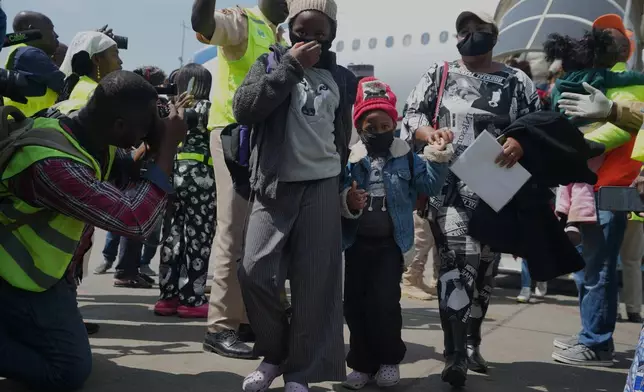
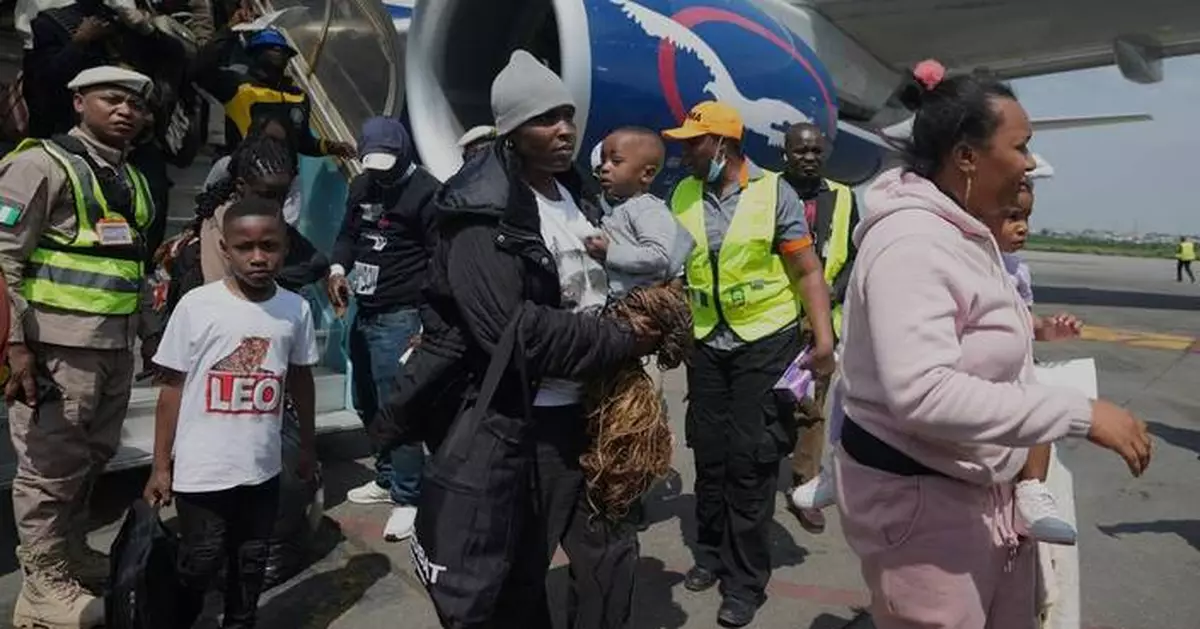
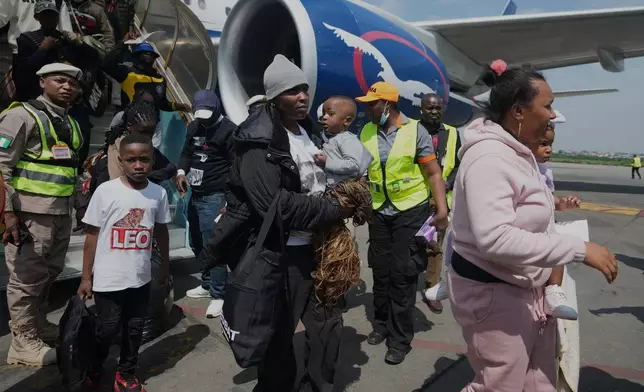
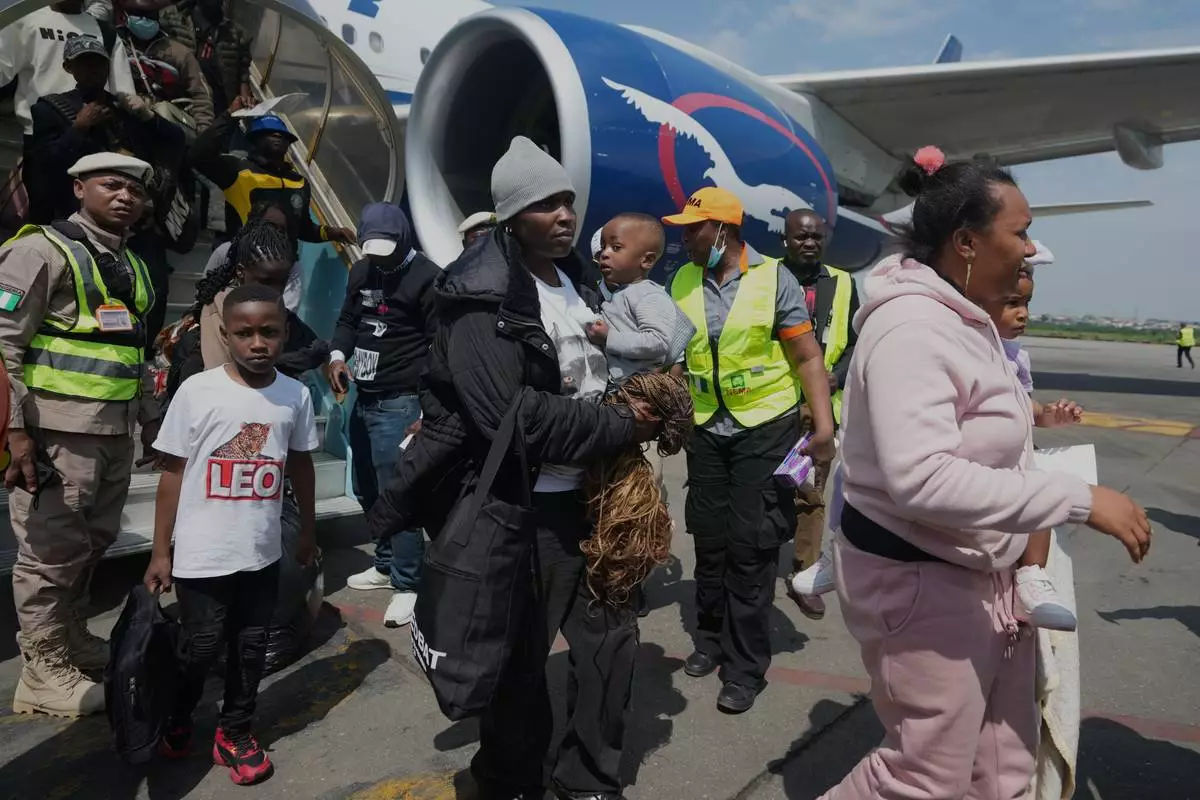
LAGOS, Nigeria (AP) — The first group of Nigerians returned home from South Africa on Thursday as part of repatriation ordered by the government following violent anti-immigration protests.

A total of 262 passengers and three officials were on board the flight to Lagos, according to Nigeria’s Ministry of Foreign Affairs. The ministry earlier said over 1,000 Nigerians have registered for voluntary return.

More Images
Nigerian nationals repatriated from South Africa, following concerns about unrest, arrive at the Murtala Muhammed International Airport in Lagos, Nigeria, Thursday, June 11, 2026. (AP Photo/Sunday Alamba)
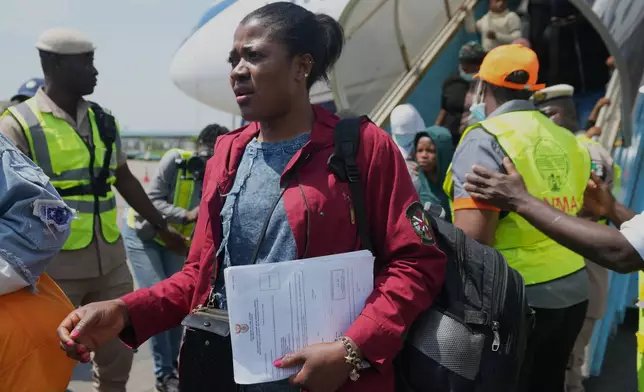
Nigerian nationals repatriated from South Africa, following concerns about unrest, arrive at the Murtala Muhammed International Airport in Lagos, Nigeria, Thursday, June 11, 2026. (AP Photo/Sunday Alamba)
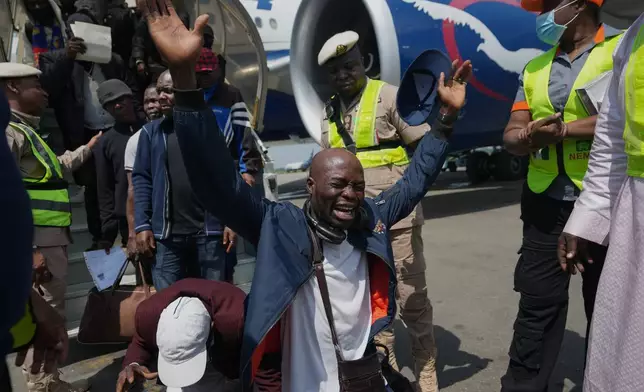
Nigerian nationals repatriated from South Africa, following concerns about unrest, arrive at the Murtala Muhammed International Airport in Lagos, Nigeria, Thursday, June 11, 2026. (AP Photo/Sunday Alamba)
Nigerian nationals repatriated from South Africa, following concerns about unrest, arrive at the Murtala Muhammed International Airport in Lagos, Nigeria, Thursday, June 11, 2026. (AP Photo/Sunday Alamba)

Nigerian nationals repatriated from South Africa, following concerns about unrest, reacts upon arrival at the Murtala Muhammed International Airport in Lagos, Nigeria, Thursday, June 11, 2026. (AP Photo/Sunday Alamba)

Nigerian nationals repatriated from South Africa, following concerns about unrest, reacts upon arrival at the Murtala Muhammed International Airport in Lagos, Nigeria, Thursday, June 11, 2026. (AP Photo/Sunday Alamba)

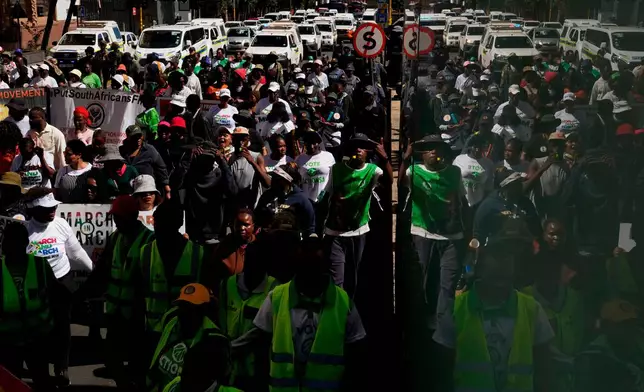
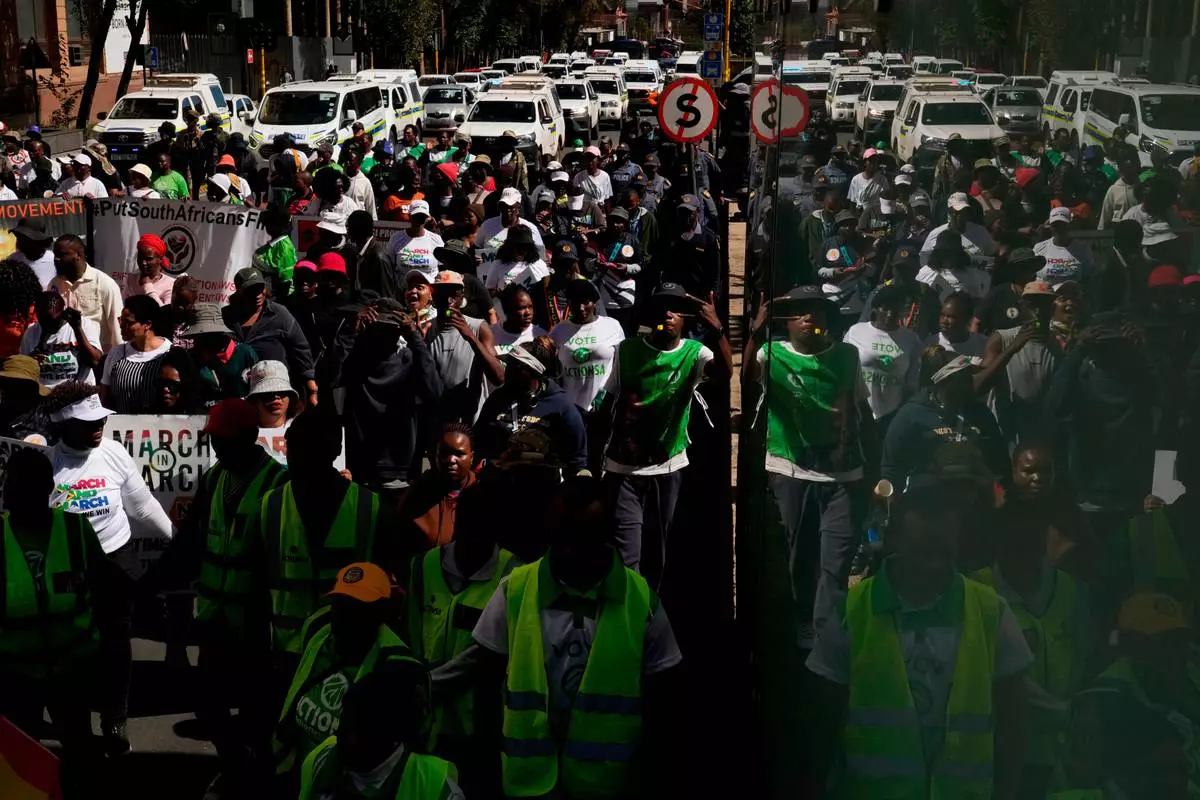
FILE - South Africans protest against illegal migration, in Johannesburg, South Africa, on April 29, 2026. (AP Photo/Themba Hadebe, File)
FILE - South Africans protest against illegal migration, in Johannesburg, South Africa, on April 29, 2026. (AP Photo/Themba Hadebe, File)

Nigerian nationals repatriated from South Africa arrive at the Murtala Muhammed International Airport in Lagos, Nigeria, Thursday, June 11, 2026. (AP Photo/Sunday Alamba)

Nigerian nationals repatriated from South Africa arrive at the Murtala Muhammed International Airport in Lagos, Nigeria, Thursday, June 11, 2026. (AP Photo/Sunday Alamba)

Authorities in South Africa said the returnees were found to be in the country illegally, contradicting Nigerian officials that they were fleeing xenophobic attacks.

Nigeria is the latest African nation to organize such evacuation flights from South Africa. Since April, a series of anti-immigration protests have led to attacks against some foreigners. The protests highlight tensions between foreign workers and locals who claim foreigners are taking their jobs. South African officials have condemned them as xenophobic acts.

Nigerian Foreign Minister Bianca Odumegwu-Ojukwu said the president ordered the “evacuation of imperiled Nigerian citizens who consider their lives at risk by continued stay in South Africa.”

“The price of your peace, and the safety of your children is not worth any sacrifices you have to make, or any assets you have to leave behind when fleeing a conflict zone or hate-infested environment,” the minister said in a message to those returning.

Humanitarian Affairs Minister Bernard Doro criticized the treatment of Nigerians, who he said were “living in South Africa legally."

“If there were issues of illegality, that would be determined on a person-to-person basis. You can’t just crown the entire Nigerians living in South Africa as living there illegally,” Doro said.

Some returnees told The Associated Press they didn't have proper documentation in South Africa. And some said they had not been able to renew their residency papers for years, because of immigration bottlenecks they say were imposed on Nigerians by South African authorities.

“I was in South Africa for 11 years, and I was treated badly. They did not give us (Nigerians) resident permits because we were Nigerians,” Eminaba Beatrice said.

The evacuation by Nigeria follows Ghana 's repatriation of about 1,000 nationals from South Africa. Officials in South Africa said that most of the Ghanaians who returned home were undocumented.

Liberia has also expressed concerns over the safety of its citizens in South Africa. Local media have quoted President Joseph Boakai as saying that the government will take any necessary steps, including facilitating similar returns to Liberia.

According to South Africa's Home Affairs Department, 586 Nigerians were processed for repatriation after they were found to be undocumented. It said the next group is due to leave on Monday.

Home Affairs Minister Leon Schreiber said they were issued emergency travel documents by the Nigerian High Commission.

He also said they were declared “undesirable persons” and prohibited from reentering South Africa for five years. “Foreign nationals must ensure that their immigration status remains compliant with South African immigration laws at all times and to regularize their stay,” he said.

Associated Press writer Mogomotsi Magome in Johannesburg contributed to this report.

This story corrects the quote from the Nigerian foreign minister.
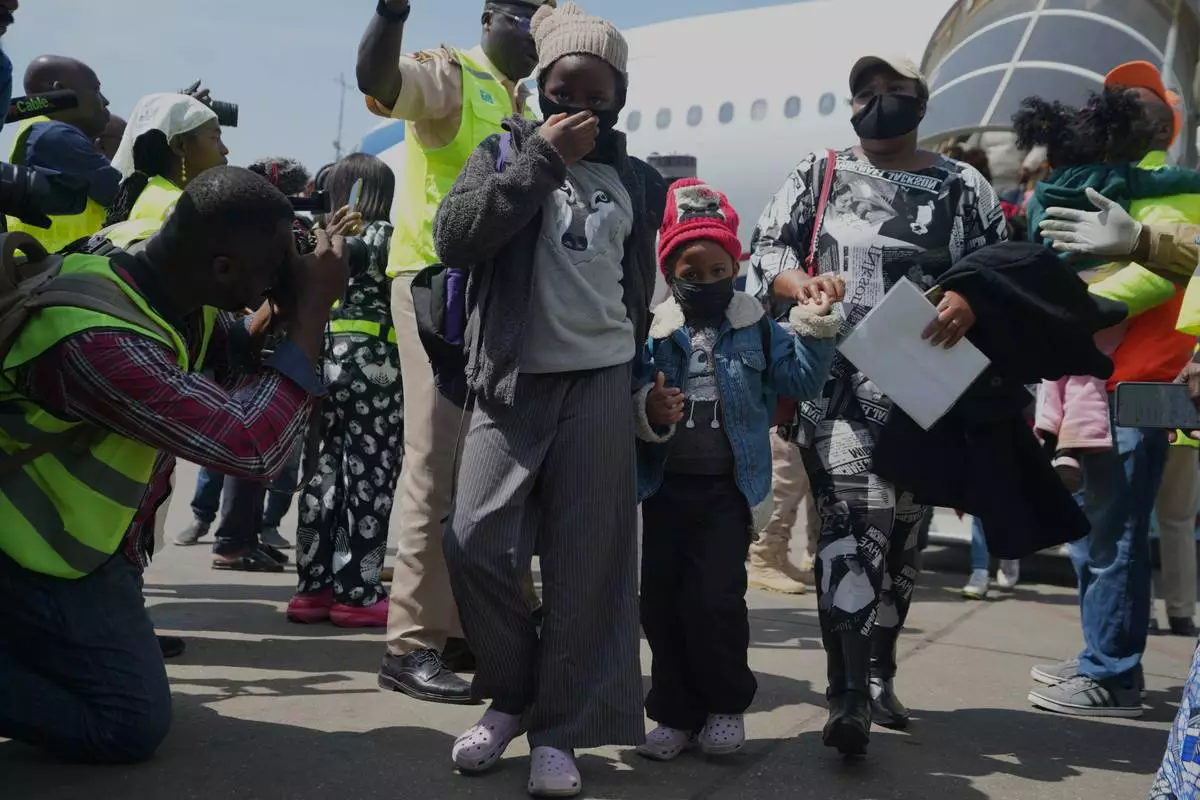
Nigerian nationals repatriated from South Africa, following concerns about unrest, arrive at the Murtala Muhammed International Airport in Lagos, Nigeria, Thursday, June 11, 2026. (AP Photo/Sunday Alamba)
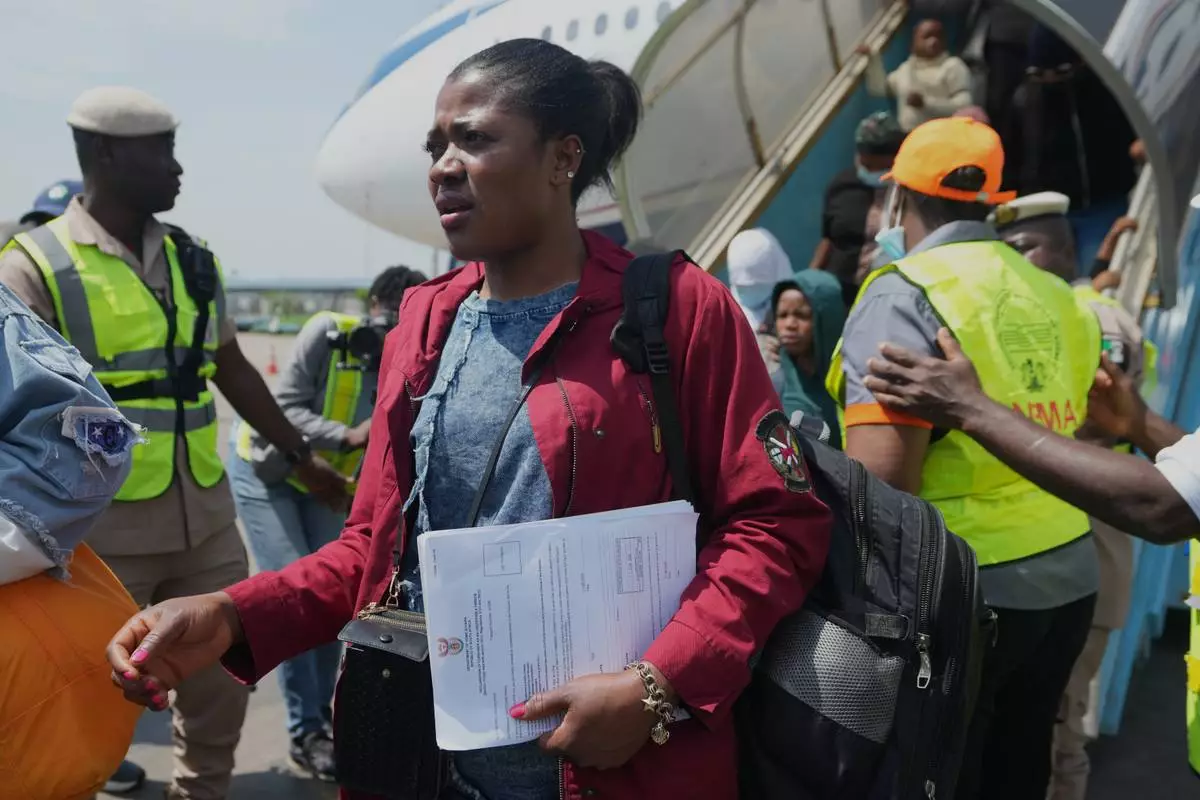
Nigerian nationals repatriated from South Africa, following concerns about unrest, arrive at the Murtala Muhammed International Airport in Lagos, Nigeria, Thursday, June 11, 2026. (AP Photo/Sunday Alamba)
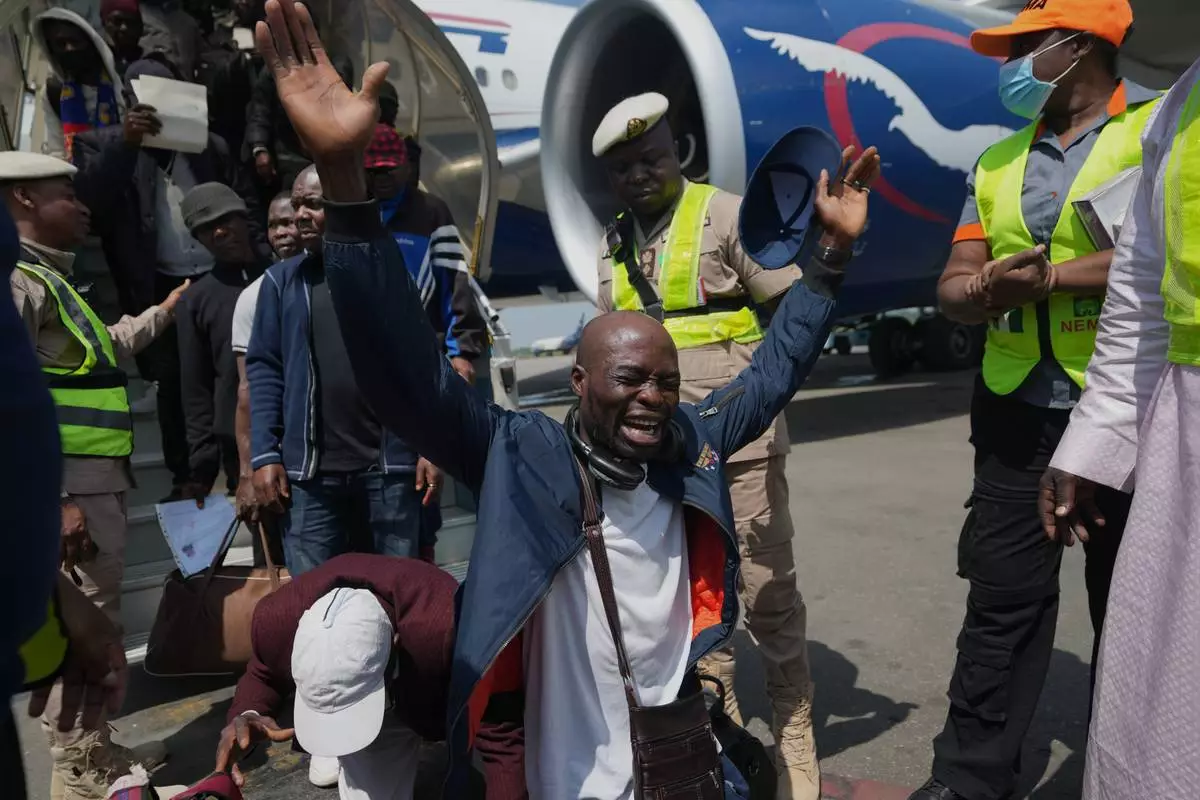
Nigerian nationals repatriated from South Africa, following concerns about unrest, arrive at the Murtala Muhammed International Airport in Lagos, Nigeria, Thursday, June 11, 2026. (AP Photo/Sunday Alamba)
Nigerian nationals repatriated from South Africa, following concerns about unrest, arrive at the Murtala Muhammed International Airport in Lagos, Nigeria, Thursday, June 11, 2026. (AP Photo/Sunday Alamba)

Nigerian nationals repatriated from South Africa, following concerns about unrest, reacts upon arrival at the Murtala Muhammed International Airport in Lagos, Nigeria, Thursday, June 11, 2026. (AP Photo/Sunday Alamba)

Nigerian nationals repatriated from South Africa, following concerns about unrest, reacts upon arrival at the Murtala Muhammed International Airport in Lagos, Nigeria, Thursday, June 11, 2026. (AP Photo/Sunday Alamba)

FILE - South Africans protest against illegal migration, in Johannesburg, South Africa, on April 29, 2026. (AP Photo/Themba Hadebe, File)
FILE - South Africans protest against illegal migration, in Johannesburg, South Africa, on April 29, 2026. (AP Photo/Themba Hadebe, File)

Nigerian nationals repatriated from South Africa arrive at the Murtala Muhammed International Airport in Lagos, Nigeria, Thursday, June 11, 2026. (AP Photo/Sunday Alamba)

Nigerian nationals repatriated from South Africa arrive at the Murtala Muhammed International Airport in Lagos, Nigeria, Thursday, June 11, 2026. (AP Photo/Sunday Alamba)
MINNEAPOLIS (AP) — The man charged in the political assassinations of the top Democrat in the Minnesota House and her husband, as well as the nonfatal shootings of a state senator and his wife, pleaded guilty in federal court Thursday after prosecutors said they would not seek the death penalty.

Vance Boelter was charged with murdering Minnesota House Speaker Melissa Hortman and her husband, Mark Hortman, and with shooting state Sen. John Hoffman and his wife, Yvette Hoffman. Boelter came to their doors in the early hours of June 14, 2025, disguised as a police officer and driving a fake squad car.

The Hortmans’ golden retriever was so gravely injured that it had to be euthanized.

Boelter, 58, was captured near his home in rural Green Isle the day after the shootings following what prosecutors have called the largest search for a suspect in Minnesota history. He also faces state charges, which have been on hold pending the resolution of his federal case.

The U.S. attorney’s office in Minneapolis notified the court Wednesday that the Justice Department would not seek the death penalty against Boelter in accordance with a proposed plea agreement, and the court set the change-of-plea hearing for Thursday.

Minnesota abolished capital punishment in 1911 and has never had a federal death penalty case. Daniel Borgertpoepping, a spokesperson for the Hennepin County Attorney’s Office, said the federal plea deal would not affect Boelter’s state charges.

While the Trump administration has pushed for greater use of capital punishment, there were questions about whether Boelter’s case would qualify for the death penalty under federal law.

Prosecutors have called the shootings political. When they announced the federal indictment in July, they released a rambling handwritten letter they say Boelter wrote to FBI Director Kash Patel in which he confessed to the attacks. However, the letter didn’t make clear why he targeted the Hortmans or the Hoffmans.

In some messages to media, Boelter referenced a vague and cryptic “investigation” he had been carrying out, sometimes suggesting it was about the COVID-19 vaccine.

Friends described Boelter as an evangelical Christian and occasional preacher and missionary, who held politically conservative views and had been struggling to find work.

John Hoffman said in a lawsuit filed against Boelter in April that his left arm and hand likely would never fully recover, and that he also had permanent injuries to his digestive and urinary systems.

Yvette Hoffman was left with permanent physical weakness, the lawsuit said, while their adult daughter, Hope Hoffman, who was there and called 911 but was not shot, suffered severe psychological trauma.

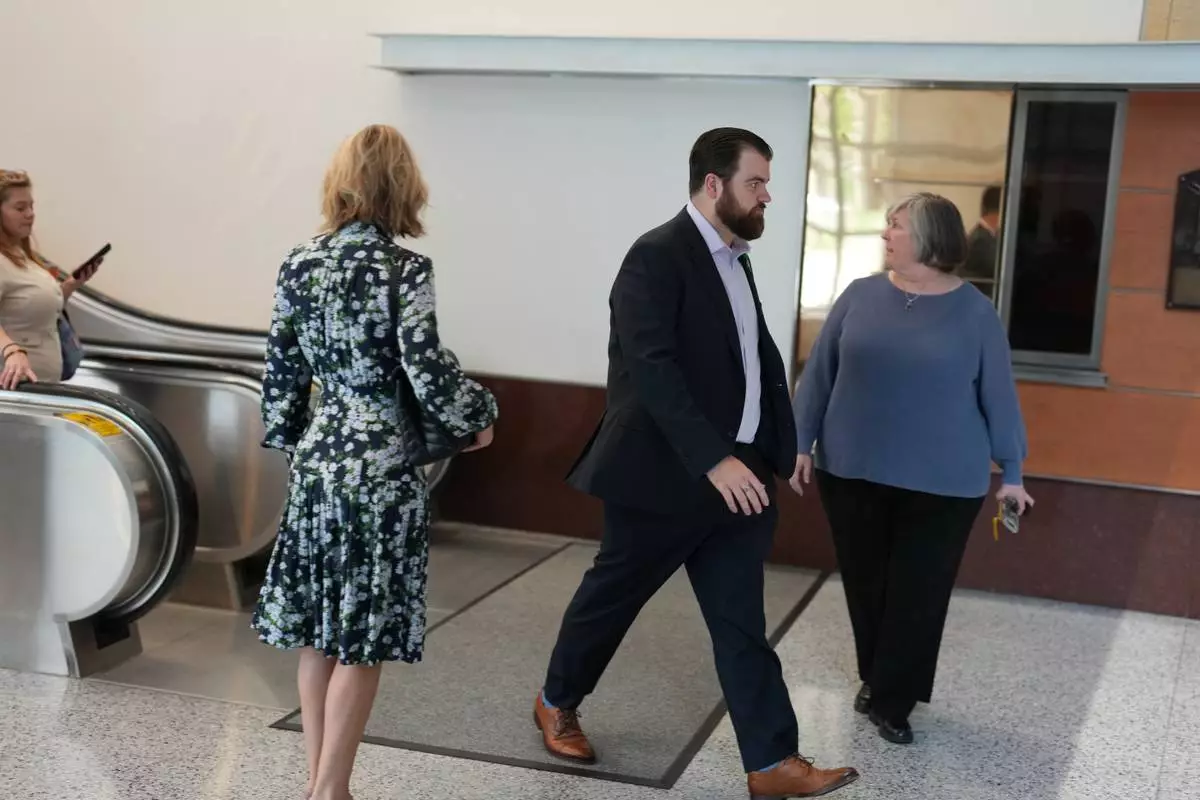
Colin Hortman, center, son of Melissa and Mark Hortman, walks inside the federal courthouse in Minneapolis on Thursday, June 11, 2026. (Alex Kormann/Minnesota Star Tribune via AP)

Colin Hortman, center, son of Melissa and Mark Hortman, walks inside the federal courthouse in Minneapolis on Thursday, June 11, 2026. (Alex Kormann/Minnesota Star Tribune via AP)

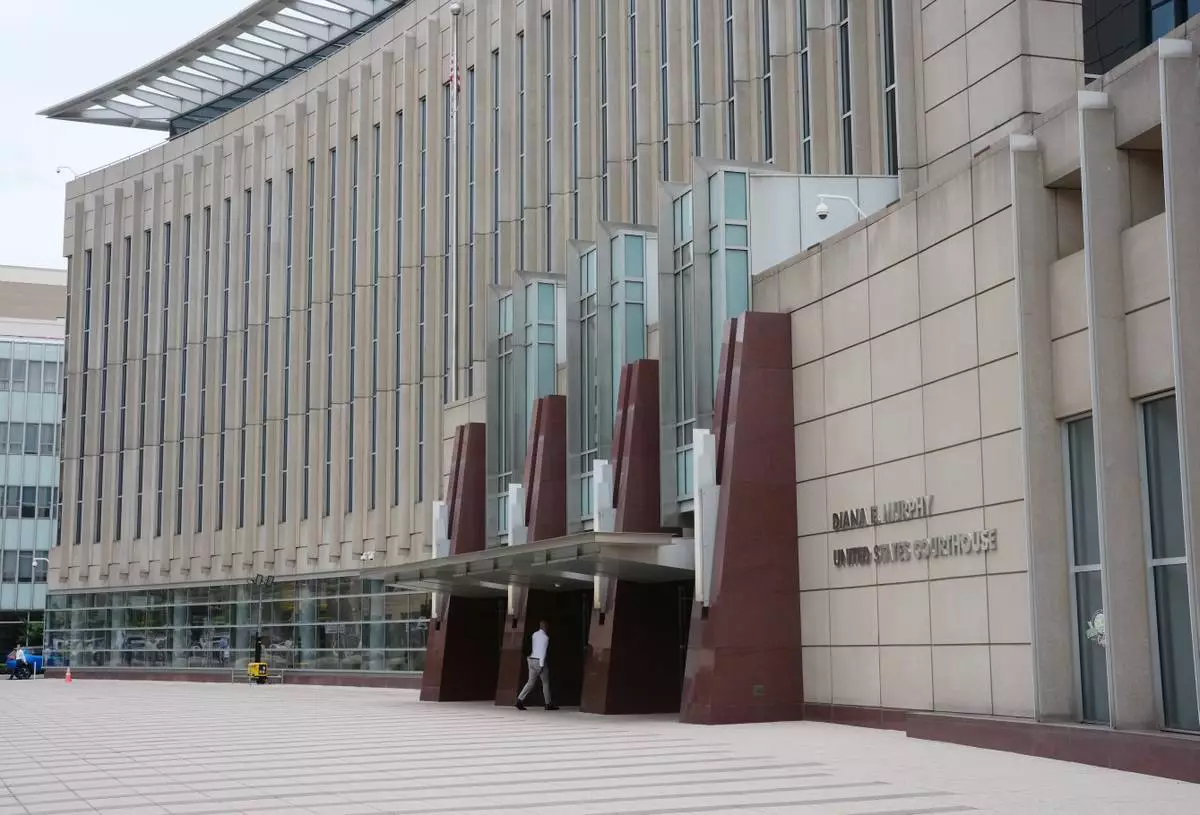
The exterior of the Diana E. Murphy United States Courthouse is shown on Thursday, June 11, 2026 in Minneapolis. (Alex Kormann/Minnesota Star Tribune via AP)

The exterior of the Diana E. Murphy United States Courthouse is shown on Thursday, June 11, 2026 in Minneapolis. (Alex Kormann/Minnesota Star Tribune via AP)

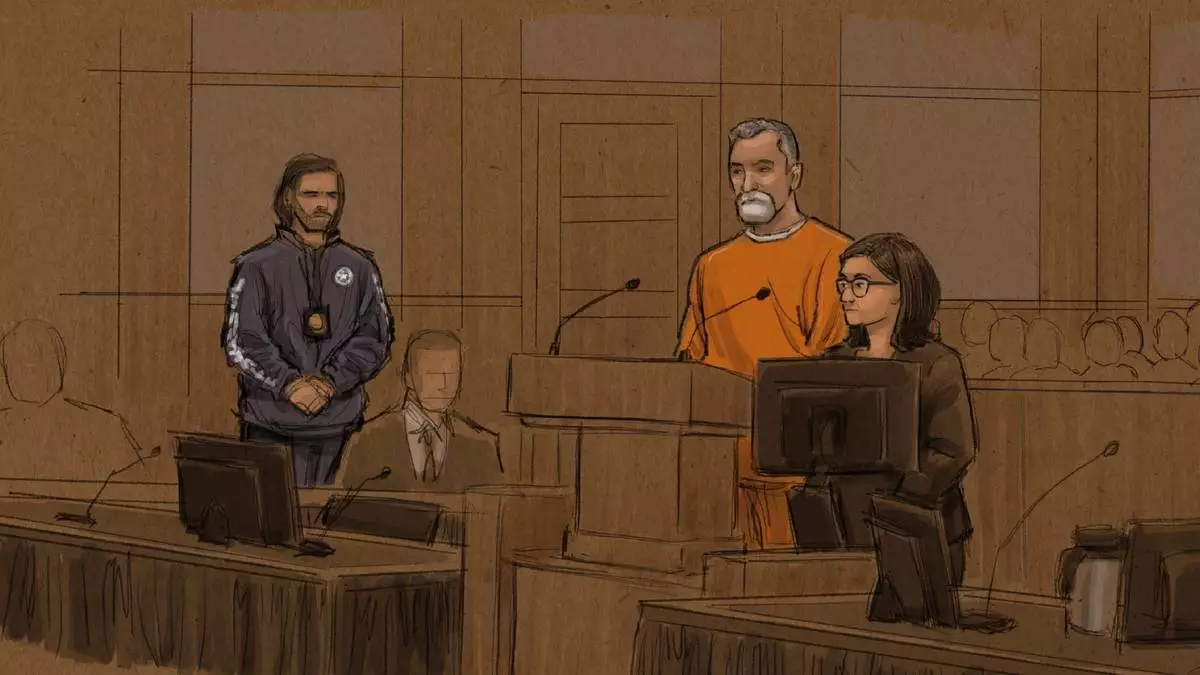
FILE - This courtroom sketch shows Vance Boelter, who is charged with killing the top Democrat in the Minnesota House and her husband and wounding a state senator and his wife, appears at federal court in Minneapolis on Aug. 7, 2025. (Cedric Hohnstadt via AP, File)

FILE - This courtroom sketch shows Vance Boelter, who is charged with killing the top Democrat in the Minnesota House and her husband and wounding a state senator and his wife, appears at federal court in Minneapolis on Aug. 7, 2025. (Cedric Hohnstadt via AP, File)

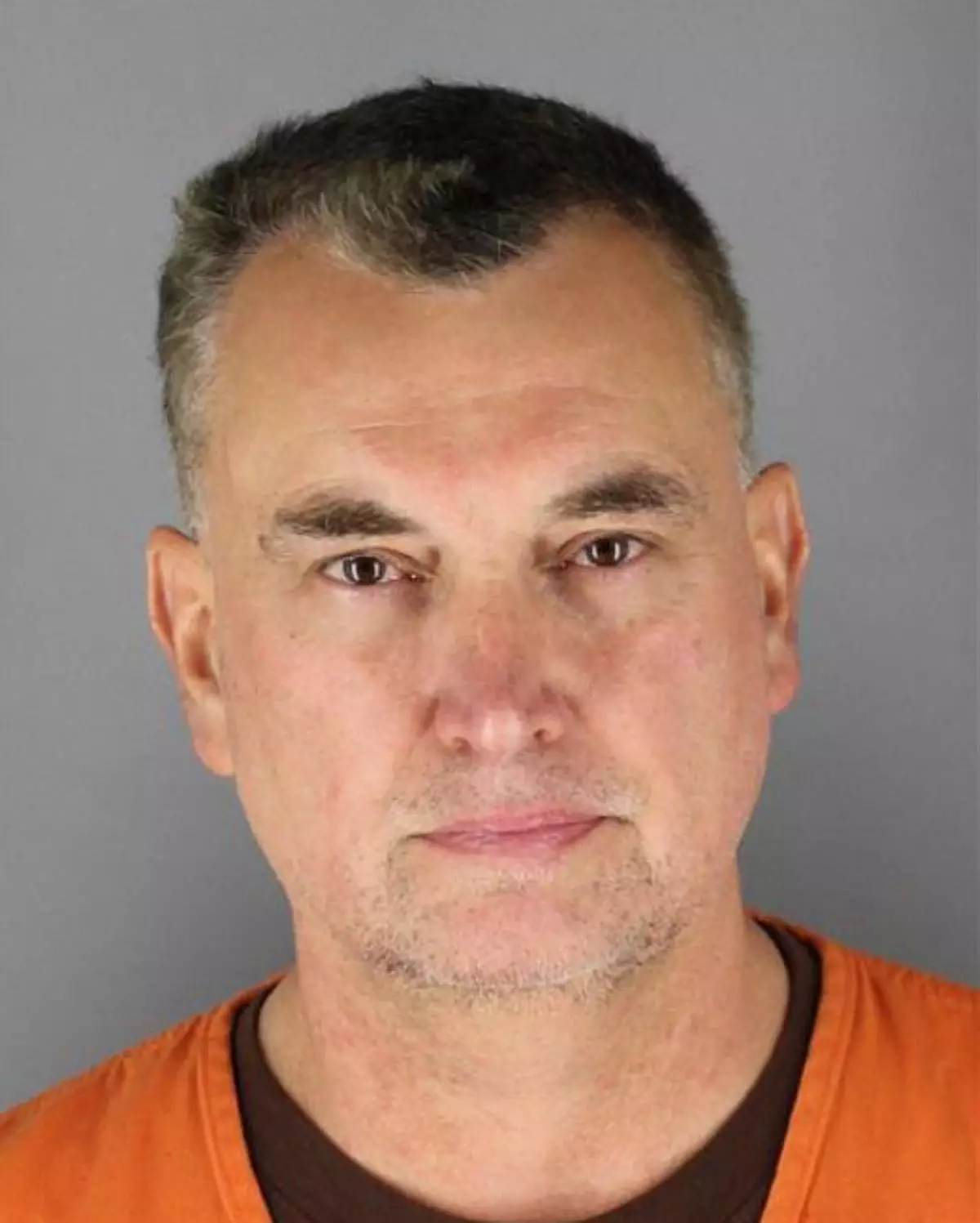
FILE - This booking photo provided by the Hennepin County Sheriff's Office shows Vance Boelter in Green Isle, Minn., on June 16, 2025. (Hennepin County Sheriff's Office via AP, File)

FILE - This booking photo provided by the Hennepin County Sheriff's Office shows Vance Boelter in Green Isle, Minn., on June 16, 2025. (Hennepin County Sheriff's Office via AP, File)

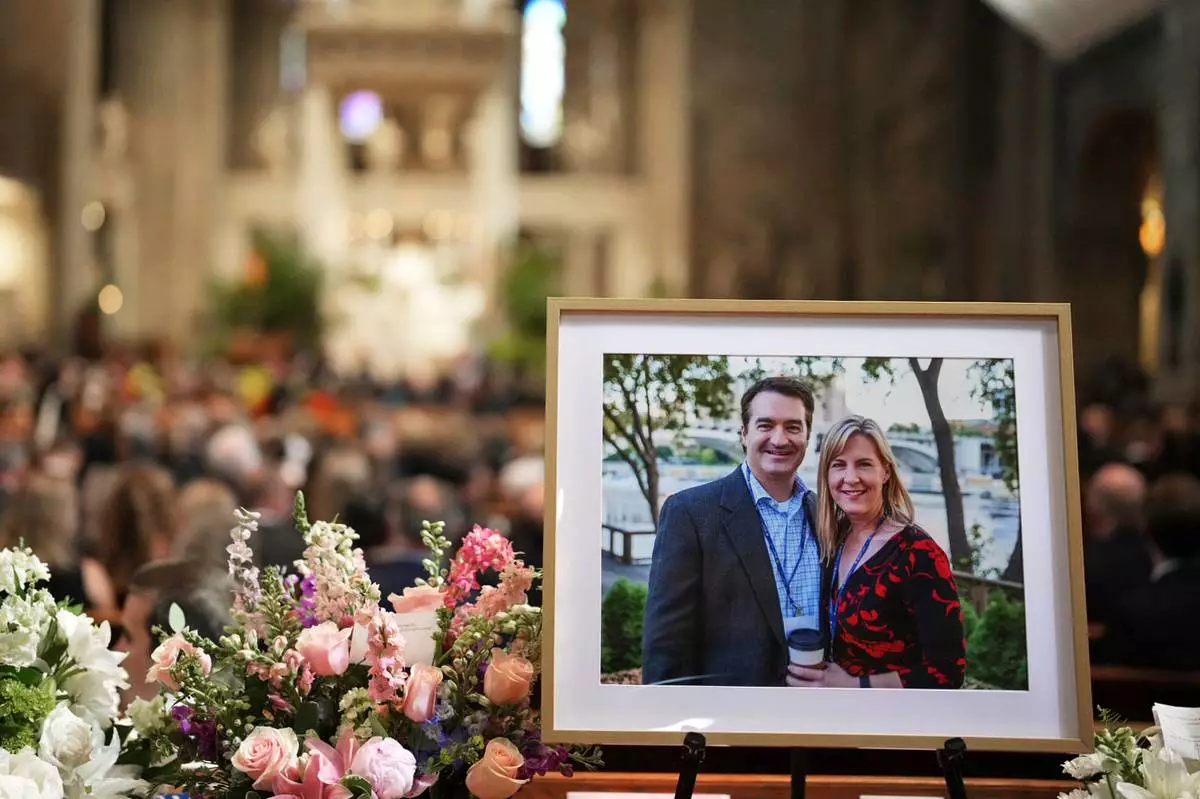
FILE - A photo of Mark and Melissa Hortman is displayed during their funeral service inside the sanctuary at the Basilica of St. Mary's in Minneapolis on June 28, 2025. (Alex Kormann/Star Tribune via AP, Pool, File)

FILE - A photo of Mark and Melissa Hortman is displayed during their funeral service inside the sanctuary at the Basilica of St. Mary's in Minneapolis on June 28, 2025. (Alex Kormann/Star Tribune via AP, Pool, File)

Recommended Articles