The U.S. dollar weakened in late trading on Thursday.
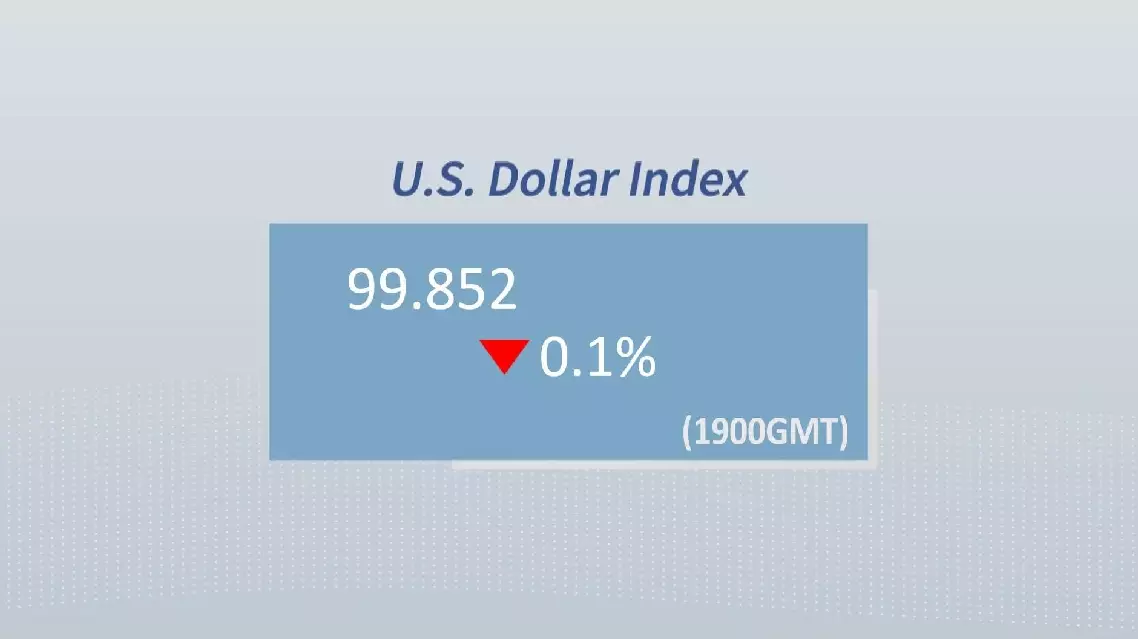
The dollar index, which measures the greenback against six major peers, dropped 0.1 percent to 99.852 at 3 p.m. (1900 GMT).
In late New York trading, the euro increased to 1.1558 U.S. dollars from 1.1548 dollars in the previous session, and the British pound climbed to 1.3398 dollars from 1.3380 dollars in the previous session.
The U.S. dollar bought 160.08 Japanese yen, lower than 160.50 Japanese yen of the previous session. The U.S. dollar decreased to 0.7970 Swiss francs from 0.7994 Swiss francs, and it increased to 1.3981 Canadian dollars from 1.3937 Canadian dollars. The U.S. dollar fell to 9.4759 Swedish kronor from 9.4948 Swedish kronor.
U.S. dollar ticks down
U.S. stocks closed higher on Thursday after U.S. President Donald Trump announced he had called off planned strikes on Iran scheduled for the evening.
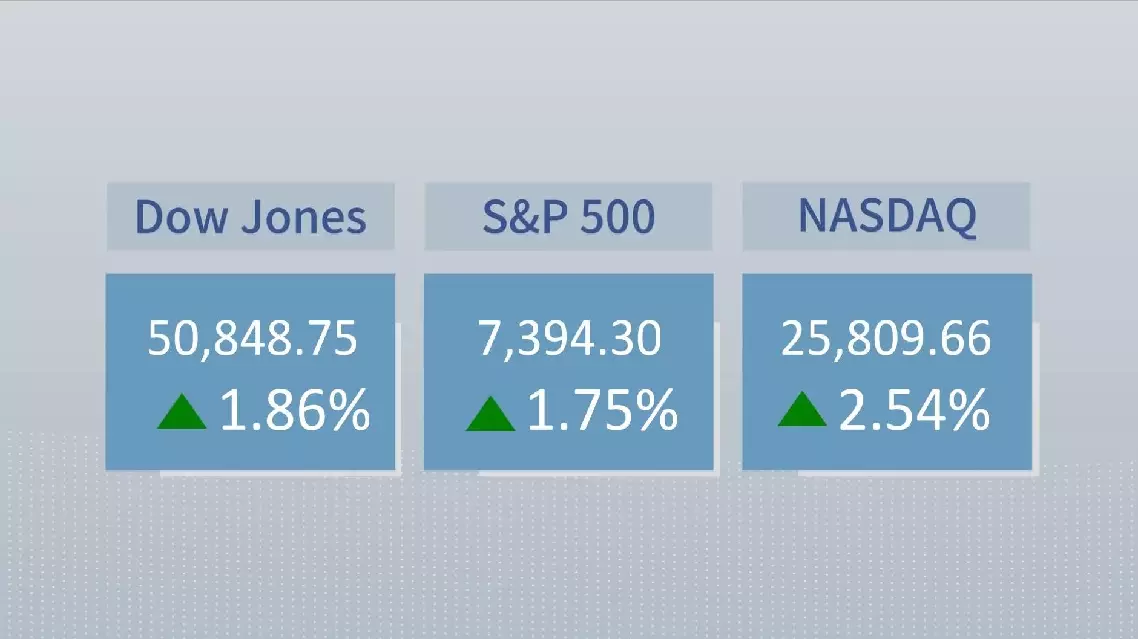
The Dow Jones Industrial Average rose 929.97 points, or 1.86 percent, to 50,848.75. The S&P 500 added 127.31 points, or 1.75 percent, to 7,394.30. The Nasdaq Composite Index increased by 640.158 points, or 2.54 percent, to 25,809.66.
Eight of the 11 primary S&P 500 sectors ended in the green, with materials and industrials leading the gainers by rising 3.26 percent and 3.25 percent, respectively. Energy and consumer staples led the laggards by decreasing 2.06 percent and 0.47 percent, respectively.
Oil prices dropped after Trump wrote on Truth Social that he had "cancelled the scheduled strikes and bombings against Iran this evening."
The West Texas Intermediate for July delivery lost 2.32 U.S. dollars, or 2.58 percent, to settle at 87.71 dollars a barrel on the New York Mercantile Exchange. Brent crude for August delivery decreased by 2.72 dollars, or 2.92 percent, to settle at 90.38 dollars a barrel on the London ICE Futures Exchange.
Chipmakers led the advance, with notable gains in Micron Technology, Advanced Micro Devices, and Intel, which helped offset earlier pressure on the technology sector.
On the economic front, wholesale inflation for May came in higher than expected, the U.S. Bureau of Labor Statistics reported. The producer price index for final demand rose 1.1 percent from the previous month and 6.5 percent from a year earlier.
In corporate news, Oracle dropped 8.53 percent despite reporting quarterly earnings that beat analyst expectations, as investors reacted to disappointing cloud revenue growth and the company's plans for an equity and debt offering.
The market's primary focus this week remains Friday's highly anticipated public debut of Elon Musk's SpaceX, which is expected to be the largest initial public offering in history.
U.S. stocks rebound after Trump calls off strikes on Iran