Hospital Authority statement on dismissal of intern doctor
The following is issued on behalf of the Hospital Authority:
The Hospital Authority (HA) today (June 12) issued the following statement regarding the dismissal of an intern doctor:
The HA holds doctors to the highest standards of professional conduct, behaviour, and discipline. The HA insists that all doctors serving patients in public hospitals must possess both medical competence and conduct themselves in a professional manner. In addition to having professional knowledge to treat patients, they must uphold the strictest professional conduct and place patient well-being, privacy, safety, and care as their foremost priority at all times. The HA has absolutely zero tolerance for any form of behaviour that undermines the professional conduct of doctors. The HA will not permit any doctors concerned to practise in public hospitals to safeguard patient safety.
Upon becoming aware of recent discussions on social media posts regarding a series of improper acts by an intern doctor, the HA has taken action to establish an investigation panel to follow up on the event seriously. The panel has completed its investigation and determined that the intern doctor was involved in a series of improper act. The HA has taken action today to dismiss the intern doctor immediately.
During its investigation, the panel conducted interviews with the intern doctor and relevant healthcare staff, and carried out a detailed review of various evidence, including clinical and computer system records. The panel concluded that the intern doctor was involved in several serious improper act, including:
 Breach of the professional conduct and integrity expected of doctors;
Infringement of patient privacy and professional confidentiality; and
Failure to faithfully follow instructions in performing medical procedures.
Breach of the professional conduct and integrity expected of doctors;
Infringement of patient privacy and professional confidentiality; and
Failure to faithfully follow instructions in performing medical procedures.
The HA has notified the intern doctor of the dismissal decision, and has also informed the medical school of the relevant university for appropriate follow-up. The HA will continue to investigate the event. If it is determined that any other doctors were involved in improper act, the HA will deal with the issue with the utmost seriousness and without leniency, in order to uphold doctors' professional conduct and safeguard patient safety.
The HA spokesperson reiterates that the HA will not tolerate any conduct that undermines patient safety or doctors' professional conduct, and strongly condemns such conduct.
Source: AI-found images
FEHD releases second batch of gravidtrap indexes for Aedes albopictus in June
The Food and Environmental Hygiene Department (FEHD) today (June 12) released the second batch of gravidtrap indexes and density indexes for Aedes albopictus in June, covering 13 survey areas, as follows:
District |
Survey Area |
June 2026 |
First Phase Gravidtrap Index |
First Phase Density Index |
Eastern |
Chai Wan |
17.7% |
1.0 |
Wan Chai |
Wan Chai |
5.5% |
1.0 |
Kowloon City |
Kowloon Tong |
8.1% |
1.8 |
Kwun Tong |
Lam Tin and Sau Mau Ping |
42.9% |
1.4 |
Yau Tsim |
Tsim Sha Tsui East and King's Park |
5.7% |
1.0 |
North |
Fanling North |
2.5% |
1.0 |
Sha Tin |
Sha Tin Town Centre and Fo Tan |
10.9% |
1.2 |
Tai Po |
Tai Po East |
9.4% |
1.2 |
Kwai Tsing |
Kwai Chung East |
4.7% |
1.5 |
Tsuen Wan |
Sheung Kwai Chung |
0.0% |
N/A |
Tuen Mun |
So Kwun Wat |
6.9% |
1.0 |
District |
Survey Area |
June 2026 |
Area Gravidtrap Index |
Area Density Index |
Kwun Tong |
Yau Tong and Cha Kwo Ling |
10.3% |
1.5 |
North |
Fanling South |
18.2% |
1.2 |
With reference to the data from the past few years, the gravidtrap indexes start to rise from April every year. The indexes are higher from May to June. The actual timing and extent of the rise are affected by factors like weather conditions and rainfall. As compared with last year, the temperature began to climb earlier this year and the rainfall in April and May increased substantially, creating favourable conditions for mosquito growth and breeding. As a result, the rise in gravidtrap indexes occurred earlier this year. Depending on factors like rainfall, the indexes may rise further, but the overall trend of gravidtrap indexes this year is similar to those of previous years.
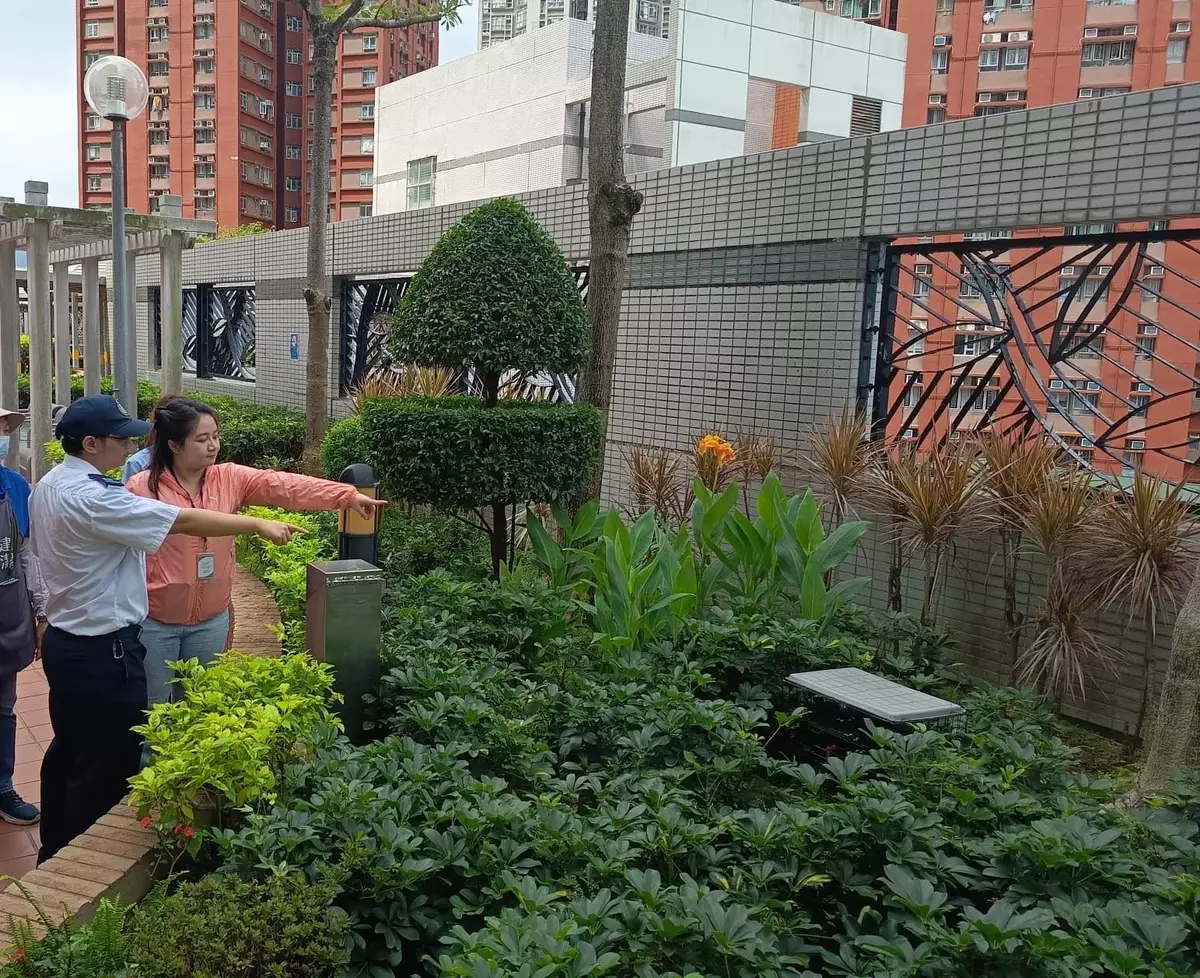
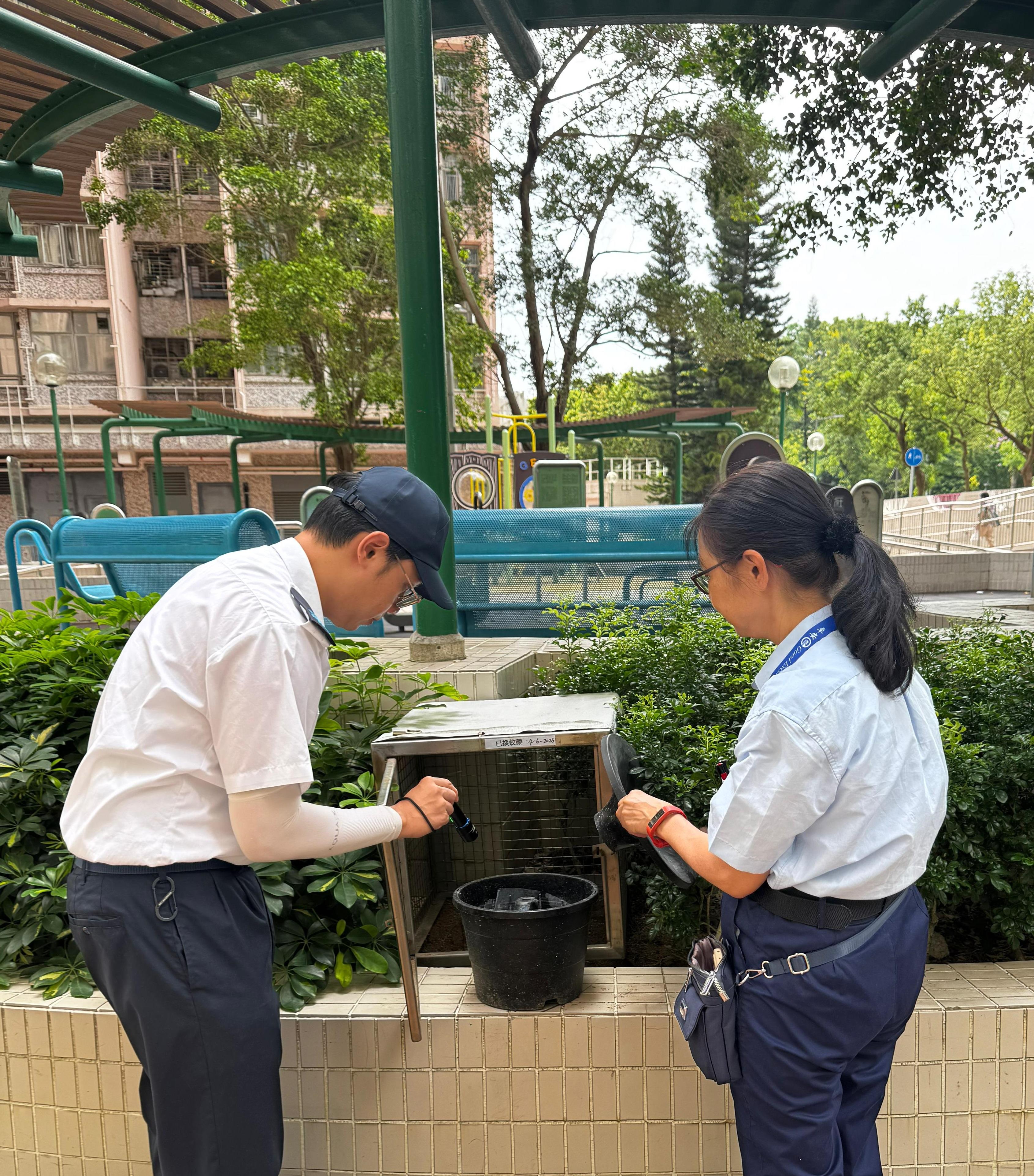
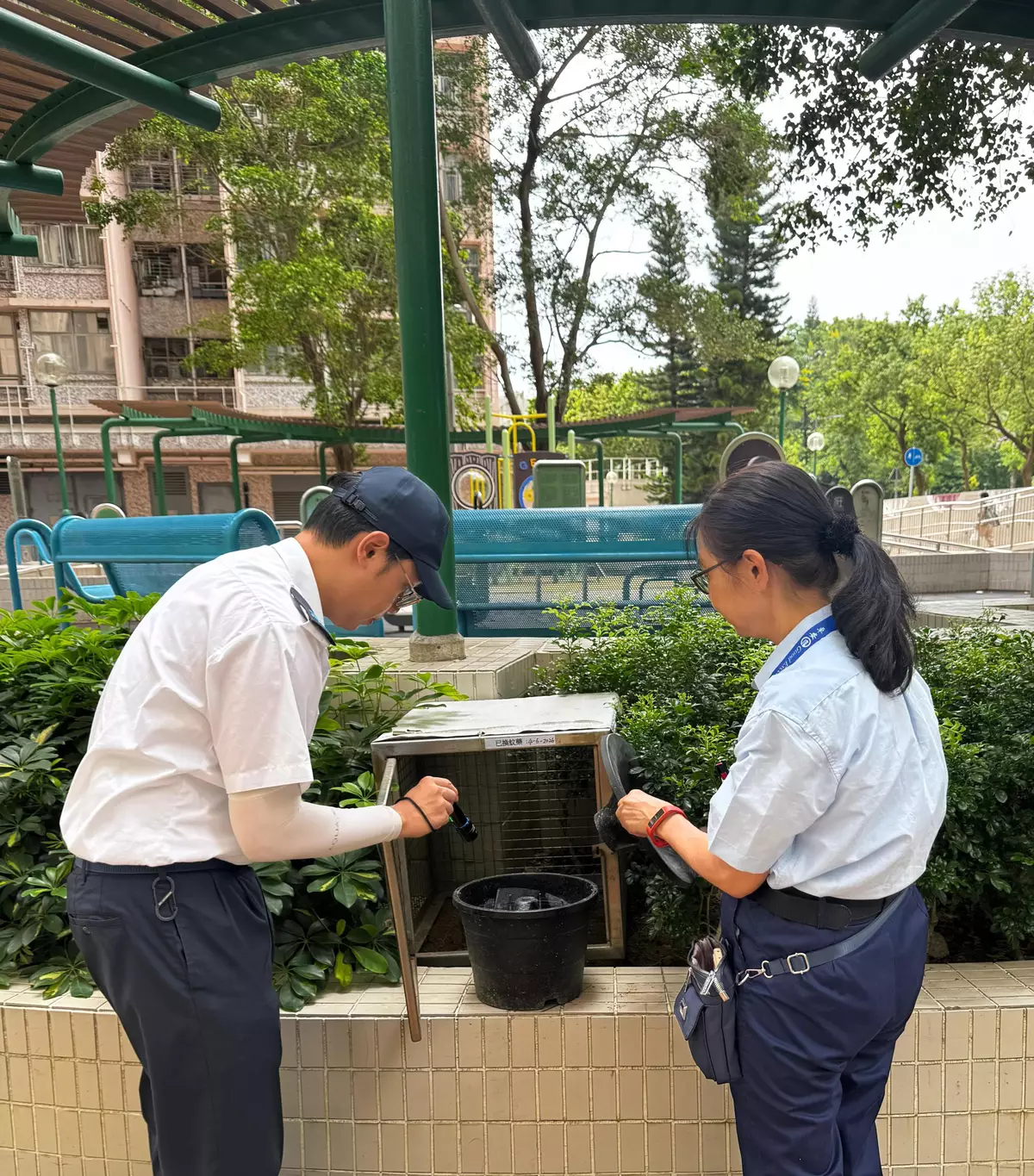
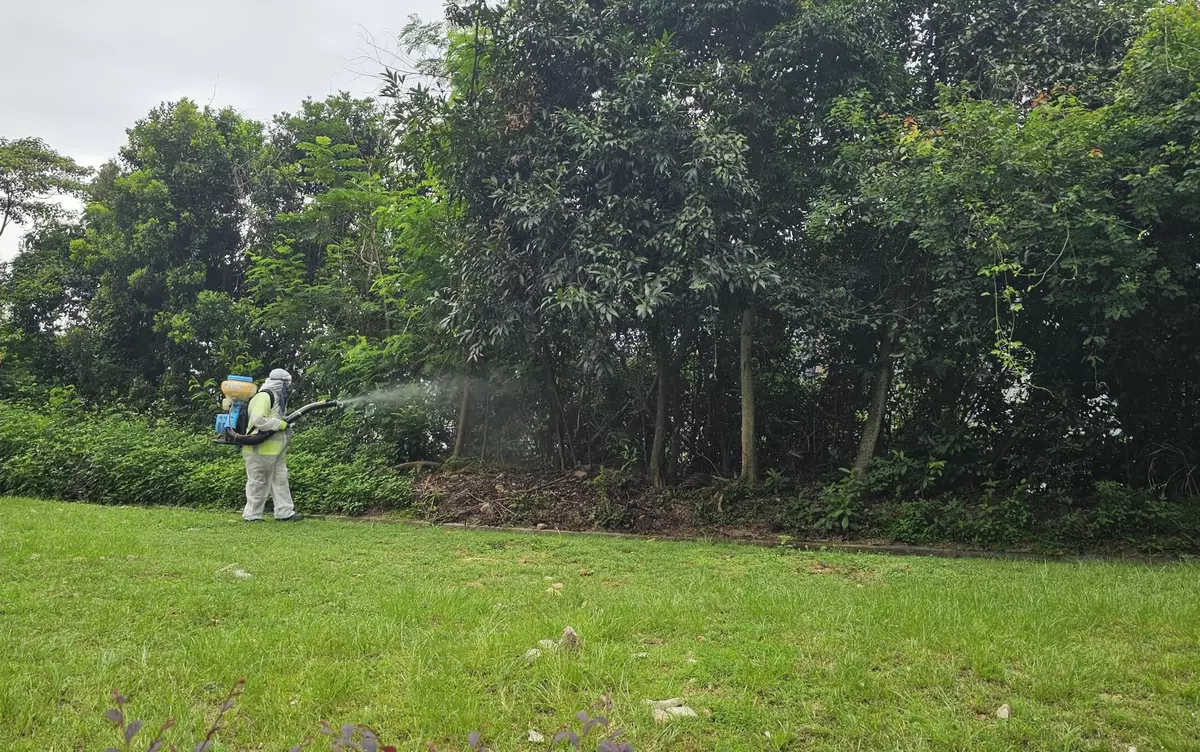
For survey areas which recorded indexes exceeding 10 per cent, in accordance with the mechanism implemented by the FEHD in response to the chikungunya fever (CF) situation (i.e. strengthening mosquito control work in areas with a gravidtrap index between 10 per cent and 20 per cent, instead of 20 per cent or above under the original mechanism), the FEHD is collaborating with relevant departments and stakeholders to identify locations with high mosquito infestations and carry out intensive and targeted mosquito control measures, including eliminating mosquito breeding grounds, applying larvicides, conducting fogging operations to eradicate adult mosquitoes, and ensuring that mosquito trapping devices are placed at appropriate locations, as well as to strengthen efforts in publicity and education. Moreover, the FEHD has initiated three prosecutions against the relevant estate management company and property management companies following the discovery of mosquito breeding respectively at a public housing estate and two private housing estates in Kwun Tong District. In addition, following the discovery of stagnant water or stagnant water containers in three public housing estates and three private housing estates in Kwun Tong District and North District, the FEHD has issued six statutory notices to the responsible persons-in-charge, requiring the clearance of such items within a specified timeframe. The FEHD, the relevant departments and stakeholders also organise exhibitions, distribute leaflets and posters, and notify residential estates that have subscribed to the gravidtrap Rapid Alert System, advising property management agents and residents to stay vigilant and work together in taking mosquito prevention and elimination measures.
Public participation is crucial to the effective control of mosquito problems. The FEHD appeals to members of the public to continue to work together in strengthening personal mosquito control measures, including:
tidy up their premises and check for any accumulation of water inside the premises;
remove all unnecessary water collections and eliminate the sources;
check household items (those placed in outdoor and open areas in particular), such as refuse containers, vases, air conditioner drip trays, and laundry racks to prevent stagnant water;
change water in flower vases and scrub their inner surfaces thoroughly, and remove water in saucers under potted plants at least once a week;
properly cover all containers that hold water to prevent mosquitoes from accessing the water;
properly dispose of articles that can contain water, such as disposable meal boxes and empty cans; and
scrub drains and surface sewers with alkaline detergent at least once a week to remove any mosquito eggs.
Starting in August 2025, following the completion of the surveillance of individual survey areas, and once the latest gravidtrap index and the density index are available, the FEHD has been disseminating relevant information through press releases, its website and social media. It aims to allow members of the public to quickly grasp the mosquito infestation situation and strengthen mosquito control efforts, thereby reducing the risk of CF transmission.
Following recommendations from the World Health Organization and taking into account the local situation in Hong Kong, the FEHD sets up gravidtraps in districts where mosquito-borne diseases have been recorded in the past, as well as in densely populated places such as housing estates, hospitals and schools to monitor the breeding and distribution of Aedes albopictus mosquitoes, which can transmit CF and dengue fever. At present, the FEHD has set up gravidtraps in 62 survey areas of the community, with a surveillance period of two weeks. During the surveillance period, the FEHD will collect the gravidtraps once a week. After the first week of surveillance, the FEHD will immediately examine the glue boards inside the retrieved gravidtraps for the presence of adult Aedine mosquitoes to compile the Gravidtrap Index (First Phase) and Density Index (First Phase). At the end of the second week of surveillance, the FEHD will instantly check the glue boards for the presence of adult Aedine mosquitoes. Data from the two weeks of surveillance will be combined to obtain the Area Gravidtrap Index and the Area Density Index. The gravidtrap and density indexes for Aedes albopictus in different survey areas, as well as information on mosquito prevention and control measures, are available on the department's webpage (www.fehd.gov.hk/english/pestcontrol/dengue_fever/Dengue_Fever_Gravidtrap_Index_Update.html#).
Photo
FEHD releases second batch of gravidtrap indexes for Aedes albopictus in June Source: HKSAR Government Press Releases
FEHD releases second batch of gravidtrap indexes for Aedes albopictus in June Source: HKSAR Government Press Releases
FEHD releases second batch of gravidtrap indexes for Aedes albopictus in June Source: HKSAR Government Press Releases