Russia is showcasing its latest defense technologies at the international naval salon "Fleet-2026" in St. Petersburg.
The four-day international maritime defense show opened on Wednesday. The organizers are the Russian Federation's Ministry of Industry and Trade and the Ministry of Defense.
Around 210 military industrial enterprises from Russia and other countries are participating in the exhibition, which has also drawn delegations from 27 countries.
Several Russian new-type frigates and submarines are on display at the event, where the organizers said that one focus is the development of maritime unmanned systems.
The biennial event started in 2003.
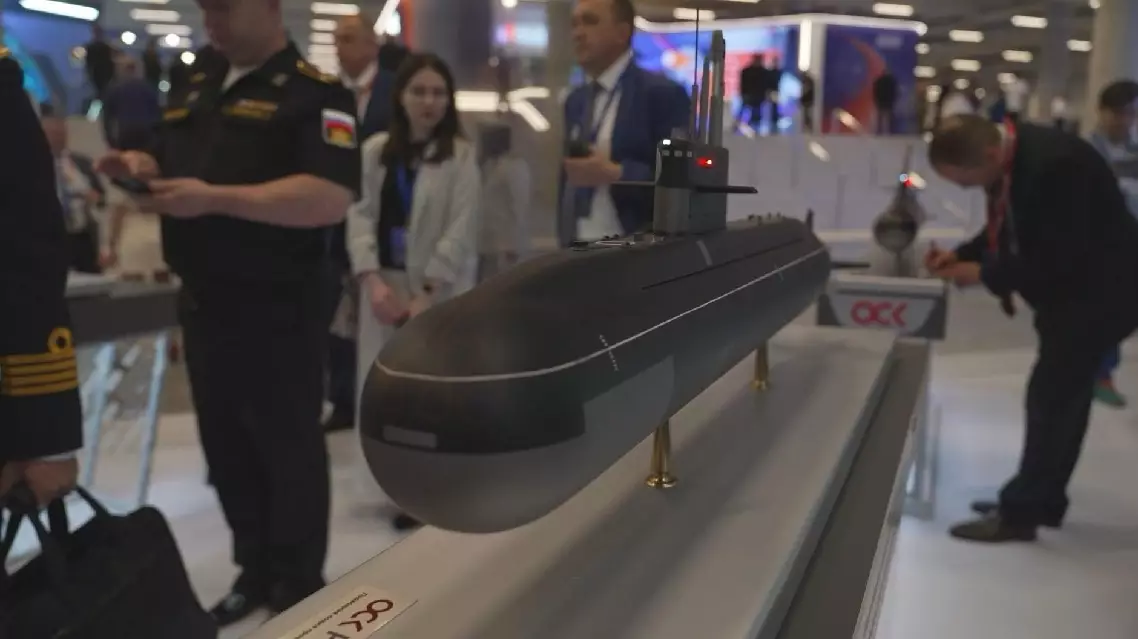
Russia showcases defense technologies at naval salon
A top Iranian security official has said that the United States has accepted some of Iran's seven conditions for reopening the Strait of Hormuz, while uncertainty remains over Tehran's other terms, according to local media on Sunday.
In an interview with state-run Press TV, which was published on Sunday, Secretary of Iran's Supreme National Security Council Mohsen Rezaei elaborated on the latest messages and proposals exchanged between Tehran and Washington to cease hostilities and reopen the Strait of Hormuz.
"Over the past two months, `the Americans have requested us through three different channels, namely Pakistan, Qatar and even Iraq, to submit our proposals to them. We announced seven conditions to the Americans and explicitly told them that the Strait of Hormuz will not be opened to them and there will be no negotiation unless these conditions are met," Rezaei said.
"The Americans have now responded to us. In their response, they have accepted some of our conditions while some others' situation remains unclear and there exist some ambiguities," he added.
He also said that if the United States launches another "aggression" against Iran, its assets, including key data systems and artificial intelligence (AI) sensors, in the West Asia region will be targeted.
He noted that the United States possesses many highly valuable assets in the United Arab Emirates and around the Strait of Hormuz, which Iran has not yet included among its targets, warning that if the war erupts again, many of the cables, data centers, AI facilities, and other sites in the region will be destroyed.
He underlined that Iran will not return to its previous diplomatic norms, but will never completely abandon diplomacy, saying the country will be the side to determine the confrontation's end, and will continue to resist until all its "legitimate" demands are met.
On Feb 28, Israel and the United States launched joint attacks on Tehran and other Iranian cities. Iran responded with waves of missile and drone attacks targeting Israel and U.S. bases and assets in the region, and tightened its grip on the Strait of Hormuz.
A ceasefire was achieved between the warring parties on April 8. On June 18, Iran and the United States signed a memorandum of understanding (MoU) on ending the war in the region on all fronts.
Under the MoU, the two countries were scheduled to hold negotiations within 60 days, ending on Aug 17, to reach a final agreement on Iran's nuclear program and the removal of sanctions. However, the two sides failed to make sufficient progress toward a deal as tensions continued to escalate.
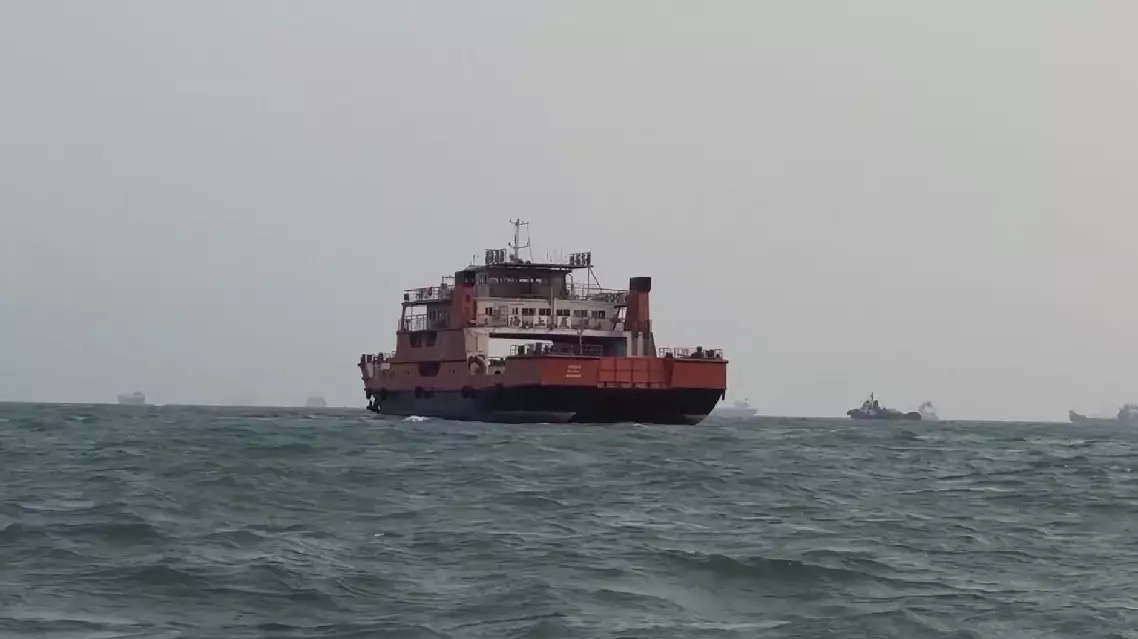
U.S. accepts some of Iran's conditions, status of others remains unclear: security official