The number of confirmed Ebola cases in the Democratic Republic of the Congo (DRC) has risen to 689, including 139 deaths, according to the latest situation report released on Friday by the country's health authorities.
A total of 17 new confirmed cases, including five deaths, were reported on Thursday, all in the eastern province of Ituri, the report said. The outbreak, caused by the Bundibugyo strain of the Ebola virus, has affected 29 health zones across three eastern provinces, namely Ituri, North Kivu and South Kivu.
A total of 168 suspected cases, including 64 deaths, had been reported as of Thursday.
The report also highlighted several operational challenges, including reluctance to undergo post-mortem swabbing, insufficient capacity in Ebola treatment centers, shortages of infection prevention and control materials in North Kivu, weak alert reporting across the three provinces, and a funding gap of 21.5 million U.S. dollars.
Two Ebola-related deaths have been reported in a camp for internally displaced people in Ituri, according to a report released on Thursday by the United Nations High Commissioner for Refugees.
The current outbreak, officially declared on May 15 by the DRC's health ministry, is the country's 17th Ebola outbreak since the virus was identified in 1976.
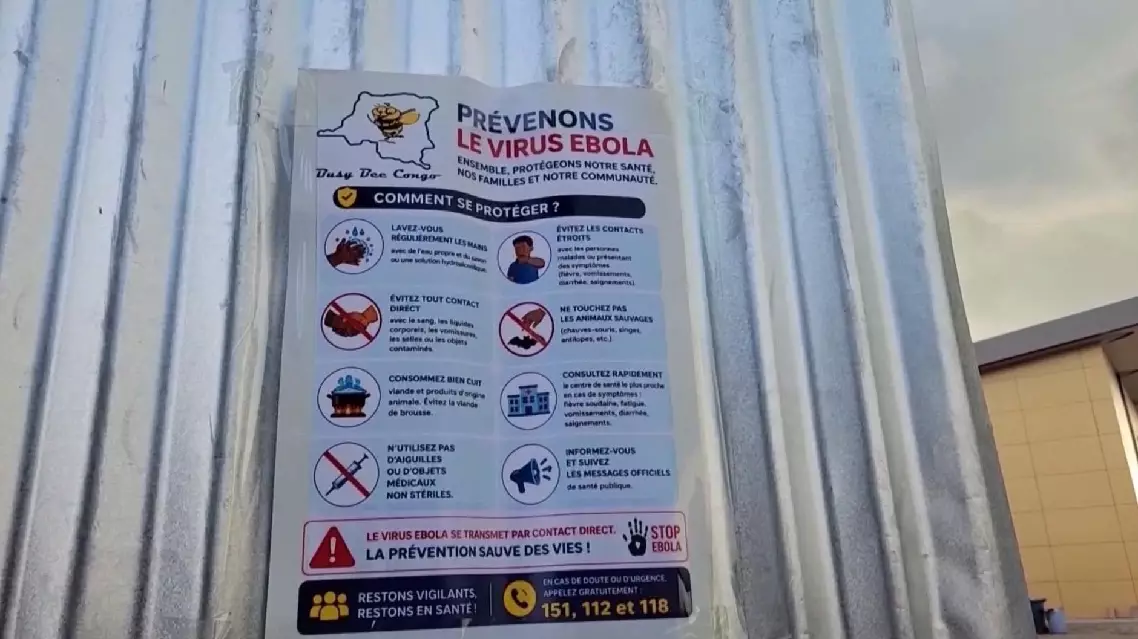
Ebola cases in DR Congo rise to 689, death toll reaches 139
The first batch of five autonomous region-level archaeological site parks in southwest China's Xizang Autonomous Region was officially inaugurated on Saturday at an event for the Cultural and Natural Heritage Day, marking a new step in the region's archaeological site protection and revitalization.
The five sites include the first Neolithic site discovered in central Xizang. Another showcases the hunting culture of ancient lake-shore communities on the plateau.
Xizang will continue to improve site protection, educational tours, archaeological research, and the construction of public facilities to ensure that archaeological research benefits the public, said Sun Dan, an official with the regional cultural heritage bureau.
China's central government has long attached great importance to protecting cultural resources in Xizang. For instance, China has invested over 110 million yuan (about 16.15 million U.S. dollars) in a conservation and utilization project focused on ancient manuscripts, including the palm-leaf manuscripts of the Potala Palace, according to the region's cultural heritage administration.
In January this year, local cultural and tourism authorities announced that in the fourth national census of cultural relics, Xizang had newly identified 3,346 heritage sites, ranking among the top regions nationwide for new discoveries.
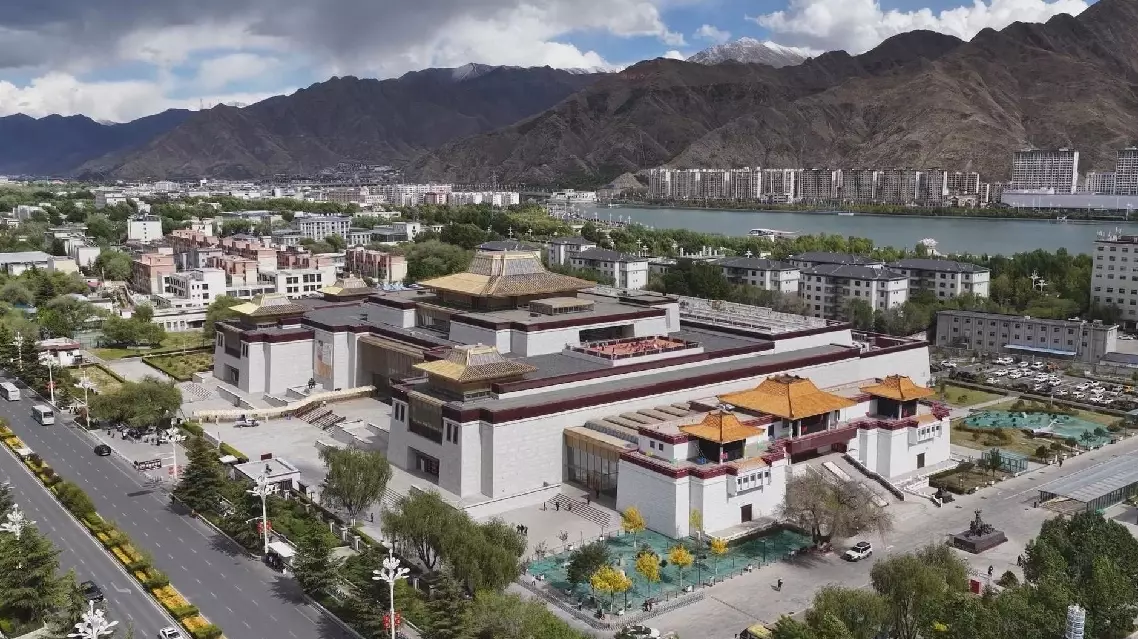
Xizang inaugurates archaeological site parks