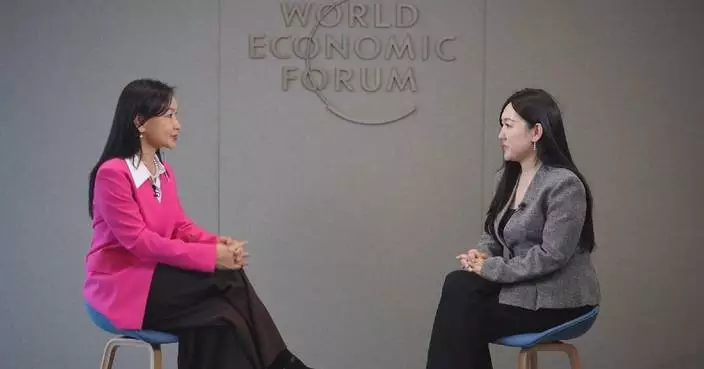
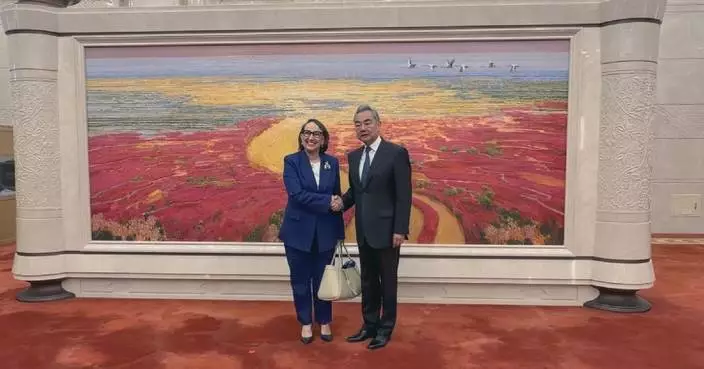
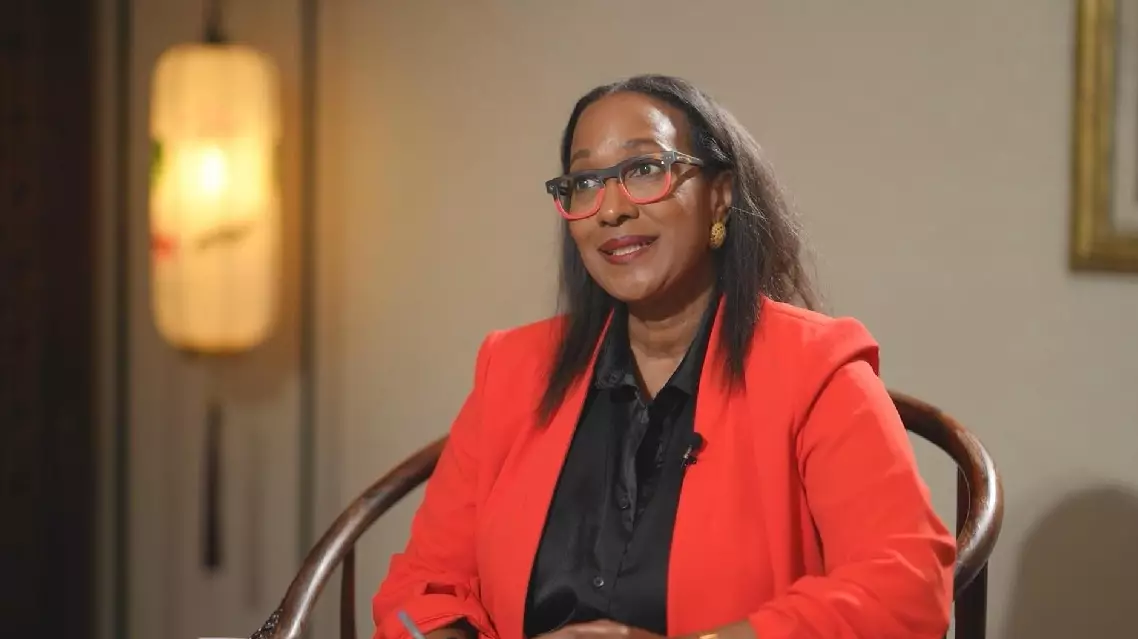
China’s economic resilience stems from strong governance, clear long-term vision and effective execution, said International Trade Center (ITC) Executive Director Pamela Coke-Hamilton in an interview.
Speaking to China Global Television Network (CGTN), Coke-Hamilton highlighted China’s ability to translate plans into sustained growth, noting that its execution since joining the Word Trade Organization (WTO) has reshaped development, while creating opportunities for other countries.
"Just thinking about over the last maybe few years what makes a country grow. And I've found that it's not money, it's not raw materials. It's governance, it's plans, it's execution. And one of the things that China has shown is that vision, that plan and that willingness to execute," said Coke-Hamilton.
"So over the last 25 years, especially since joining the WTO, China has effectively executed the plan and so it has reaped what they've sowed. And I think that it is indicative of a wider vision that China has shown for development, for transformation, for economic growth, and also for enabling other developing countries to see the possibilities. I think what it does portend is that it creates also alternative opportunities for other countries in terms of market space, market access, collaboration, growth, technology transfer, all of these things that many of the developing countries have been calling for and asking for for a long time. So I think it creates that opportunity and it's an unparalleled one," said the executive director.
Coke Hamilton highlighted China’s distinctive business environment, saying its approach to opening the market has created rare opportunities for small and medium sized enterprises (SMEs) to access Chinese consumers.
"I think one of the biggest changes I've seen has been the level of opening, the willingness to negotiate and to see where there have been opportunities where they can open more. One thing that I've never seen done anywhere else is actually hosting an import-export fair where you bring people to sell to you. Generally, countries are seeking to export, export, export, but China has been seeking to open its market to imports and encouraging and bringing those SMEs and other businesses into China," she said.
The executive director said the China International Import Expo (CIIE) has become a gateway for foreign firms to access the Chinese market, noting that the event allows policymakers and entrepreneurs to explore opportunities firsthand.
"We have actually facilitated hundreds. Last year, I think we brought 70 firms to the CIIE Forum. This year, I think we're bringing another 70 or 100 just to be able to showcase. We brought people here from policymakers from Geneva and capitals and also entrepreneurs from these countries to actually be able to see how they can better access the Chinese market," said Coke-Hamilton.
Trade executive lauds China’s governance, execution as keys to economic resilience