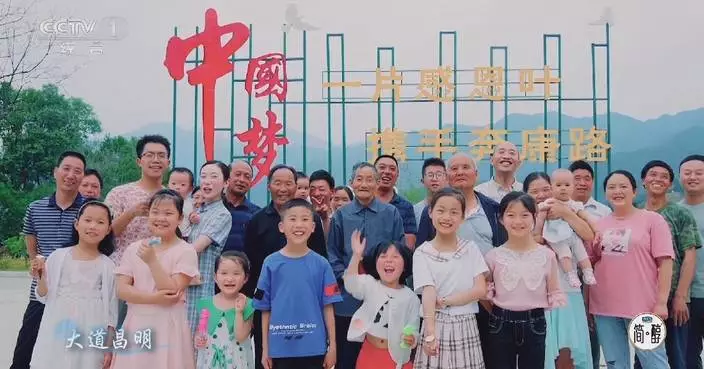
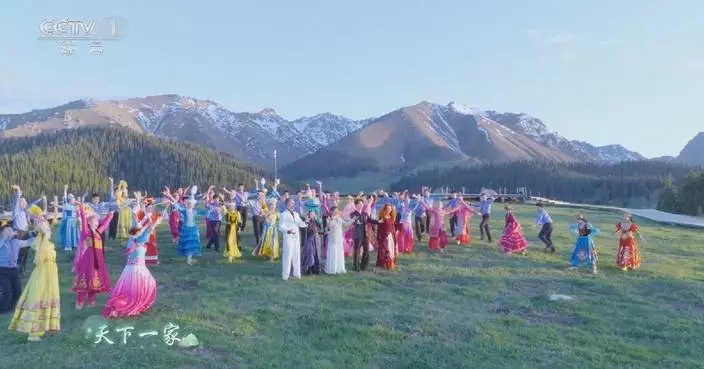
China Media Group (CMG) aired a special program on Friday evening to mark the Duanwu Festival, also known as the Dragon Boat Festival.
Broadcast on CMG's multiple platforms and featuring micro documentaries, the special program has four main parts which were inspired by four sequences of the dragon boat folk customs: Qi Long (dragon awakening), Zhao Jing (villages exchanging invitations for gathering of dragon boats), dragon boat racing, and returning to the shore.
In the time-honored ritual of Qi Long, or dragon awakening, villagers unearth wooden dragon boats that were buried in river silt, clean them, repaint them, and prepare them for racing. It's more than a practical task, but also a spiritual awakening that honors ancestors, prays for good fortune, and signals the return of a thrilling spectacle in summer.
The special program started with a recitation of an excerpt from ancient "Shangshu", one of China's earliest compilations of historical documents.
Celebrated on the fifth day of the fifth month of the Chinese lunar calendar, the festival fell on Friday this year.
Its signature tradition -- dragon boat racing -- dates back over 2,000 years. Today, the racing reflects teamwork, courage, and perseverance, while also serving as a cultural tradition and global sport that bring communities together.
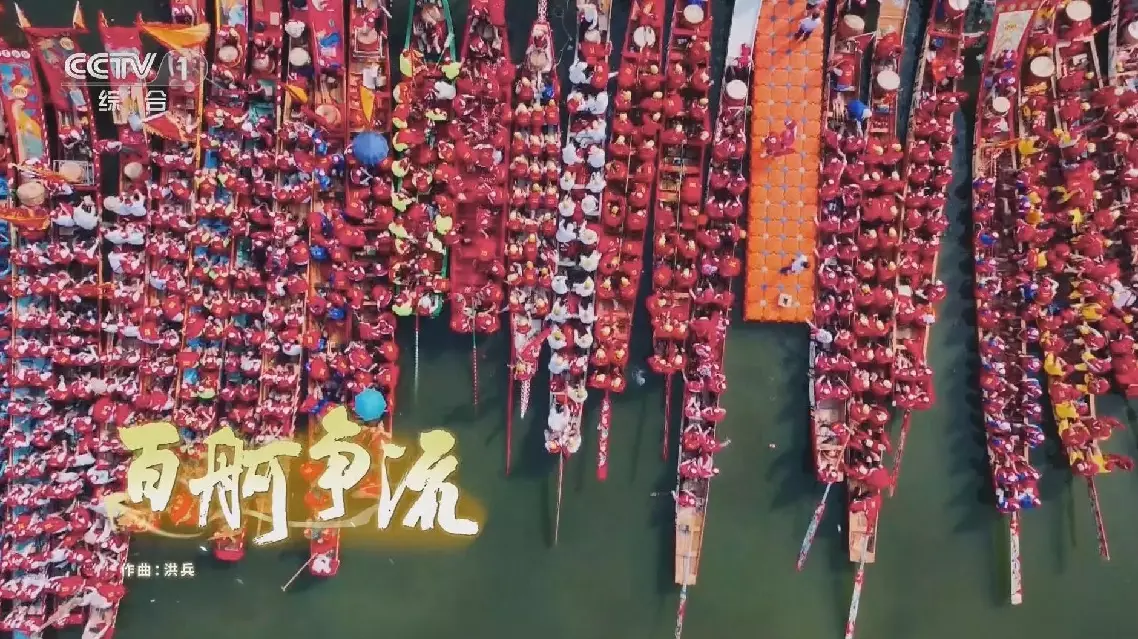
China Media Group presents special program for Duanwu Festival
China Media Group presents special program for Duanwu Festival
Some Iranian citizens are skeptical about the prospects for a lasting peace agreement, after the United States and Iran agreed a Memorandum of Understanding (MoU) that ended more than 100 days of conflict between the two countries.
Iran, the United States and Pakistan early Monday announced the finalization of the MoU on ending the war in the region on all fronts, including Lebanon. The agreement was signed early Thursday by the Iranian president and his U.S. counterpart, Donald Trump.
U.S. Vice President JD Vance said Thursday at a White House briefing that the MoU triggered a 60-day negotiating period that began on Thursday and is due to expire on Aug 17.
On the streets of Tehran, residents expressed mixed reactions towards the MoU, with some voicing wariness based on past experience with negotiations.
"If an agreement is reached and it serves the interests of our country, we support it. However, during the previous two rounds of negotiations we were attacked, and officials must be cautious and take the interests of the Iranian people into account in these talks and agreements, so that they lead to economic prosperity and improved conditions," said Alireza, a Tehran resident.
"We are not at all optimistic about Mr. Trump. During the negotiations, we were attacked twice. I think this time will be the same as before," said Aziz, another Tehran resident.
On Feb. 28, Israel and the United States launched joint attacks on Tehran and other Iranian cities. Iran responded with waves of missile and drone attacks targeting Israel and U.S. bases and assets in the region.
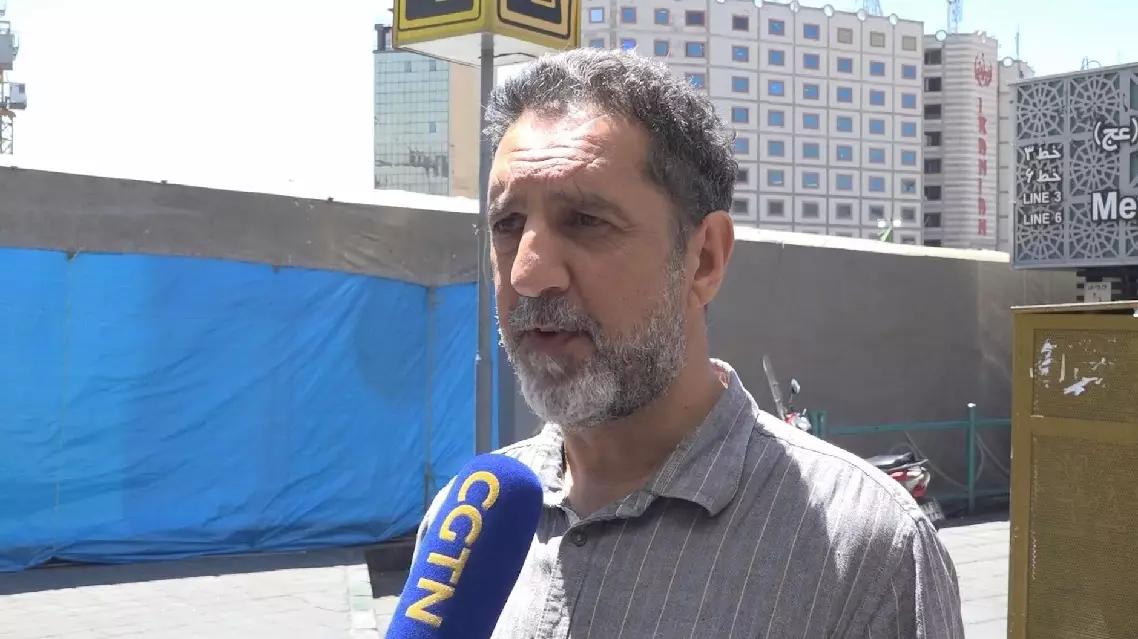
Tehran residents express skepticism following signing of Iran-US MoU