VANCOUVER, British Columbia (AP) — New Zealand might have arrived at this World Cup just happy to be here again. But earning a point in the opener against Iran has opened the door to a run the All Whites have never made.
“We can’t let the occasion get too big,” head coach Darren Bazeley said. “It’s about us winning a game of football.”
Click to Gallery
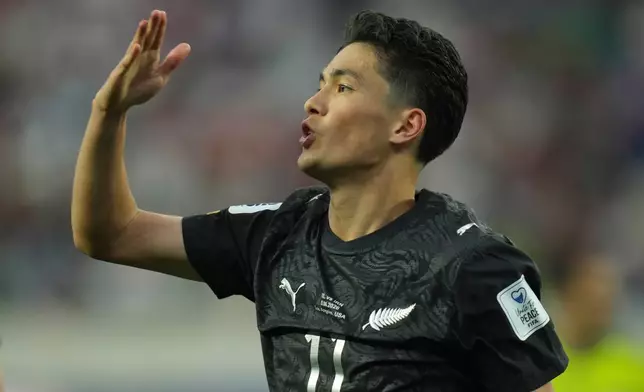
New Zealand's Elijah Just (11) celebrates after scoring a goal during the World Cup Group G soccer match between Iran and New Zealand in Inglewood, Calif., near Los Angeles, Monday, June 15, 2026. (AP Photo/Andre Penner)
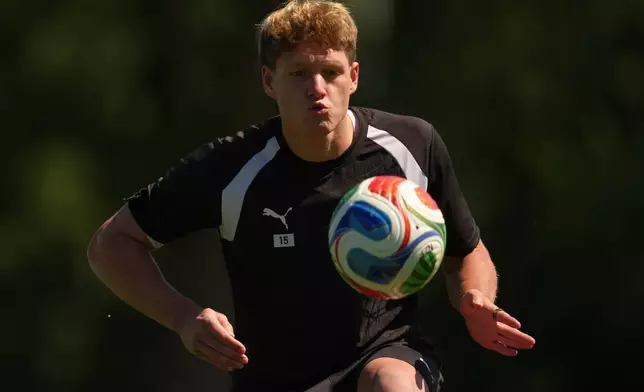
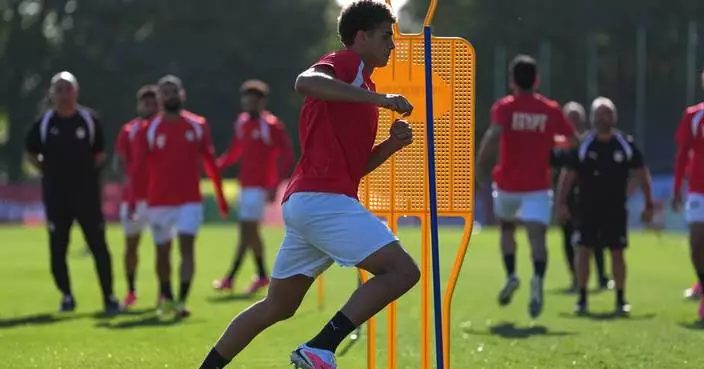
New Zealand's Nando Pijnaker works out during a training session on the eve of the team's FIFA World Cup soccer match against Egypt, Saturday, June 20, 2026, in Vancouver, British Columbia. (AP Photo/Abbie Parr)
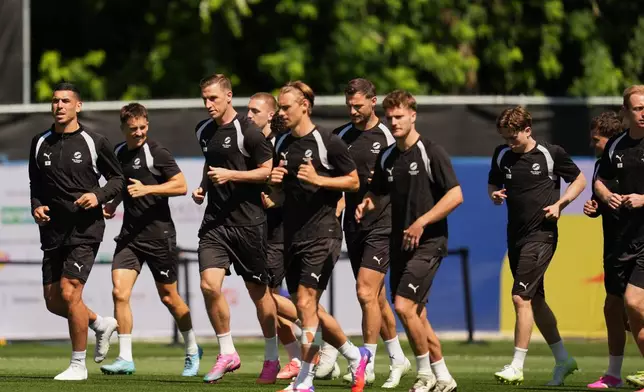
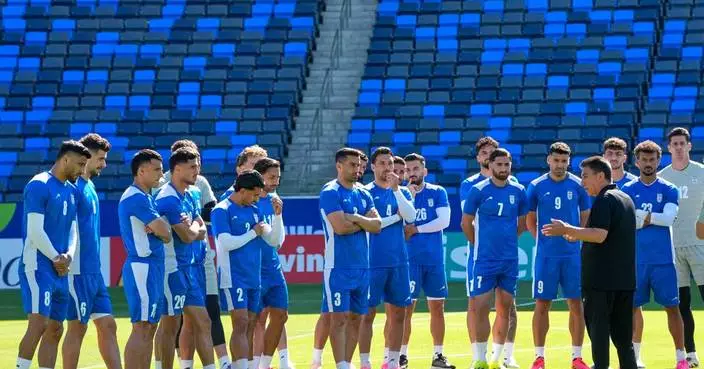
New Zealand players work out during a training session on the eve of the team's World Cup soccer match against Egypt, Saturday, June 20, 2026, in Vancouver, British Columbia. (AP Photo/Abbie Parr)
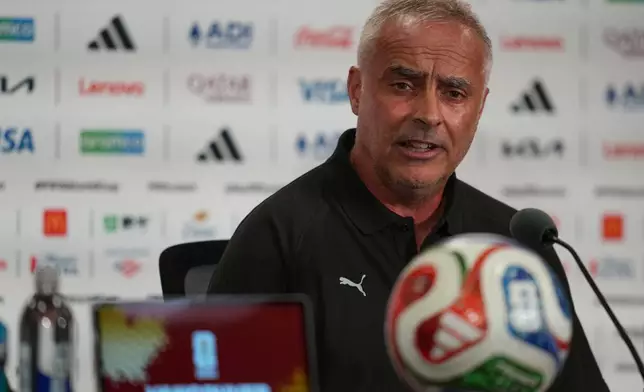
New Zealand head coach Darren Bazeley listens to a question during a press conference on the eve of the team's World Cup soccer match against Egypt, Saturday, June 20, 2026 in Vancouver, British Columbia. (AP Photo/Abbie Parr)
The All Whites enter Sunday’s match against No. 29 Egypt with a chance to move out of the group stage for the first time in their World Cup history. For a nation ranked No. 82, fourth lowest in this year’s expanded 48‑team format, simply getting here for the first time since 2010 might have been enough.
But now, New Zealand has given itself a chance.
“Putting ourselves in such a great position – like this opportunity to create history – we know how good we can be,” midfielder Ben Old said. “It’s just a really exciting moment to be in.”
New Zealand’s presence in this tournament is tied directly to the expanded field. The Oceania Football Confederation (OFC) earned its first-ever automatic berth, and the All Whites claimed it through a three‑step qualifying process that concluded with a 3–0 win over No. 151 New Caledonia.
No. 25 Australia, once the region’s powerhouse, left for the Asian Football Confederation in 2006 in search of stronger competition and a clearer route to the World Cup. Its departure left New Zealand as the dominant team in a confederation where the next‑highest‑ranked team is New Caledonia.
That imbalance is why region matters so much. FIFA allocates its 48 places unevenly.
“It’s not something for us to be scared about,” Bazeley said. “If we’re going to win a World Cup, we have to play against top teams and top players and perform well.”
Larger confederations tend to get more representation across the board. UEFA, for example, gets 16 slots. OFC is granted just one ticket.
In some regions, strong teams miss out entirely. In fact, 17 of FIFA’s 48 top-ranked teams did not qualify this year. Denmark, ranked No. 20, missed this tournament out of UEFA, and No. 14 Italy has missed three straight. If World Cup qualifying was based simply on ranking, No. 48 Venezuela would be the last team in. It is the only team to never qualify out of CONMEBOL, which is granted six automatic berths.
Qualifying often depends heavily on geography rather than global standing.
New Zealand knows its region cannot sharpen it. So it schedules friendlies against higher‑ranked opponents, a strategy that seemingly paid off in the opener in the All Whites’ 2-2 draw against No. 22 Iran.
Midfielder Elijah Just scored both goals Monday, matching New Zealand’s total goal output in each of its previous World Cup appearances in 1982 and 2010. With two group matches left, New Zealand can break its single‑tournament scoring record and chase its first‑ever World Cup win.
“We’re always used to being the underdogs,” Old said. “We’re not afraid to play any of these teams.”
Drew Renner is a student in the University of Georgia’s Carmical Sports Media Institute.
AP World Cup coverage: https://apnews.com/fifa-world-cup
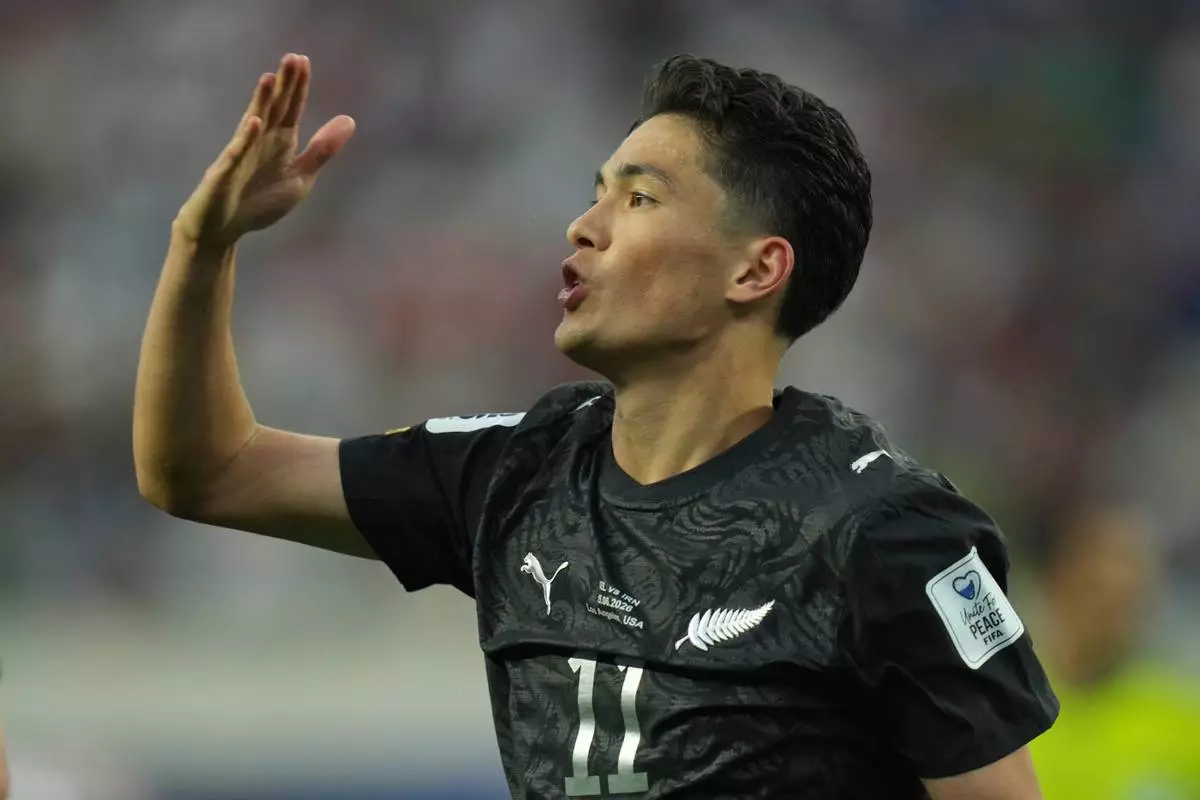
New Zealand's Elijah Just (11) celebrates after scoring a goal during the World Cup Group G soccer match between Iran and New Zealand in Inglewood, Calif., near Los Angeles, Monday, June 15, 2026. (AP Photo/Andre Penner)
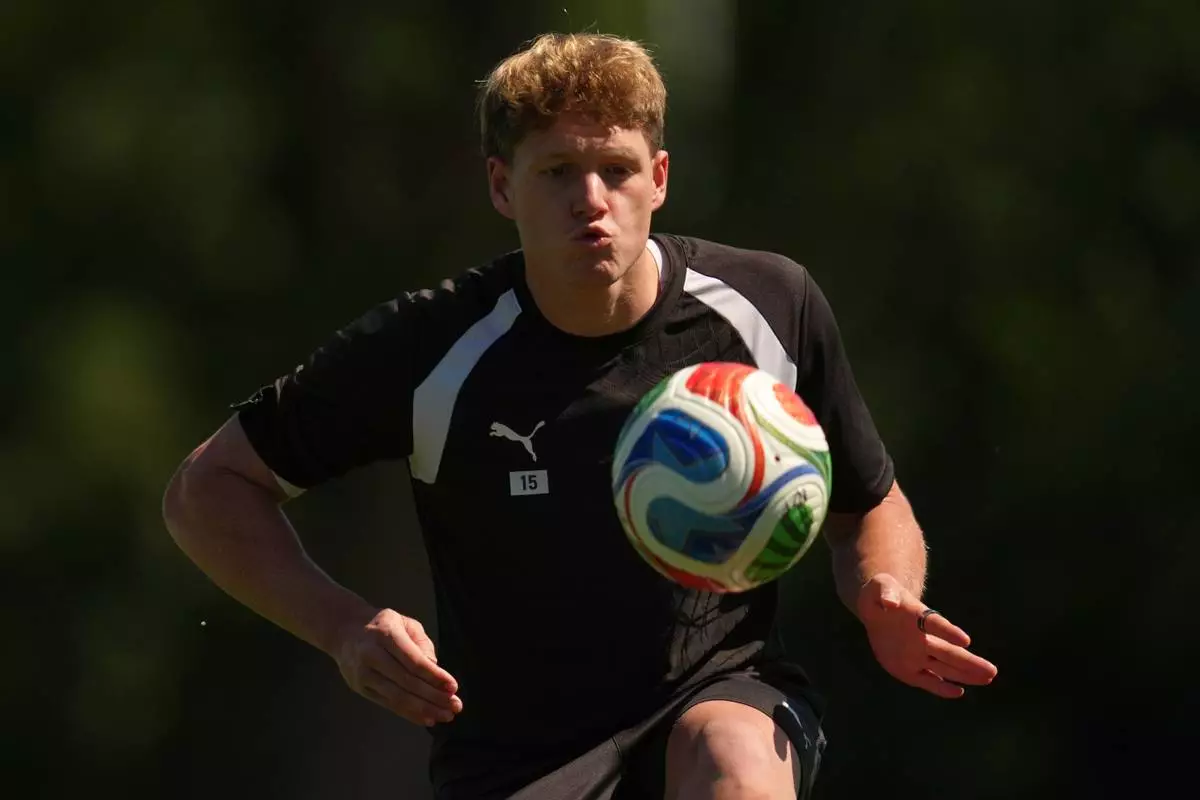
New Zealand's Nando Pijnaker works out during a training session on the eve of the team's FIFA World Cup soccer match against Egypt, Saturday, June 20, 2026, in Vancouver, British Columbia. (AP Photo/Abbie Parr)
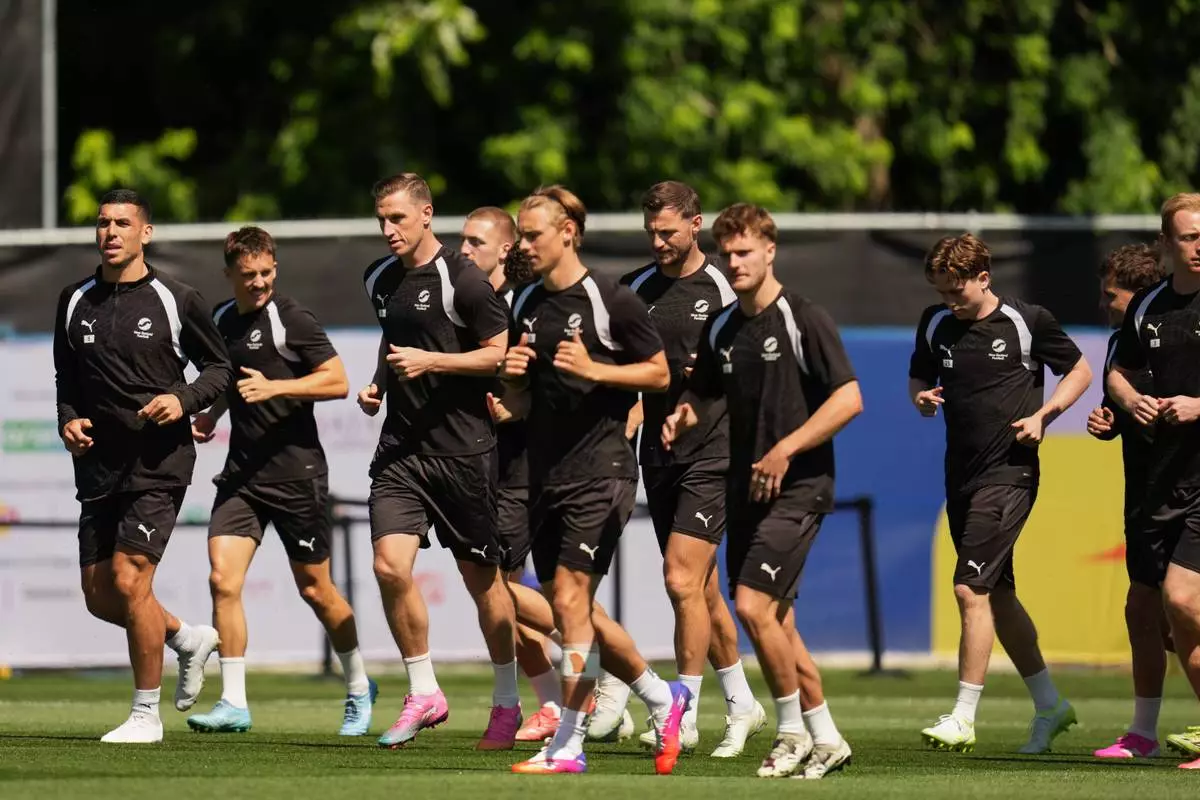
New Zealand players work out during a training session on the eve of the team's World Cup soccer match against Egypt, Saturday, June 20, 2026, in Vancouver, British Columbia. (AP Photo/Abbie Parr)
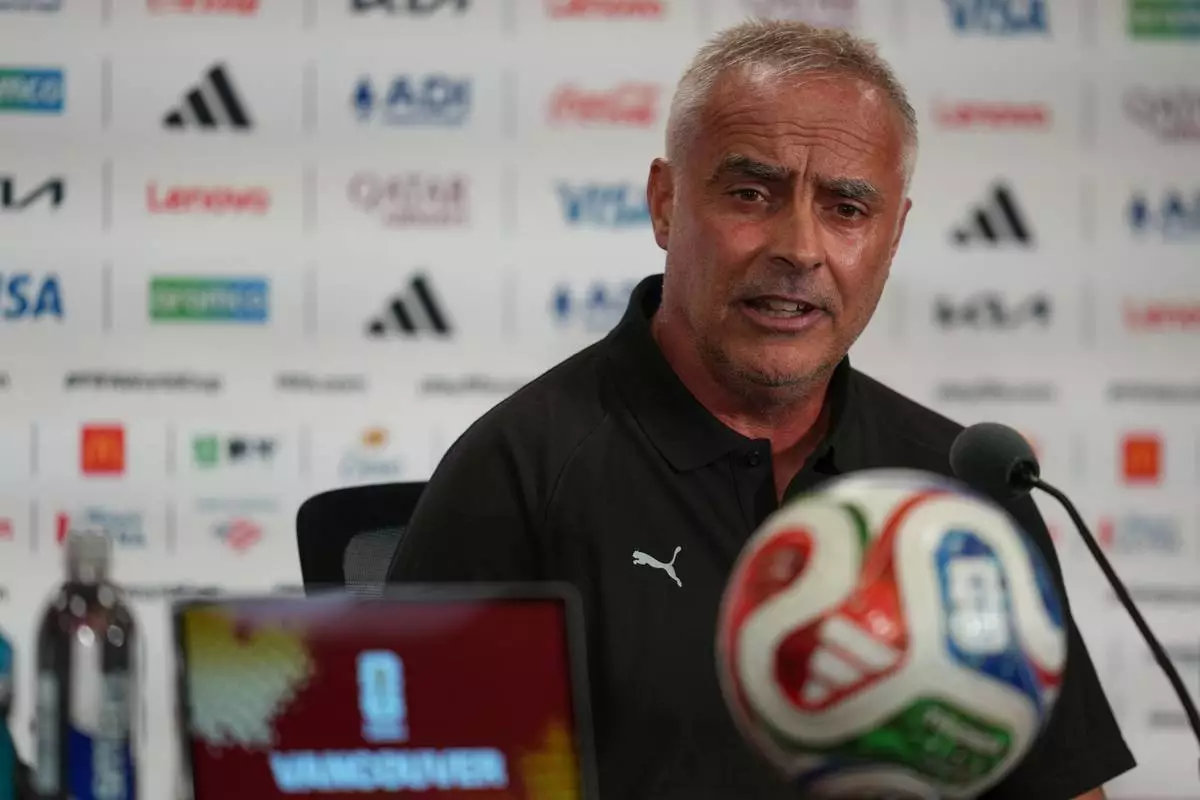
New Zealand head coach Darren Bazeley listens to a question during a press conference on the eve of the team's World Cup soccer match against Egypt, Saturday, June 20, 2026 in Vancouver, British Columbia. (AP Photo/Abbie Parr)