Iran's military on Saturday announced the closure of the Strait of Hormuz, citing Israel's ongoing military operations in southern Lebanon, while the U.S. military said the waterway remains open and traffic continues to flow.
The contradictory claims by Iran and the Untied States have added to confusion just days after a memorandum of understanding (MoU) was signed between the two sides.
Iran's announcement came hours after the U.S. Central Command (CENTCOM) said 55 commercial ships had transited the strait on Saturday, the highest single-day number since Iran effectively shut the waterway earlier in the U.S.-Israeli war against Iran, though still far below the prewar average of about 130 vessels per day.
Iran's Khatam al-Anbiya Central Headquarters, the operational headquarters of the Islamic Republic of Iran Armed Forces, said in a statement that the closure was in response to Israel's "ceasefire violations" and the killing and displacement of Lebanese residents, and that further measures would follow if aggression continues.
The navy of Iran's Islamic Revolution Guard Corps (IRGC) later warned all vessels to stay away from the strategic waterway, saying their safety could not be guaranteed.
Meanwhile, CENTCOM spokesperson Captain Tim Hawkins denied the Iranian claim, saying in a statement that "the strait is open and the U.S. blockade against Iran has ceased."
He also said that traffic in the waterway is "continuing to flow" and the U.S. forces are monitoring the situation to ensure that continues.
U.S. Vice President JD Vance said that there was no evidence of the strait's closure, adding that it would take time to clear mines.
The United States and Iran signed the MoU on June 14, which included provisions to reopen the strait and remove the U.S. naval blockade. However, shipping companies remain cautious, and traffic has been erratic and well below the prewar levels.
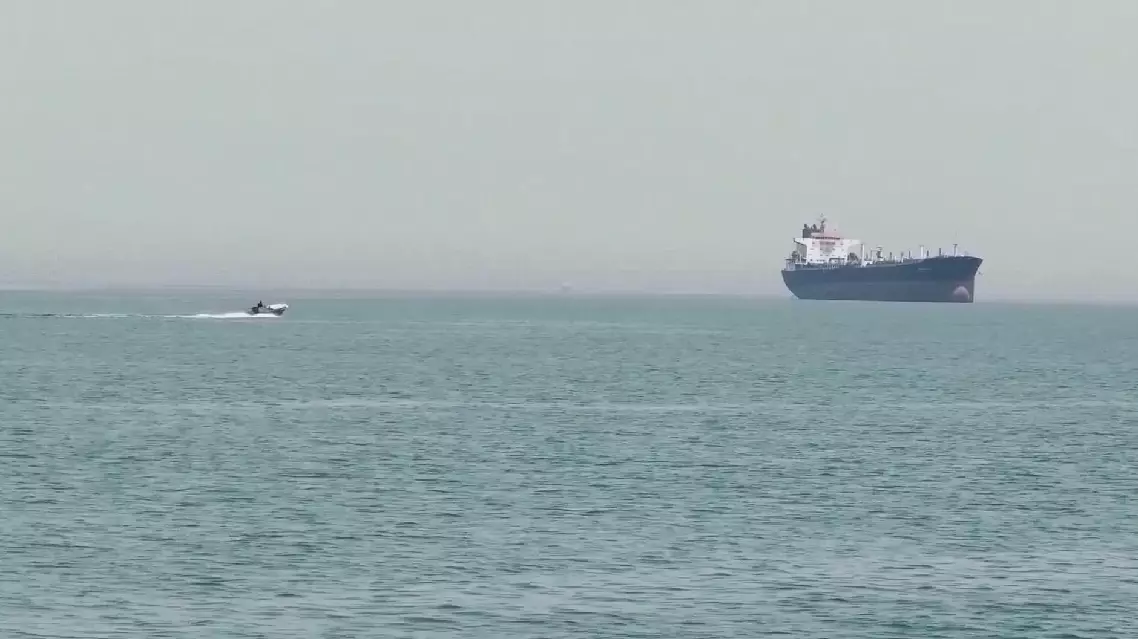
Iran announces closure of Strait of Hormuz, US denies Iran's claim