The Cheung Chau Jiao Festival, a century‑old traditional event, remains deeply rooted in the hearts of Hong Kong people. Given its significant cultural value, Hong Kong Shue Yan University (HKSYU) has created a virtual-reality version of the festival, preserving this intangible cultural heritage in the digital world. During the five‑day, four‑night festival, the project research team took over 7,000 photos and hundreds of short videos, launching the project “Metaversing Intangible Cultural Heritage: Documenting, Transmitting and Promoting the Cheung Chau Jiao Festival in Hong Kong.”
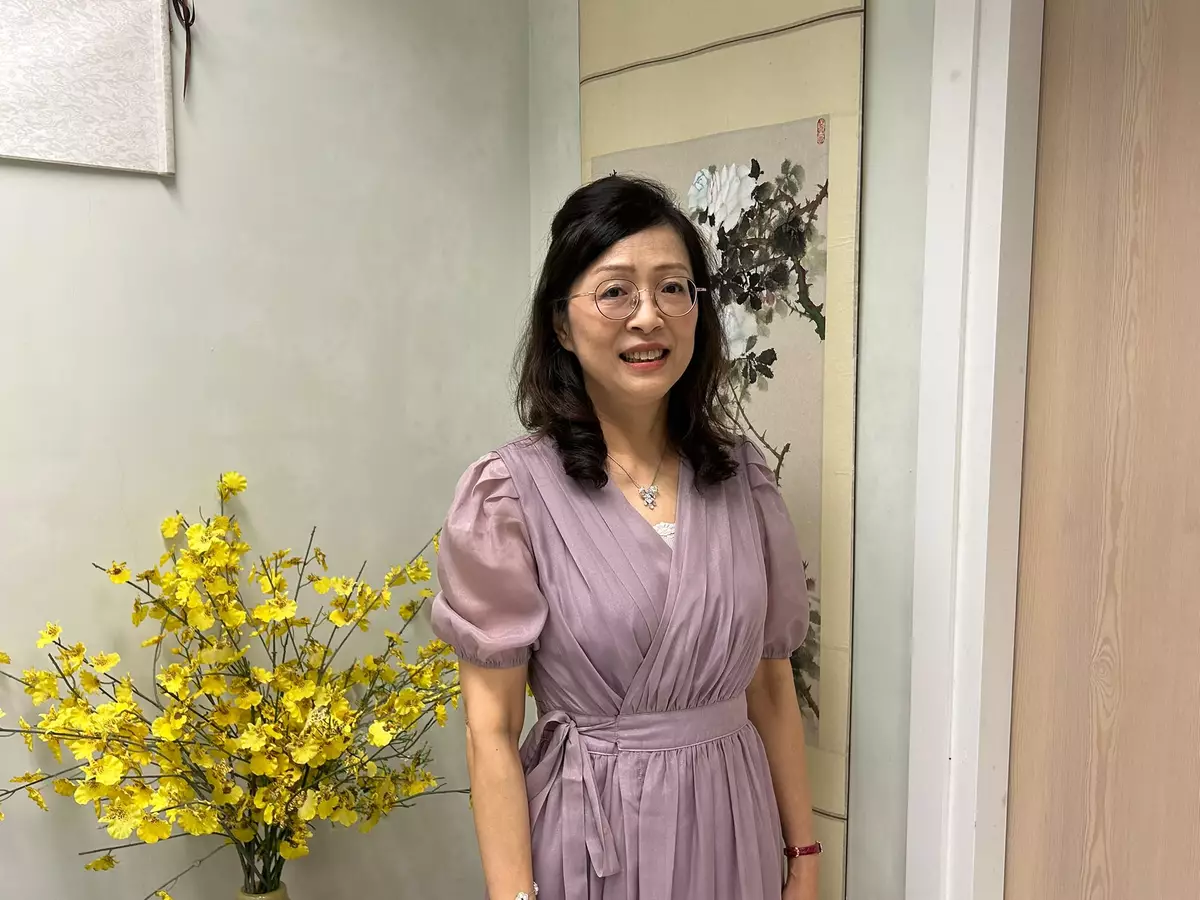
Professor Selina Chan, Photo by Bastille Post
Led by Professor Selina Chan, Academic Vice President of HKSYU, the project utilizes technologies including Mixed Reality (MR), Virtual Reality (VR), and Augmented Reality (AR) to provide the public with an immersive and interactive experience of the vibrant atmosphere of the Cheung Chau Jiao Festival.
Click to Gallery
Professor Selina Chan, Photo by Bastille Post
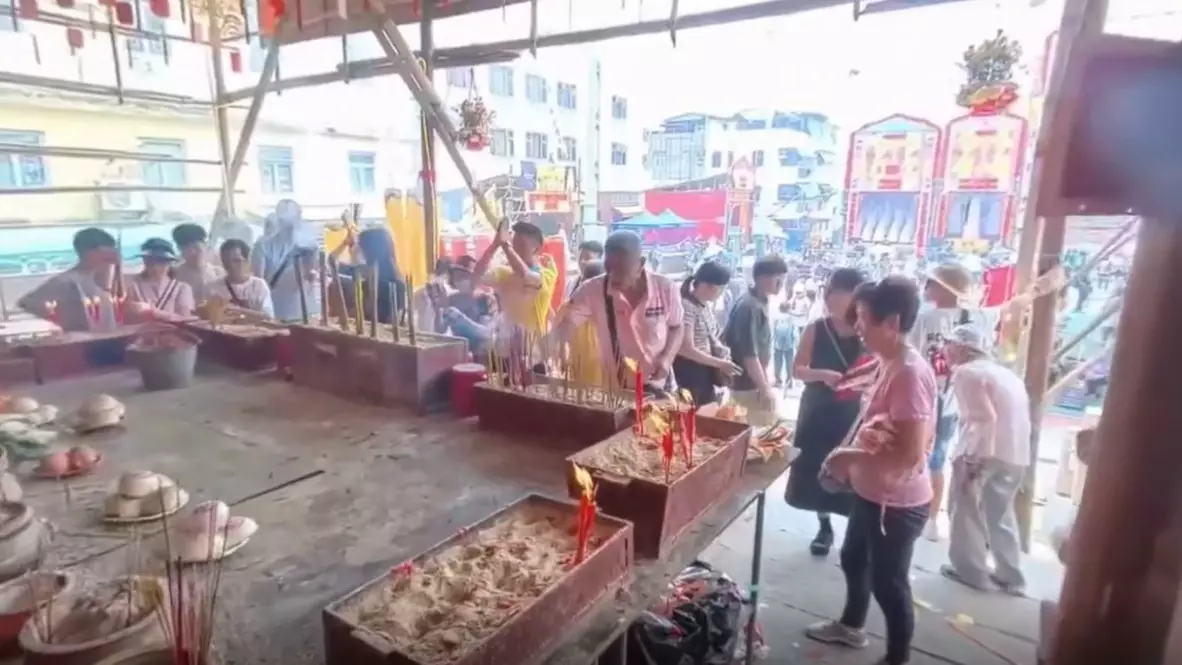
The Cheung Chau Jiao Festival, Photo source: Screenshot of the project's MR platform
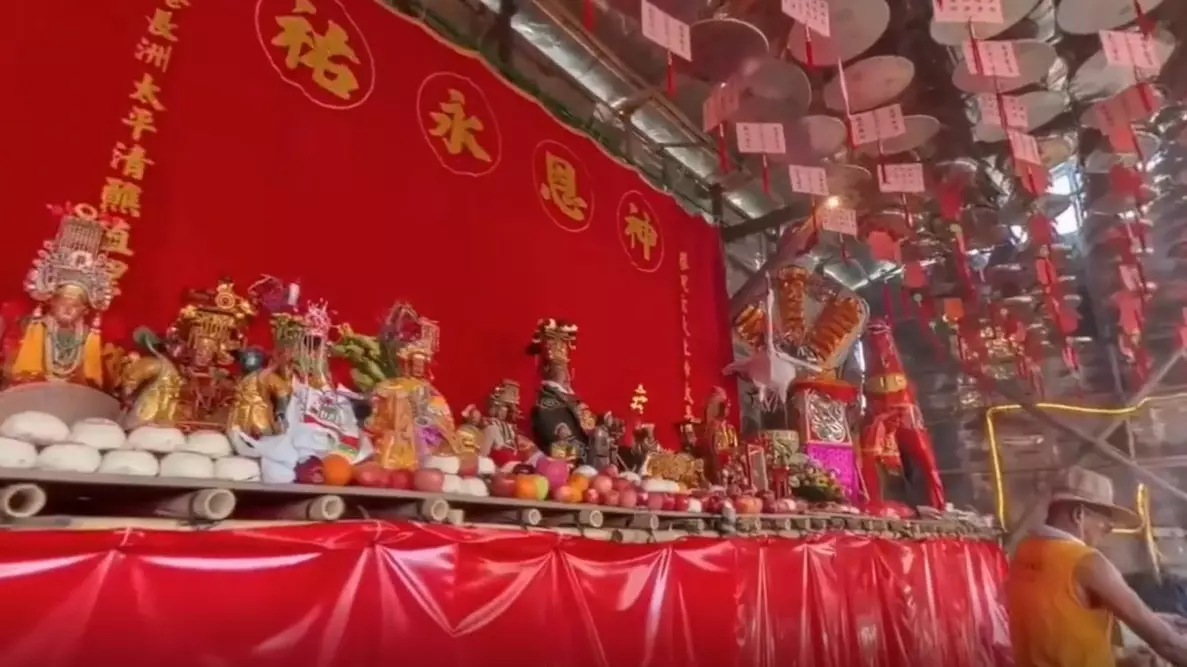
The Cheung Chau Jiao Festival, Photo source: Screenshot of the project's MR platform
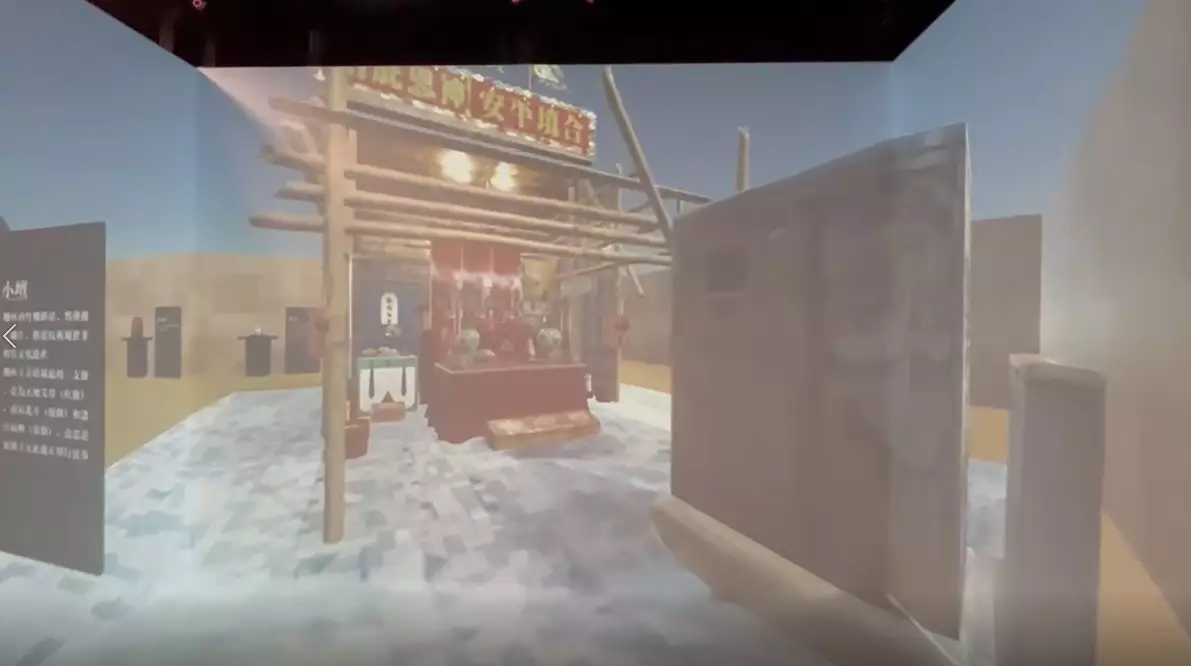
The virtual Yu Lan Festival museum, Photo by Bastille Post
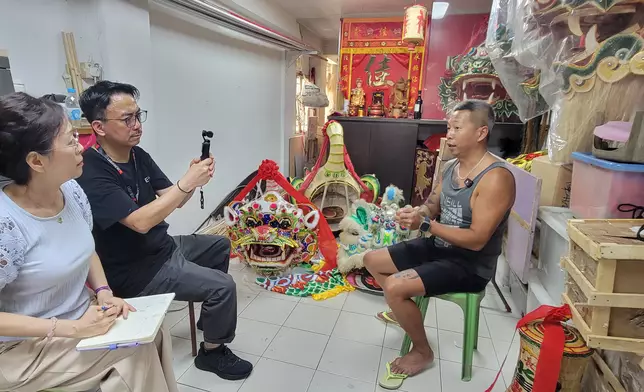
To capture the festival in all its richness, Professor Chan and her team engaged closely with the local community on Cheung Chau to record various aspects of the celebrations through field research. Photo source: Offered by the interviewee
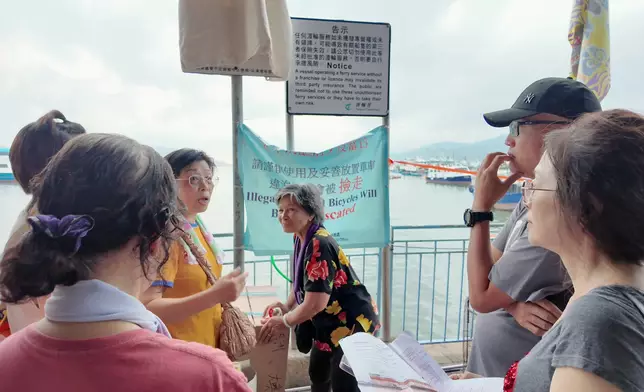
Professor Chan and her team had in‑depth exchanges with Cheung Chau residents. Photo source: Offered by the interviewee
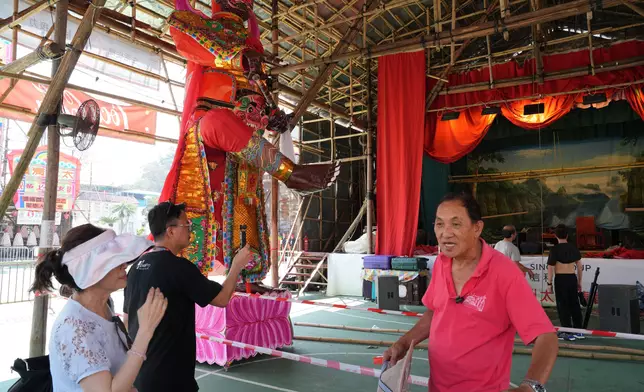
Professor Chan and her team had in‑depth exchanges with Cheung Chau residents. Photo source: Offered by the interviewee
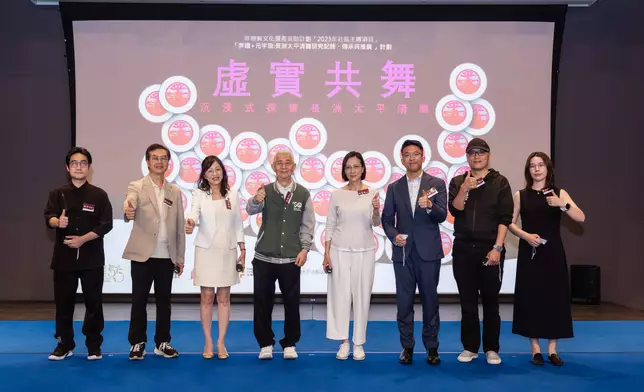
In April this year, the project team held the “Cheung Chau Jiao Festival Mixed Reality Tour and Public Launch” at HKSYU, showcasing the project's outcomes to date. Photo source: HKSYU
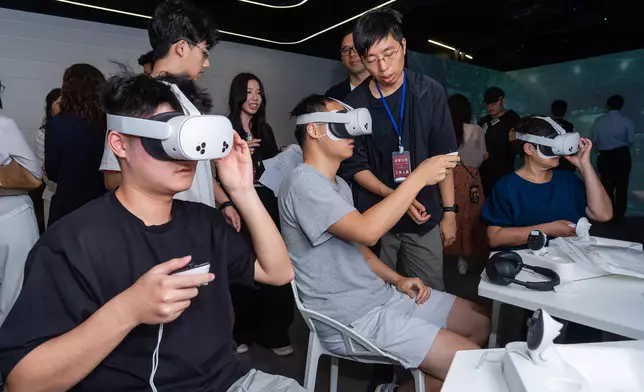
Participants wear VR glasses to experience the MR platform. Photo source: HKSYU
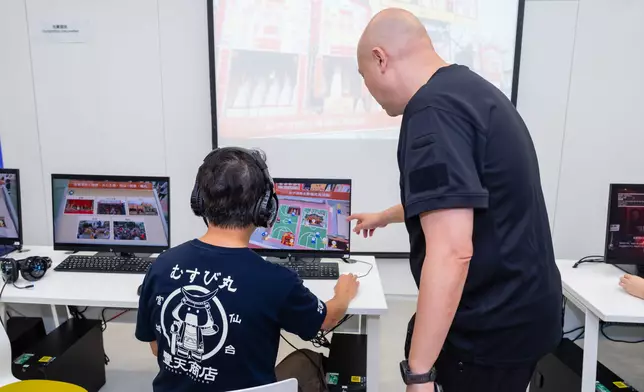
Participants can also experience the MR platform through a computer. Photo source: HKSYU
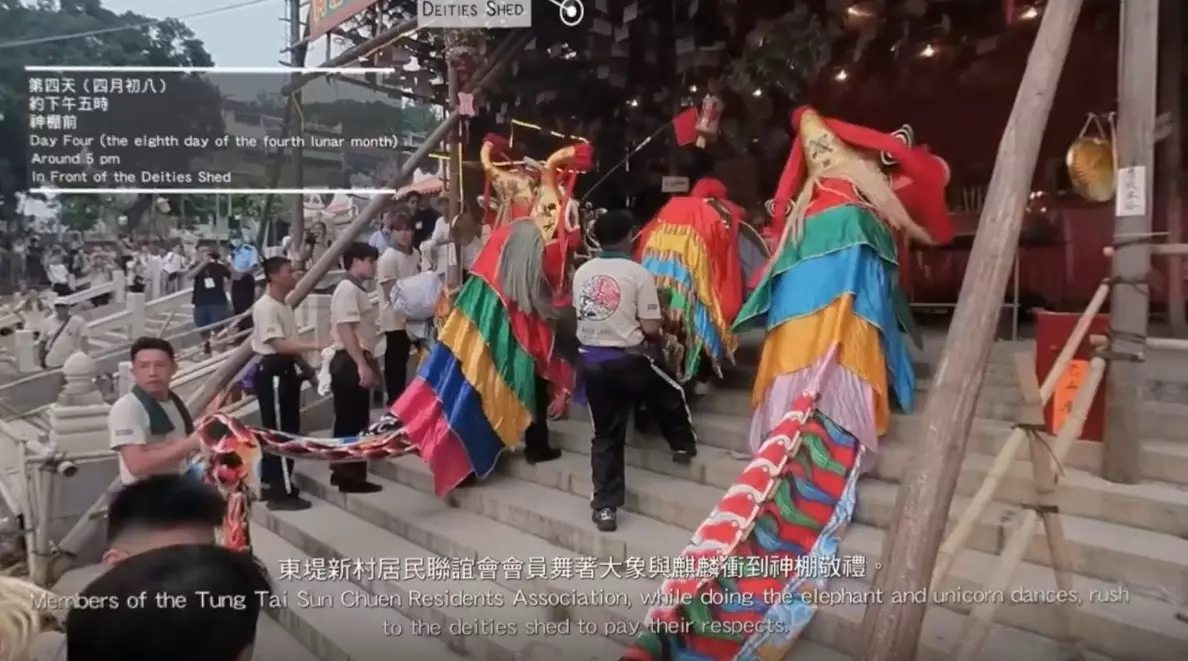
The visual presentation of the MR platform, Photo source: Screenshot of the MR platform
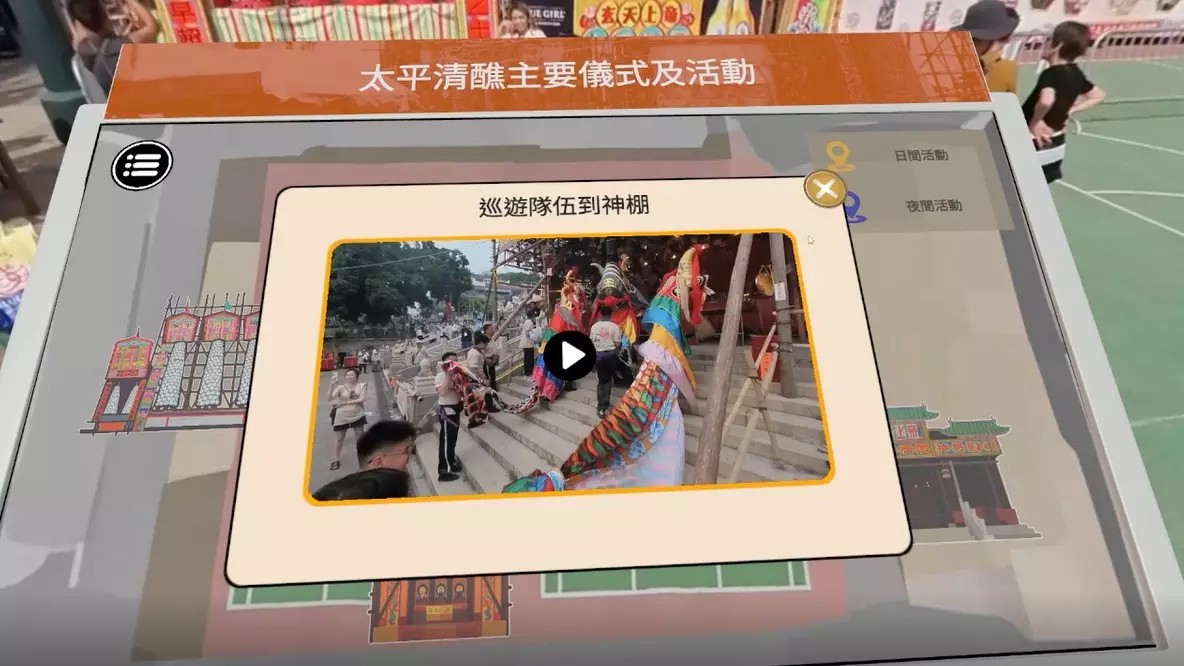
The visual presentation of the MR platform, Photo source: Screenshot of the MR platform
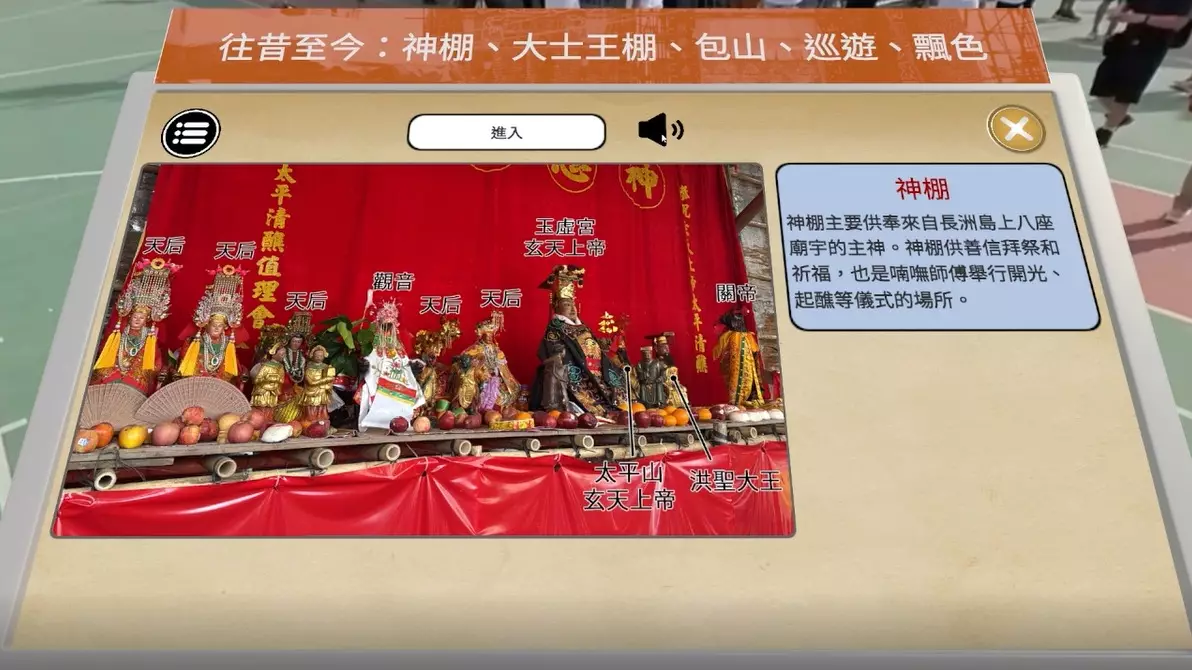
The visual presentation of the MR platform, Photo source: Screenshot of the MR platform
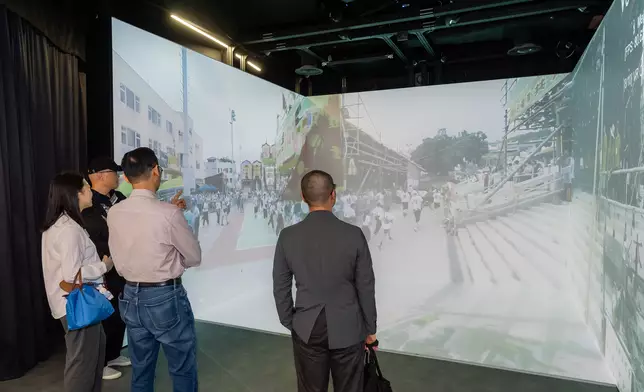
Participants engage in an immersive experience of the Cheung Chau Jiao Festival through the VR Cave. Photo source: HKSYU
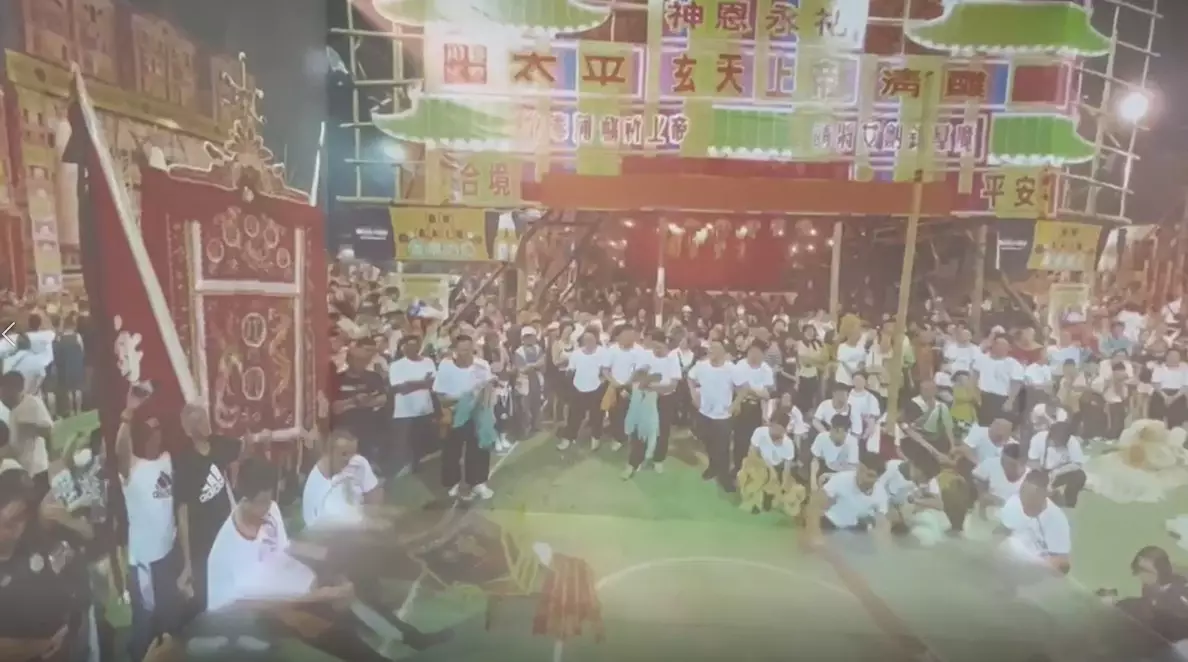
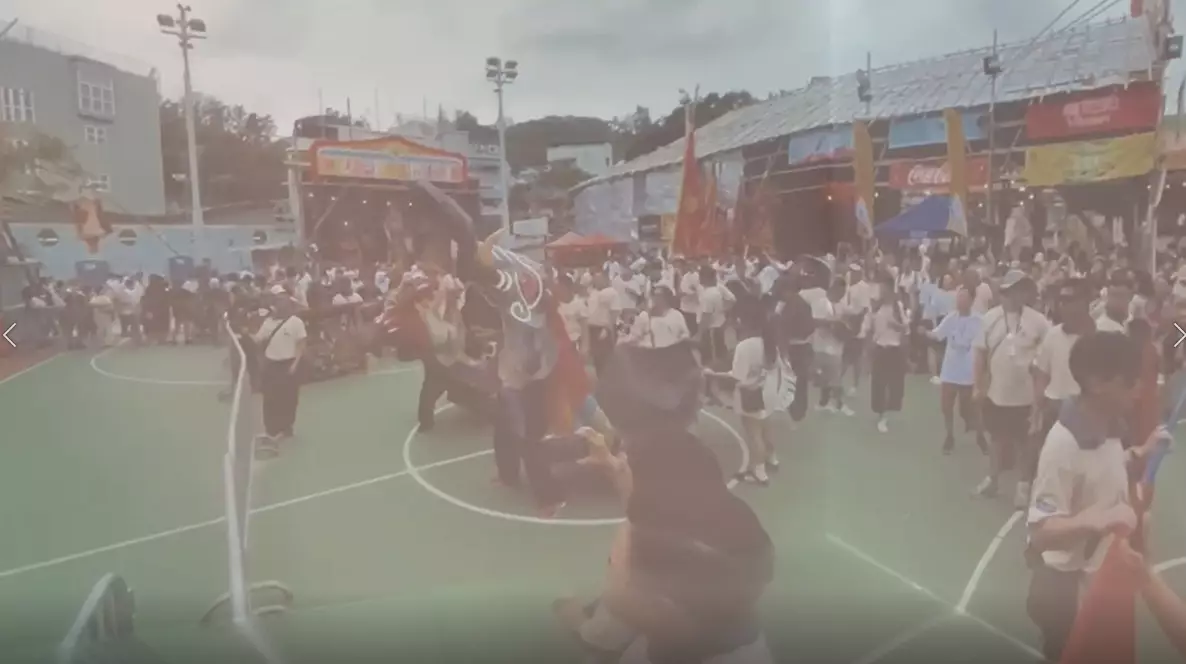
The playback quality of the VR Cave videos, Photo by Bastille Post
The playback quality of the VR Cave videos, Photo by Bastille Post
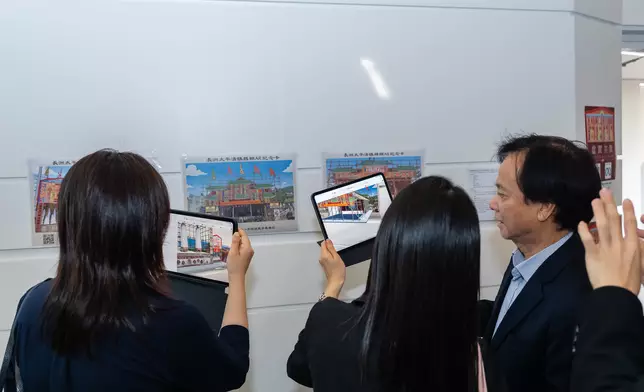
Participants simply scan the QR code on the card with their mobile phone or tablet. After aligning with the cover, a series of 3D models of representative festival architectures will emerge in front of their eyes. Photo source: HKSYU
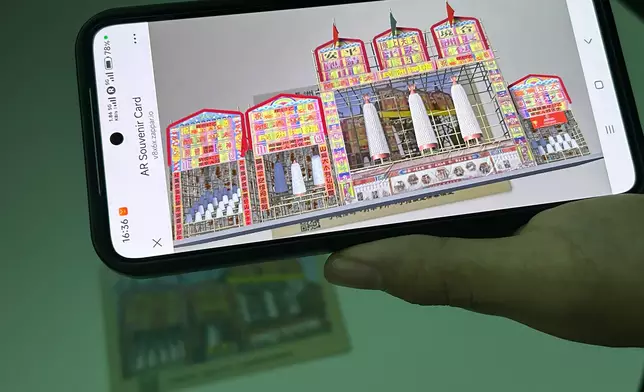
The 3D model presentation via AR card, Photo by Bastille Post
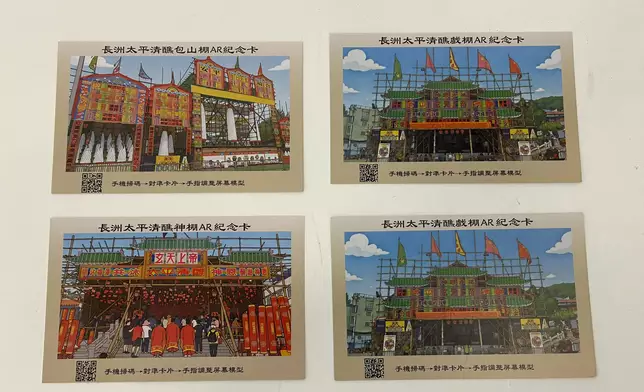
Themed AR cards for the Cheung Chau Jiao Festival, Photo by Bastille Post
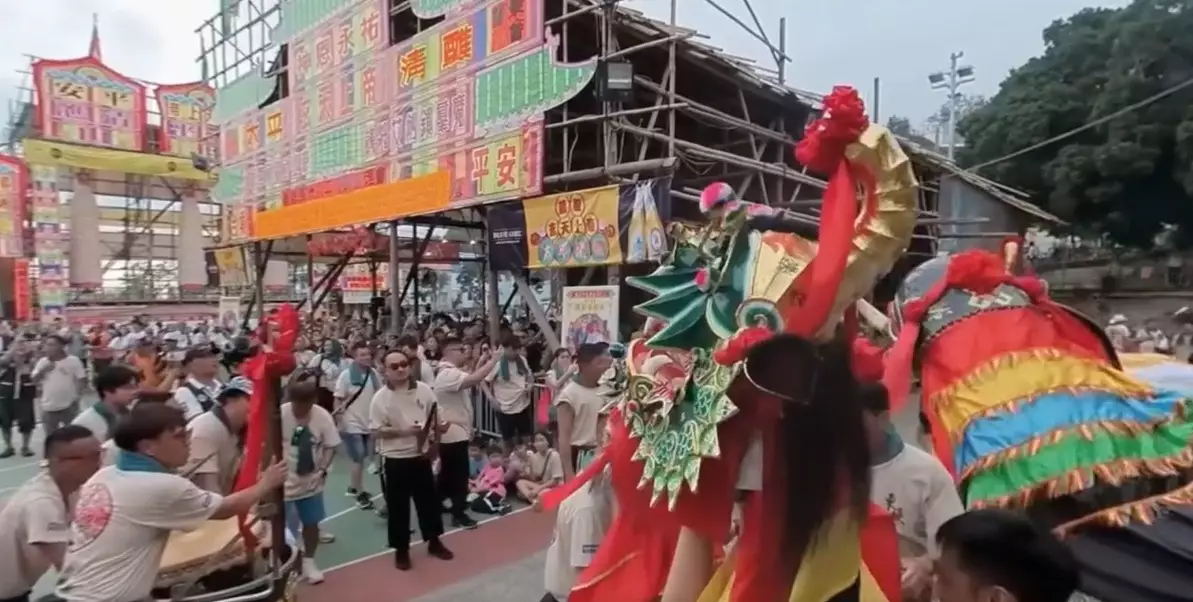
The Cheung Chau Jiao Festival, Photo source: Screenshot of the project's MR platform
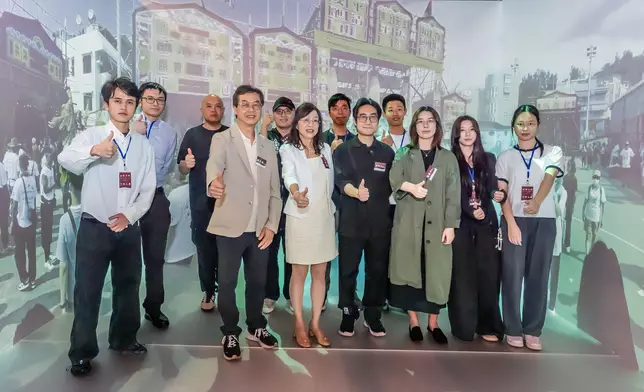
Professor Selina Chan together with the team members, Photo source: HKSYU
In an interview with Bastille Post, Professor Chan stated that the project is not only a technological attempt to explore the integration of humanities and technology, but also provides a voice for the community, presenting a multi‑dimensional portrait of the festival.
Reimagining Intangible Cultural Heritage Through Metaverse
Originating in the 19th century as a religious ceremony conducted by island residents to ward off plague, the Cheung Chau Jiao Festival has been held annually for over a century. Through a series of rituals, including offering thanks to the gods, bun scrambling, and the Piu Sik (floating colours) parade, the festival has become a distinctive component of Hong Kong's intangible cultural heritage, attracting numerous citizens and tourists to the island each year.
The Cheung Chau Jiao Festival, Photo source: Screenshot of the project's MR platform
Though Hong Kong's academia has undertaken considerable documentation and research to trace the historical development of the Cheung Chau Jiao Festival, most studies have adhered to conventional humanities perspectives, focusing on textual records, photographs, and visual documentation, while paying limited attention to innovative recording methodologies. Professor Chan pointed out that the constraint motivated her to investigate how technological approaches could rejuvenate the festival.
“I wanted to explore whether emerging technologies could bring a digital rebirth to the festival,” she said. In her view, the transmission of intangible cultural heritage goes beyond traditional documentation. Through meticulous digital recreation of ritual details, traditional folk activities can be presented in a more contemporary and immersive manner, fostering greater public interest in Hong Kong's cultural traditions.
The Cheung Chau Jiao Festival, Photo source: Screenshot of the project's MR platform
In 2022, the research team at HKSYU successfully employed digital technology to create a virtual Yu Lan Festival museum, the first of its kind in Hong Kong. Drawing on this achievement, Professor Chan sought to replicate the approach for the recording of the Cheung Chau Jiao Festival. Subsequently, she and her team initiated the project “Metaversing Intangible Cultural Heritage: Documenting, Transmitting and Promoting the Cheung Chau Jiao Festival in Hong Kong,” adopting the 2025 Cheung Chau Jiao Festival as a model.
The virtual Yu Lan Festival museum, Photo by Bastille Post
Immersed in Island Life: Building a Rich Documentary Archive
To capture the festival in all its richness, Professor Chan and her team engaged closely with the local community on Cheung Chau, sharing meals and chatting with residents while observing and recording various aspects of the celebrations through field research. She explained that she aimed to capture not only the ceremonial highlights, but also the evolving experiences of the islanders throughout the festival period.
Focusing exclusively on the festival celebrations, she noted, would provide only a partial view of the Cheung Chau Jiao Festival. By listening to the personal narratives of islanders, a more nuanced and comprehensive recording of the festival's atmosphere and cultural practices can be achieved.
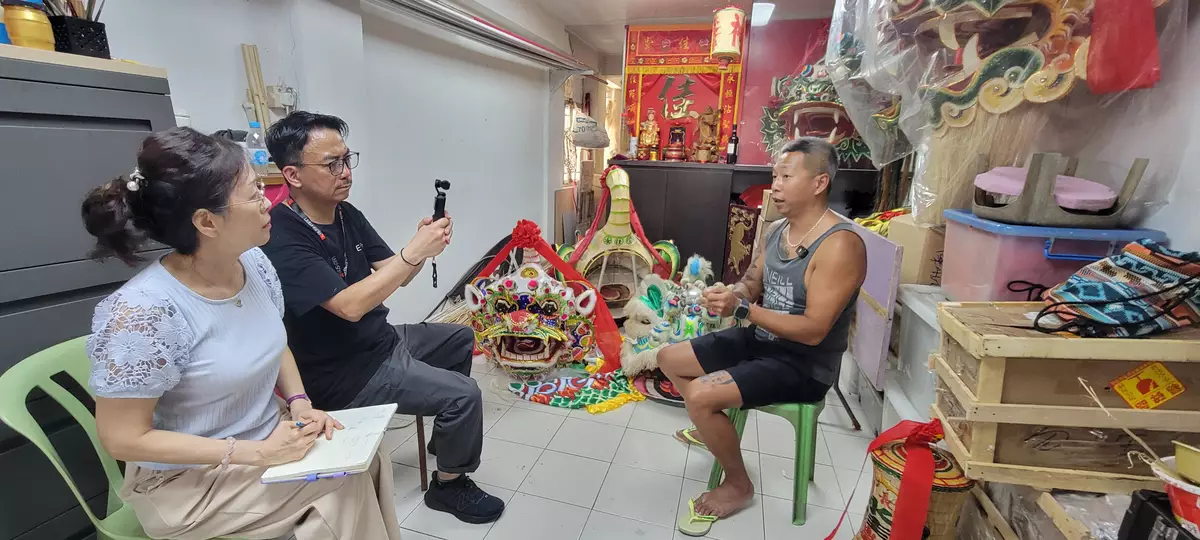
To capture the festival in all its richness, Professor Chan and her team engaged closely with the local community on Cheung Chau to record various aspects of the celebrations through field research. Photo source: Offered by the interviewee
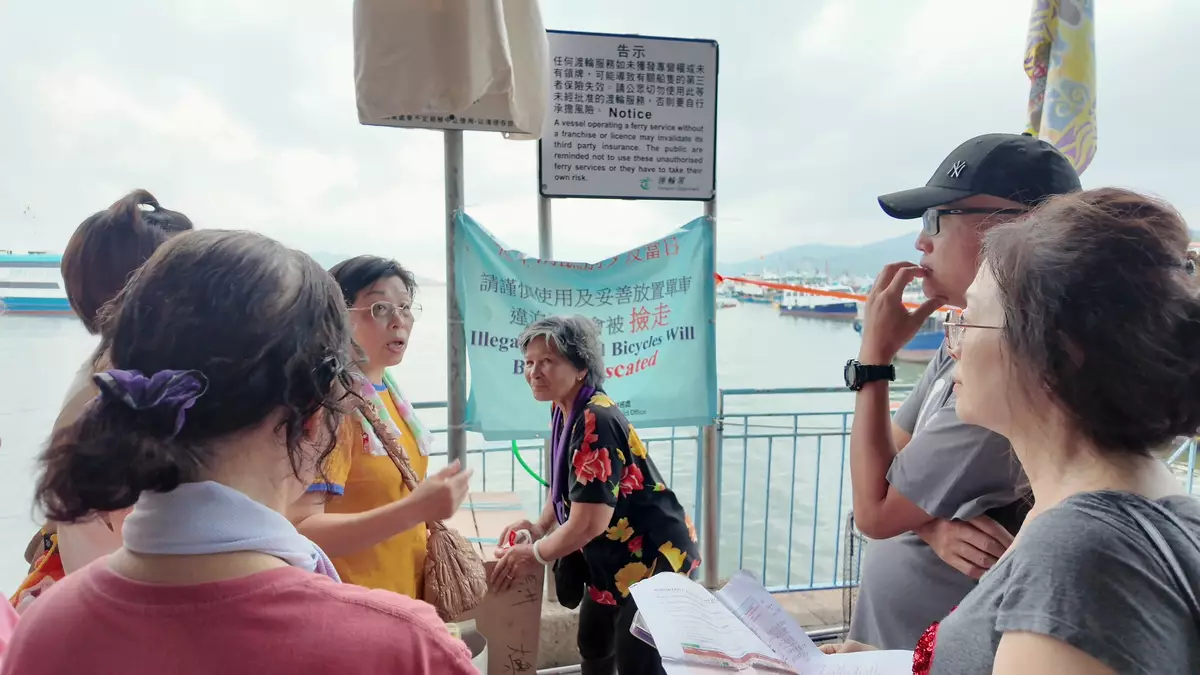
Professor Chan and her team had in‑depth exchanges with Cheung Chau residents. Photo source: Offered by the interviewee
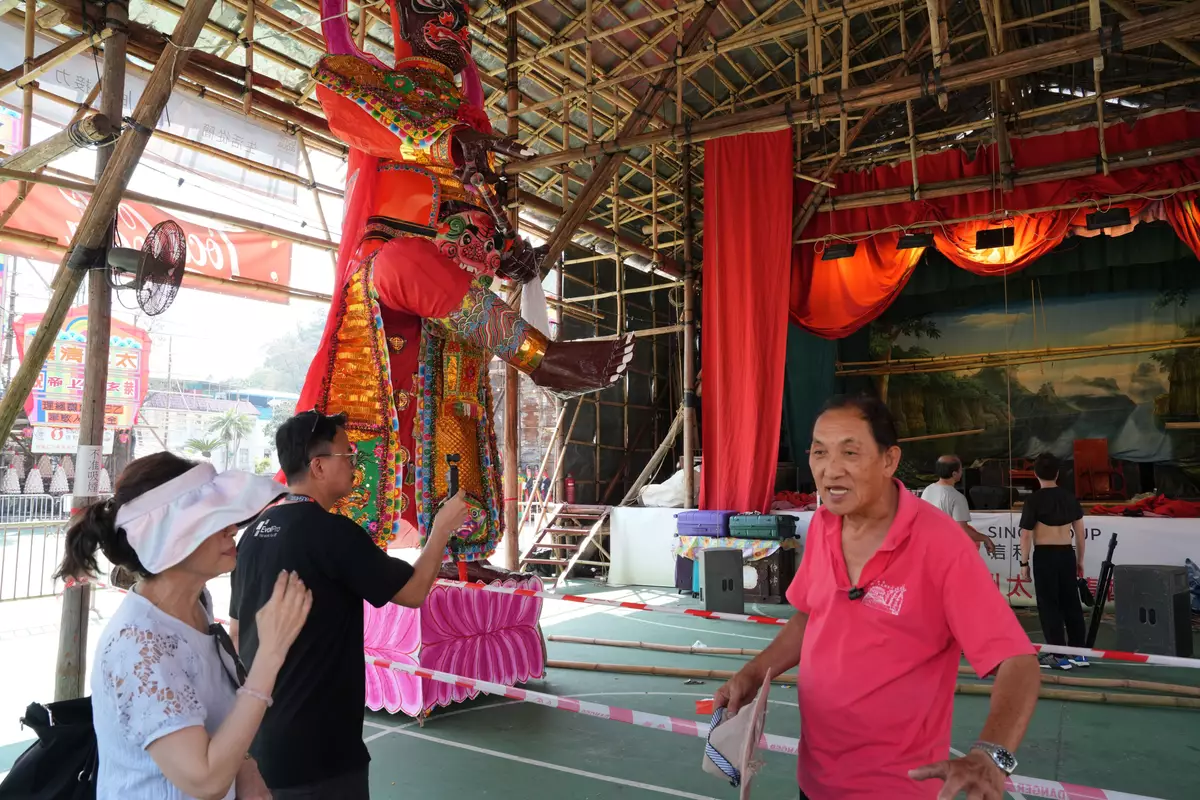
Professor Chan and her team had in‑depth exchanges with Cheung Chau residents. Photo source: Offered by the interviewee
During the five days and four nights of the festival, the team took over 7,000 photographs, including those of the bamboo scaffolding for bun towers, the bamboo theatre, the rite of deliverance for lonely souls, and the water ritual outside the Pak Tai Temple. Moreover, they also collected hundreds of 360° panoramic and 2D videos, which were then integrated with MR, VR, and AR technologies to create 3D models and construct virtual scenes of the Cheung Chau Jiao Festival.
Tech Experts Unite to Revive the Festival Digitally
Professor Chan's research team combines experts in digital cultural heritage, immersive technology, digital modelling, and augmented reality. Utilizing multimodal recording, the team members have built digital archives, integrating 3D models, 360° panoramic videos, audio recordings, 2D videos, and old photographs. This allows the Cheung Chau Jiao Festival to transcend the limitations of physical space and time, enabling revisiting and interaction at any time, thus transforming it into a sustainable digital cultural asset.
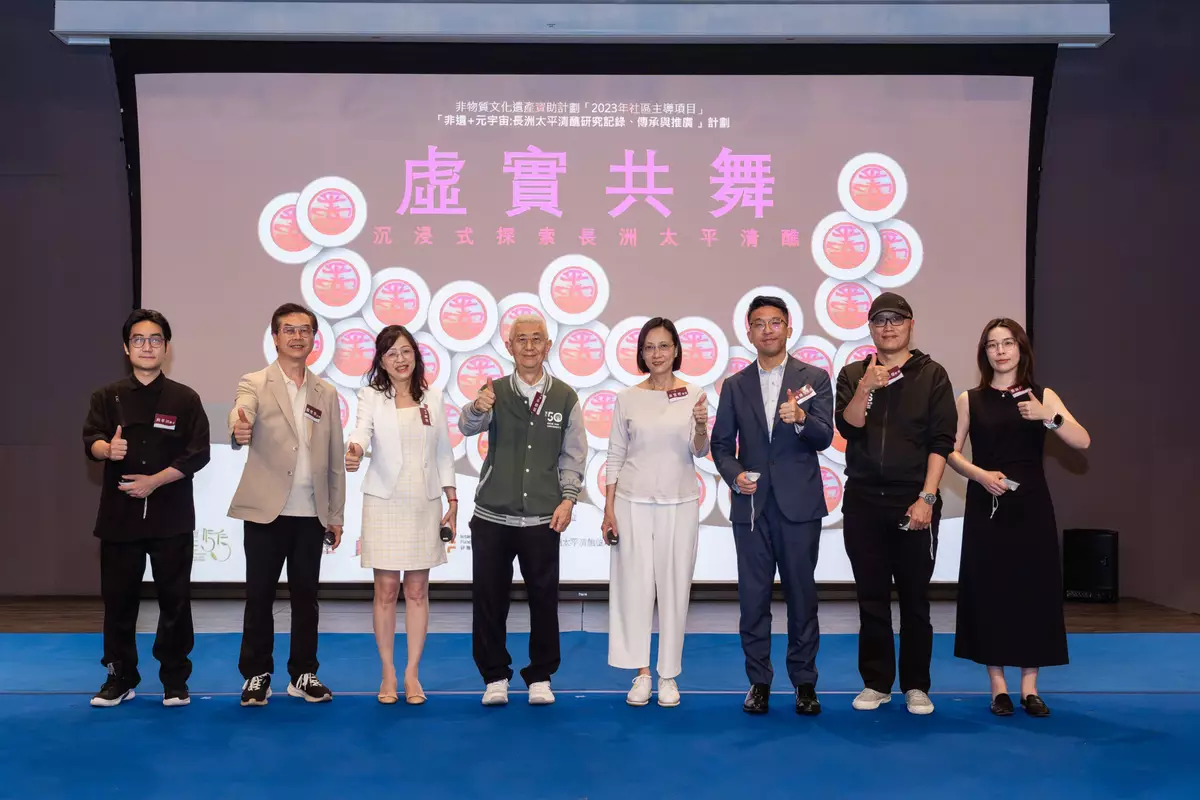
In April this year, the project team held the “Cheung Chau Jiao Festival Mixed Reality Tour and Public Launch” at HKSYU, showcasing the project's outcomes to date. Photo source: HKSYU
In April this year, the project team held the “Cheung Chau Jiao Festival Mixed Reality Tour and Public Launch” at HKSYU, showcasing the project's outcomes to date, which include a dual‑version MR platform (for computer desktop and VR glasses), a VR Cave, and themed AR cards featuring 3D models.
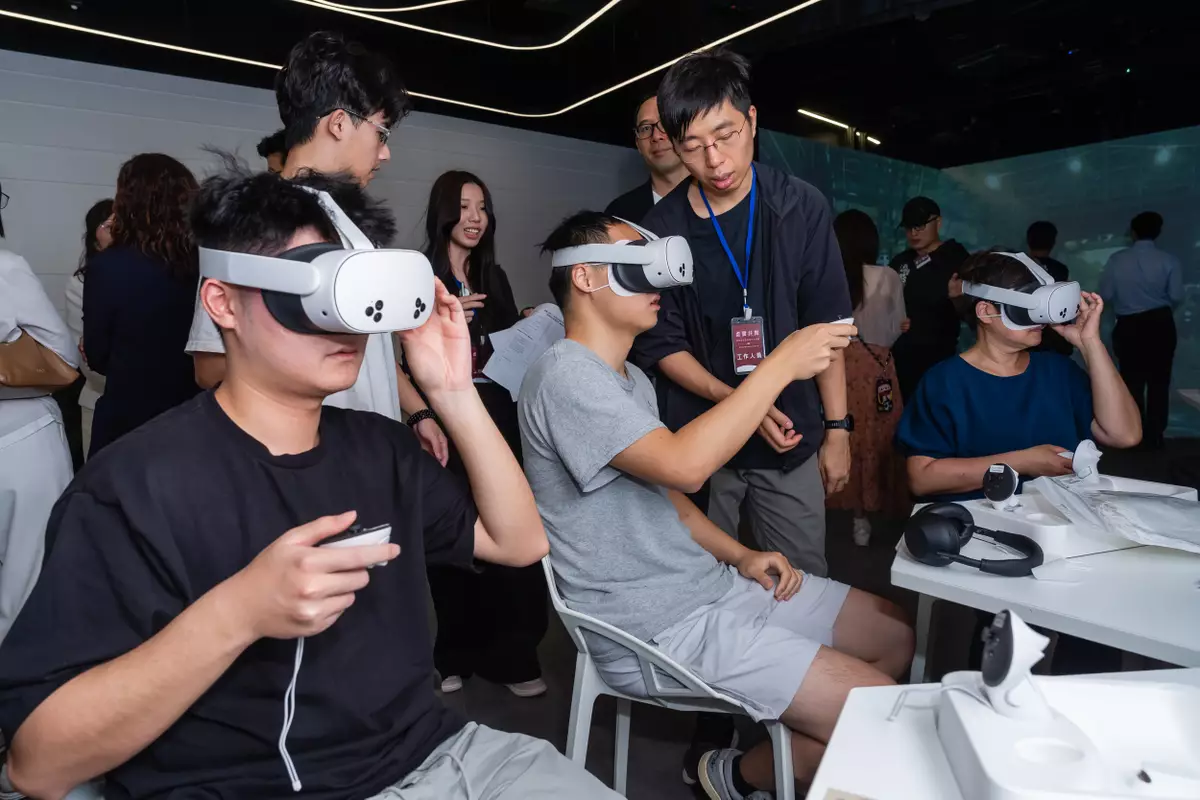
Participants wear VR glasses to experience the MR platform. Photo source: HKSYU
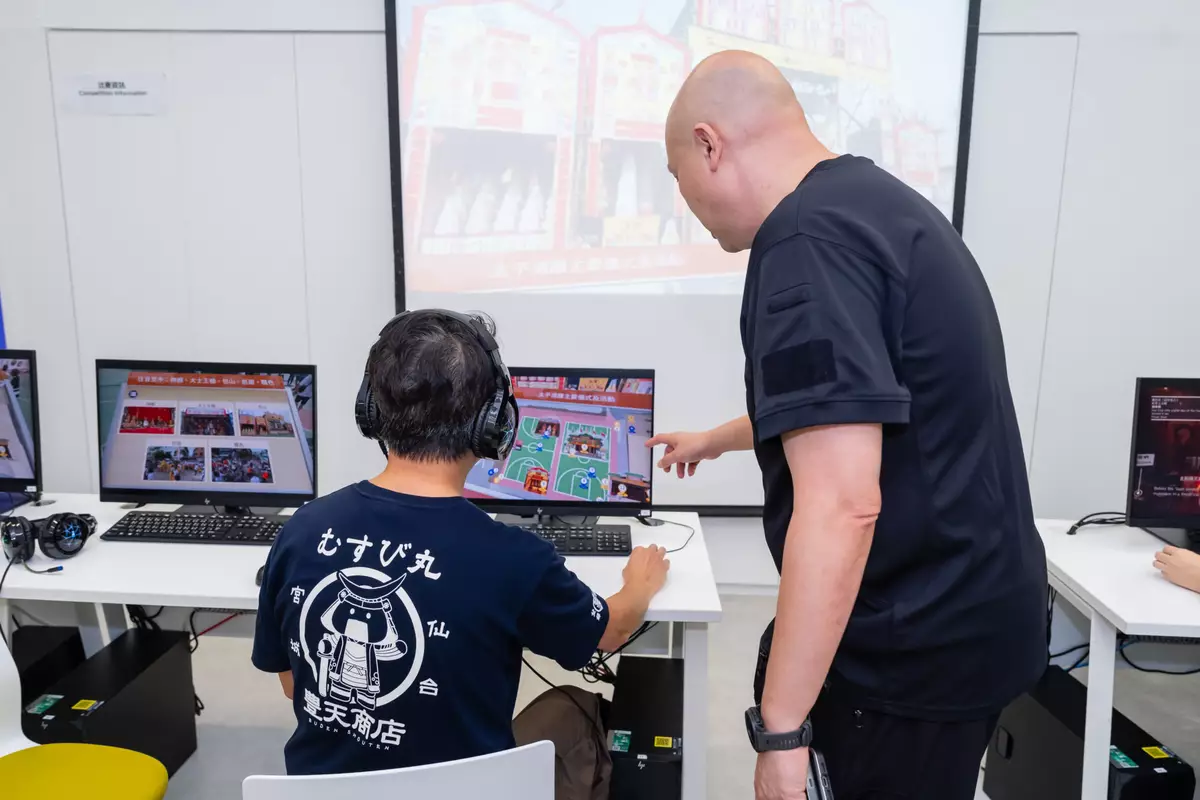
Participants can also experience the MR platform through a computer. Photo source: HKSYU
The visual presentation of the MR platform, Photo source: Screenshot of the MR platform
The visual presentation of the MR platform, Photo source: Screenshot of the MR platform
The visual presentation of the MR platform, Photo source: Screenshot of the MR platform
In the MR platform experience, participants can choose between two modes. They can wear VR glasses and use a remote control to explore every detail of the festival celebration up close. Alternatively, they can sit at a computer and navigate the festival's digital world in an interactive map format. Immersed in festive scenes, participants can access relevant information about the Cheung Chau Jiao Festival with just a click. Without setting foot on Cheung Chau, every ritual and the cultural stories behind it are all at fingertips.
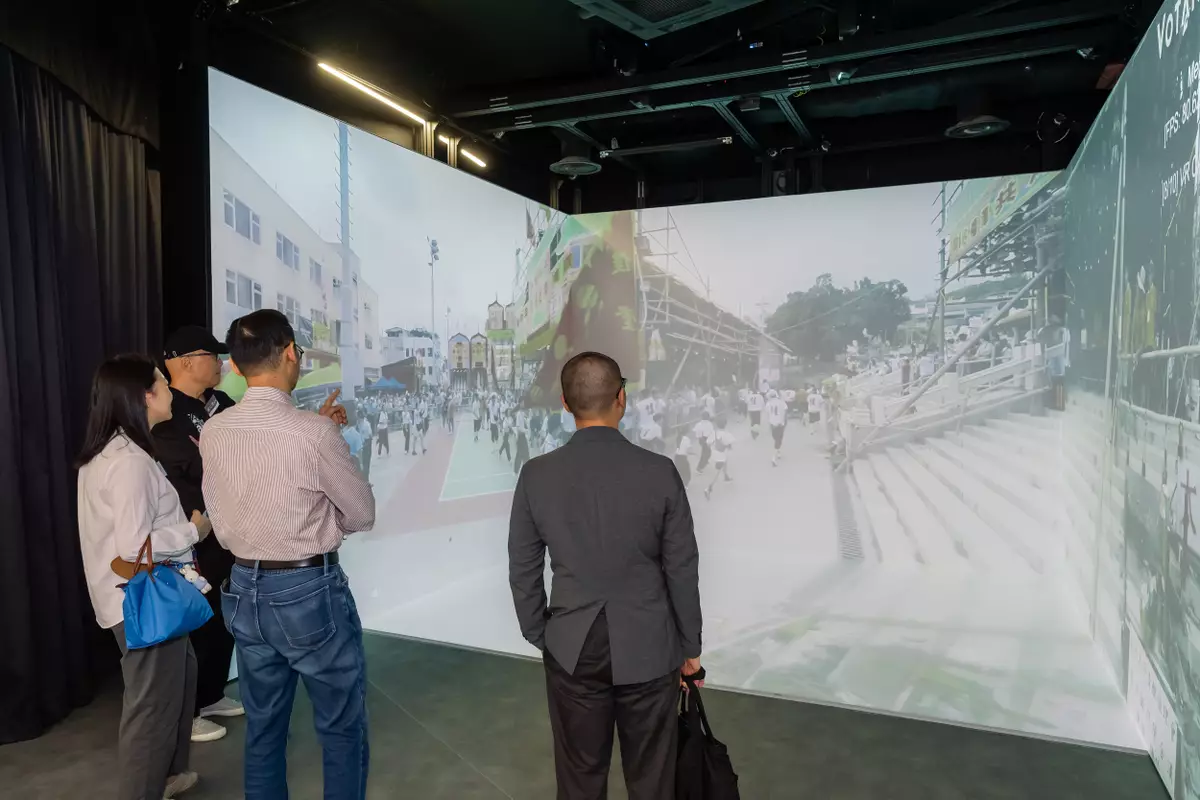
Participants engage in an immersive experience of the Cheung Chau Jiao Festival through the VR Cave. Photo source: HKSYU
The playback quality of the VR Cave videos, Photo by Bastille Post
The playback quality of the VR Cave videos, Photo by Bastille Post
In the interactive VR Cave, participants can step into a 270° immersive virtual environment and watch panoramic videos recording the festival celebration, experiencing the lively atmosphere as though standing in the heart of the ceremony. In the videos, the striking moments of the rituals and every movement of the islanders are brought into sharp focus, offering a comprehensive view of the Cheung Chau Jiao Festival from every angle.
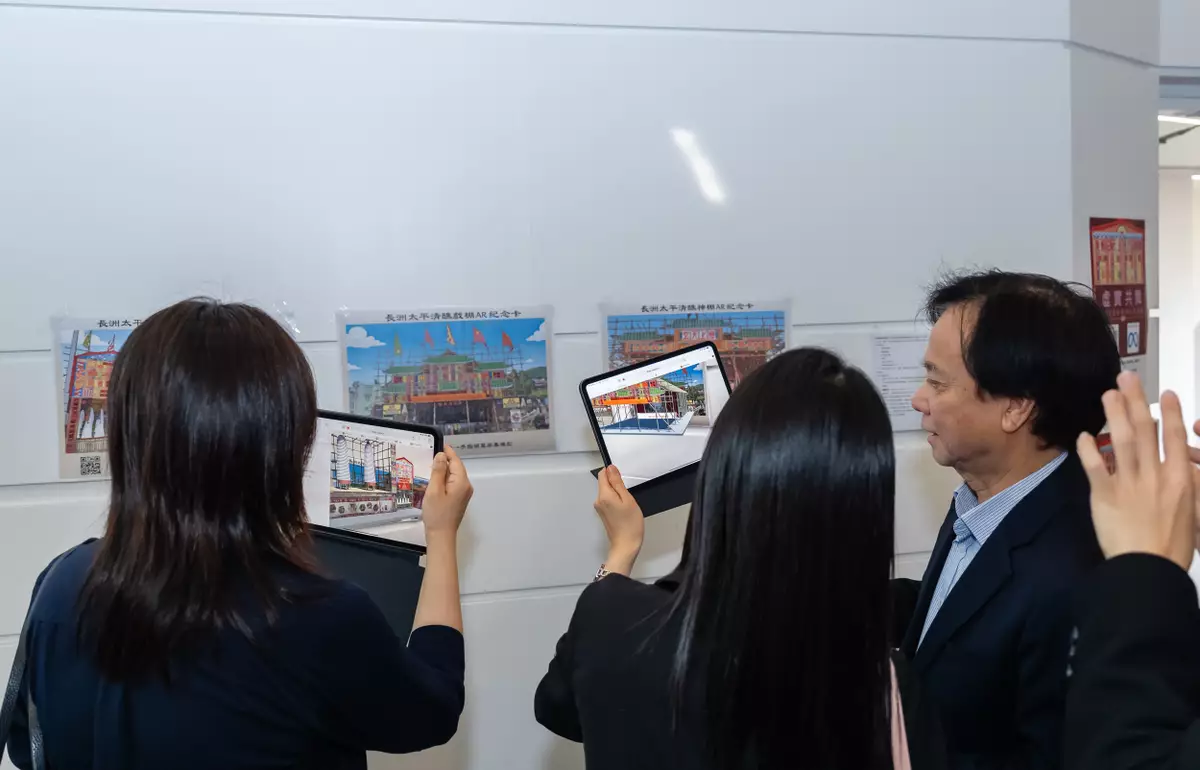
Participants simply scan the QR code on the card with their mobile phone or tablet. After aligning with the cover, a series of 3D models of representative festival architectures will emerge in front of their eyes. Photo source: HKSYU
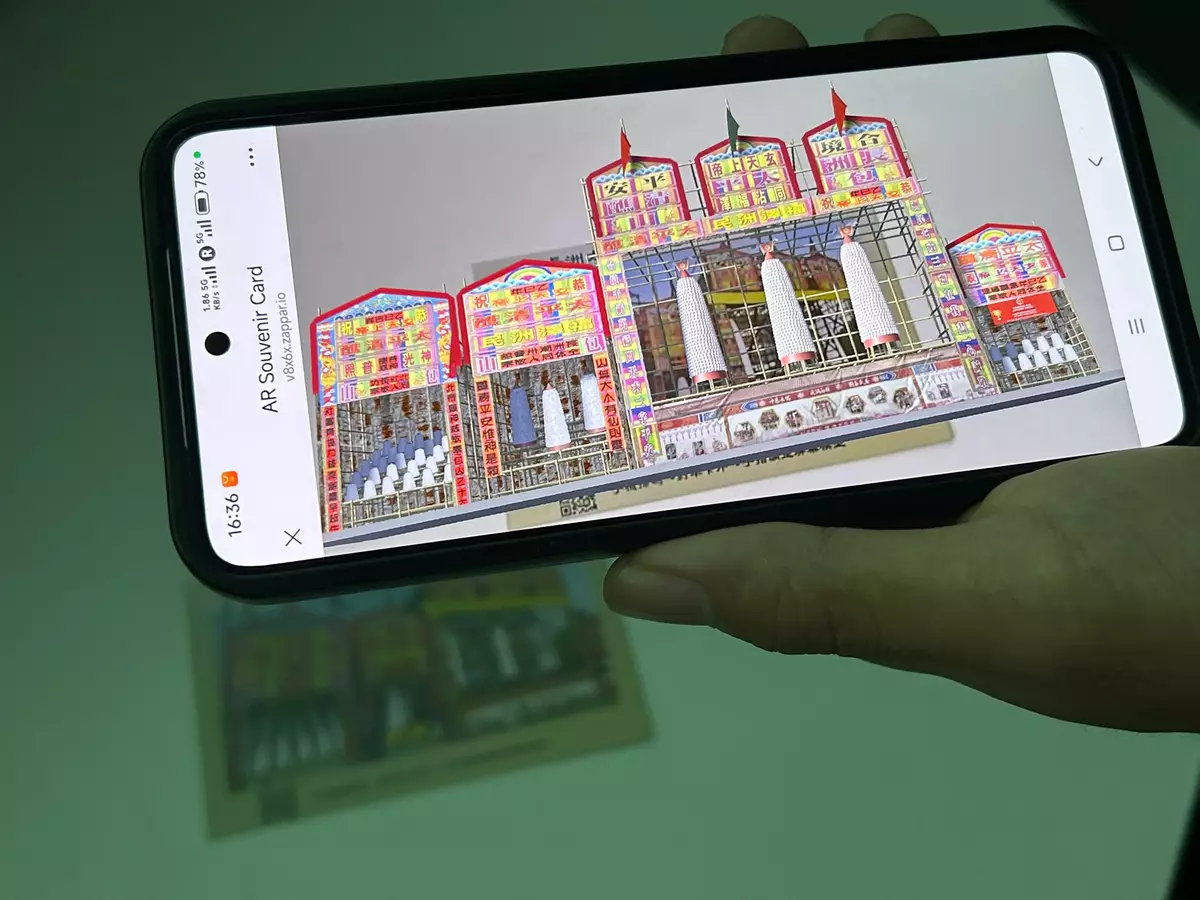
The 3D model presentation via AR card, Photo by Bastille Post
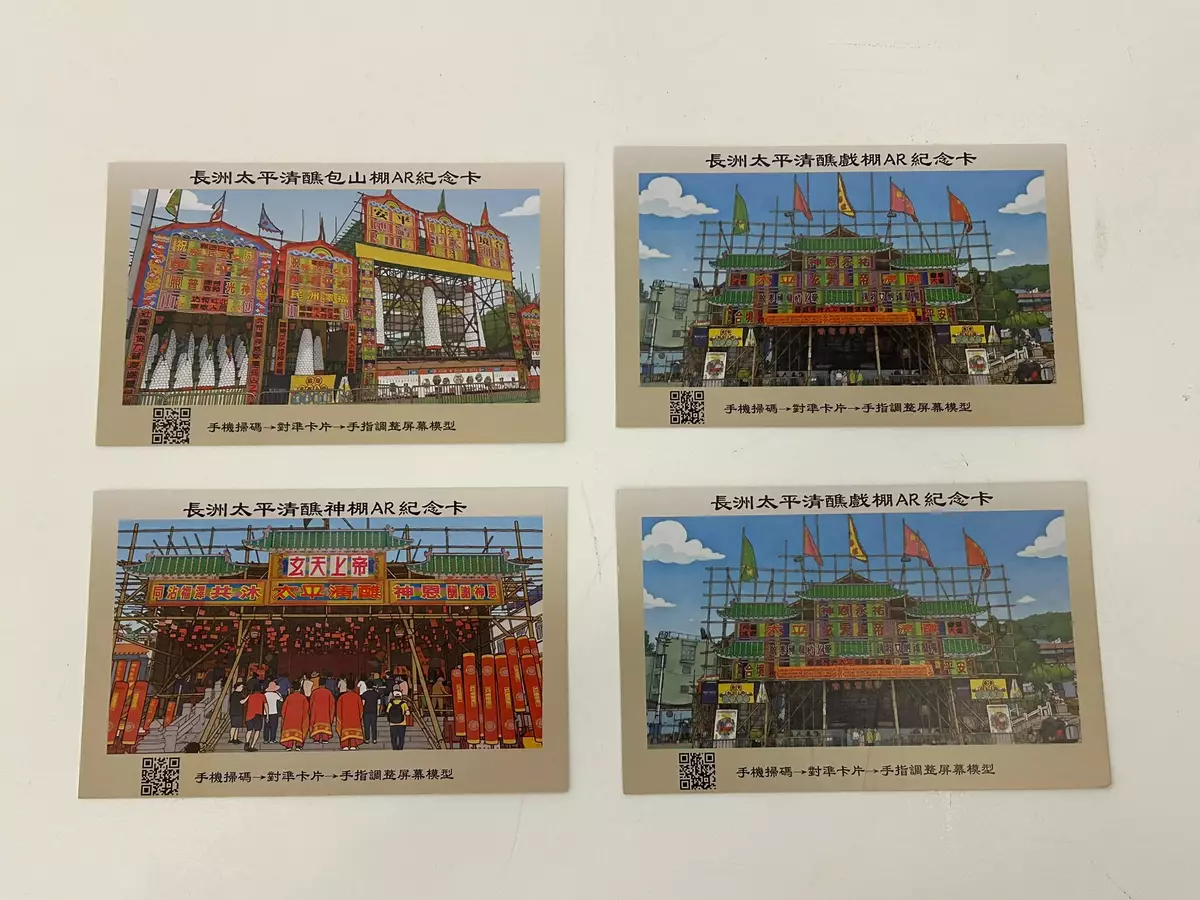
Themed AR cards for the Cheung Chau Jiao Festival, Photo by Bastille Post
As for AR cards, participants simply scan the QR code on the card with their mobile phone or tablet. After aligning with the cover, a series of 3D models of representative festival architectures will emerge in front of the eyes, including the bamboo scaffolding for bun towers, the bamboo theatre, and the temporary shrines. Each model is crafted with meticulous accuracy, evoking the tactile sensation of the woven bamboo and timber textures.
Reflecting on the research process, Professor Chan stated that although it has cost a great deal of effort, it was worthwhile. The team members not only utilized digital technology to open a new chapter of cross‑disciplinary integration for the preservation of Hong Kong's intangible cultural heritage, but also brought the human warmth and community stories beyond the rituals of the festival to the public, ensuring that “the voices of the island's residents can be spread and the community warmth of the festival can be preserved.”
The Cheung Chau Jiao Festival, Photo source: Screenshot of the project's MR platform
Looking to the future, Professor Chan hopes that the team will have the opportunity to facilitate collaborations with museums, universities, and technology corporations in the Chinese Mainland or overseas, bringing the research outcomes of “Metaversing Intangible Cultural Heritage” to a broader stage. As a cultural inheritor in the new era, she will continue to explore more possibilities for the digitalization of intangible cultural heritage, using the power of digital technology to revitalize the glamour of Hong Kong's folk customs.
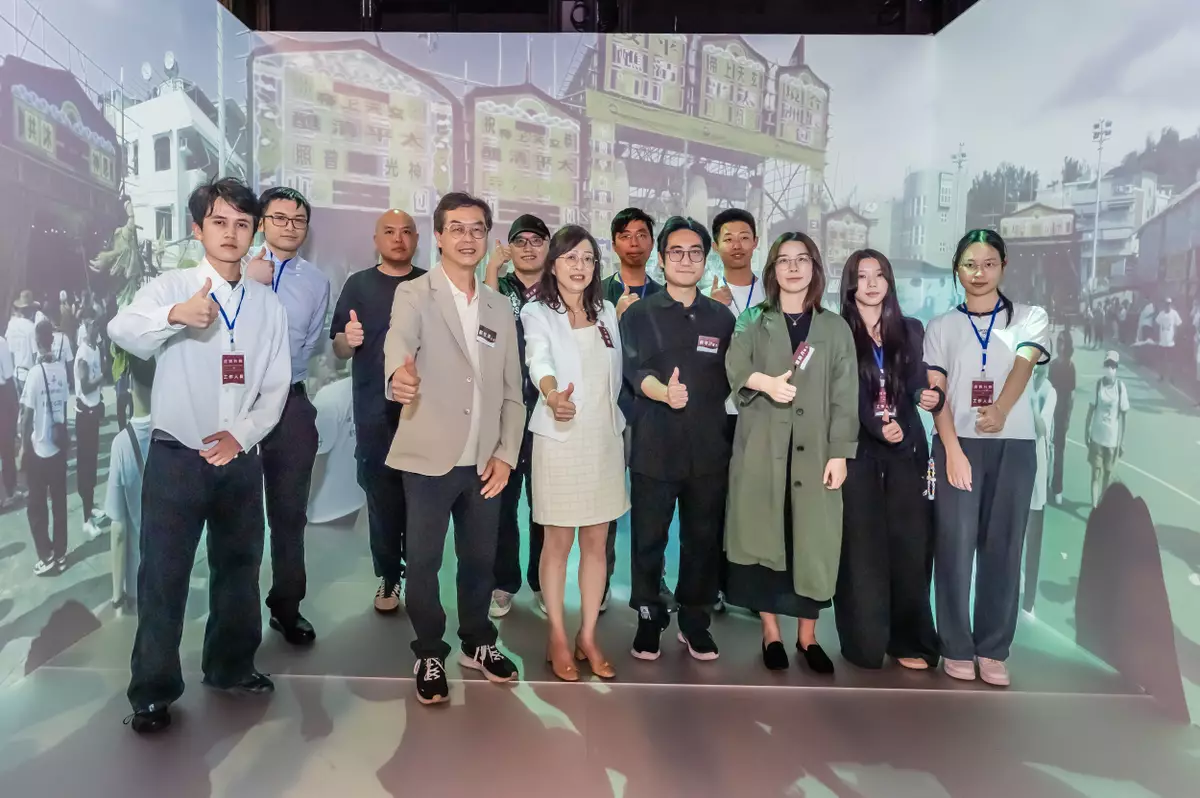
Professor Selina Chan together with the team members, Photo source: HKSYU