COLUMBIA, S.C. (AP) — South Carolina voters return to the polls Tuesday to finalize the Republican nominee for governor in a runoff election that has become a bruising grudge match between two of the state's leading politicians.
President Donald Trump initially endorsed Lt. Gov. Pamela Evette over state Attorney General Alan Wilson, and neither candidate came close to securing the majority needed to win the nomination outright in the June 9 primary. But as Wilson seemed to gain momentum heading into the runoff, Trump on Friday said he was endorsing both candidates, throwing a curveball to voters looking to the president for guidance.
Trump's endorsement has been the deciding factor in many primaries this year, but not always in governor races, and his choices in Iowa and Georgia fell short this month. After casting his own ballot Tuesday in Lexington, Wilson said Trump's endorsement was “a huge thing for us to receive” but pointed toward his yearlong grassroots campaign as the foundation of his momentum into the runoff vote.
Voters for months have been inundated with television advertising, mailers and billboards in the contest, which began more than a year ago as candidates clamored for attention in South Carolina's first truly open governor's race in more than a decade. And with Trump remaining popular in the state — despite some nationwide wavering over issues including the economy — proximity to the president has been a campaign feature for all of the Republicans vying for the state's top office.
Just a week before the runoff ended, the contenders faced off in their only debate.
Because each was given time to issue a rebuttal whenever their name was mentioned, the debate’s first half-hour swiftly devolved into a ping-ponging, back-and-forth over allegations of mudslinging and taxpayer-funded salary increases. The audience provided a soundtrack of thunderous jeers and hoots.
Reporters in the debate hall at Coastal Carolina University noted that people began to leave their seats as the shouts continued — sometimes drowning out candidates' responses — with no intervention from moderators or debate organizers.
Wilson went after Evette for skipping previous debates and accused her of lying about signing legislation Gov. Henry McMaster had actually inked. Evette, meanwhile, hammered the longtime prosecutor for being a “career politician” and reminded voters Trump had backed her, not him, in the primary.
At every turn, in every ad and every mailer, Evette has reminded runoff voters that Trump selected her from the Republican field as his anointed gubernatorial contender. She's also been endorsed by McMaster, who chose Evette as his running mate in the 2018 and 2022 governor's races.
Immediately following Trump's double endorsement Friday, Wilson began boasting about it, too. Moments after Trump posted on social media about the race, Sen. Tim Scott said he was supporting Wilson, and a person familiar with Scott's thinking but not authorized to speak publicly about it said the South Carolina Republican had been making calls in support of Wilson, helping raise money and lobbying Trump to back him as well.
Wilson has also drawn backing from some of the other contenders who failed to make the runoff, including U.S. Reps. Ralph Norman and Nancy Mace, as well as state Sen. Josh Kimbrell, who ended his bid just before the primary. On Monday, Sen. Ted Cruz, another Wilson backer, came to South Carolina to stump for his bid.
Competition among Republicans for Trump’s support has seemed more intense than any other facet of the primary campaign.
Even before Evette received the president’s endorsement before the primary, she frequently featured photos and videos of herself with Trump in campaign materials. Mace and Norman also played up their support for Trump's policies and legislative priorities.
Wilson, who has been South Carolina's top prosecutor since 2011, has often mentioned the legal cases on which he's filed briefs supporting the Trump administration. He also traveled to New York City to support Trump as he faced a criminal trial over hush money payments that ended with his conviction.
Meg Kinnard can be reached at http://x.com/MegKinnardAP
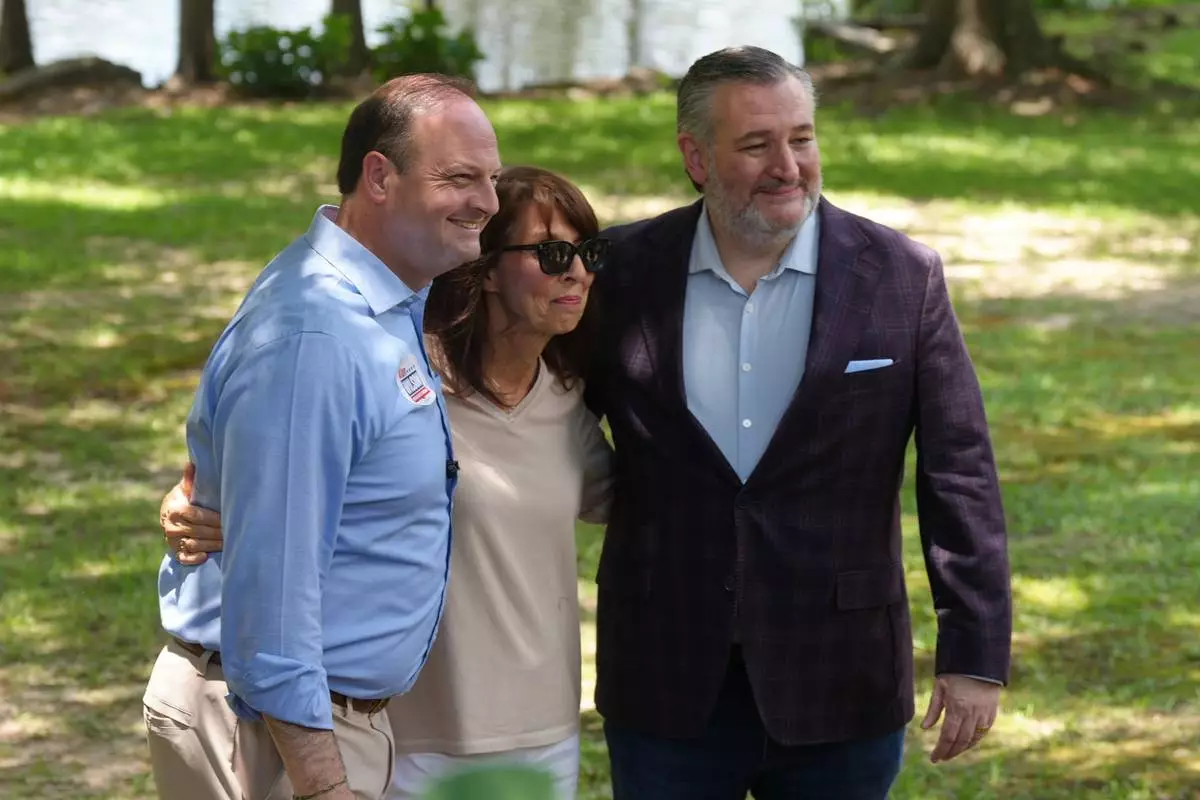
South Carolina Attorney General Alan Wilson, from left, poses for a photo with an attendee and Sen. Ted Cruz, R-Texas, at an ice cream social supporting his gubernatorial campaign ahead of the Republican primary runoff, Monday, June 22, 2026, in Sumter, S.C. (AP Photo/Meg Kinnard)
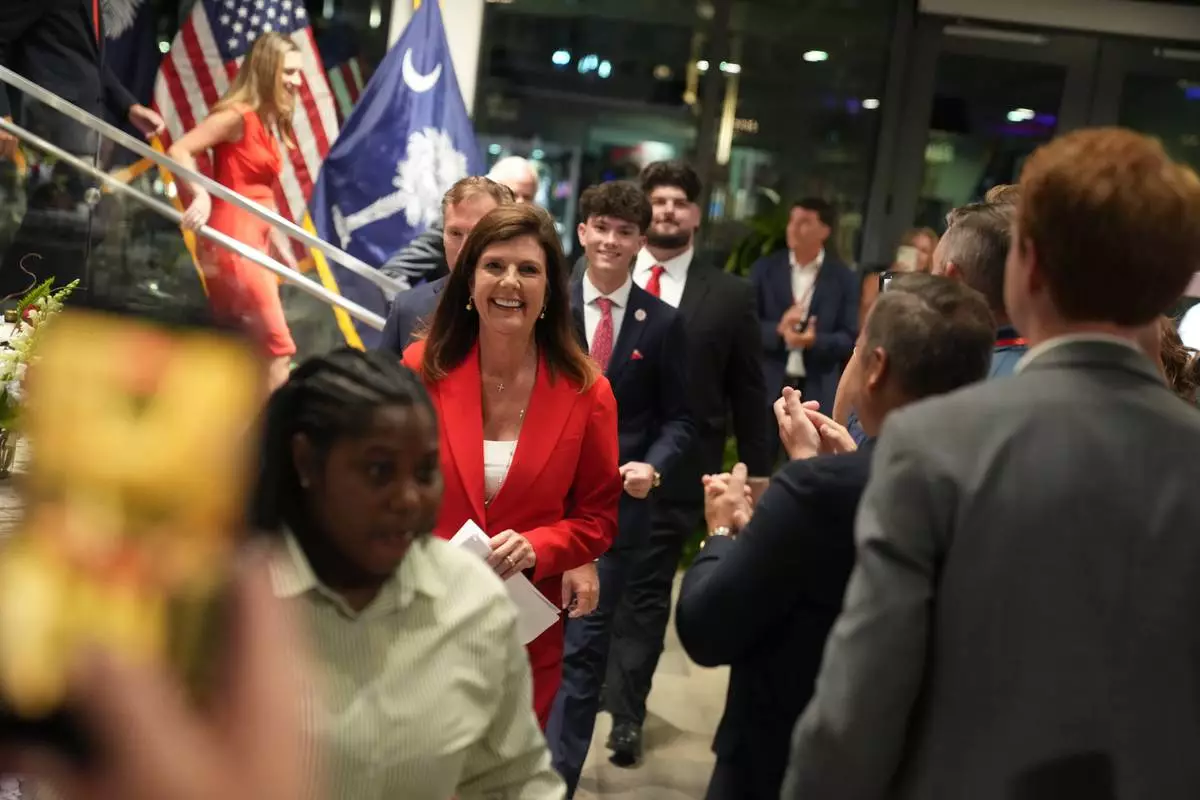
South Carolina Lt. Gov. Pamela Evette arrives to speak at an election night watch party after advancing to a GOP primary runoff in the governor's race on Tuesday, June 9, 2026, in Greenville, S.C. (AP Photo/Meg Kinnard)
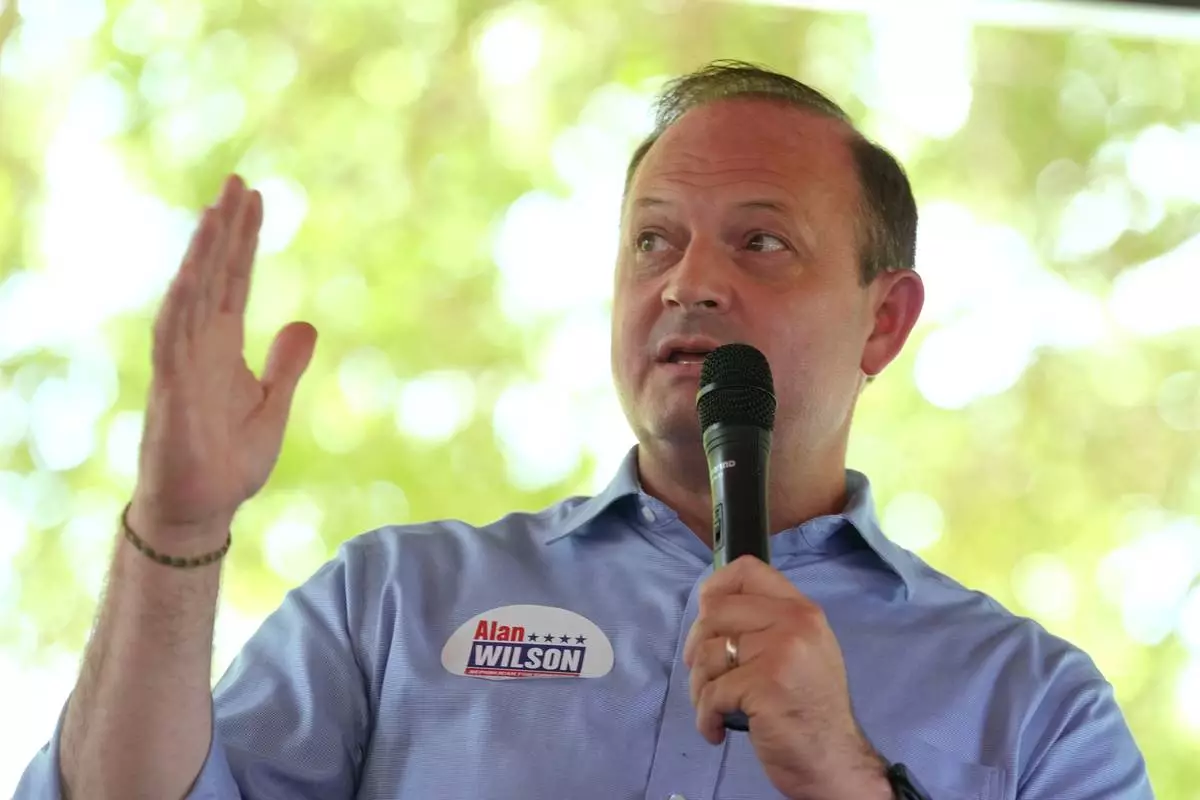
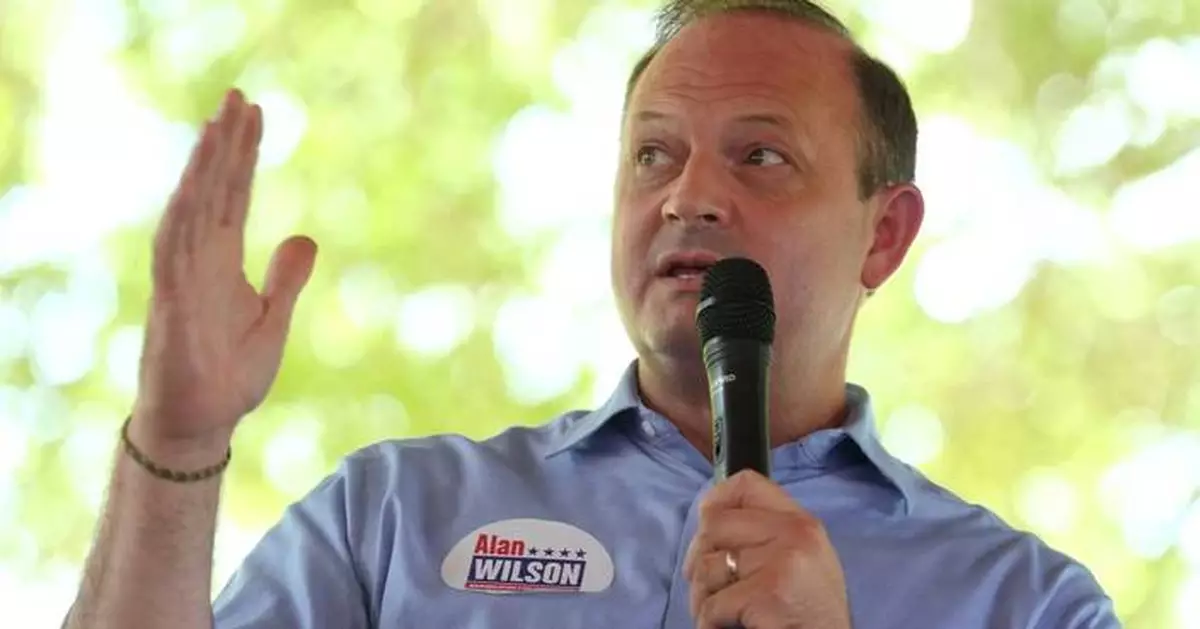
South Carolina Attorney General Alan Wilson speaks to attendees at an ice cream social supporting his gubernatorial campaign ahead of the Republican primary runoff, Monday, June 22, 2026, in Sumter, S.C. (AP Photo/Meg Kinnard)