The U.S. dollar strengthened in late trading on Monday.
The dollar index, which measures the greenback against six major peers, added 0.29 percent to 101.024 at 3 p.m. (1900 GMT).
In late New York trading, the euro declined to 1.1424 dollars from 1.1477 dollars in the previous session, and the British pound was up to 1.3244 dollars from 1.3234 dollars in the previous session.
The U.S. dollar bought 161.42 Japanese yen, higher than 161.26 Japanese yen in the previous session. The U.S. dollar added to 0.8091 Swiss francs from 0.8066 Swiss francs, and it lost to 1.4157 Canadian dollars from 1.4174 Canadian dollars. The U.S. dollar rose to 9.6212 Swedish kronor from 9.5742 Swedish kronor.
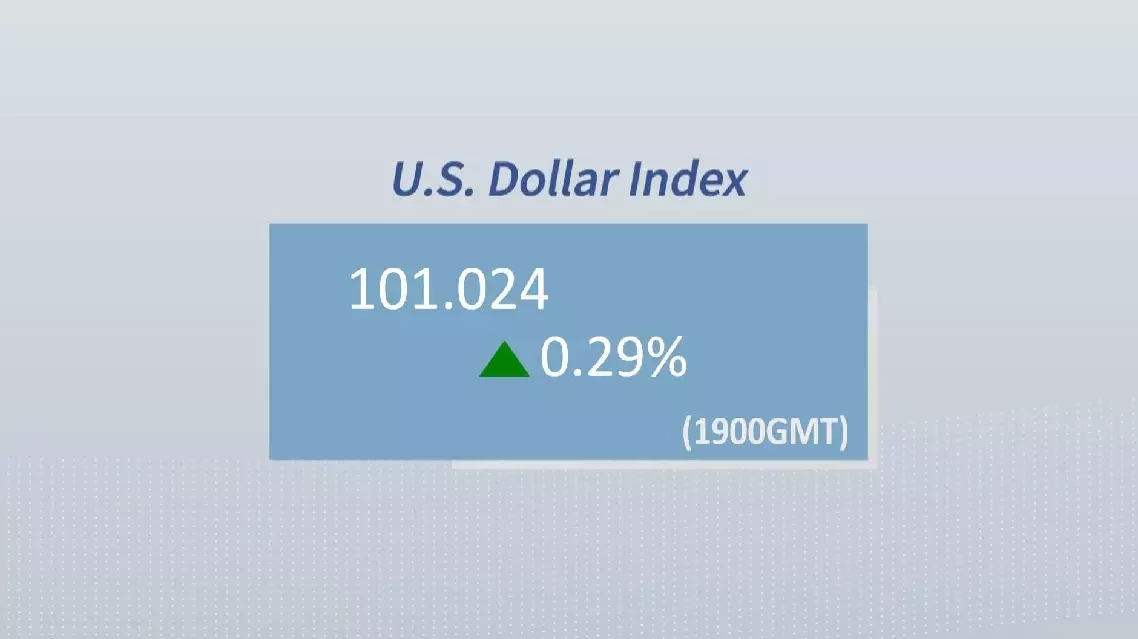
U.S. dollar ticks up
Global supply chains are moving toward greater resilience, efficiency and vitality in the long run, even as geopolitical tensions pose systemic risks, according to a report released Monday at the fourth China International Supply Chain Expo in Beijing.
The report, titled Global Supply Chain Report 2026 and published by the China Council for the Promotion of International Trade (CCPIT), added six new supply chain mappings covering artificial intelligence, 3D printing, hydrogen energy, steel, corn and maritime shipping, bringing the total number of mapped supply chains to 23 since the first expo in 2023.
The CCPIT also released global supply chain resilience indices, which this year expanded to include dedicated indices for the United States and the European Union.
The overall index readings from 2018 to 2025 show that global supply chain promotion, connectivity, innovation and resilience indices all registered gains.
"All indices registered upward movements, pointing to a stable and improving global supply chain environment in which cooperative dynamics continue to outweigh frictions. The resilience index, however, rose at a considerably slower pace than the others, which indicates that the resilience of global supply chain remains fragile and is still in a stage of gradual recovery," said Zhao Ping, dean of the Academy of CCPIT.
Experts attending the expo said that building resilient global supply chains requires countries to deepen collaboration and freely share technology, rather than resorting to the protectionist and unilateral policies that disrupt international trade.
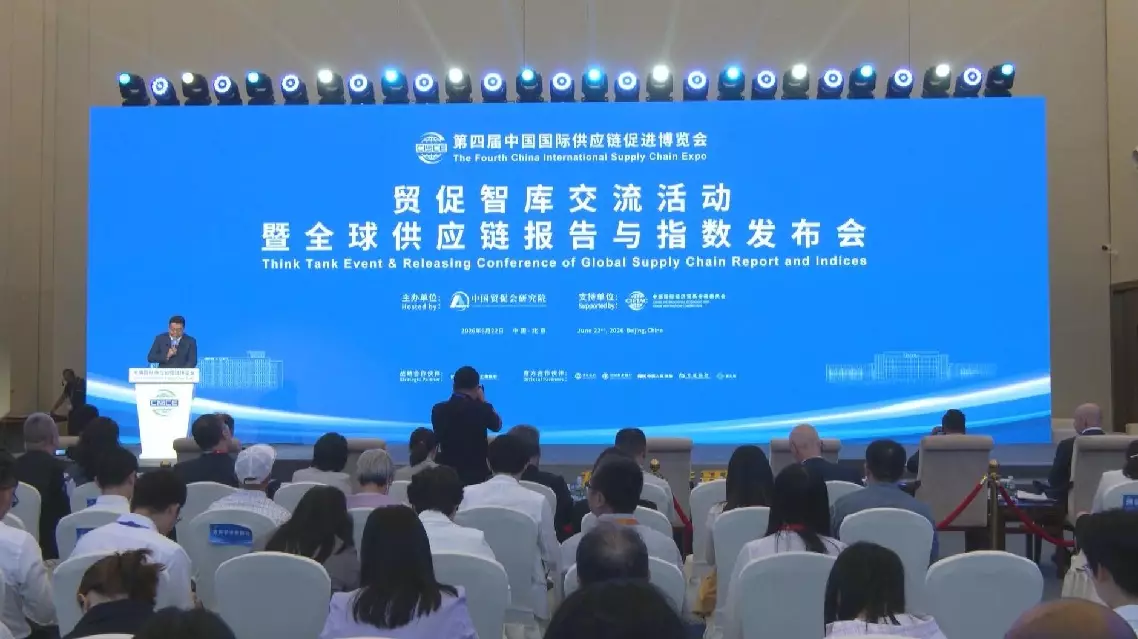
Global supply chains moving toward resilience, efficiency despite geopolitical risks: report