The structure of foreign investment in China continued to improve in the first five months of 2026, with the actual use of foreign investment in high-tech industries surging 19.4 percent year on year to 130.14 billion yuan (about 19.2 billion U.S. dollars), the latest official data showed.
The share of high-tech industries in China's actual use of foreign investment rose by 9.4 percentage points from the same period last year to nearly 40 percent in the period, according to data released by the Ministry of Commerce on Monday.
Specifically, foreign investment in research and development and design services, computer and office equipment manufacturing, and electronic and communication equipment manufacturing grew relatively rapidly, the ministry added.
From January to May, 25,297 new foreign-invested firms were established in China, a year-on-year increase of 5.3 percent, the data showed.
In May, China's actual use of foreign investment rose 5.9 percent year on year, reversing previous year-on-year monthly decline.
During the period, nearly 4,000 foreign-invested companies increased their investment in China, the ministry said.
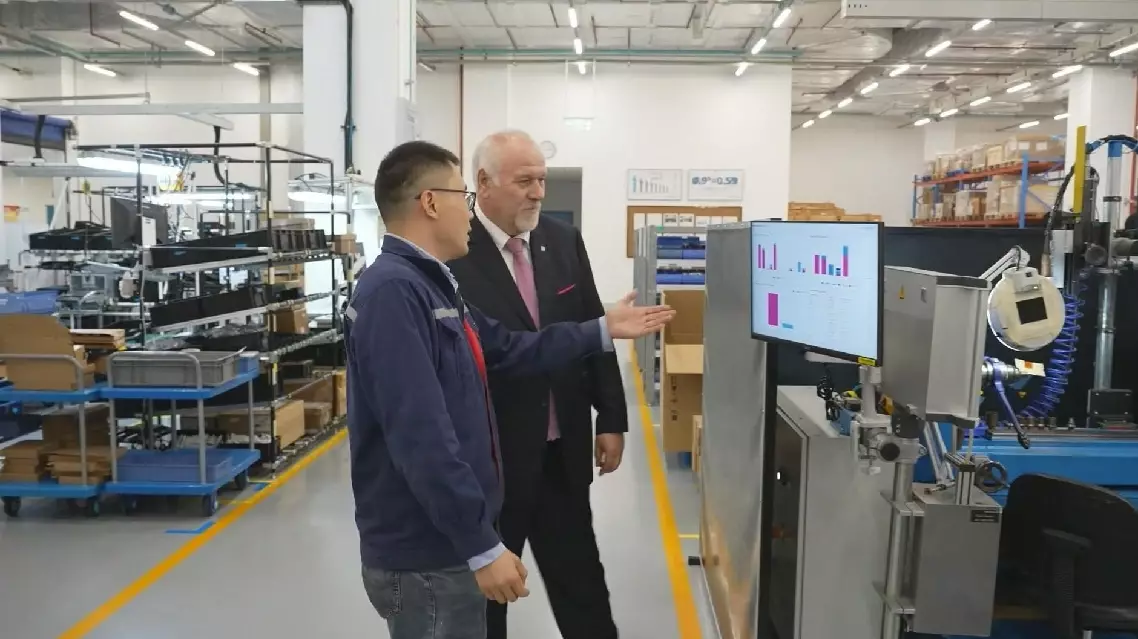
China's structure of foreign investment continues to improve: commerce ministry
China on Tuesday rolled out a package of new measures aimed at expanding automobile consumption across the industrial chain, with a particular focus on reforms in auto circulation and steps to boost the auto aftermarket.
A circular jointly issued by nine departments, including the Ministry of Commerce, rolled out multiple measures to boost the auto aftermarket, covering areas such as the orderly regulation of vehicle modification, support for the recreational vehicle (RV) camping sector, new business models for classic cars, and the promotion of motorsports.
Driven by a growing consumer preference for outdoor leisure and road trips, demand for RVs has surged in recent years, transforming the sector into a burgeoning new growth engine for both the auto and tourism industries. However, this booming market has also exposed infrastructure bottlenecks, highlighting an urgent need to improve road access and parking facilities to support the rising number of RV owners. "We have proposed measures to support local authorities in optimizing the management of RVs on roads and parking facilities, building a number of high-standard and multi-functional RV campsites, and improving supporting services such as water and electricity supply, catering and accommodation. When new public parking lots are built or existing ones are renovated in cities, we will actively set aside dedicated parking spaces for RVs," said Vice Minister of Commerce Sheng Qiuping at a press conference in Beijing on Tuesday.
According to another circular jointly issued by eight departments, 40 cities nationwide have been designated as pilot areas for auto circulation reforms, each with priorities tailored to their local conditions.
The cities, including Tianjin, Shenyang and Yangzhou, are tasked with addressing bottlenecks such as unreasonable restrictions in auto circulation and consumption, improving reform and innovation measures, and cultivating new consumption scenarios, business forms and models, the circular said.
Sheng said that in the future, relevant departments will support the pilot cities in developing automotive sports based on local conditions to promote vehicle customization as a hobby. They will also promote the growth of well-known domestic and international automotive events and create several national-level automotive sports consumption venues.
At the same time, China will optimize service supply, encourage the brand, chain and scale development of car rental businesses, and promote diversified service models such as returning rental vehicles in different cities and long-term leasing.
China will also strengthen talent cultivation in the automotive field and support universities and vocational schools in setting up related majors. A support system will also be built to consolidate the foundation for industrial development, Sheng said.
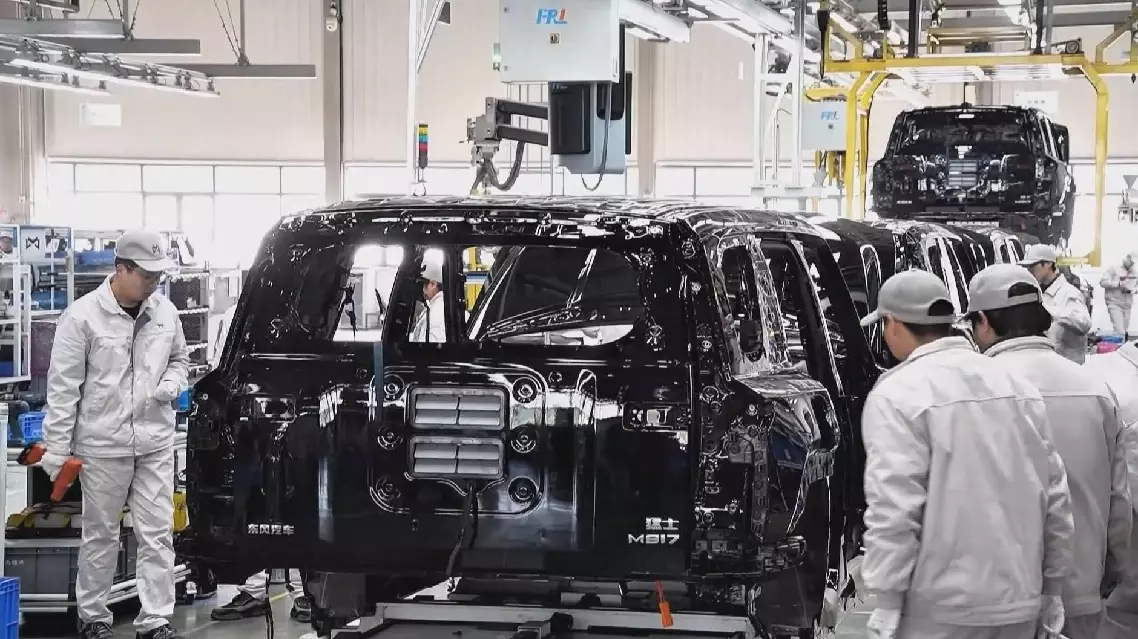
China unveils measures to boost auto consumption