BOGOTA, Colombia (AP) — A European Union mission that observed Colombia’s presidential election underscored Tuesday the transparency and efficiency of the country’s vote count process, which President Gustavo Petro has repeatedly questioned after results did not favor his preferred successor.
The independent mission deployed about 150 observers for Sunday’s runoff election, whose results show conservative outsider Abelardo de la Espriella leading by 1 percentage point, or nearly 251,000 votes, with all but a fraction of the votes counted. The mission also observed May’s first-round vote.
“We have not observed any irregularities,” mission chief Esteban González Pons, said referring to the counting process. “And as far as we have observed, Colombian legislation has been followed.”
Petro and his protégé, progressive candidate Iván Cepeda, are challenging the results. Petro also claimed fraud after Cepeda did not win last month’s election outright.
Cepeda on Sunday said his campaign would challenge the results of more than 30,000 voting stations and would not recognize results until a recount is finished. Electoral authorities are expected to complete the recount this week.
More than 26 million people voted in the runoff, setting a historic record. Of those, over 426,000 people chose a third, no-name option on the ballot that allows voters to express dislike of both candidates. About 29,000 people cast blank ballots.
The polarizing election was marked by people’s fears of a renewed internal conflict. Both candidates pitched voters widely different strategies to prevent the South American country from experiencing the nonstop merciless violence, such as car bombs, kidnappings, disappearances and forced displacements, that Colombians lived with in previous decades.
Sunday’s winner will begin a four-year term Aug. 7.
The lead-up to the runoff saw an increase in verbal attacks between the candidates in addition to accusations of fraud, vote-buying and intimidation. Petro also took issue with the software used to tally votes.
“It surprises us, and continues to surprise us, that the President of the Republic is denouncing irregularities that the candidates haven’t denounced,” González Pons told reporters after presenting the mission’s preliminary report. “It seems pointless to point this out, but he’s not a candidate.”
The mission is also observing the recount process. It will publish a final report in September.
Marta Bolívar, legal representative for the political movement of Cepeda and Petro, on Tuesday told The Associated Press that the group’s complaints relate to various aspects of the electoral process, from vote counting to voter coercion.
The movement requested a recount of the votes cast by Colombians abroad, but it was denied.
“We consider this measure unconstitutional because it is the responsibility of the National Electoral Council to conduct an international recount,” Bolívar said.
Meanwhile, de la Espriella, confident of victory, announced Tuesday that he is putting together his Cabinet. He also said he plans to add Colombia to the Trump-dubbed “Shield of the Americas,” a coalition of countries purportedly aimed at cracking down on criminal groups in Latin America.
Follow AP’s coverage of Latin America and the Caribbean at https://apnews.com/hub/latin-america
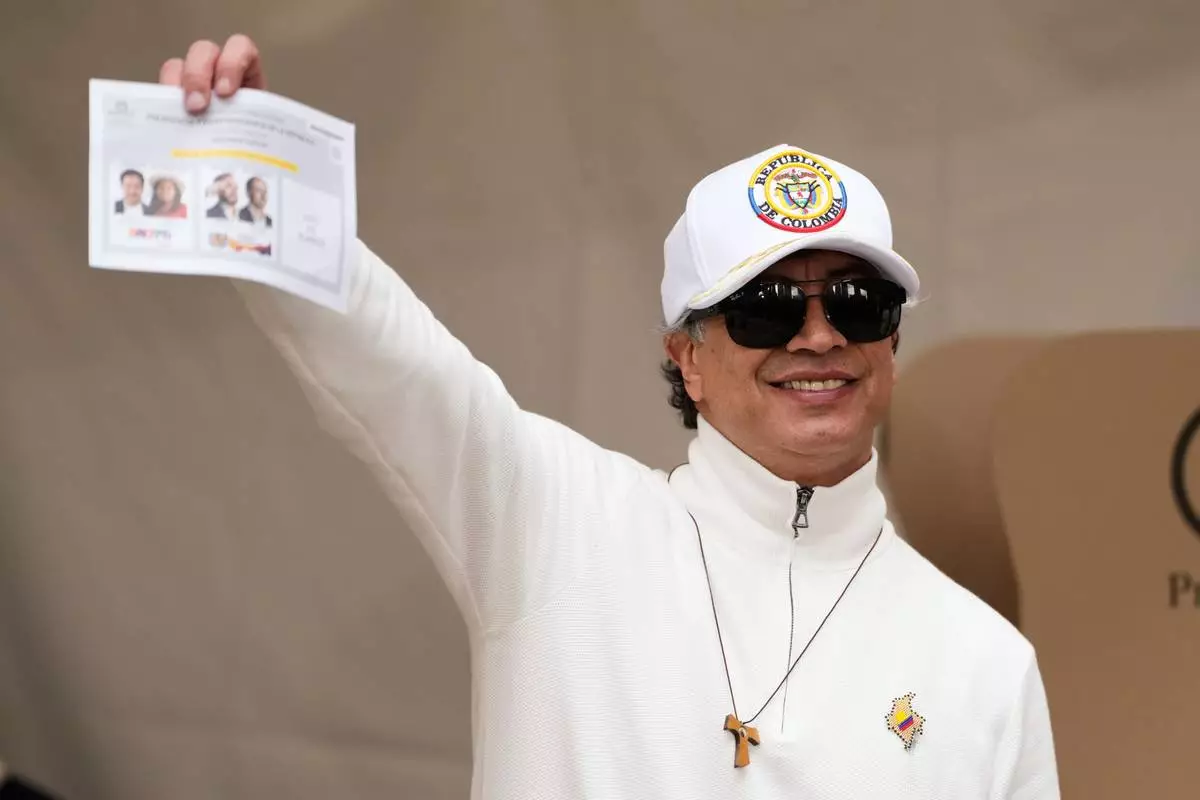
Colombian President Gustavo Petro shows a ballot during the runoff election in Bogota, Colombia, Sunday, June 21, 2026. (AP Photo/Fernando Vergara)
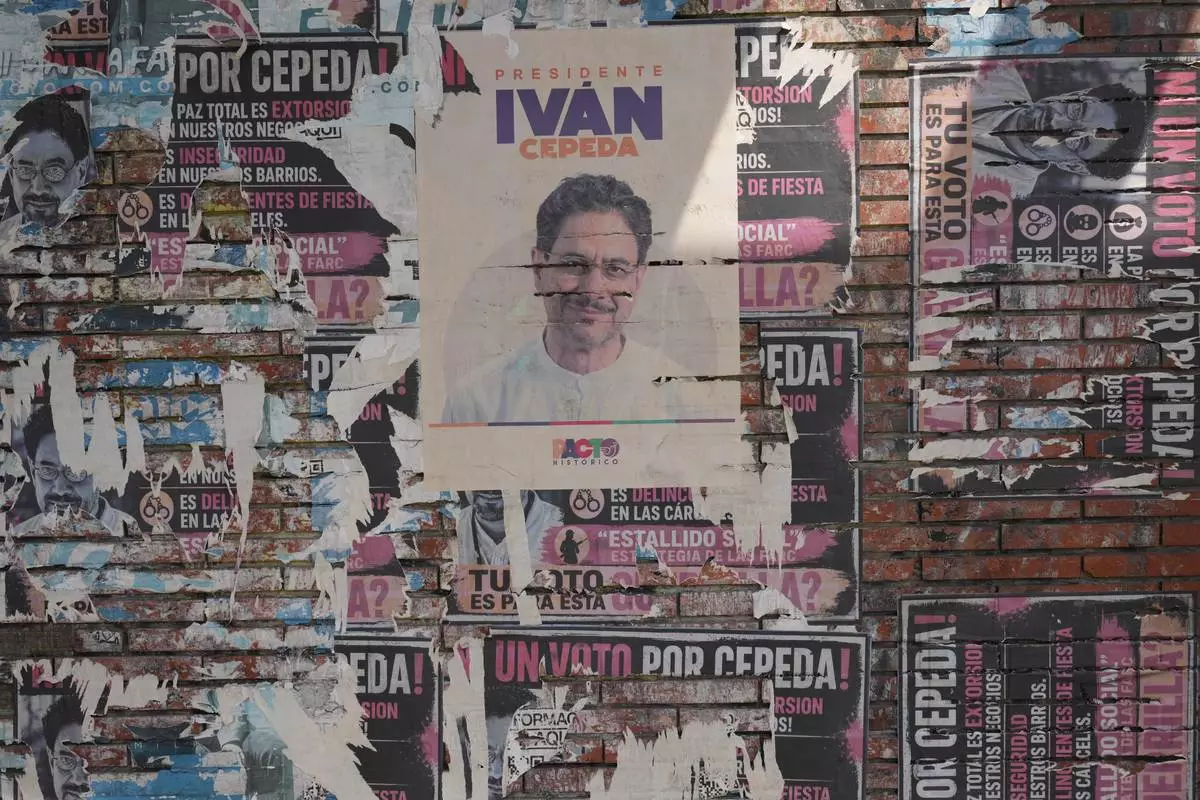
A campaign poster of presidential candidate Iván Cepeda covers a wall in downtown Barranquilla, Colombia, Monday, June 22, 2026, the day after the presidential election runoff. (AP Photo/Rodrigo Abd)
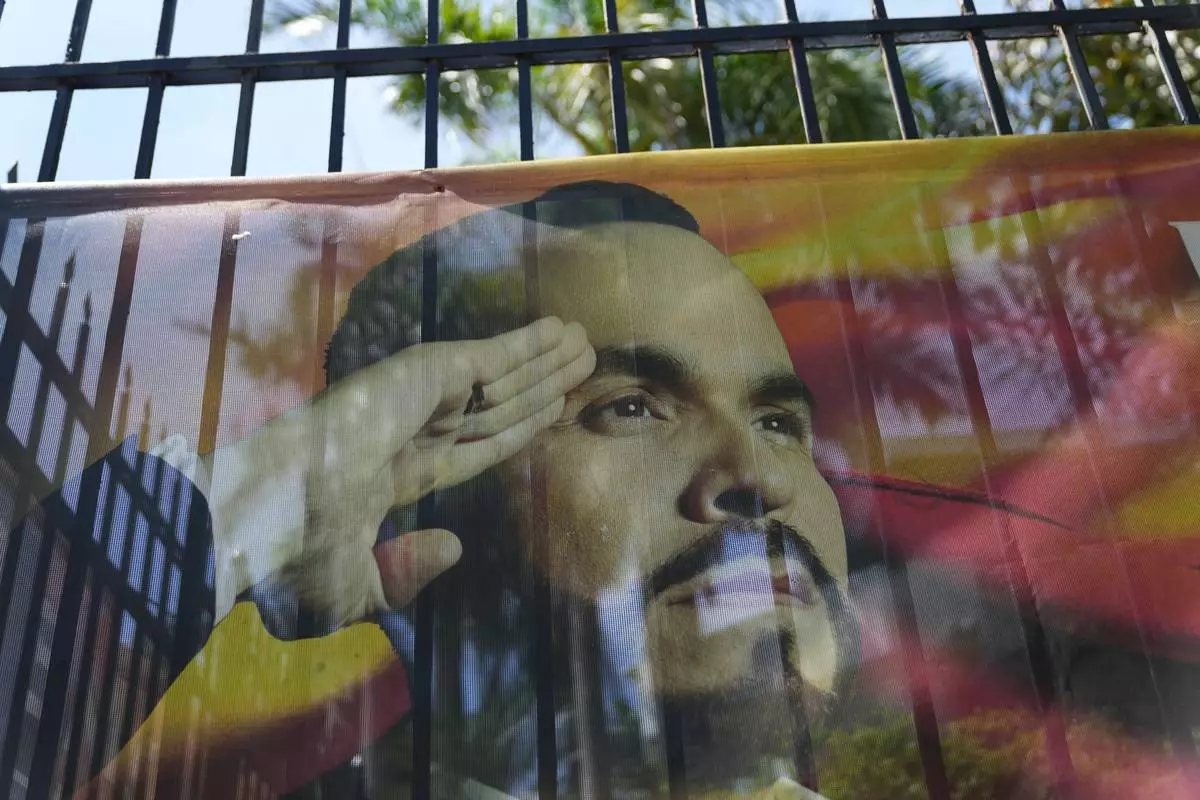
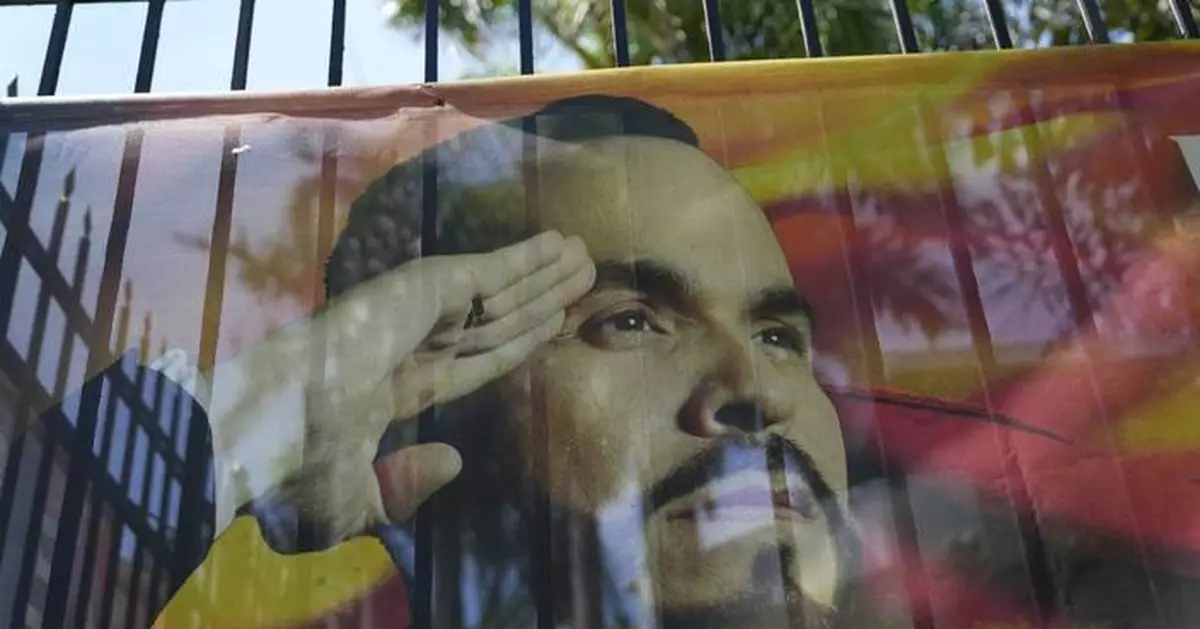
A campaign banner of presidential candidate Abelardo de la Espriella hangs outside his party's headquarters in Barranquilla, Colombia, Monday, June 22, 2026, the day after the presidential election runoff. (AP Photo/Rodrigo Abd)
The federal government can't block benefits from the nation's largest food aid program from being used to buy candy, soda and other sugary drinks, a judge ruled.
Monday's ruling scuttles restrictions now in place or planned for the federally funded and state-run Supplemental Nutrition Assistance Program in 23 states. President Donald Trump's administration has not said whether it will appeal to a higher court.
U.S. District Judge Amy Berman Jackson, who sits in Washington and was nominated to the bench by former President Barack Obama, said in her opinion that the ruling was because the federal government did not follow its own definition of “food.” She said it wasn't a comment on whether the restrictions are a good idea.
“The federal defendants and the states may have a genuine desire to improve the health of SNAP households by encouraging healthy choices at the store, and they can take lawful steps to meet those goals,” she wrote. “But what they cannot do is violate the law and their own regulations along the way.”
Agriculture Secretary Brooke Rollins and Health and Human Services Secretary Robert F. Kennedy Jr. have encouraged states to limit what the food aid can be used to buy as part of the “Make America Healthy Again” campaign.
They reason that soda and candy fuel obesity, diabetes and chronic disease epidemics — and taking them off the menu would encourage healthier food choices.
The Agriculture Department has given 23 states so far permission to implement restrictions. Some have been implemented already, while others are queued to take effect in the coming months and years.
At least one state that was set to limit soda and candy purchases changed course earlier this year. Colorado's human services board voted against implementing the ban after a March hearing in which SNAP beneficiaries and advocates said people would face stigmas if they mistakenly tried to use the benefits on prohibited items. They also said the rules were confusing because they would have allowed buying drinks with at least 50% fruit or vegetable juice, but not those with less.
While the goals are similar, the exact rules vary by state. Some wanted to ban both sugary drinks and candy, while others only sought to ban sugary beverages.
A legal challenge to the candy and soda ban — which includes items such as sports drinks in some states — was filed by SNAP beneficiaries in Colorado, Iowa, Nebraska, Tennessee and West Virginia.
Jackson said the main legal misstep in restricting what SNAP benefits could buy came because it ran contrary to Congress's definition of “food.”
Under the law, SNAP benefits — formerly known as food stamps — can be used for “any food or food product for home consumption except alcoholic beverages, tobacco, hot foods or hot food products ready for immediate consumption.”
The government can waive requirements, but limiting use of the benefits to improve nutrition isn't listed as a reason to do so. Yet when states asked the Agriculture Department to let them restrict purchases, their requests included using alternate definitions of “food.”
Rollins suggested on social media Tuesday that the administration would “keep fighting to Make America Health Again,” though she did not say directly whether there would be an appeal. Rollins said “an activist judge just blocked our commonsense restriction on using SNAP benefits for soda and junk.”
The case is among scores of challenges to Trump administration policies that hinge on whether the administration has the authority to change policies without congressional approval.
While it's a big program helping nearly 39 million Americans — about 1 in 9 — buy groceries, SNAP is normally relatively low-profile. That's been different since Trump returned to office last year.
Under his big tax and policy law signed last year, more recipients are subject to work requirements and states are being required to pay a larger share of administrative costs — and could be on the hook for benefit costs if their error rates are too high.
During a government shutdown last year, courts blocked the administration from cutting off benefits. Meanwhile, Rollins has said that there's rampant fraud in the program.
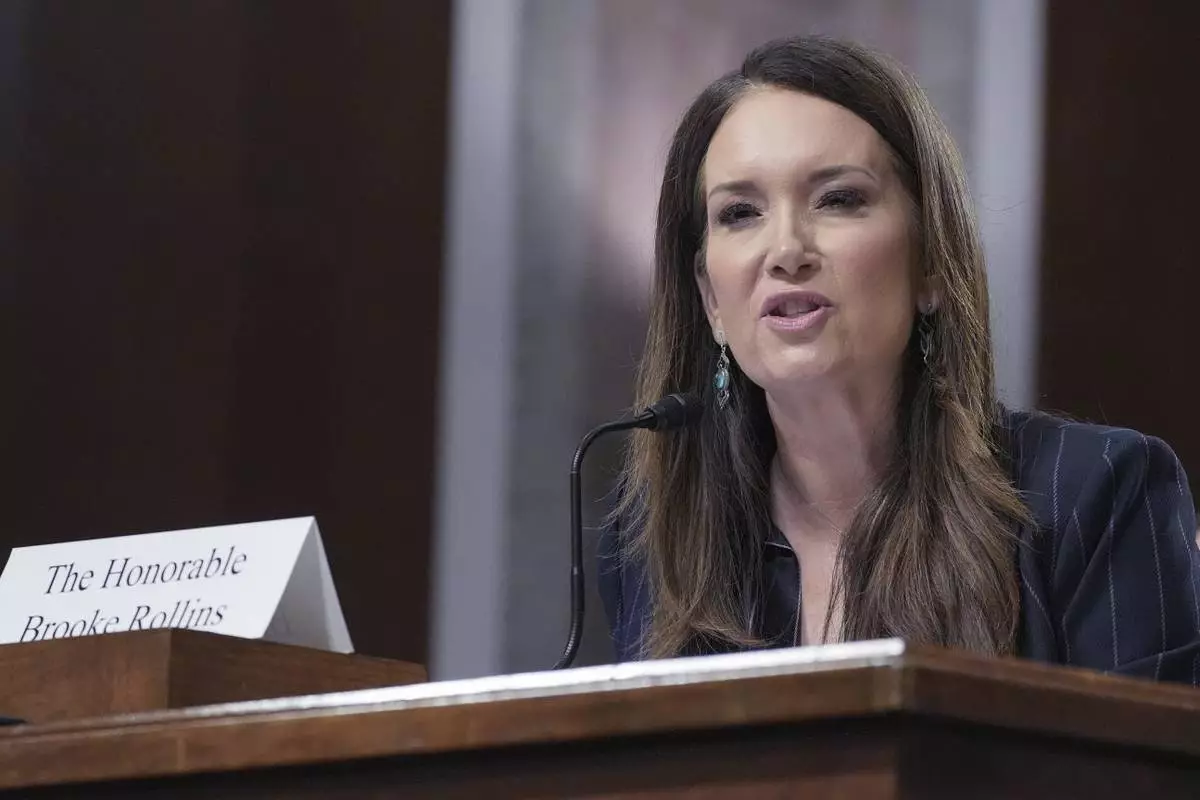
U.S. Agriculture Secretary Brooke Rollins testifies during a Senate Committee on Agriculture, Nutrition, and Forestry oversight hearing on Capitol Hill, Wednesday, June 10, 2026, in Washington. (AP Photo/Mariam Zuhaib)
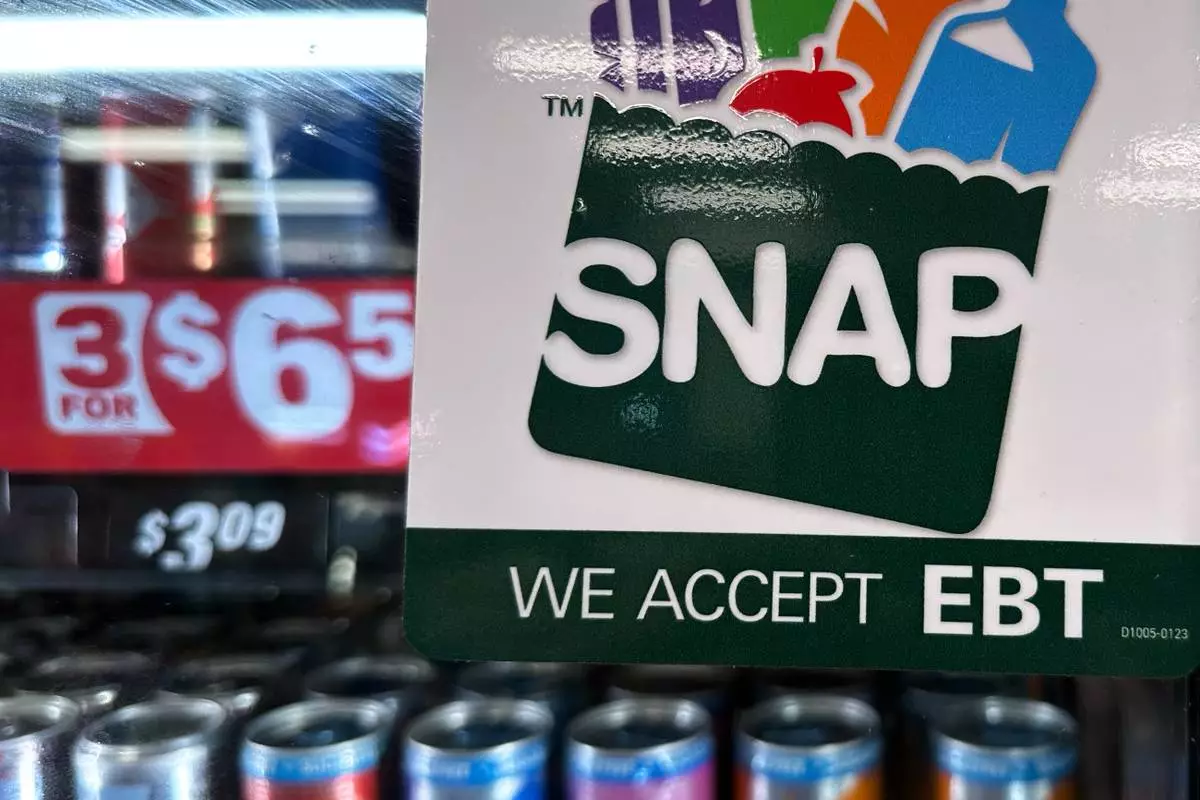
FILE - SNAP EBT information sign is displayed at a gas station in Riverwoods, Ill., Nov. 1, 2025. (AP Photo/Nam Y. Huh, File)