DUBLIN & ZAGREB, Croatia--(BUSINESS WIRE)--Jun 24, 2026--
Ilkari, a multinational sovereign infrastructure provider, today announced the integration of DC North in Croatia into its European operations, expanding its sovereign infrastructure footprint across the European Union and strengthening its multi-region platform, which includes existing operations in Iceland and Colombia.
This press release features multimedia. View the full release here: https://www.businesswire.com/news/home/20260615555566/en/
The addition marks another step in Ilkari's ongoing build-out of EU-based sovereign infrastructure, as the company continues to scale its operational presence across regulated and sovereignty-focused markets. DC North becomes part of Ilkari's broader infrastructure ecosystem, which integrates domain services, colocation and sovereign cloud into a unified end-to-end stack spanning digital identity, infrastructure delivery and sovereign workloads.
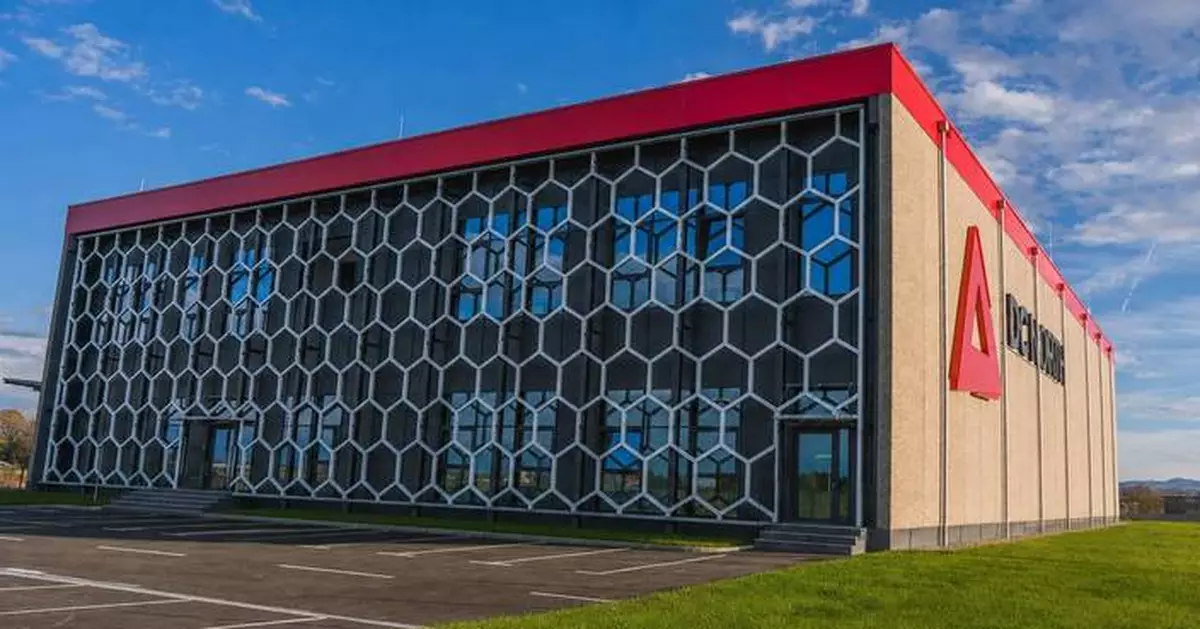
Located in Varaždin, approximately 70 kilometres north of Zagreb, DC North is a fully operational 4 MW carrier-neutral data centre designed for organisations with stringent European regulatory, operational and sovereignty requirements.
The facility offers direct connectivity to internet exchange points in Austria, Hungary and Slovenia, enabling low-latency access across key European markets and supporting cross-border interconnection requirements. As the largest carrier-neutral data centre by operational power capacity in Croatia, it serves as a strategic interconnection hub in the region with significant expansion potential.
"European organisations are increasingly reassessing where critical infrastructure is operated, how data is governed and how operational resilience is ensured across complex digital environments," said Shane Paterson, Chief Executive Officer at Ilkari. "The integration of DC North strengthens our European presence and enhances our ability to support customers that require resilient, sovereign-aligned infrastructure within the European Union."
The site holds a comprehensive range of internationally recognised certifications, including Uptime Tier III Design and Facility certification, ISO 9001, ISO 14001, ISO 20000, ISO 27001, ISO 22301, alongside PCI DSS compliance. The facility is also aligned with the EU’s Digital Operational Resilience Act (DORA), which is shaping ICT risk management, operational continuity and infrastructure requirements across financial services and other regulated industries in Europe.
"DORA alignment is becoming a decisive differentiator for regulated enterprises evaluating European infrastructure partnerships," said Paterson. "As organisations modernise critical systems and take on high-performance and AI-driven workloads, the infrastructure underneath needs to meet an increasingly high bar — from resilience, governance and connectivity to sovereign capability, all within EU jurisdiction.”
DC North continues to operate with its existing on-site management, operations, and technical teams as integration into Ilkari’s wider European operations platform progresses.
About Ilkari
Ilkari is a sovereign infrastructure provider delivering data centre services, sovereign cloud and digital infrastructure solutions across Europe and Latin America.
The company operates certified, high-performance infrastructure environments designed for operational resilience, regulatory alignment, and long-term digital sovereignty, supporting enterprise, regulated-industry, and data-intensive workloads.
Ilkari’s sovereign infrastructure platform spans data centre operations in Iceland, Croatia and Colombia. Ilkari also operates a premium domain management and digital intelligence platform.
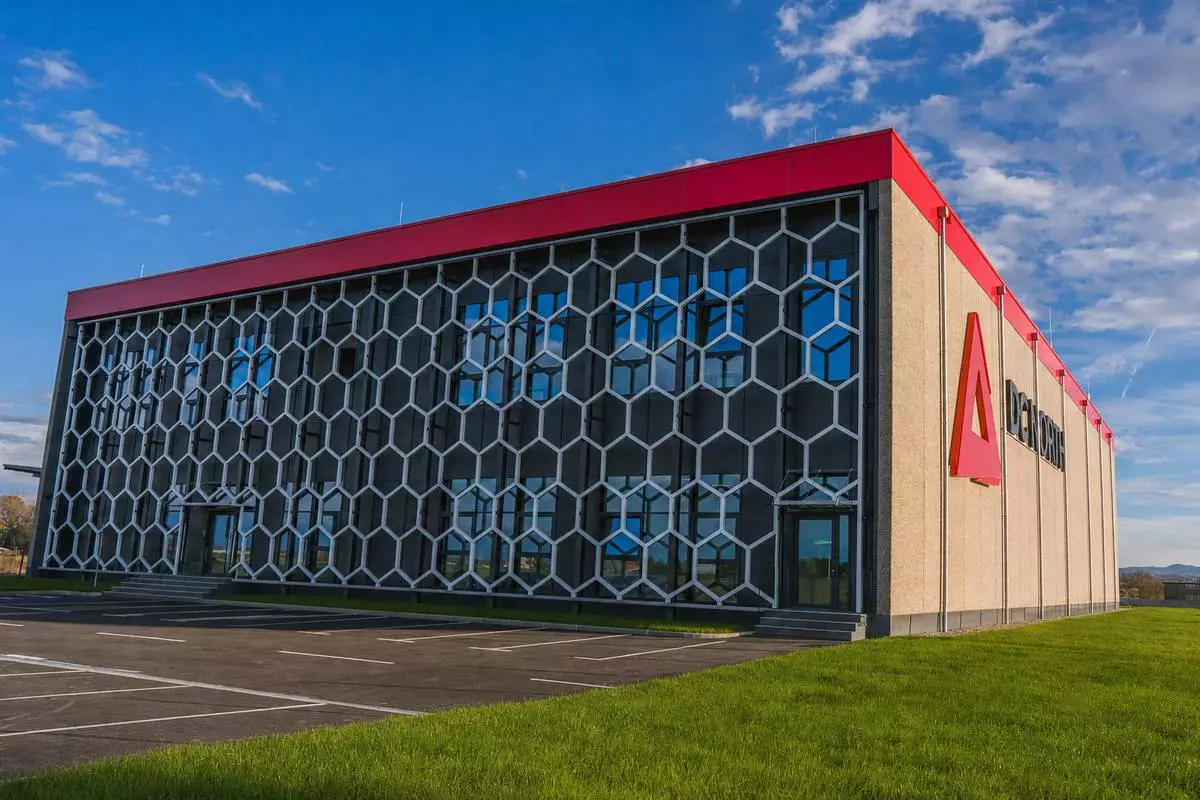
DC North in Varaždin, Croatia, is now part of Ilkari’s expanding European sovereign infrastructure operations.

SØFTEN, Denmark (AP) — Archaeologists have discovered a huge Viking Age textile production site in Denmark that dates back more than 1,000 years and underlines the sophistication of Viking society.
Experts from the Moesgaard Museum said this week that the sprawling 100,000-square-meter (more than 1 million-square-foot) site features an area for processing flax as well as more than 80 pit houses — semisubmerged huts that were used as workshops and dwellings in Viking times.
It's located in Søften, 10 kilometers (6 miles) north of Denmark’s second-largest city, Aarhus, on the Jutland peninsula. The site dates back to the late Iron Age and early Viking Age, sometime between A.D. 600 and 950.
Archaeologist Liv Stidsing Reher-Langberg, who led the 10-month dig, said that “we have a clear focus on textile production, which makes this settlement different from other kinds of settlements of this period.”
“We have spindle whorls, we have weight looms; that tells us about what has been going on in the pit houses,” said Reher-Langberg, adding that archaeologists had also discovered silver coins, glass beads and pottery.
Experts found separate areas for production and crafts, plus a single residential home, which suggests work was overseen by a powerful individual with control over resources and production.
Reher-Langberg said that, over the last three decades, people with metal detectors had unearthed several silver coins in the area. A trial excavation 1½ years ago, before the start of construction work on a new road and industrial area, then piqued archaeologists’ interest.
“We could see in the trenches that it just keeps on going, with these houses and pit houses and textile production features,” Reher-Langberg said.
Moesgaard Museum historian Kasper Andersen said that the discovery at Søften is “another piece in the puzzle” to understanding the local economic, cultural and political structure at the time.
During the Viking era, Aarhus — then known as Aros — functioned as a center for royalty and international trade. And last year, archaeologists discovered another Viking site in Lisbjerg, just 4 kilometers (2½ miles) away, that was likely home to members of the nobility.
Goods and resources were likely brought from the countryside and settlements like Søften, before entering an extensive international trade network, Andersen said.
“When you have a production site of this scale, it cannot be only because of the local area. It needs to be understood as part of a greater network, a much bigger international perspective,” Andersen said.
Reher-Langberg hopes future carbon dating and pollen analysis might answer some lingering questions, for instance about what kind of textile production went on at the site.
During the Viking Age, considered to run from A.D. 793 to 1066, Norsemen known as Vikings undertook large-scale raids, colonization, conquest and trade throughout Europe, even reaching North America.
Andersen said that the discovery at Søften shows that Vikings were “not just simple, uncivilized, barbaric hordes, rambling about Europe.”
“To have a place like Søften, you need a very well-organized society with a production line, and you also need a market to have the production,” he said. “The textiles from Søften go into a market that’s much bigger than just the local area.”
Moesgaard Museum archaeologist Liv Stidsing Reher-Langberg holds a Viking Age silver coin unearthed in Aarhus, Denmark, Monday, June 22, 2026. (AP Photo/James Brooks)
An archaeologists excavates a Viking Age pit house in Aarhus, Denmark, on June 22, 2026. (AP Photo/James Brooks)
Moesgaard Museum archaeologist Liv Stidsing Reher-Langberg holds a Viking Age glass bead unearthed in Aarhus, Denmark, on June 22, 2026. (AP Photo/James Brooks)
Moesgaard Museum archaeologist Liv Stidsing Reher-Langberg holds a Viking Age weight loom unearthed in Aarhus, Denmark, on June 22, 2026. (AP Photo/James Brooks)
An aerial shot shows an archaeological site in Soften near Aarhus, Denmark, on June 22, 2026. (AP Photo/James Brooks)