Chinese supercomputer LineShine has been officially declared the world's most powerful supercomputer on the global TOP500 list, marking China's return to the global supercomputing crown in nearly a decade.
The rankings were announced Tuesday at the ongoing International Supercomputing Conference (ISC) High Performance 2026 held in Hamburg, Germany, a major European conference and exhibition for the high-performance computing community.
Located at the National Supercomputing Center in south China's tech hub Shenzhen, LineShine outranked the U.S. system El Capitan as the world's most powerful supercomputer as measured by the High Performance Linpack (HPL) benchmark.
LineShine achieved 2.198 Exaflop/s on HPL, making it the first system on the TOP500 to exceed two exaflops of sustained double-precision performance, while El Capitan dropped to the second place with its performance at 1.809 Exaflop/s.
LineShine's crowning as the world's fastest supercomputer comes after the previous landmark Chinese supercomputer Sunway TaihuLight gained the title in 2017.
Running from Monday to Friday, this year's conference has gathered more than 3,400 participants, including scientists, engineers, technology providers, infrastructure specialists, and policymakers to discuss the latest developments in artificial intelligence, quantum technologies and supercomputing, according to a press release of the organizers.
The ISC 2026 exhibition has brought together 188 exhibitors from around the world, including Chinese technology companies such as Sugon, Huawei and Lenovo, according to the press release.
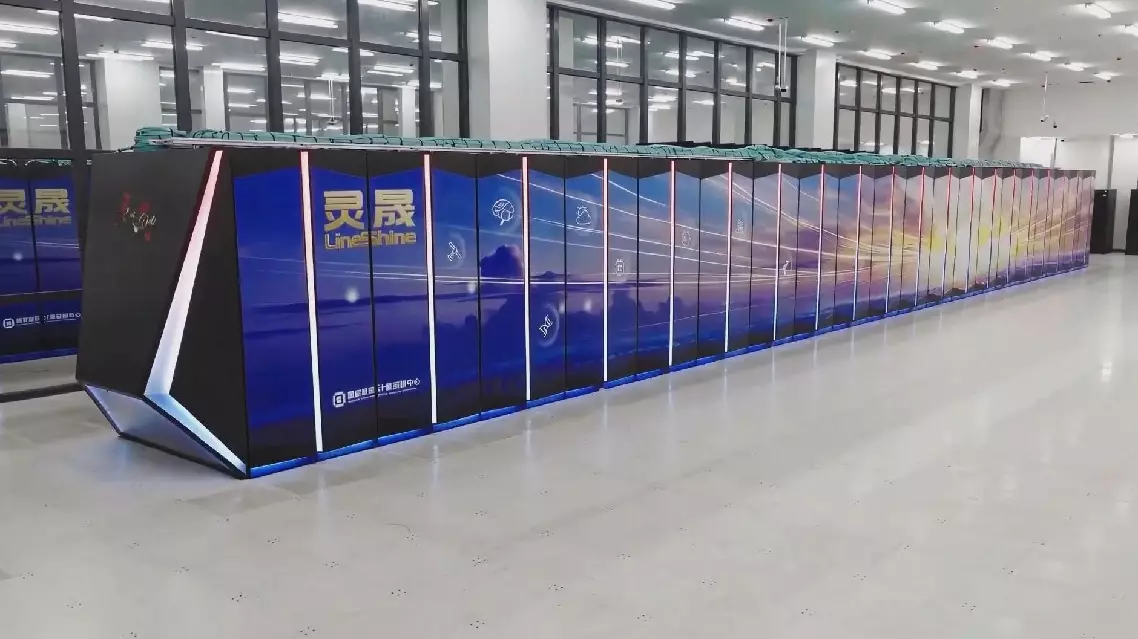
China's 'LineShine' declared world's fastest supercomputer at Hamburg conference
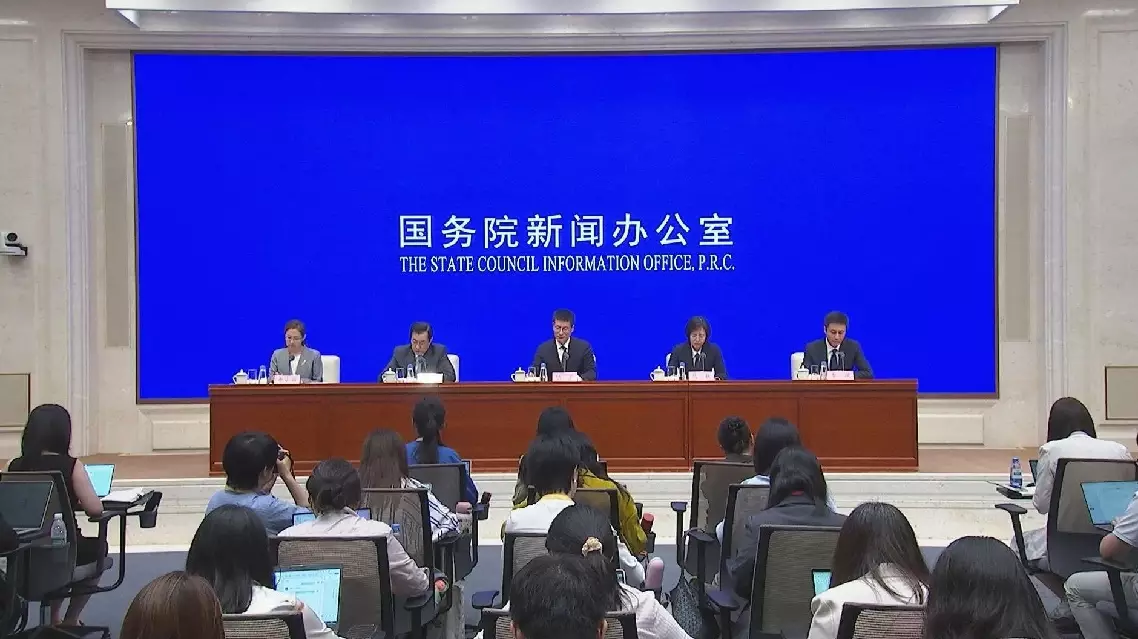
Wang Yi, a member of the Political Bureau of the Communist Party of China Central Committee and director of the Office of the Central Commission for Foreign Affairs, met with Russian Security Council Secretary Sergei Shoigu in India on Tuesday.
They are in New Delhi for the 16th Meeting of BRICS National Security Advisors and High Representatives on National Security.
Recalling two joint statements adopted by the two countries in May, Wang said China is ready to work with Russia to implement the important consensus reached by the two heads of state, strengthen comprehensive strategic coordination, promote the accelerated development and revitalization of the two countries, and make China-Russia contributions to the peaceful development of mankind.
Noting BRICS's role as an important platform for the international community to practice multilateralism, uphold fairness and justice, and promote peace and security, Wang urged China and Russia to strengthen coordination and cooperation for reinforcing and expanding the BRICS mechanism, making it a leading force of the Global South.
The meeting should converge on the consensus of BRICS countries, address security challenges, safeguard the security environment, inject more certainty into a turbulent world, and make more "BRICS contributions", Wang added.
Shoigu said the continuous close exchanges between the heads of state of Russia and China are the fundamental guarantee for the sustained development of bilateral relations, demonstrating the two countries' unique and high-level relationship.
He called for deepened mutual trust and close cooperation between the two countries to resist interference and infiltration by external forces in the security field, and oppose Japan's attempt at re-militarization.
Russia is ready to enhance strategic coordination with China in multilateral mechanisms such as the BRICS to jointly safeguard peace and stability in the region and the world.
China's top diplomat meets Russian Security Council secretary