ST. LOUIS (AP) — Bill DeWitt III was named chief executive officer of the St. Louis Cardinals on Wednesday after serving as team president since 2008.
The Cardinals also announced the promotion of Anuk Karunaratne to president of business operations as part of a restructuring following Chaim Bloom’s appointment as president of baseball operations last September.
“In some ways, it’s not that big of a change, as all of us up here have been working together closely for a couple years now,” DeWitt III said. “But in formalizing these roles, we’re just firming up the leadership structure that will lay the foundation for the next wave of organizational and team success.”
DeWitt III, 58, oversaw the opening of Busch Stadium in 2006 and the development and launch of Ballpark Village Phase I in 2014 and Phase II in 2020.
Bill DeWitt Jr. continues as chairman and principal owner and will continue his involvement in team baseball and business matters.
“Nothing’s really changed,” DeWitt Jr. said. “I stay in touch with obviously Bill III. Baseball (operations) stays in touch with me. I talk all the time, so I may or may not be here, but I’m here in spirit and available 24/7 so I’m tightly in touch with all the things we’re looking to do.”
Karunaratne joined the Cardinals in 2024 as senior vice president of business operations. He previously was the Toronto Blue Jays’ executive vice president of business operations.
“We all know what the Cardinals can be at their best,” Karunaratne said. “That’s what we’re building towards, and ultimately that matters. It matters to this organization, it matters to this city, and it matters to every one of our fans. We’re ready, and we’re going to get after it.”
The Cardinals qualified for postseason play 17 times in DeWitt Jr.’s first 27 seasons at the helm of the franchise and drew at least 2.9 million fans in every full season from 1998 through 2023.
The club, however, has not having made the postseason since 2022. Attendance has dropped to 30-year lows.
“Like the business, there’s been a lot of change, and it’s change that has been accelerating, probably over the last five years, and I think right now baseball organization is in good shape with Chaim and some of the changes he’s made,” DeWitt III said. “I come at it more as somebody that is ready and sort of willing to go a little deeper into the organization on the baseball side than perhaps I have in the past and just really learn. When you’re in this role for 18 years, you know everybody in the business side, so when issues come up, what people’s opinions are, you’re collecting them where people are coming from. I want to get to that point on the baseball side.”
DeWitt III’s promotion continues a family legacy in the game of baseball that dates back to his grandfather.
“I love pointing out my grandfather’s role here, he was here about 20 years as treasurer, worked with Branch Rickey, and that’s a point of pride for me,” DeWitt III said. “It’s pretty cool. It isn’t too often that you see, particularly in an organization like this, have that much heritage in one family.”
AP MLB: https://apnews.com/hub/mlb
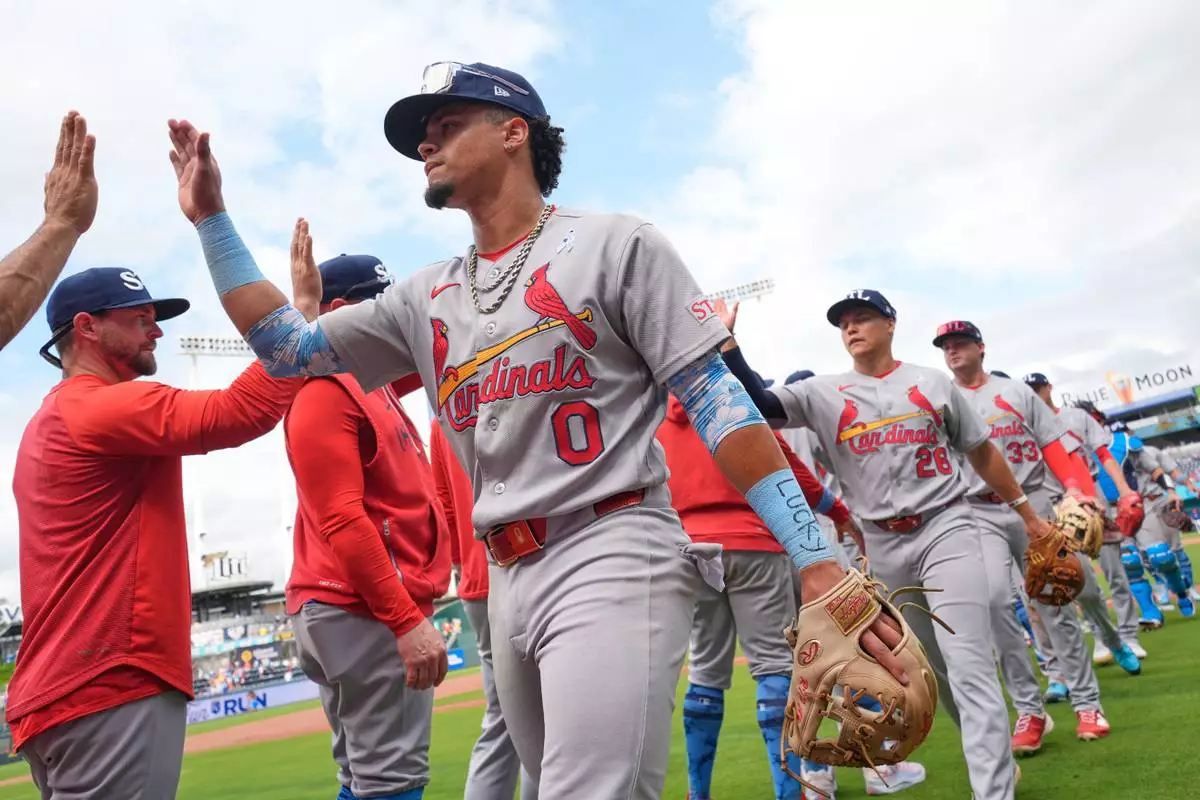
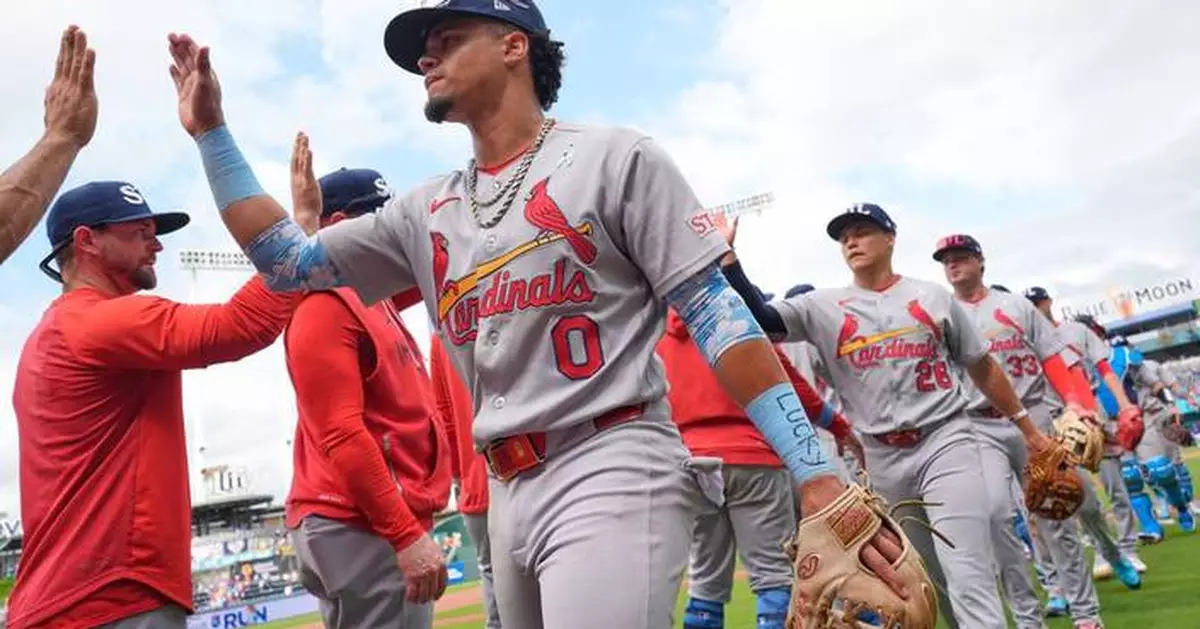
St. Louis Cardinals' Masyn Winn (0) celebrates with teammates afte a baseball game against the Kansas City Royals, Sunday, June 21, 2026, in Kansas City, Mo. (AP Photo/Charlie Riedel)
NEW YORK (AP) — Stocks wavered to a mixed close on Wall Street as losses for several tech giants including Microsoft weighed on the market. The S&P 500 fell 0.1% on Wednesday, even though more stocks rose than fell within the index. The Dow added 0.4%, and the Nasdaq composite fell 0.4%. Another decline in oil prices helped ease concerns about inflation. Brent crude dropped 3.8%, bringing it closer to where it was before the war with Iran started. Treasury yields fell in the bond market. Google parent Alphabet fell. The company will replace Verizon in the Dow next week.
THIS IS A BREAKING NEWS UPDATE. AP’s earlier story follows below.
NEW YORK (AP) — Stocks wavered in afternoon trading on Wall Street Wednesday as big technology stocks slipped and weighed on the broader market.
The S&P 500 fell 0.3%. The Dow Jones Industrial Average rose 235 points, or 0.5%, as of 3:19 p.m. Eastern. The Nasdaq composite fell 0.8%.
Technology stocks started the day higher, helping to support the market's broader gains amid easing pressure from falling bond yields and lower oil prices. But the influential tech sector is now losing ground for a third consecutive day. Big Tech companies, especially those focused on artificial intelligence, have pricey values that give them more sway over the market’s broader direction.
Nvidia fell 1.2%, following a 4.1% slump on Tuesday. Micron Technology, which reports its latest results later Wednesday, fell 4.1% following its 13.2% plunge on Tuesday. Microsoft fell 1.3%.
Google's parent company Alphabet fell 0.8%. The company is replacing Verizon in the Dow on Monday. The company’s inclusion in the S&P 500 means more to investors, however, because 401(k) accounts are much more likely to include an S&P 500 index fund than anything tied to the Dow.
Alphabet will become the fifth Magnificent 7 company to join the Dow. The others are Apple, Amazon, Microsoft and Nvidia.
Technology companies, especially those with a big focus on artificial intelligence, have been behind Wall Street's record-setting run throughout the year. Analysts have warned, however, that their valuations may have become stretched.
“The next phase of the AI investment cycle is beginning to collide with market discipline," said Jason Vaillancourt, chief portfolio strategist at Columbia Threadneedle, in a research note.
Oil prices continued slipping as the U.S. and Iran negotiate a possible end to their war. Brent crude, the international standard, fell 3.8% to $73.87 a barrel. It has been trading below $80 in recent days but is still above the roughly $70 per barrel it was trading at in late February before the war began. U.S. crude prices fell 3.9% to $70.34 a barrel.
Oil companies had some of the biggest losses. Exxon Mobil fell 2.4% and Chevron lost 2.3%.
Some of the bigger winners on Wall Street included homebuilders following approval of legislation beneficial to the industry. KB Home surged 16.7% and D.R. Horton jumped 7%.
Treasury yields mostly fell, removing some pressure from stocks. The yield on the 10-year Treasury fell to 4.40% from 4.50% late Tuesday. The yield on the 2-year Treasury eased to 4.14% from 4.16%.
Treasury yields are still elevated from earlier in the year, especially the 2-year Treasury, which more closely tracks anticipated action from the Federal Reserve. The central bank has signaled that it is considering raising its benchmark interest rate by the end of the year. Wall Street is forecasting at least one hike to interest rates by December, according to data from CME Group.
The Fed is worried about stubborn inflation, which had been rising throughout the year as tariffs raised the costs for a wide range of goods. A shock to energy prices because of the U.S. war with Iran worsened inflation. Gasoline prices surged and shipping costs rose. The impact is expected to linger even as oil and gasoline prices fall.
The central bank will get a fresh update on inflation Thursday, when its preferred measure for prices is released. Economists expect the Personal Consumption Expenditures price index, or PCE, to show that prices rose 4.1% in May. That would be the highest level in three years.
“Thursday’s PCE is set to take on greater importance for markets, especially since Federal Reserve Chair (Kevin) Warsh was emphatic in last week’s meeting about the central bank’s desire to achieve price stability,” wrote Rick Gardner, chief investment officer at RGA Investments, in a research note.
Gold prices fell 3.4% to settle at $4,008.80 an ounce. Earlier in the day, it briefly traded below $4,000, and hasn't settled below that level since November. Gold was above $5,000 an ounce earlier in the year. The precious metal is often seen as a barometer of the appetite for risk among investors, with more buying at times of increased anxiety and more selling as anxiety eases.
Markets were mixed in Europe and Asia.
AP Business Writers Chan Ho-him and Matt Ott contributed to this report.
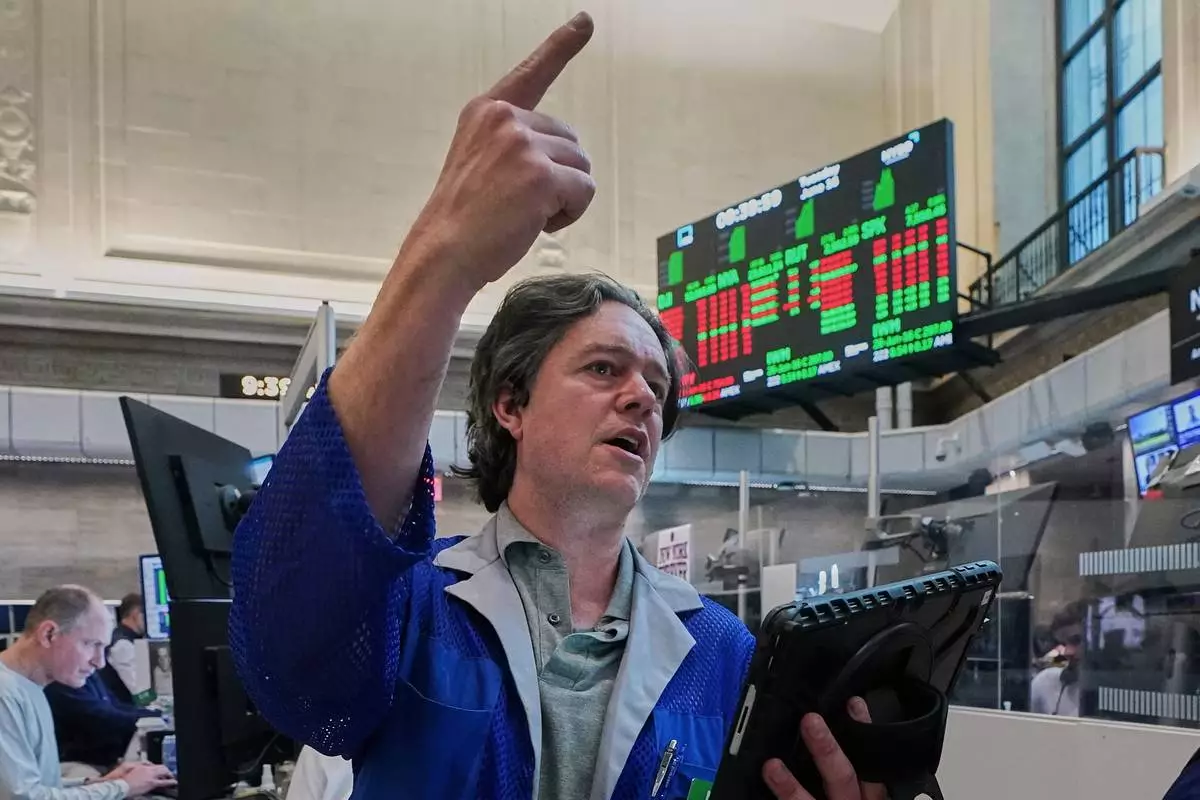
Options trader Doran Swan works on the floor of the New York Stock Exchange, Tuesday, June 16, 2026. (AP Photo/Richard Drew)
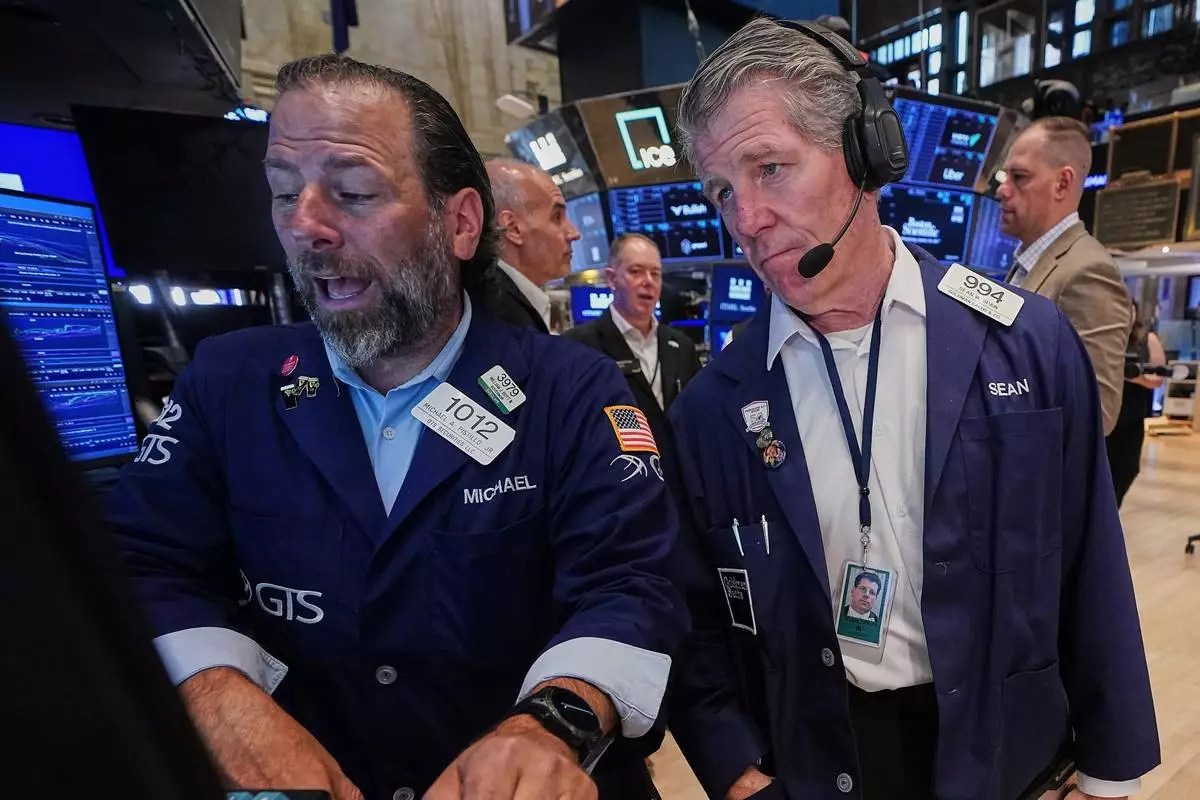
Specialist Michael Pistillo, left, and trader Sean Spain work on the floor of the New York Stock Exchange, Tuesday, June 16, 2026. (AP Photo/Richard Drew)
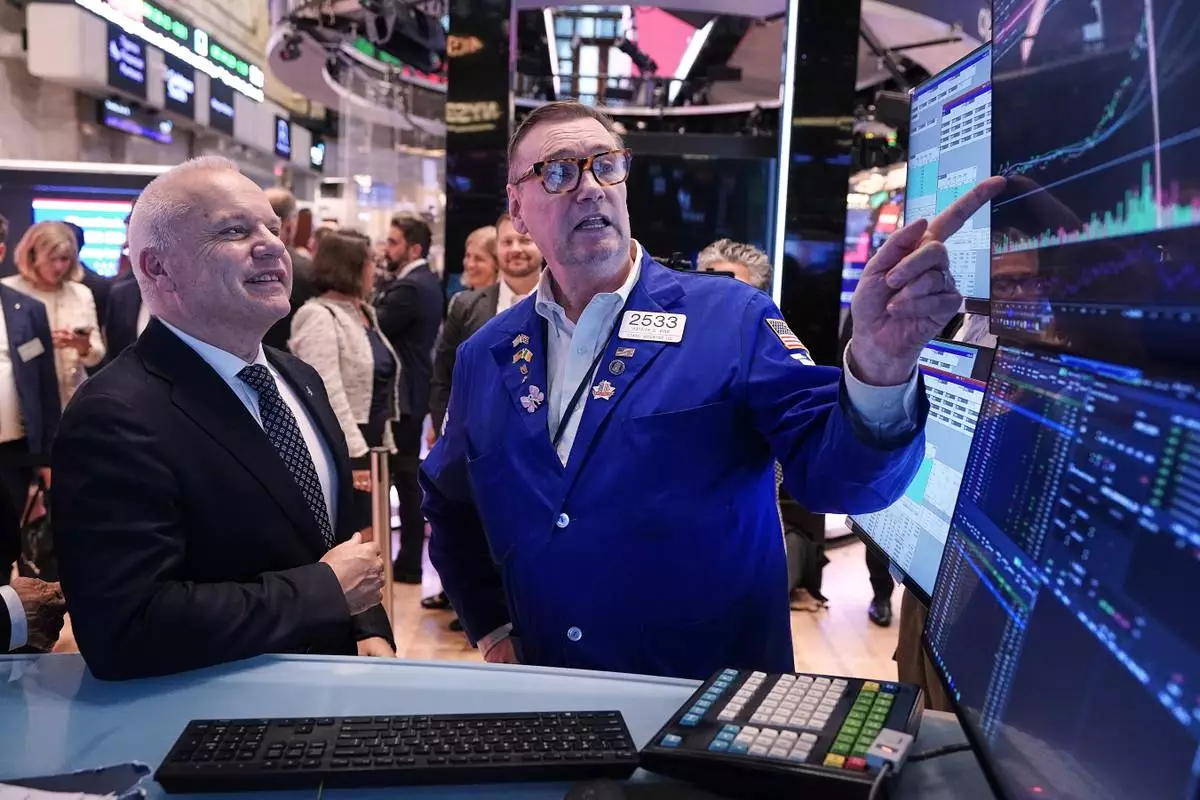
Anders Opedal, President and CEO of Norway's Equinor, left, meets with specialist Patrick King on the floor of the New York Stock Exchange, after he rang the closing bell, Tuesday, June 16, 2026. (AP Photo/Richard Drew)
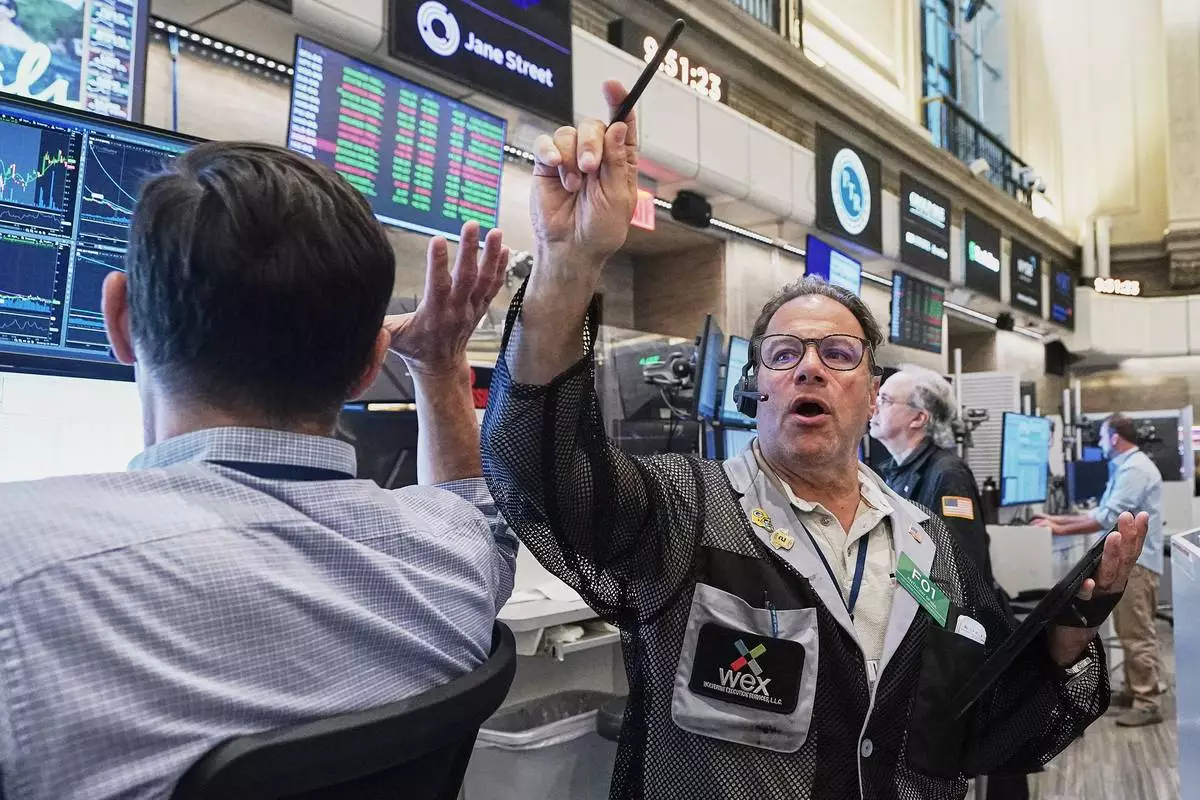
Options trader Anthony Spina, center, works on the floor of the New York Stock Exchange, Tuesday, June 16, 2026. (AP Photo/Richard Drew)
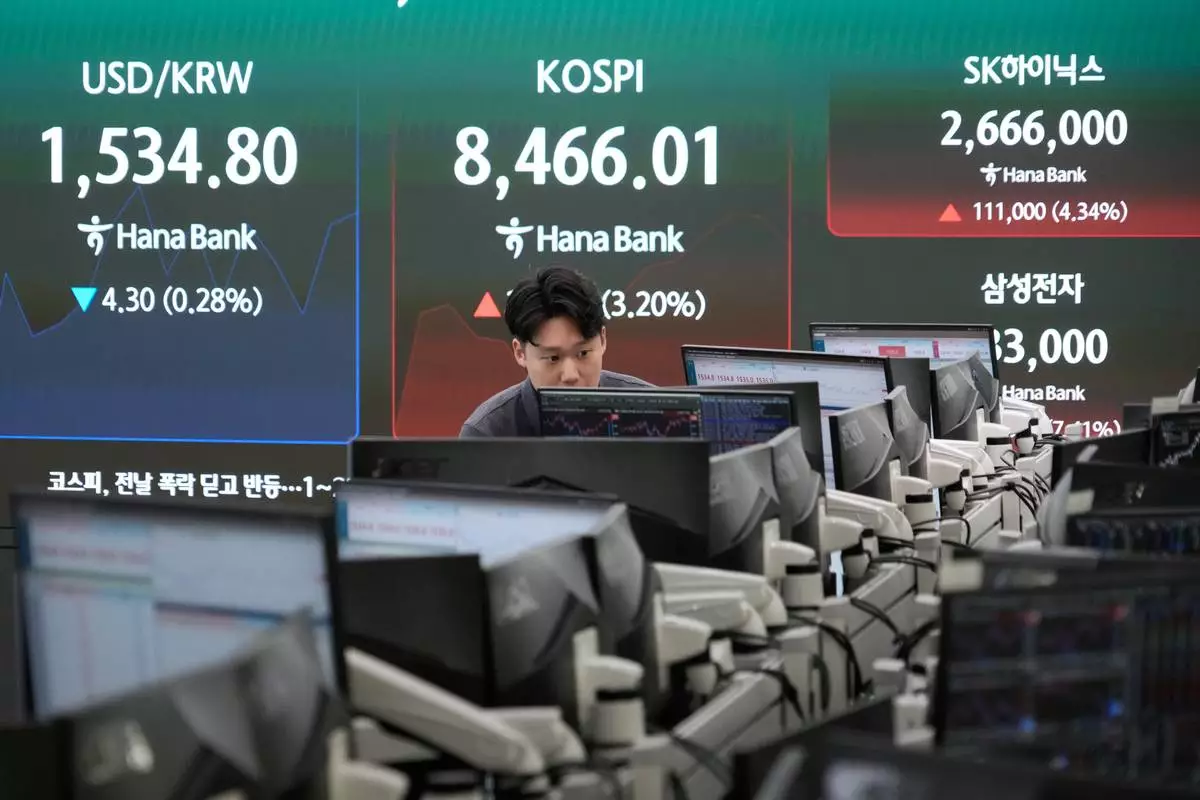
A currency trader watches monitors near a screen showing the Korea Composite Stock Price Index (KOSPI) and the foreign exchange rate between U.S. dollar and South Korean won at the foreign exchange dealing room of the Hana Bank headquarters in Seoul, South Korea, Wednesday, June 24, 2026. (AP Photo/Ahn Young-joon)
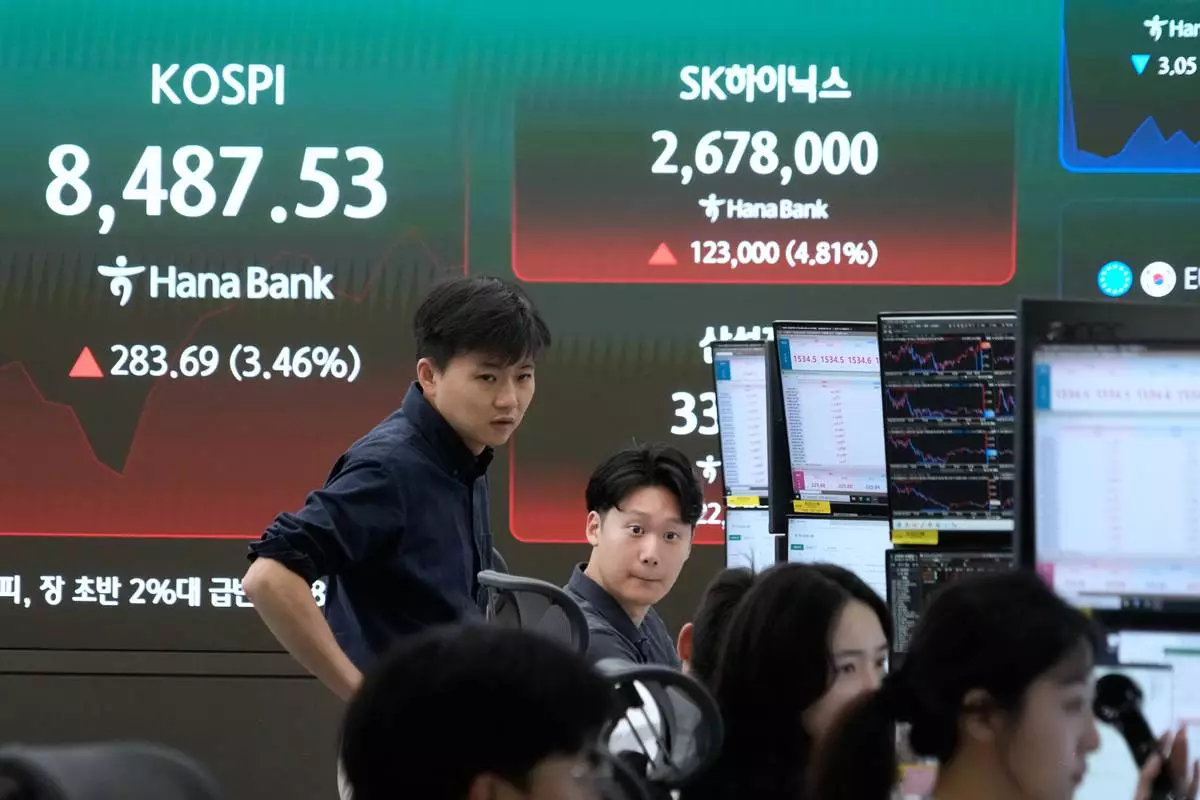
Currency traders work near a screen showing the Korea Composite Stock Price Index (KOSPI) at the foreign exchange dealing room of the Hana Bank headquarters in Seoul, South Korea, Wednesday, June 24, 2026. (AP Photo/Ahn Young-joon)
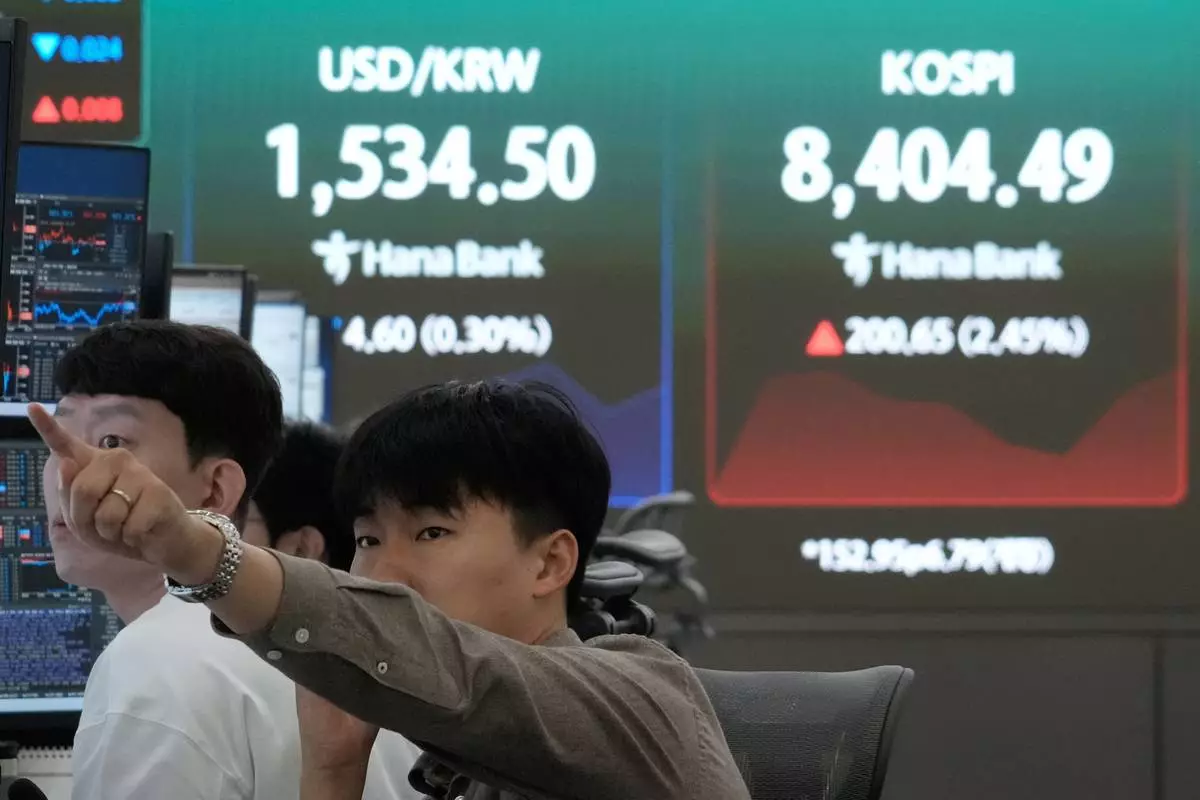
A currency trader watches monitors near a screen showing the Korea Composite Stock Price Index (KOSPI) and the foreign exchange rate between U.S. dollar and South Korean won at the foreign exchange dealing room of the Hana Bank headquarters in Seoul, South Korea, Wednesday, June 24, 2026. (AP Photo/Ahn Young-joon)
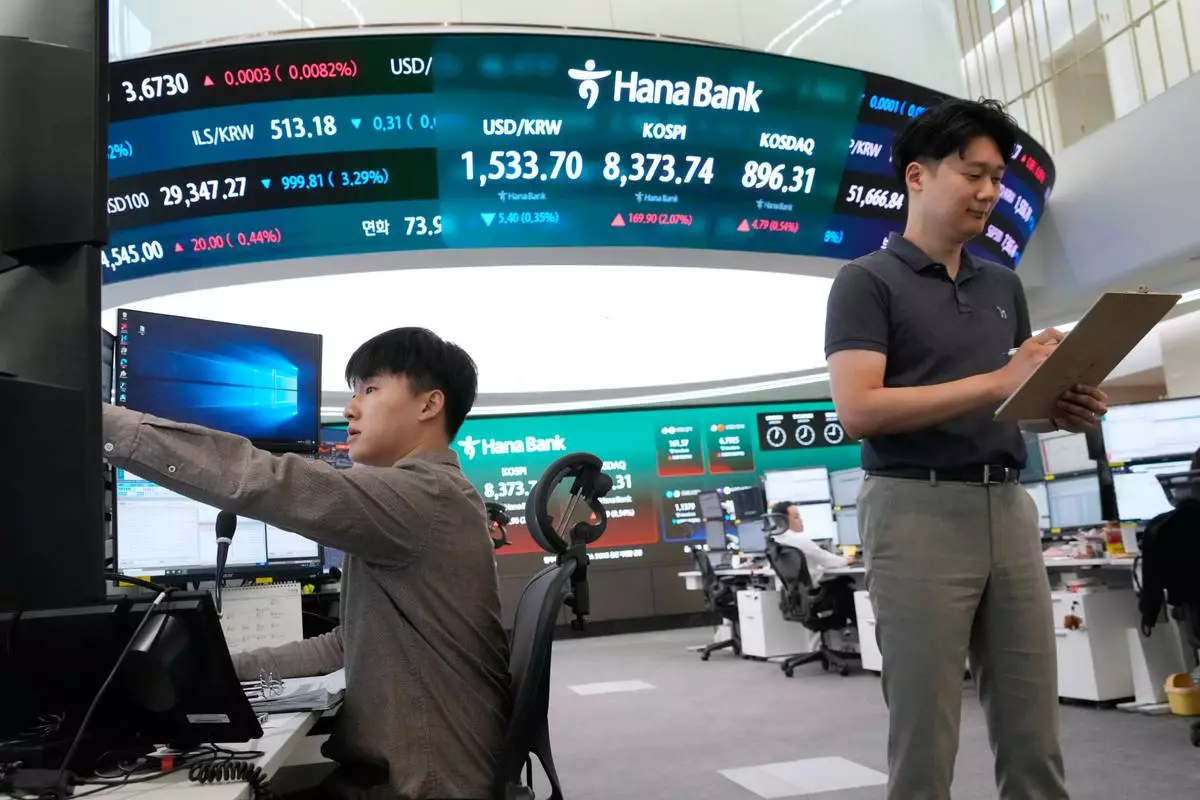
Currency traders work near a screen showing the Korea Composite Stock Price Index (KOSPI) and the foreign exchange rate between U.S. dollar and South Korean won at the foreign exchange dealing room of the Hana Bank headquarters in Seoul, South Korea, Wednesday, June 24, 2026. (AP Photo/Ahn Young-joon)