Skip to Content Facebook Feature Image

Shiite Muslims collectively mourn to mark Muharram and Ashoura

News

Shiite Muslims collectively mourn to mark Muharram and Ashoura
News

News

Shiite Muslims collectively mourn to mark Muharram and Ashoura

2026-06-25 12:45 Last Updated At:13:01

Shiite Muslims have been observing a solemn period of communal mourning leading to the day of Ashoura, which marks the seventh century killing of Hussein, a revered leader and a grandson of Prophet Muhammad.

Annual day of Ashoura commemorations are observed on the 10th day of the month of Muharram in the lunar-based Islamic calendar. In Shiite communities, Ashoura is viewed as a symbol of struggle against injustice and tyranny.

More Images
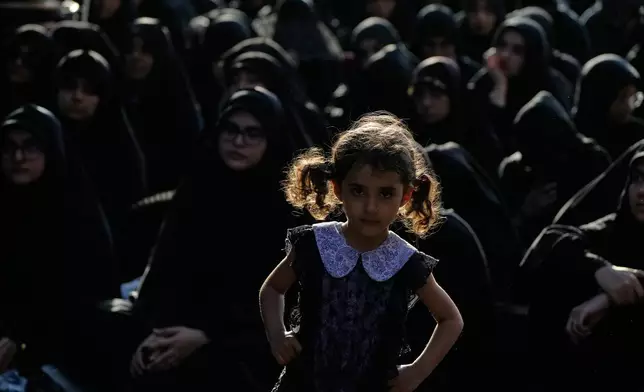
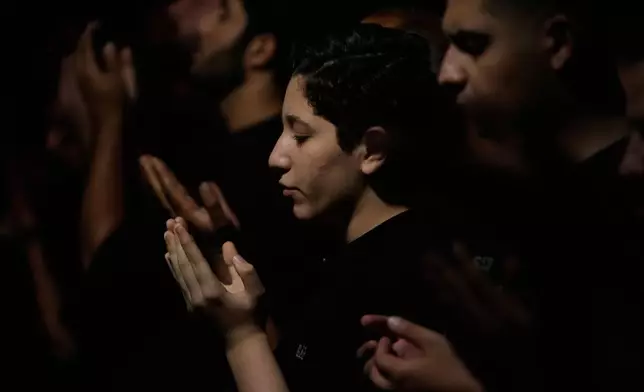
A girl looks on as women sit during a mourning ceremony in Tehran, Iran, Thursday, June 18, 2026, ahead of Ashoura, which honors the 7th-century martyrdom of the Prophet Muhammad's grandson, Hussein, who was killed in a battle in Karbala in present-day Iraq. (AP Photo/Vahid Salemi)
A girl looks on as women sit during a mourning ceremony in Tehran, Iran, Thursday, June 18, 2026, ahead of Ashoura, which honors the 7th-century martyrdom of the Prophet Muhammad's grandson, Hussein, who was killed in a battle in Karbala in present-day Iraq. (AP Photo/Vahid Salemi)

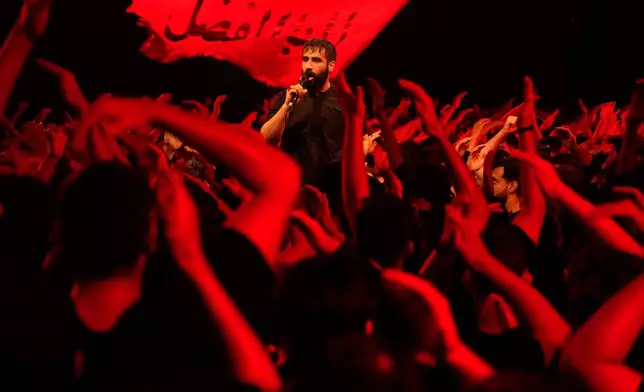
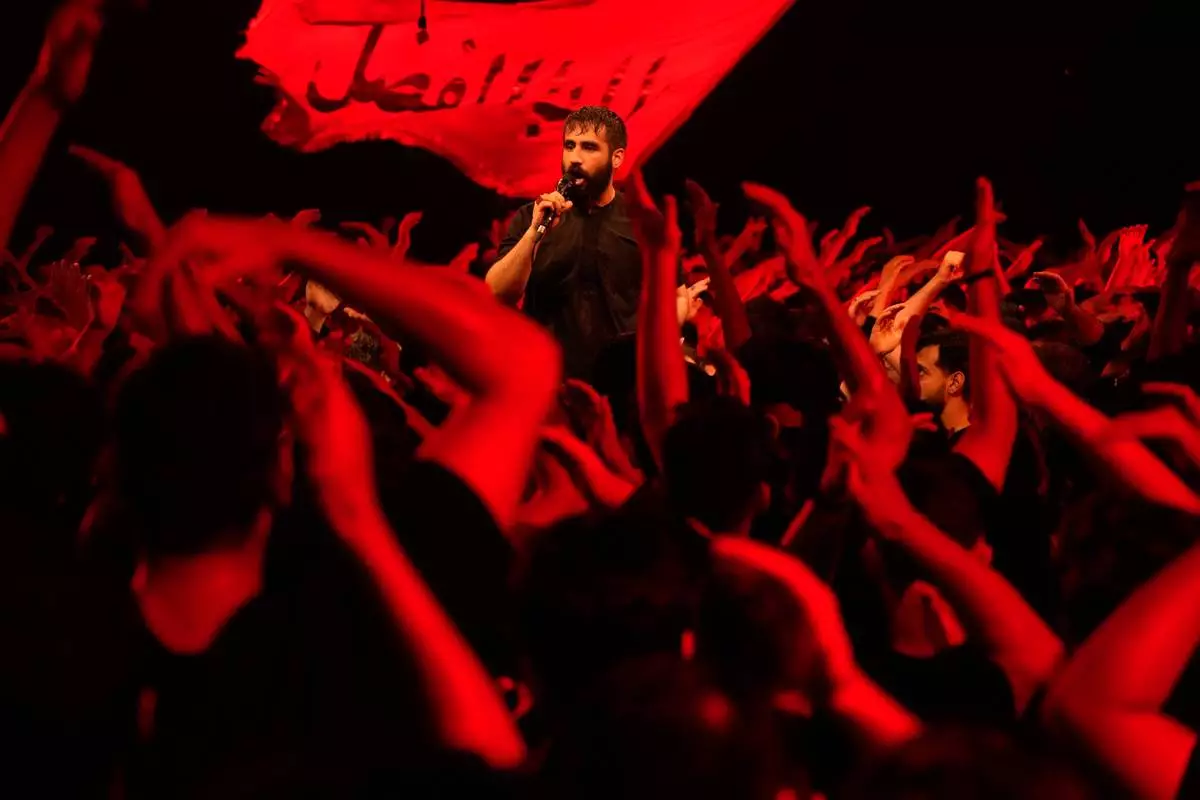
Iranians attend a mourning ceremony in Tehran, Iran, Tuesday, June 23, 2026, prior to Ashoura, which commemorates the 7th-century martyrdom of Imam Hussein, one of Prophet Muhammad's grandsons and one of Shiite Islam's most beloved saints, and 72 of his companions, who were killed in a battle in Karbala in present-day Iraq. (AP Photo/Vahid Salemi)
Iranians attend a mourning ceremony in Tehran, Iran, Tuesday, June 23, 2026, prior to Ashoura, which commemorates the 7th-century martyrdom of Imam Hussein, one of Prophet Muhammad's grandsons and one of Shiite Islam's most beloved saints, and 72 of his companions, who were killed in a battle in Karbala in present-day Iraq. (AP Photo/Vahid Salemi)
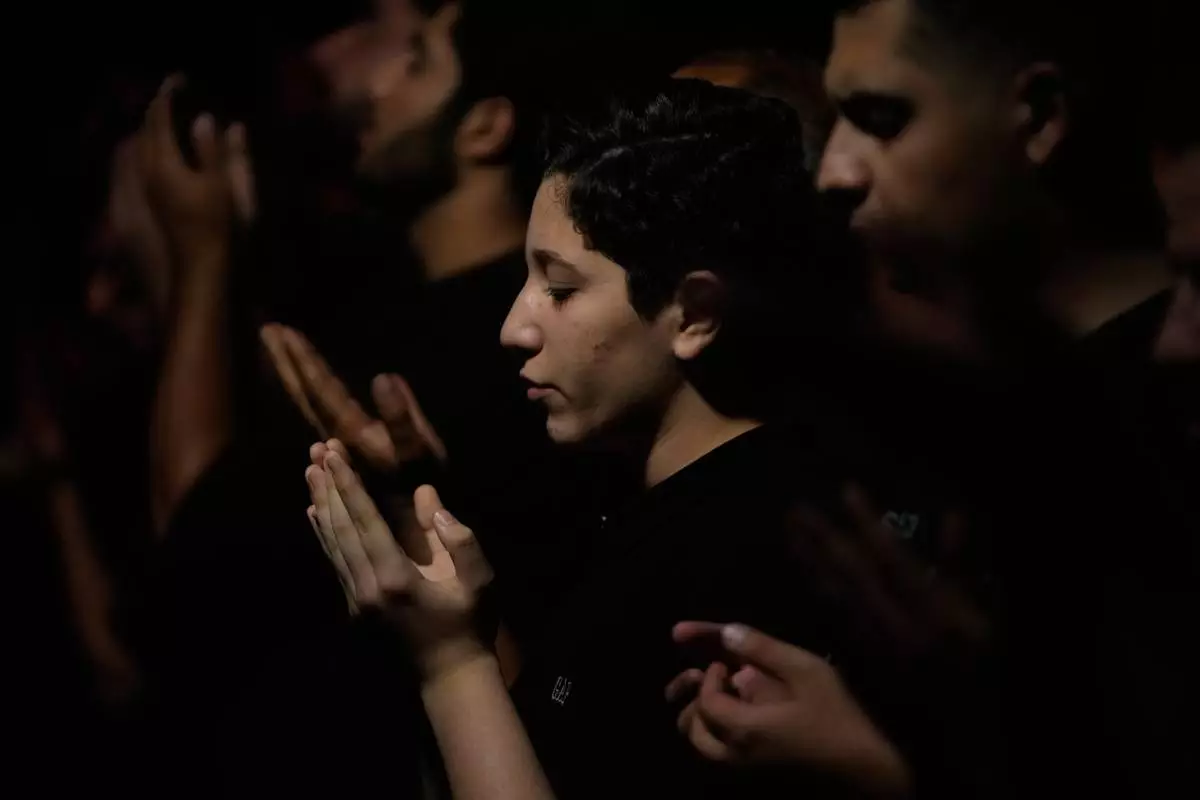
Iranians perform their evening prayers in a mourning ceremony in Tehran, Iran, Tuesday, June 23, 2026, prior to Ashoura, which commemorates the 7th-century martyrdom of Imam Hussein, one of Prophet Muhammad's grandsons and one of Shiite Islam's most beloved saints, and 72 of his companions, who were killed in a battle in Karbala in present-day Iraq. (AP Photo/Vahid Salemi)

Iranians perform their evening prayers in a mourning ceremony in Tehran, Iran, Tuesday, June 23, 2026, prior to Ashoura, which commemorates the 7th-century martyrdom of Imam Hussein, one of Prophet Muhammad's grandsons and one of Shiite Islam's most beloved saints, and 72 of his companions, who were killed in a battle in Karbala in present-day Iraq. (AP Photo/Vahid Salemi)

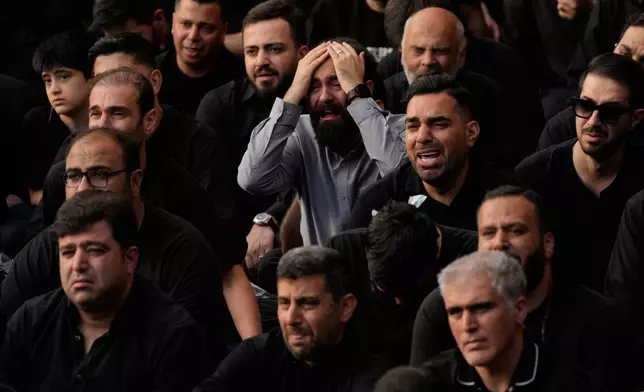
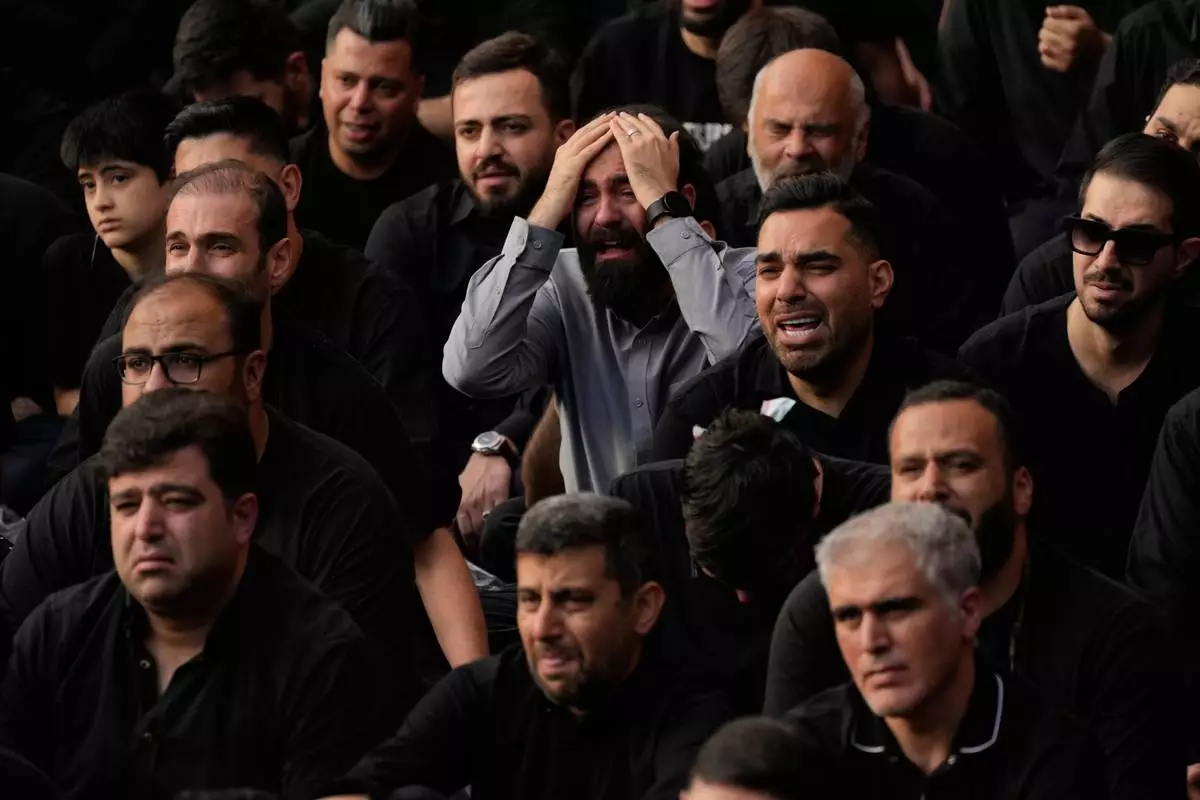
People weep during a mourning ceremony in Tehran, Iran, Thursday, June 18, 2026, ahead of Ashoura, which honors the 7th-century martyrdom of the Prophet Muhammad's grandson, Hussein, who was killed in a battle in Karbala in present-day Iraq. (AP Photo/Vahid Salemi)
People weep during a mourning ceremony in Tehran, Iran, Thursday, June 18, 2026, ahead of Ashoura, which honors the 7th-century martyrdom of the Prophet Muhammad's grandson, Hussein, who was killed in a battle in Karbala in present-day Iraq. (AP Photo/Vahid Salemi)

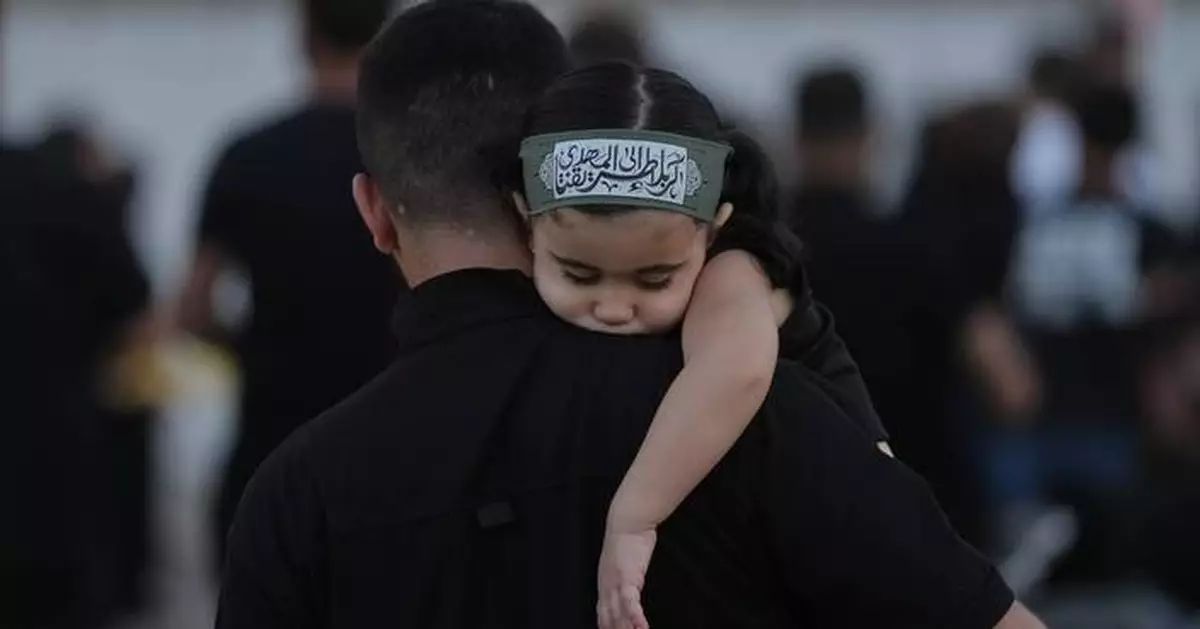
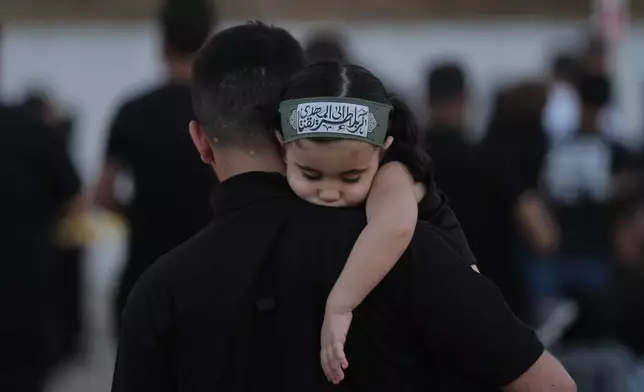
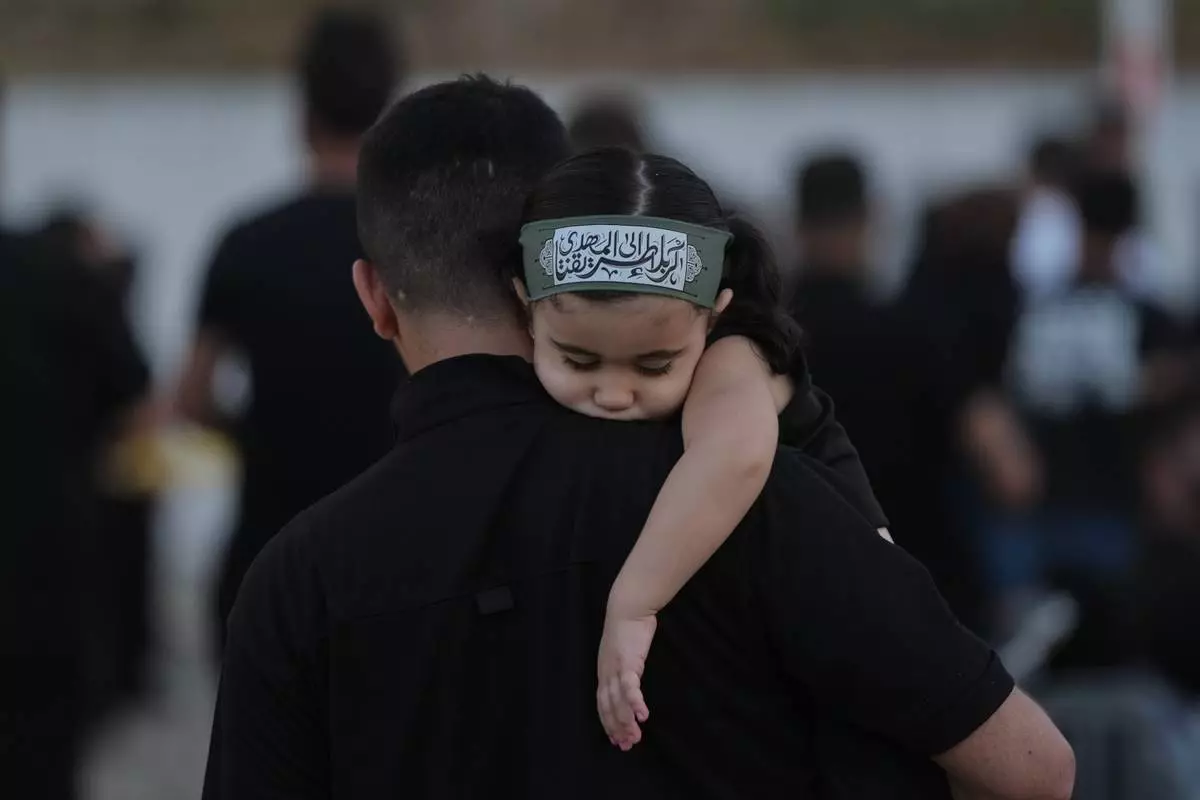
A girl wearing an Ashoura headband rests on her father's shoulder during a sermon marking the third day of Ashoura, the Shiite Muslim commemoration of the 7th-century death of Imam Hussein, the grandson of the Prophet Muhammad, in the southern port city of Tyre, Lebanon, Friday, June 19, 2026. (AP Photo/Hassan Ammar)

A girl wearing an Ashoura headband rests on her father's shoulder during a sermon marking the third day of Ashoura, the Shiite Muslim commemoration of the 7th-century death of Imam Hussein, the grandson of the Prophet Muhammad, in the southern port city of Tyre, Lebanon, Friday, June 19, 2026. (AP Photo/Hassan Ammar)

This year, Muharram and Ashoura follow the war in Iran, where the population is overwhelmingly Shiite, and an interim deal to end it. In Lebanon, many Shiites have been marking Muharram after the devastation inflicted during the war between Israel and the Lebanese militant group Hezbollah.

“The gathering every year and the reaffirming of collective memory and collective grief allows every year for the story and the message to adapt to its current context,” said Noor Zehra Zaidi, an assistant professor of history at the University of Maryland, Baltimore County who focuses on Shiite Islam.

Shiite Ashoura commemorations mark the death of Imam Hussein, who was killed in the Battle of Karbala, in present-day Iraq. He fought against the army of then Caliph Yazid, to whom Hussein had refused to pledge allegiance.

Hussein’s killing is seen as having cemented the schism between Sunnis and Shiites, which stems from the early days of Islam and arguments over Muhammad’s successors as caliph, or leader. The Shiites wanted the caliphate to descend through Ali, Muhammad’s cousin and son-in-law and Hussein’s father.

To Shiites, who make up the second-largest branch of Islam after the Sunni majority, the killing holds deep religious and historical resonance and plays a key role in shaping identity.

In the U.S., many Shiites of various racial and ethnic backgrounds gather for assemblies where they typically listen to recitations of the Quran, elegies, lamentations and lectures.

"In many communities, emotional lamentation and weeping are considered acts of devotion because they express solidarity with the suffering (of) the Prophet’s household,” Zaidi said.

U.S. communities embody a lot of the diversity of rituals seen across the Shiite world, she said.

“Our community comes to life. It pulsates with a beautiful group unity, where everybody comes together,” said Adam Almaleky in Michigan. “It’s a program of self-development, self-purification, gaining closeness to God through Hussein.”

In Texas, 23-year-old Sakina Ali attends the gatherings, which are also held in other parts of the world, with four generations of her family. “We learn and we mourn,” she said, adding the atmosphere gives her goose bumps.

Around the world, mourning rituals of Muharram and Ashoura can include rhythmic chest-thumping or beating in unison and public processions. Some Shiites self-flagellate and draw their own blood in public mourning practices that are controversial, fervently upheld by some while shunned or opposed by other Shiites.

In Iraq, pilgrims converge on the holy city of Karbala, site of the battle and home to a shrine to Hussein. Large volunteer service stations there feed pilgrims, Zaidi said, adding that distributing food and drink is one of the most universal practices.

“One of the remarkable enduring features of Ashoura commemorations is the way that rituals and communities reflect local cultures, traditions and languages while still remaining centered on Karbala,” she said.

As part of the Texas team of Who is Hussain, a London-based charity with teams in dozens of cities around the world, Ali has been helping organize a blood drive during this year's Muharram commemorations.

“It’s to save lives. It’s to do good in the name of Hussein,” she said. “Since this is such an emotional time and the community is coming out from everywhere … the impact is much bigger.”

Hussein, she said, "sacrificed his life … for morality and for justice,” adding, “If he did all of that, I can do good in my community as well, following his example.”

These blood drives happen elsewhere in the U.S. and beyond. Mustafa Jafri’s mosque in New Jersey has been organizing them for many years.

“We do it really to honor Imam Hussein and his companions and his family,” said Jafri, a physician and a board director at Masjid-e-Ali. “He gave his blood to stand against injustice and so we resonate and want to give our blood to save lives.”

It’s a practical way, he said, to translate some of Hussein’s values into action and to give back. The drives, he said, often also attract some non-Muslims from the community to donate blood.

Zaidi said the blood drives are a more modern phenomenon in Shiite commemorations.

Jafri said it’s a time to reflect on how to better oneself and on "tackling injustices that are all throughout the world.”

Almaleky, team leader with Who is Hussain in Michigan, said that from Hussein, “I learn altruism. I learn principle. I learn dedication."

Even following tragedy, he added, “we continue to draw energy as a community, and no matter how difficult this world becomes, it doesn’t compare in the difficulty that the family of Hussein ibn Ali faced and Hussein and his companions faced.”

Associated Press religion coverage receives support through the AP’s collaboration with The Conversation US, with funding from Lilly Endowment Inc. The AP is solely responsible for this content.
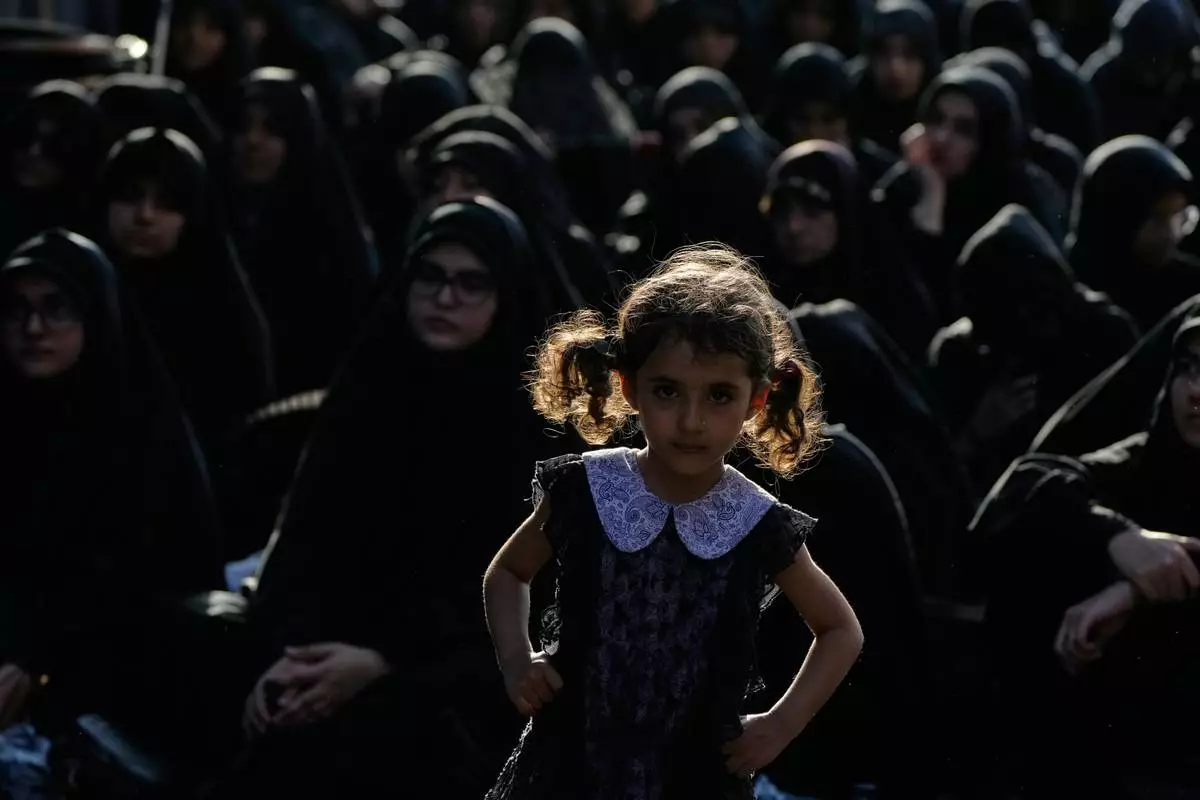
A girl looks on as women sit during a mourning ceremony in Tehran, Iran, Thursday, June 18, 2026, ahead of Ashoura, which honors the 7th-century martyrdom of the Prophet Muhammad's grandson, Hussein, who was killed in a battle in Karbala in present-day Iraq. (AP Photo/Vahid Salemi)
A girl looks on as women sit during a mourning ceremony in Tehran, Iran, Thursday, June 18, 2026, ahead of Ashoura, which honors the 7th-century martyrdom of the Prophet Muhammad's grandson, Hussein, who was killed in a battle in Karbala in present-day Iraq. (AP Photo/Vahid Salemi)

Iranians attend a mourning ceremony in Tehran, Iran, Tuesday, June 23, 2026, prior to Ashoura, which commemorates the 7th-century martyrdom of Imam Hussein, one of Prophet Muhammad's grandsons and one of Shiite Islam's most beloved saints, and 72 of his companions, who were killed in a battle in Karbala in present-day Iraq. (AP Photo/Vahid Salemi)
Iranians attend a mourning ceremony in Tehran, Iran, Tuesday, June 23, 2026, prior to Ashoura, which commemorates the 7th-century martyrdom of Imam Hussein, one of Prophet Muhammad's grandsons and one of Shiite Islam's most beloved saints, and 72 of his companions, who were killed in a battle in Karbala in present-day Iraq. (AP Photo/Vahid Salemi)
Iranians perform their evening prayers in a mourning ceremony in Tehran, Iran, Tuesday, June 23, 2026, prior to Ashoura, which commemorates the 7th-century martyrdom of Imam Hussein, one of Prophet Muhammad's grandsons and one of Shiite Islam's most beloved saints, and 72 of his companions, who were killed in a battle in Karbala in present-day Iraq. (AP Photo/Vahid Salemi)

Iranians perform their evening prayers in a mourning ceremony in Tehran, Iran, Tuesday, June 23, 2026, prior to Ashoura, which commemorates the 7th-century martyrdom of Imam Hussein, one of Prophet Muhammad's grandsons and one of Shiite Islam's most beloved saints, and 72 of his companions, who were killed in a battle in Karbala in present-day Iraq. (AP Photo/Vahid Salemi)

People weep during a mourning ceremony in Tehran, Iran, Thursday, June 18, 2026, ahead of Ashoura, which honors the 7th-century martyrdom of the Prophet Muhammad's grandson, Hussein, who was killed in a battle in Karbala in present-day Iraq. (AP Photo/Vahid Salemi)
People weep during a mourning ceremony in Tehran, Iran, Thursday, June 18, 2026, ahead of Ashoura, which honors the 7th-century martyrdom of the Prophet Muhammad's grandson, Hussein, who was killed in a battle in Karbala in present-day Iraq. (AP Photo/Vahid Salemi)

A girl wearing an Ashoura headband rests on her father's shoulder during a sermon marking the third day of Ashoura, the Shiite Muslim commemoration of the 7th-century death of Imam Hussein, the grandson of the Prophet Muhammad, in the southern port city of Tyre, Lebanon, Friday, June 19, 2026. (AP Photo/Hassan Ammar)

A girl wearing an Ashoura headband rests on her father's shoulder during a sermon marking the third day of Ashoura, the Shiite Muslim commemoration of the 7th-century death of Imam Hussein, the grandson of the Prophet Muhammad, in the southern port city of Tyre, Lebanon, Friday, June 19, 2026. (AP Photo/Hassan Ammar)
MEXICO CITY (AP) — Javier Aguirre has been saying for a while now that the key to the Mexican team’s success at the World Cup is that they are a family. This family, it seems, is on a historic journey.

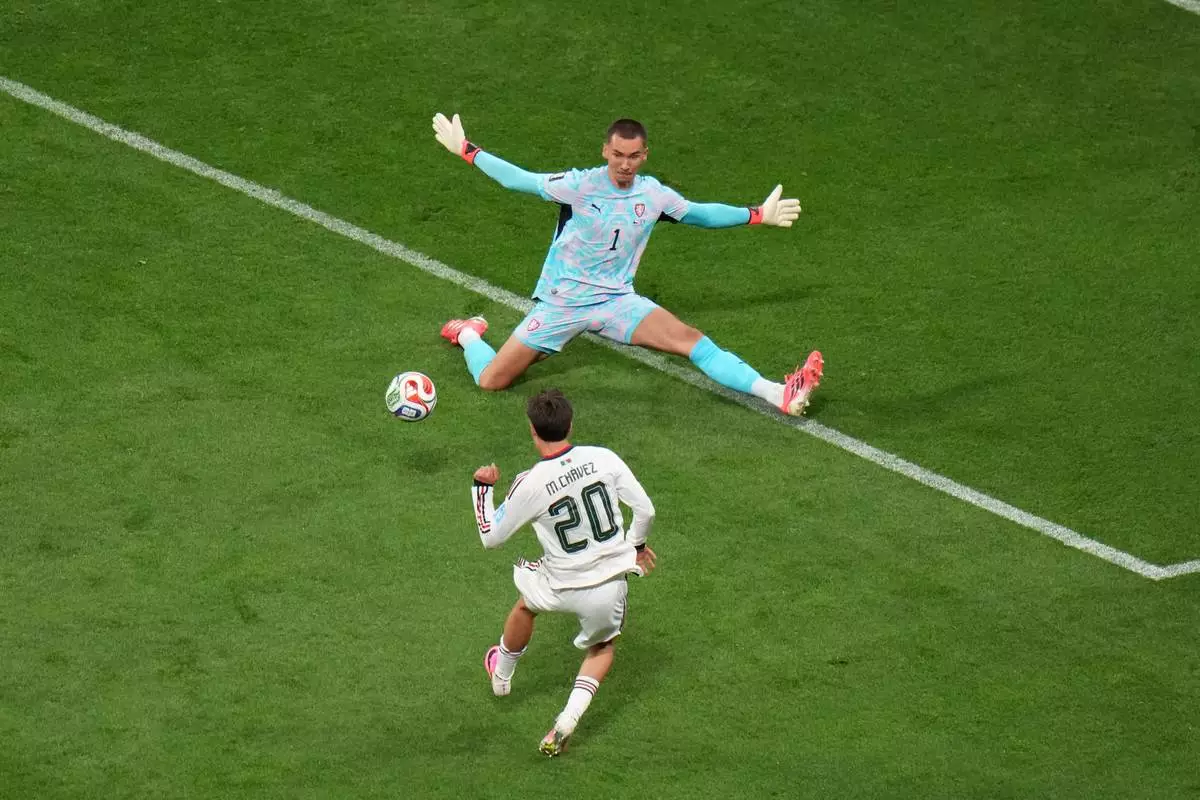
Mateo Chávez and Julián Quiñones scored in a six-minute span early in the second half, and Mexico beat the Czech Republic 3-0 on Wednesday to complete wins in all three of its World Cup group-stage matches for the first time.

The 22-year-old Chávez, in his first World Cup, opened the scoring in the 55th minute and Quiñones scored his second goal of the tournament in the 61st. Alvaro Fidalgo added a goal in stoppage time.

“It was something very beautiful, and I’ll take it with me to the grave,” Chávez said of his goal. “I imagined it many times; I dreamed of this.”

Mexico's previous best group-stage performance was two wins and one draw, done in 1986 and 2002 and both featuring Javier Aguirre, the first as a midfielder and the second as El Tri's coach. Aguirre is back as coach this year, his third stint leading the national team.

After topping Group A, Mexico will play again at Estadio Azteca on Tuesday in a round-of-32 match against an opponent to be determined.

“Now comes the knockout stage; statistics and data don’t matter. We’re achieving things, but what lies ahead is what counts,” Aguirre said. “Neither the players nor I dwell on what we’ve just done; we’re thinking about what’s next.”

Mexico is undefeated at nine World Cup matches at the massive stadium, which was packed with 80,824 fans on Wednesday. El Tri has only two losses at Azteca, most recently in World Cup qualifying against Honduras on Sept. 6, 2013.

The match Wednesday included nods to Mexico’s past and future. Gilberto Mora, at 17, became the youngest Mexico player to start in a World Cup. And 40-year-old goalkeeper Guillermo “Memo” Ochoa entered in the 77th minute, joining Argentina’s Lionel Messi and Portugal’s Cristiano Ronaldo as the only players to appear in six World Cups.

Mora said “it’s like a dream come true after everything I’ve worked for.”

“Now we have tough opponents ahead,” he added. “We’re going to keep working to stay on this path. We want to keep advancing because the Mexican national team can become champion.”

Mexico's triumph was marred, however, by the return of a homophobic chant by fans that has previously led to fines and other sanctions against its soccer federation. The chant, a one-word slur, was heard near the end of the first half when Czech goalkeeper Matej Kovar took a goal kick.

The Czech Republic was eliminated, finishing with one point in three games.

Mexico is unbeaten in 11 games dating to a friendly loss against Panama last November. And Aguirre has made the most of his roster, using 25 of 26 players in the tournament. Chávez was one of five starters Wednesday who didn't start in the previous win over South Korea.

“Twenty-five of the 26 have played — that is no small detail — nor is it a small detail that everyone celebrates the goals,” Aguirre said.

Ochoa, who wears No. 13, played the last 13 minutes in regulation, plus stoppage time, in what's likely to be his last appearance for Mexico. He turns 41 on July 13 and plans to retire from international competition after the World Cup.

“Life — football — had this farewell in store for me, to cap it all off perfectly. For my part, I’ve left it all out there; I gave everything,” Ochoa said. “I leave with nothing left because I poured it all into my teams and the national squad.”

He was a substitute in the 2006 and 2010 tournaments and started for Mexico in 2014, 2018 and 2022.

“I felt Memo had to play (but) for how long? I never knew until I said, ‘This is the moment,’” Aguirre said. “These are coaching decisions, but it was a night for Mexico to honor its legend, Memo.”

Raúl Rangel is the starter this year, stepping in for the injured Luis Ángel Malagón, who helped Mexico win the CONCACAF Nations League and Gold Cup last year. Malagón's injury opened the door for Ochoa's return.

Ochoa became the oldest Mexican to play in the World Cup. The previous record holder was Cuauhtémoc Blanco, who was 37 when he played in South Africa in 2014.

After the match, the veteran goalkeeper kissed the goal post before kneeling down and was hugged by the rest of the squad.

AP World Cup: https://apnews.com/hub/fifa-world-cup

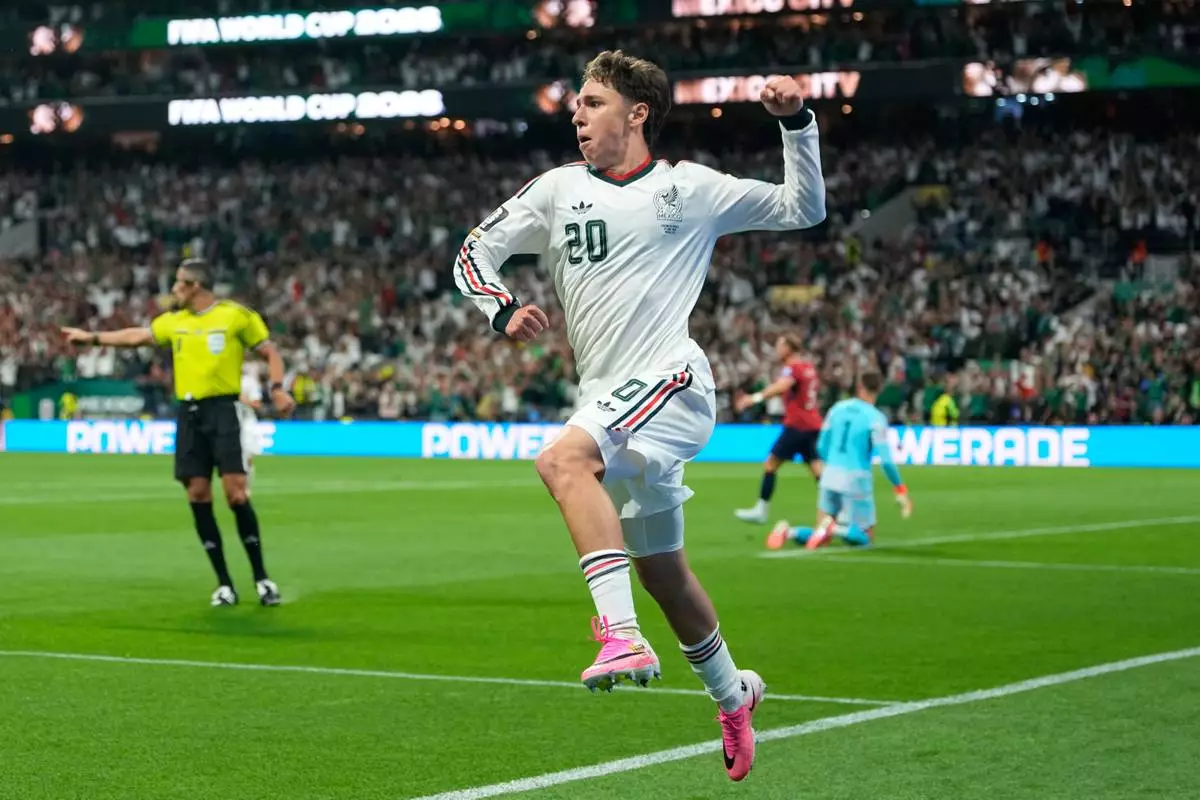
Mexico's Mateo Chavez (20) shoots and scores their opening goal against Czechia goalkeeper Matej Kovar (1) during the World Cup Group A soccer match between Czechia and Mexico in Mexico City, Wednesday, June 24, 2026. (AP Photo/Eduardo Verdugo)

Mexico's Mateo Chavez (20) shoots and scores their opening goal against Czechia goalkeeper Matej Kovar (1) during the World Cup Group A soccer match between Czechia and Mexico in Mexico City, Wednesday, June 24, 2026. (AP Photo/Eduardo Verdugo)

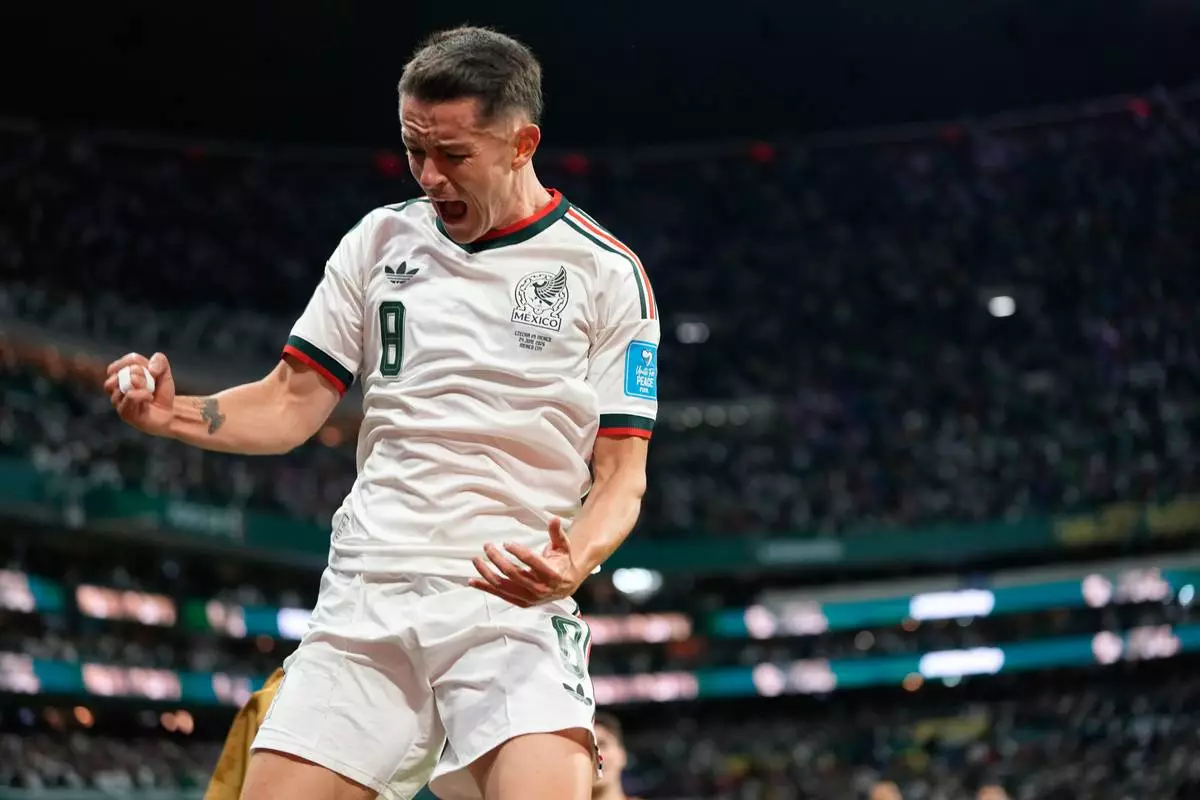
Mexico's Alvaro Fidalgo celebrates scoring his side's third goal against Czechia during a World Cup Group A soccer match in Mexico City, Wednesday, June 24, 2026. (AP Photo/Silvia Izquierdo)

Mexico's Alvaro Fidalgo celebrates scoring his side's third goal against Czechia during a World Cup Group A soccer match in Mexico City, Wednesday, June 24, 2026. (AP Photo/Silvia Izquierdo)

Mexico's Mateo Chavez celebrates scoring the opening goal during a World Cup Group A soccer match between Mexico and Czechia in Mexico City, Wednesday, June 24, 2026. (AP Photo/Silvia Izquierdo)

Mexico's Mateo Chavez celebrates scoring the opening goal during a World Cup Group A soccer match between Mexico and Czechia in Mexico City, Wednesday, June 24, 2026. (AP Photo/Silvia Izquierdo)

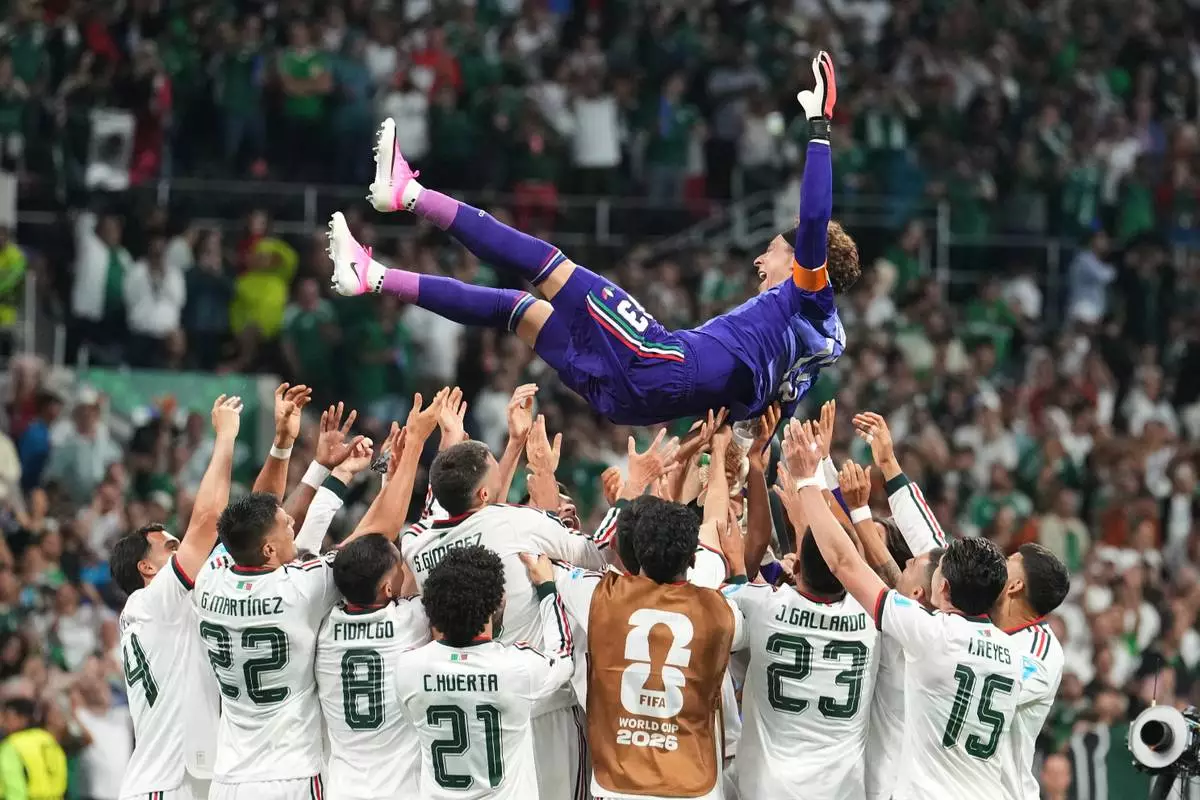
Mexico goalkeeper Guillermo Ochoa, top, celebrates with teammates following the World Cup Group A soccer match between Czechia and Mexico in Mexico City, Wednesday, June 24, 2026. (AP Photo/Fernando Llano)

Mexico goalkeeper Guillermo Ochoa, top, celebrates with teammates following the World Cup Group A soccer match between Czechia and Mexico in Mexico City, Wednesday, June 24, 2026. (AP Photo/Fernando Llano)

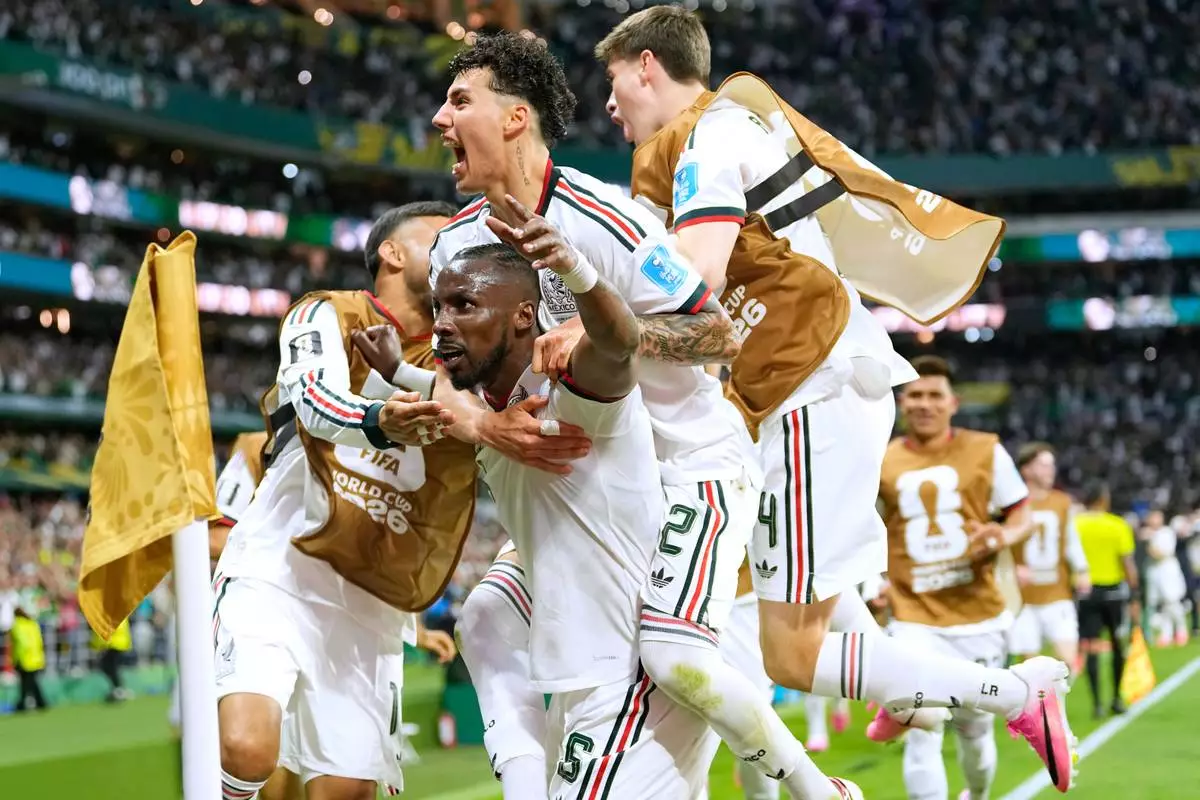
Mexico's Julian Quinones celebrates scoring his side's second goal against Czechia during a World Cup Group A soccer match in Mexico City, Wednesday, June 24, 2026. (AP Photo/Silvia Izquierdo)

Mexico's Julian Quinones celebrates scoring his side's second goal against Czechia during a World Cup Group A soccer match in Mexico City, Wednesday, June 24, 2026. (AP Photo/Silvia Izquierdo)

Recommended Articles