The Trump administration is moving to restart the specialized LGBTQ+ option for youth who contact the 988 crisis intervention hotline, but the group that helped pioneer the idea is being shut out.
The Trevor Project, the leading nonprofit for suicide prevention in LGBTQ+ young people, may not be allowed to offer the service it had helped develop for the 988 Lifeline just a few years ago.
The 988 hotline, which has been dubbed the 911 for mental health emergencies, is credited with reducing teen and young adult suicide deaths. It offers specialized options for certain groups, such as veterans and Spanish speakers, but in July the Trump administration stopped offering the “press 3” option for LGBTQ+ youth with a month’s notice.
The administration said it ended the service because the funding ran out. It is now working to bring it back by the end of the year because Congress directed officials to allocate $33 million toward LGBTQ+-specific interventions for youth.
However, The Trevor Project might not be allowed to offer the services it developed and specializes in.
Dr. Christine Yu Moutier, chief medical officer for the American Foundation for Suicide Prevention, said it “would not make sense” to keep The Trevor Project ineligible to help and it is a “long-standing, high-quality and trusted resource” to LGBTQ+ people.
The development is the latest in what’s become a chaotic chapter for the service for LGBTQ+ youth, who attempt suicide at higher rates than the general population. Leaving The Trevor Project out is raising concerns about the relaunched service, especially given the Trump administration's broader attempt to unravel protections for transgender and non-binary Americans at a time when more of them are reaching out in crisis.
“The Trump administration never should have shut down the ‘press 3’ option and put young Americans at further risk," said Wisconsin Sen. Tammy Baldwin, who has led a bipartisan push to restore the service. She called on the president to restore the service "without needless limitations and with the most qualified, experienced people answering the phone calls and text messages from these vulnerable young people.”
The lifeline's specialized service allowed people to press 3, text “PRIDE” or use online chat to reach counselors who were specially trained to work with LGBTQ+ young people.
The umbrella of services broadly called the “Press 3” option fielded 1.6 million contacts while it was in operation, according to data from the Substance Abuse and Mental Health Services Administration. The Trevor Project handled about half of the program's traffic.
When it canceled the “Press 3” option, federal officials said LGBTQ+ youth could still get help through 988’s general services, but it would “no longer silo” the services “to focus on serving all help seekers," including LGBTQ+ youth.
Now, the nonprofit that administers the 988 service, Vibrant Emotional Health, has called for applications to manage the return of the “Press 3” lines.
But applications are limited to crisis centers that are “current and active” members of the 988 network. The Trevor Project is not currently active — only because the administration canceled the service it specialized in.
The six other crisis centers that worked on the LGBTQ+ youth program are active in the 988 network. They work with the general population as well as LGBTQ+ people. Only The Trevor Project had a specific mission to serve LGBTQ+ youth.
“This troubling development indicates a dangerous step toward degrading the clinical standards to serve high risk groups that the ‘press 3’ specialized services were founded on,” said Jaymes Black, CEO of The Trevor Project, in a statement to the AP.
A spokesperson for the Department of Health and Human Services did not directly respond to questions about The Trevor Project’s eligibility, saying that the department is working with Vibrant to restore the service by the end of the year as directed by Congress.
Moutier said other crisis centers are providing high-quality care for LGBTQ+ youth. LGBTQ+ young people who are often marginalized and bullied need “psychological safety” because they don't always trust institutions to help them. She said it's too soon to say she's worried about the relaunch, but how it is brought back is just as important as the fact that it is.
“I think there's the potential for great good, and some harm as well,” she said.
Even though the service itself may be restored, how it will operate is unclear — and LGBTQ+ advocates are concerned, in part because the Trump administration has indicated that its anti-transgender policies will influence how the program relaunches.
This month, a SAMHSA leader wrote to Illinois Rep. Raja Krishnamoorthi that the agency needed to assess the “most appropriate approach” to restart the service while complying with a Trump executive order that targets the rights of transgender people, claiming “gender ideology extremism” is a threat to women and declaring there are only two sexes.
The Trevor Project's Black worries that the next iteration of 988's LGBTQ+ youth services “may exclude transgender and nonbinary youth entirely.” The organization still independently runs its own 24-7 crisis line for LGBTQ+ young people.
Studies have shown that LGBTQ+ youth are at higher risk of suicide, including a 2024 analysis by the CDC that found 26% transgender and gender-questioning students attempted suicide in the past year. That’s compared with 5% of cisgender male and 11% of cisgender female students.
“While anti-LGBTQ+ politics may be altering the very purpose of this lifeline created to help save young LGBTQ+ lives, it is critical to make clear that politics has no place in suicide prevention,” Black said.
The Associated Press Health and Science Department receives support from the Howard Hughes Medical Institute’s Department of Science Education and the Robert Wood Johnson Foundation. The AP is solely responsible for all content.
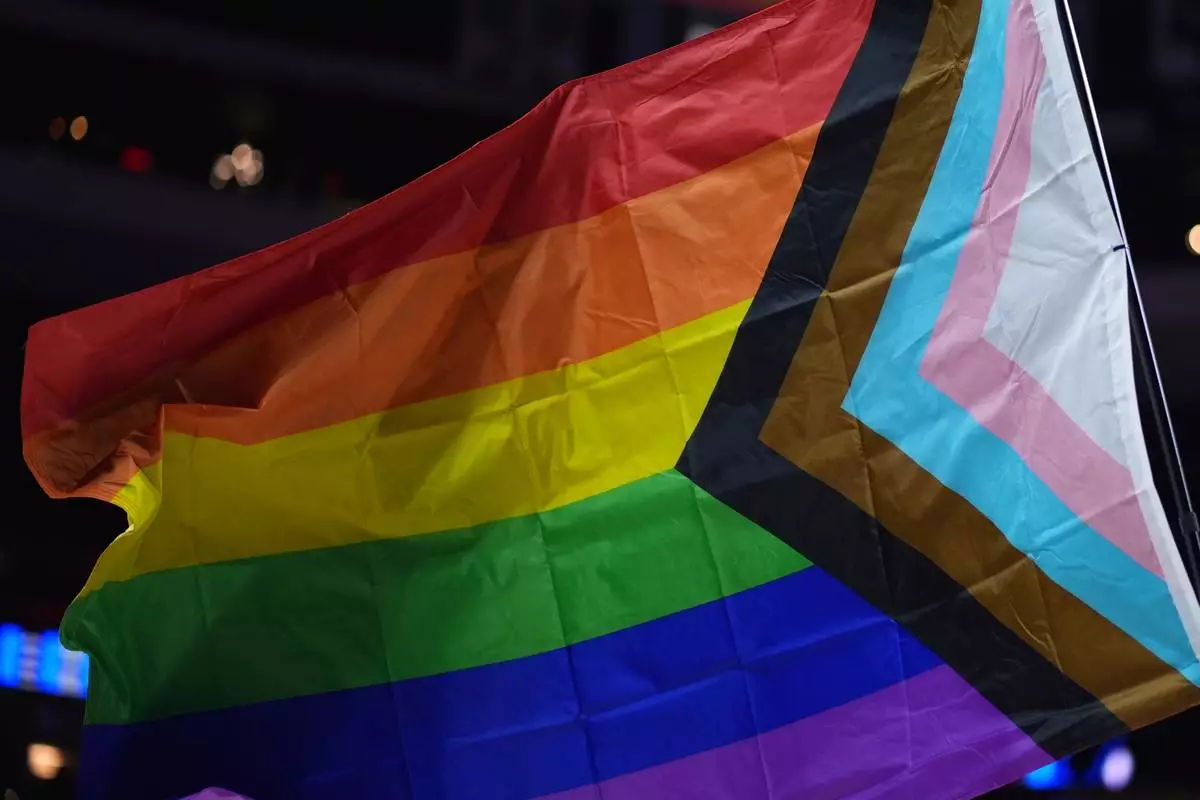
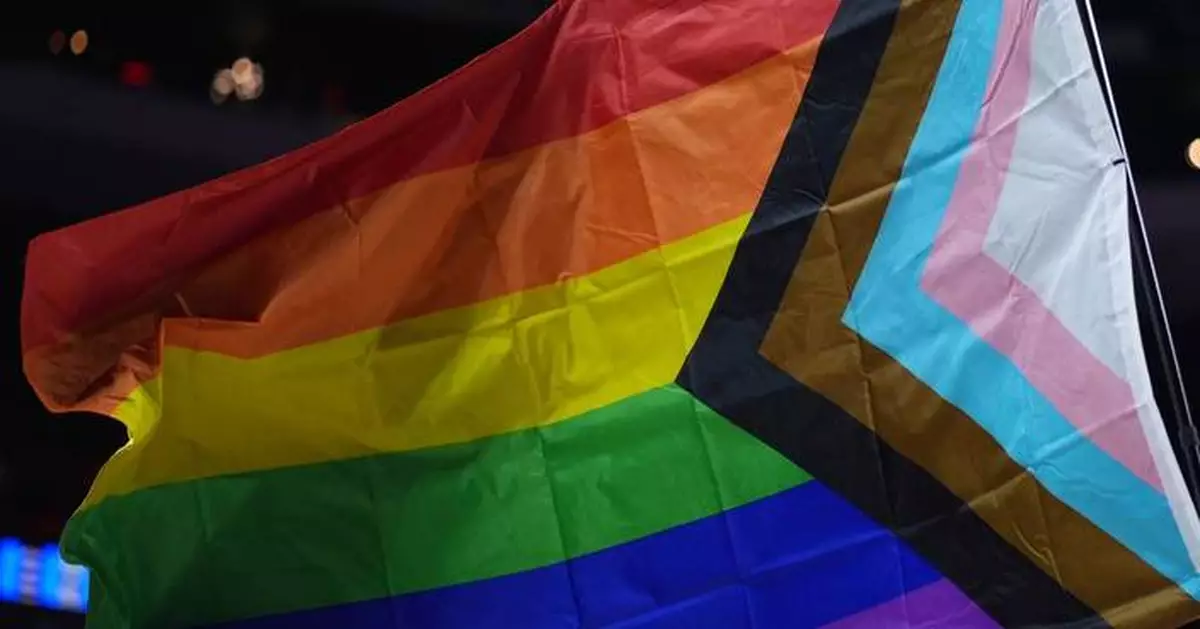
FILE - A pride flag is waved during an NBA basketball game in Philadelphia on Sunday, March 30, 2025. (AP Photo/Matt Slocum, File)
LA GUAIRA, Venezuela (AP) — In cities across northern Venezuela, neighbors helped each other dig through rubble to search for loved ones, after back-to-back earthquakes that officials say killed more than 230 people and left thousands injured.
The official death toll rose to around 235 late Thursday, with at least 4,300 people injured, Venezuela Health Minister Carlos Alvarado told state media. The number of casualties is expected to climb with thousands reported missing and frantic rescue efforts continuing.
The 7.2 and 7.5 magnitude earthquakes that struck Wednesday evening were among the strongest in Venezuela in more than a century and was felt throughout the region.
The International Organization for Migration said that up to 6.76 million people in Venezuela could be affected by the quakes, some 2 million of them in Caracas alone. Loyce Pace, the International Red Cross’ regional director for the Americas, said ” people are still terrified to reenter what were their homes.”
The injured were pulled out covered in dust and blood, among them children. Venezuelan state TV showed dramatic images of rescues, including a woman who was trapped under a cement slab with only a bare foot poking out before rescuers slid her out alive. But few government search teams were initially seen outside Caracas.
The coastal region of La Guaira, north of the capital Caracas, suffered some of the heaviest damage and casualties. The country’s main airport is there and was closed due to damage, complicating aid efforts.
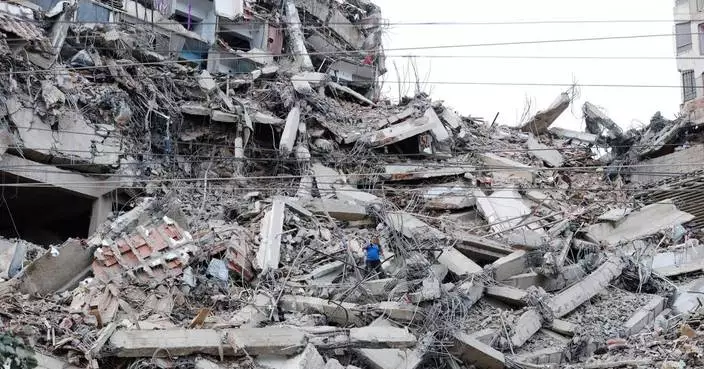
Many were stunned Thursday morning as they saw buildings reduced to skeletons, furniture hanging out of windows and helicopters circling overhead. Buildings were flattened and streets cracked open.
Families posted missing-person flyers with photos of loved ones while others shared handwritten lists of names as they searched. Venezuelans abroad struggled to make contact with relatives due to interrupted phone service in the country.
In downtown Caracas, hundreds spent the night huddled in parks, parking lots and other open spaces.
Mother of three Dayana Delgado asked where the heavy machinery was that government officials had promised and said residents were the ones digging through crumpled buildings.
“I want to know where my child is, if he’s trapped or in a shelter,” she said of her missing 8-year-old son.
One mother sobbed and collapsed in grief as the bodies of her 3- and 10-year-old children were wrapped in blankets and carried away. Others screamed the names of the missing. Some stood in silent shock.
Venezuelan authorities said they were diverting rescue teams from other parts of the country to La Guaira, which is no stranger to natural disasters: A 1999 mudslide killed thousands and is considered one of the country’s worst natural disasters.
In La Guaira, Cristian Carreño stared at his charred apartment building tilting precariously to one side.
“I lost everything,” he said. “There are people still inside, I imagine, that couldn’t get out. It’s incredibly devastating.”
Retired schoolteacher Juan Alberto Mendaño climbed through wreckage in La Guaira and past a dead body when he spotted a woman who was trapped and signaling with her hand for help.
“May God rescue her as quickly as possible,” Mendaño said. “When we heard the scream, there was nothing we could do.”
Media reports have shared notable moments of hope among the destruction, including a young man brought out on a stretcher in the San Bernardino district of Caracas to the applause of onlookers as his tearful mother said, “Leandro, I love you.”
Venezuelan public television broadcast video of a girl covered in dust and wrapping herself in a dark sweatshirt as she emerged from rubble with the help of rescuers. Caracas metropolitan rescue team head José Luis Núñez said she was found in a 10-story building in La Guaira that collapsed and flattened “like a pancake.”
“We want to highlight this girl’s strength, determination and will to live,” Núñez said.
The natural disaster is the latest challenge for acting President Delcy Rodríguez, the former vice president who took office in January after the capture and removal from power of then-President Nicolás Maduro by the United States. Venezuela has been facing economic disarray for more than a decade and many people reject the legitimacy of the political movement Rodríguez represents.
Rodríguez declared a state of emergency in an address to the nation late Wednesday. She said the government was creating a $200 million reconstruction fund for damaged hospitals and homes.
She appealed to businesses Thursday to make heavy construction equipment available for rescue operations.
“We hope to rescue as many living people as possible,” Rodríguez said.
While Venezuela sits near multiple fault lines, its position straddling the South American and Caribbean plates makes strong earthquakes much less common than in other parts of Latin America.
The U.S. Geological Survey said both earthquakes were centered near Moron on the Caribbean coast, about 170 kilometers (105 miles) west of Caracas.
The one-two punch of the quakes, combined with the shallow seismic movements, amplified the destruction, said Marcos Ferreira, a geophysicist and researcher at the Geological Survey of Brazil.
“It is as if I am screaming and then someone starts screaming, too. That amplifies the vibration and adds to the potential hazard,” Ferreira said.
Shortly after United Nations officials in Venezuela called on the government to lift social media restrictions so people can get potentially life-saving information, Venezuelans in the country were able to access X. The site had been blocked by Maduro since August 2024 in an attempt to suppress the exchange of information among those who rejected his claim of victory in the July presidential election.
Some 1,000 emergency responders in 25 search-and-rescue teams from across the globe are deploying to Venezuela, said Jens Laerke, a spokesperson for the U.N. Office for the Coordination of Humanitarian Affairs.
U.S. Secretary of State Marco Rubio, who spoke to Rodríguez following the quake, said the United States was immediately deploying assistance.
“We have a whole-of-government response. It’ll be big; it’ll be fast; and it’ll be effective,” Rubio said, while acknowledging the closure of Venezuela’s main airport near Caracas created logistical challenges.
Venezuelan public television on Friday showed the arrival of rescuers with dogs and equipment, including cameras and ground-penetrating radar, from Spain. Teams from Chile and Switzerland also landed, and three military transport planes from Germany with personnel and aid were on the way. Turkey announced two flights will leave Istanbul on Friday with rescuers and a pair of search dogs. China also said it will provide assistance. Leaders from Qatar, Brazil, Portugal and Canada vowed to send help.
Rescue teams from El Salvador and the Dominican Republic arrived in Venezuela on Thursday, along with rescuers and material aid from Mexico.
“No country is prepared to provide the response that’s needed. That’s what neighboring countries are there for,” Dominican air force Maj. Carlos Olivares said.
Janetsky reported from Mexico City. Associated Press journalists Julie Watson in San Diego, Hallie Golden in Seattle, India Grant in Mexico City, Geir Moulson in Berlin, Suzan Fraser in Ankara, Turkey, and Teresa Medrano in Madrid contributed to this report.
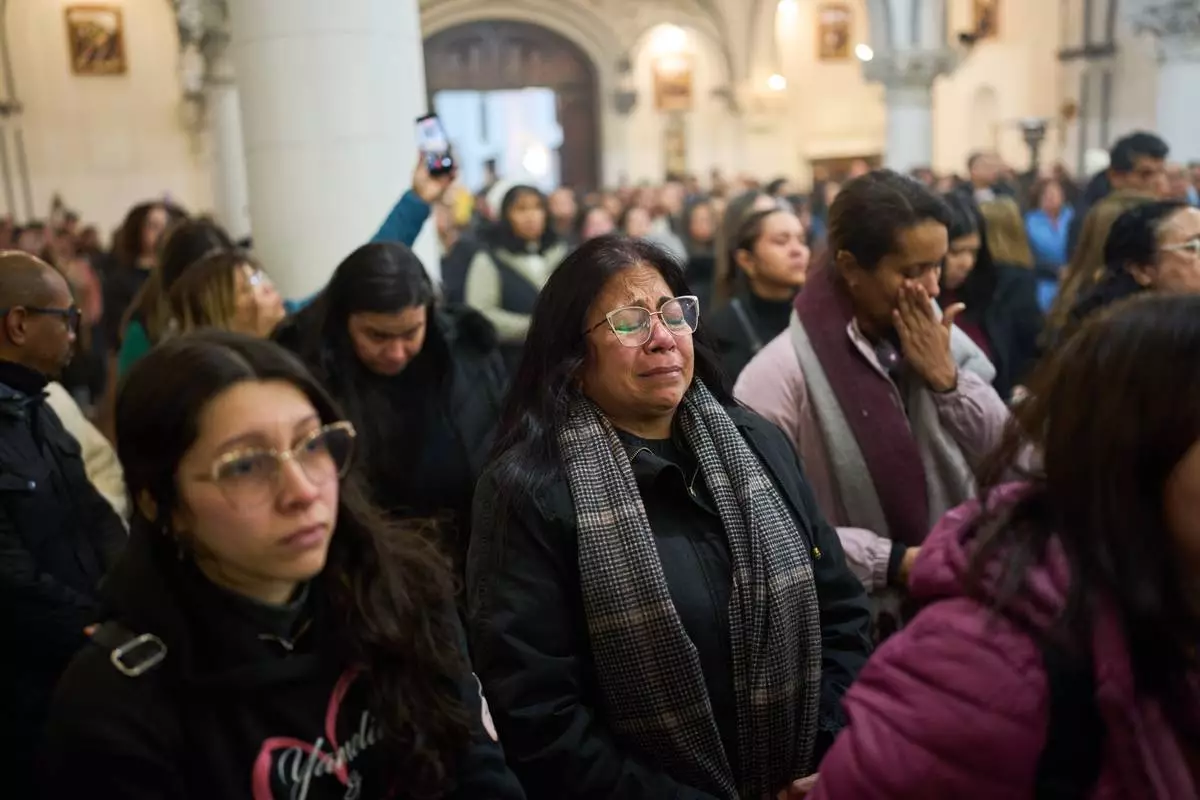
People attend a mass to honor the victims of the earthquakes in Venezuela, in Buenos Aires, Argentina, Thursday, June 25, 2026. (AP Photo/Rodrigo Abd)
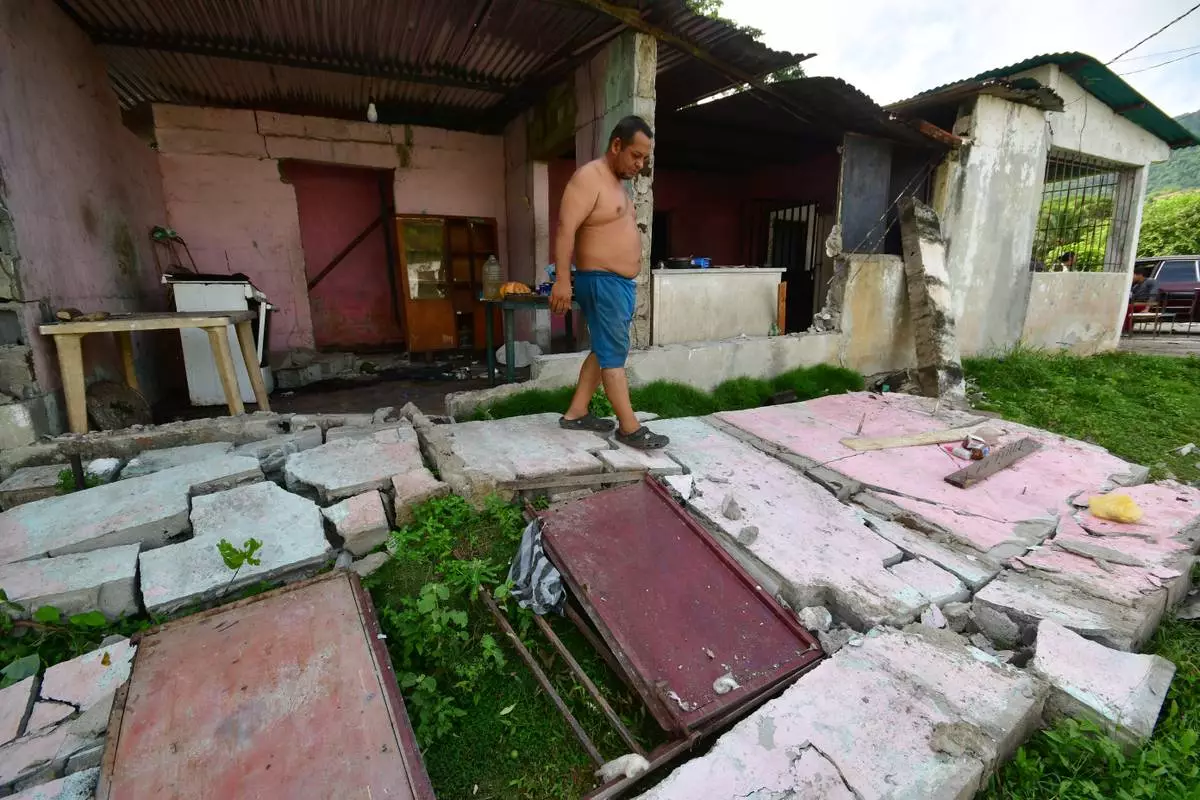
A man walks over the fallen walls of his home in Moron, near the epicenter of two earthquakes that struck Venezuela the day before, Thursday, June 25, 2026. (AP Photo/Jacinto Oliveros)
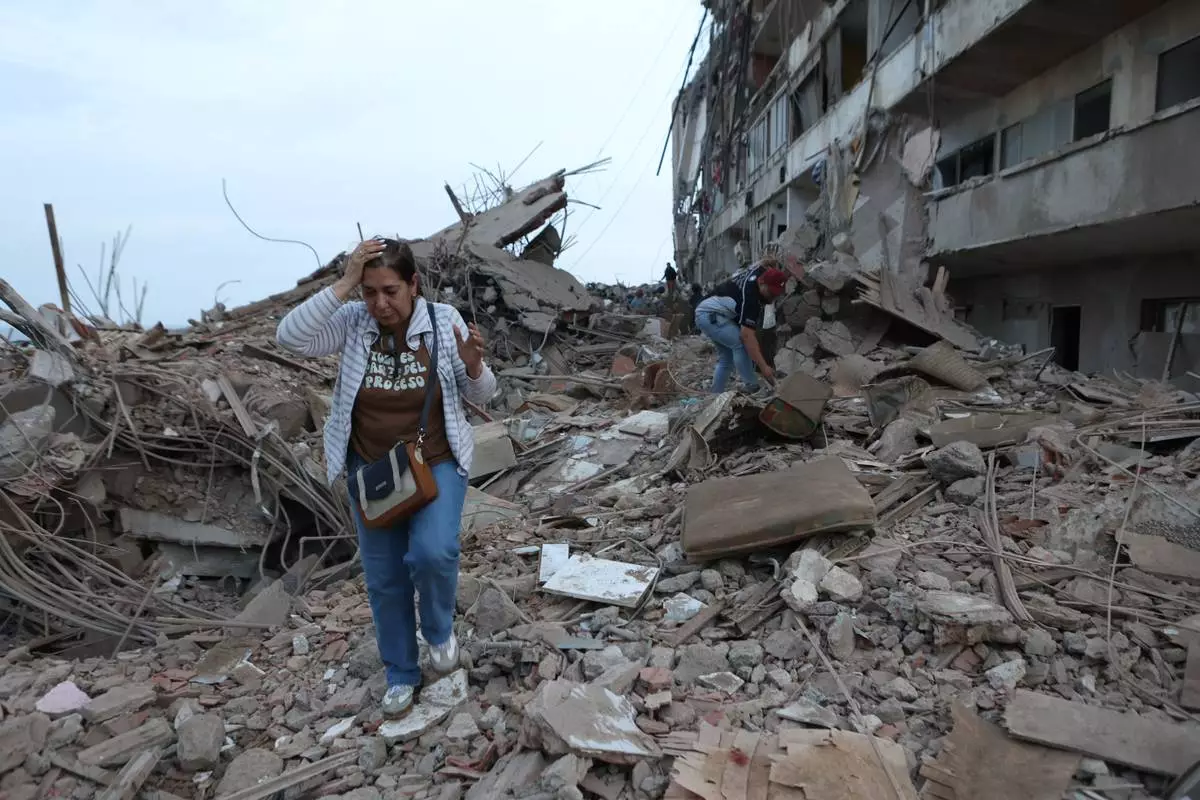
Residents walk among the rubble of building damaged in earthquakes the previous day in Catia La Mar, Venezuela, Thursday, June 25, 2026. (AP Photo/Pedro Mattey)
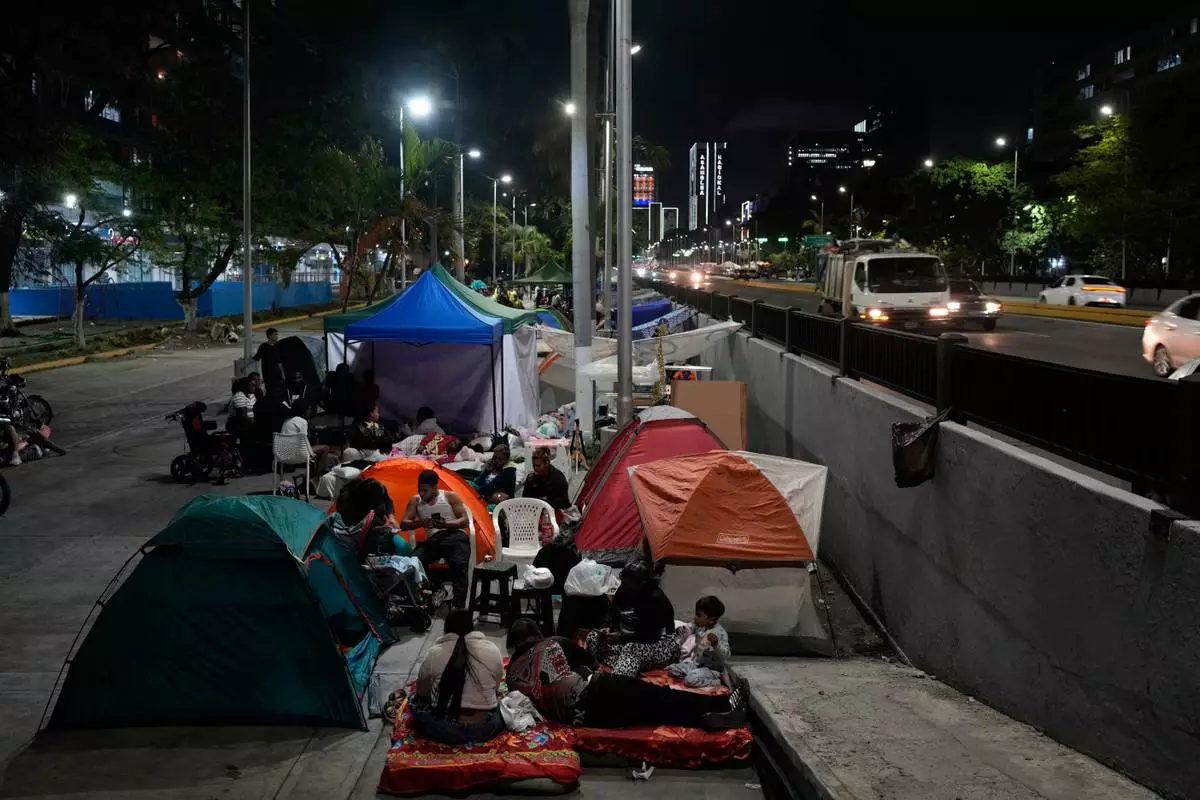
People camp in the street the night after the earthquake struck Caracas, Venezuela, Thursday, June 25, 2026. (AP Photo/Ariana Cubillos)
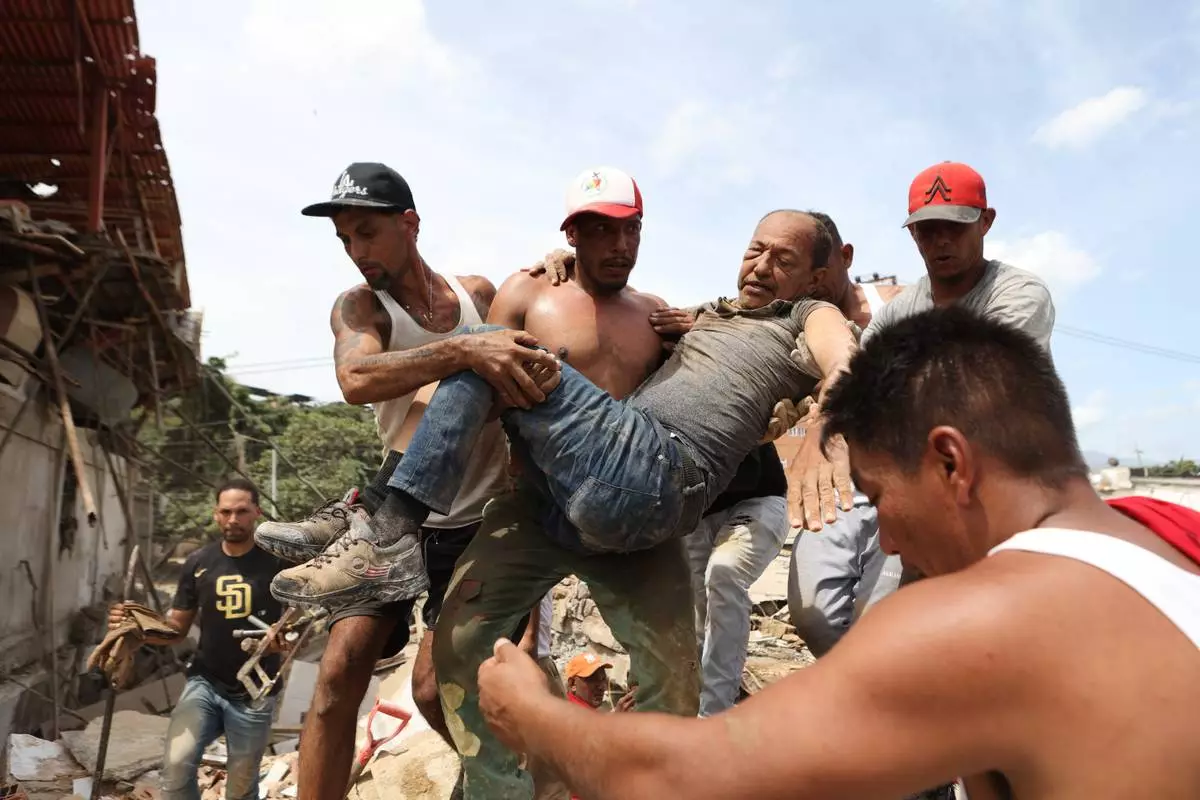
Neighbors carry a man rescued from the rubble of a collapsed building the day after earthquakes struck La Guaira, Venezuela, Thursday, June 25, 2026. (AP Photo/Pedro Mattey)