Older buildings, substandard construction and geography left many neighborhoods in Venezuela vulnerable to strong earthquakes like the ones that struck the country this week.
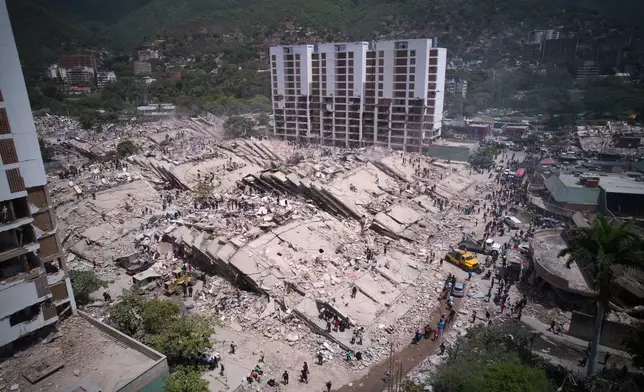
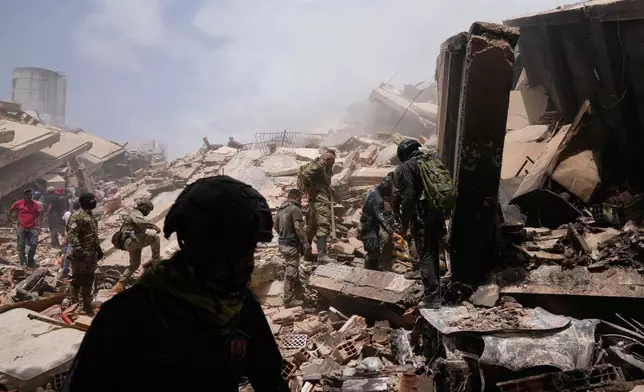
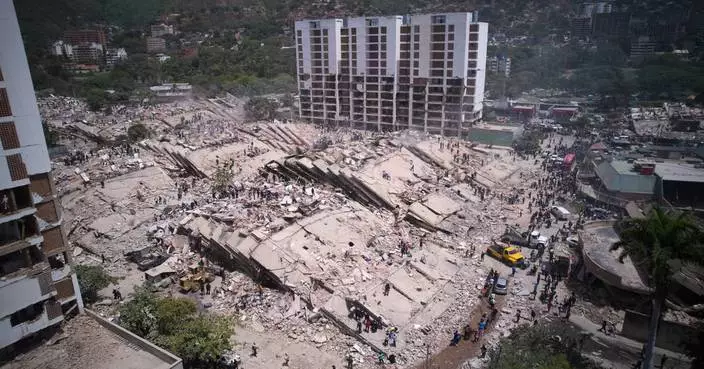
Engineers and other experts said the back-to-back earthquakes on Wednesday were among the most intense to hit the country in more than a century, leveling buildings and leaving more than 900 dead with the number expected to rise. Videos and satellite imagery from the disaster zone reviewed by The Associated Press reveal scores of multistory buildings had collapsed.
Click to Gallery
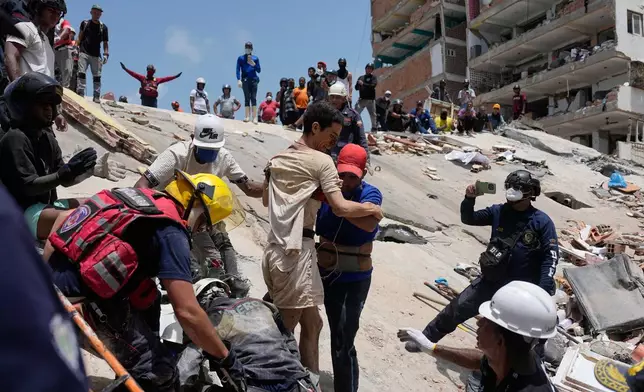
Rescue workers aid Daniel Cordero after pulling him from the rubble two days after an earthquake struck Catia la Mar, Venezuela, Friday, June 26, 2026. (AP Photo/Fernando Vergara)
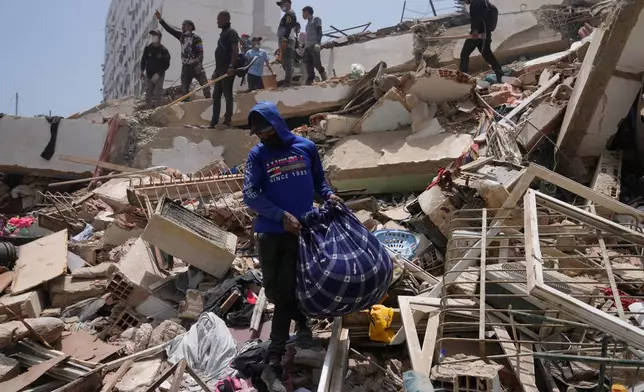
A man retrieves items from the rubble two days after earthquakes struck La Guaira, Venezuela, Friday, June 26, 2026. (AP Photo/Ariana Cubillos)
Residents and rescue workers search through the rubble two days after an earthquake struck La Guaira, Venezuela, Friday, June 26, 2026. (AP Photo/Juan Pablo Arraez)
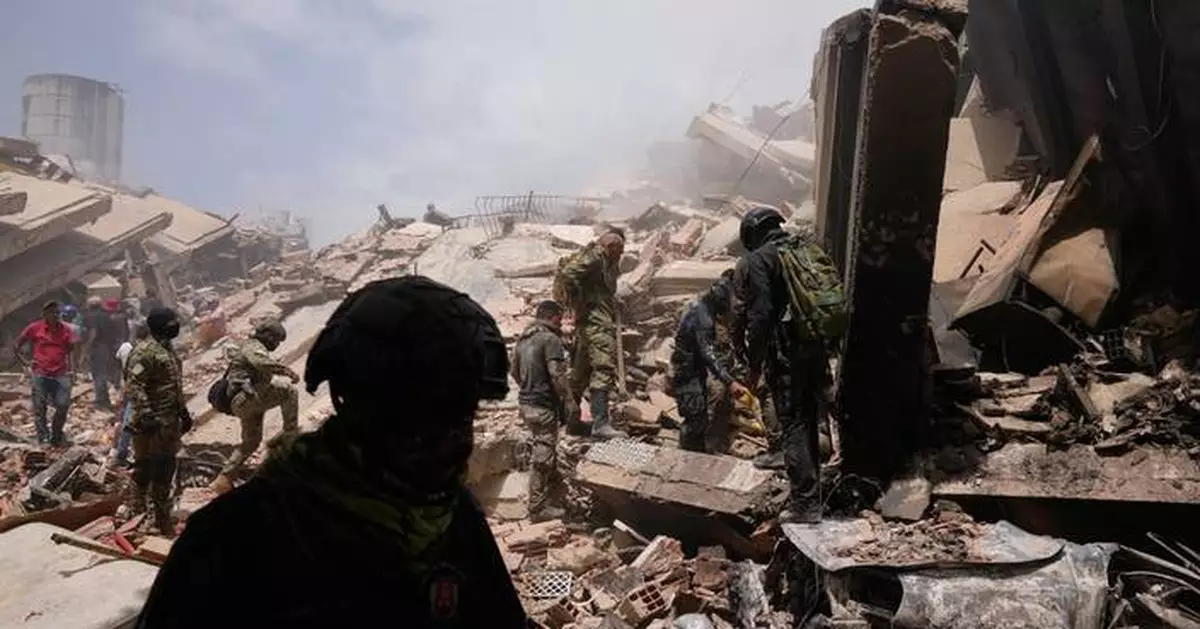
Venezuelan police search for survivors through the rubble in La Guaira, Venezuela, Friday, June 26, 2026, two days after twin earthquake struck the country. (AP Photo/Ariana Cubillos)
Microsoft’s AI for Good Lab analyzed satellite imagery of Catia La Mar in La Guaira state, one of the hardest hit cities along the Caribbean coast. Using AI-based damage assessment models, Microsoft determined that about a third of the city's nearly 30,000 structures were damaged.
Among the factors that left so many structures at risk: Some housing complexes in northern Venezuela were constructed quickly during recent oil booms, and builders may not have adhered to best practices that mitigate the risks of serious seismic activity, according to experts.
Engineers said that older housing erected in the 1950s and 1960s — before modern earthquake standards were adopted — may not have been retrofitted to survive such violent shaking. And many buildings were constructed on geography and soft soils that compound the danger of the earthquakes, the experts said.
David Cocke, a structural engineer in California and former president of the Earthquake Engineering Research Institute, said that a combination of soft soils, tall towers and older concrete structures contributed to the widespread damage, particularly when buildings pancaked, or collapsed floor-by-floor.
“They just don’t have the more modern reinforcing steel connections that we put in those kinds of buildings today,” said Cocke.
Since the 1970s, engineers have known that concrete buildings are particularly susceptible to earthquakes and seek to reinforce new construction with steel. While many rich nations have forced property owners to retrofit or tear down dangerous buildings, many poorer or middle income countries have lagged in enforcing upgrades as they battled more immediate woes.
“Some of the more advanced countries like Japan and New Zealand and the U.S. have made those changes, but some of the other countries have not,” Cocke said. “It’s a very typical kind of construction all over the world.”
Other experts noted that a number of buildings that collapsed also had non-structural walls comprised of heavy bricks, or they had “soft stories" in which their ground floors consisted of garages or similar open spaces. Such construction increases the risk of pancaking, they said.
“Soft stories are a huge problem everywhere in the world,” said Eduardo Miranda, a professor of civil and environmental engineering at Stanford University. “And in Venezuela, they are particularly prevalent, and if you combine softer soils with a soft story, buildings can collapse.”
Marcos Ferreira, a geophysicist and researcher at the Geological Survey of Brazil, said the destruction in Venezuela was compounded by the back-to-back quakes, known as a doublet. A similar incident took place in Turkey and Syria in 2023, killing almost 60,000 people.
“It is as if I am screaming and then someone starts screaming, too," Ferreira said. “That amplifies the vibration and adds to the potential hazard.”
Venezuelan government officials took steps following a deadly 1967 quake to update building codes. But it is unclear how many buildings were retrofitted to comply with those rules.
In late 1999, former President Hugo Chávez’s first year in office, floods and landslides destroyed housing, including in coastal northern Venezuela. The government went on a building spree to replaced the demolished structures and to house so many displaced people, said Juan Carlos Vielma, a Venezuelan civil engineer who is head of academic affairs of the civil engineering school at Pontifical Catholic University of Valparaíso, Chile.
Some of the newer buildings appear to also have collapsed.
“Something that leaves me perplexed is the fact that, among the collapsed buildings, more than one was recently designed and built in accordance with current standards,” Vielma said. “We need to embark on a process not only of reconstruction, but also of reviewing the applicable standards, since something might have gone wrong within our engineering processes, too.”
———
AP writer Mauricio Savarese in Sao Paulo contributed to this report.
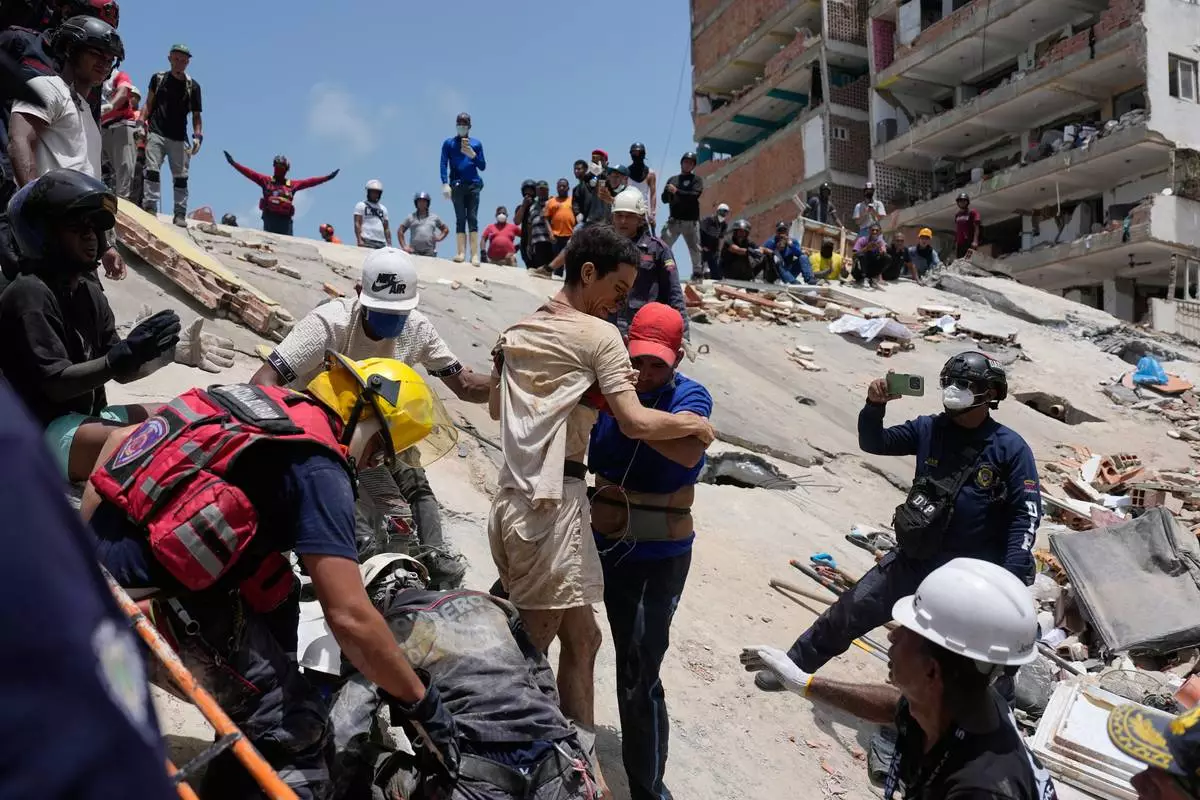
Rescue workers aid Daniel Cordero after pulling him from the rubble two days after an earthquake struck Catia la Mar, Venezuela, Friday, June 26, 2026. (AP Photo/Fernando Vergara)
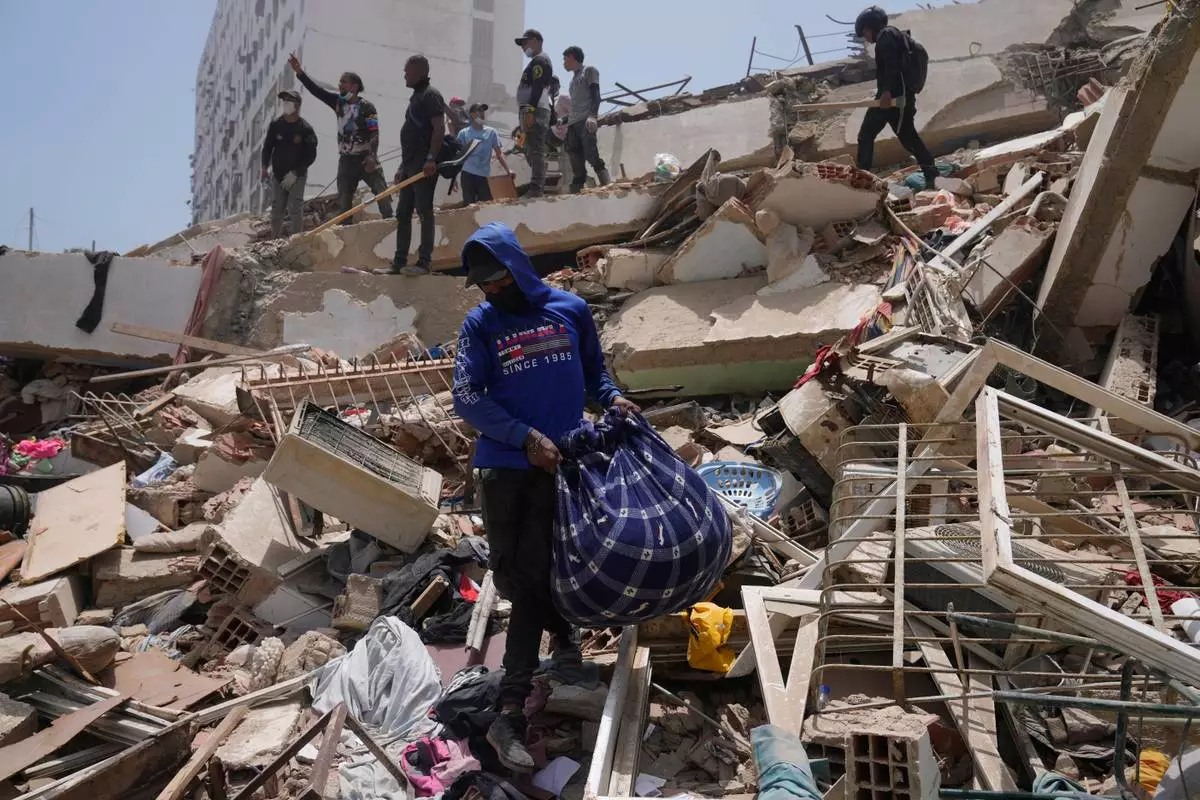
A man retrieves items from the rubble two days after earthquakes struck La Guaira, Venezuela, Friday, June 26, 2026. (AP Photo/Ariana Cubillos)
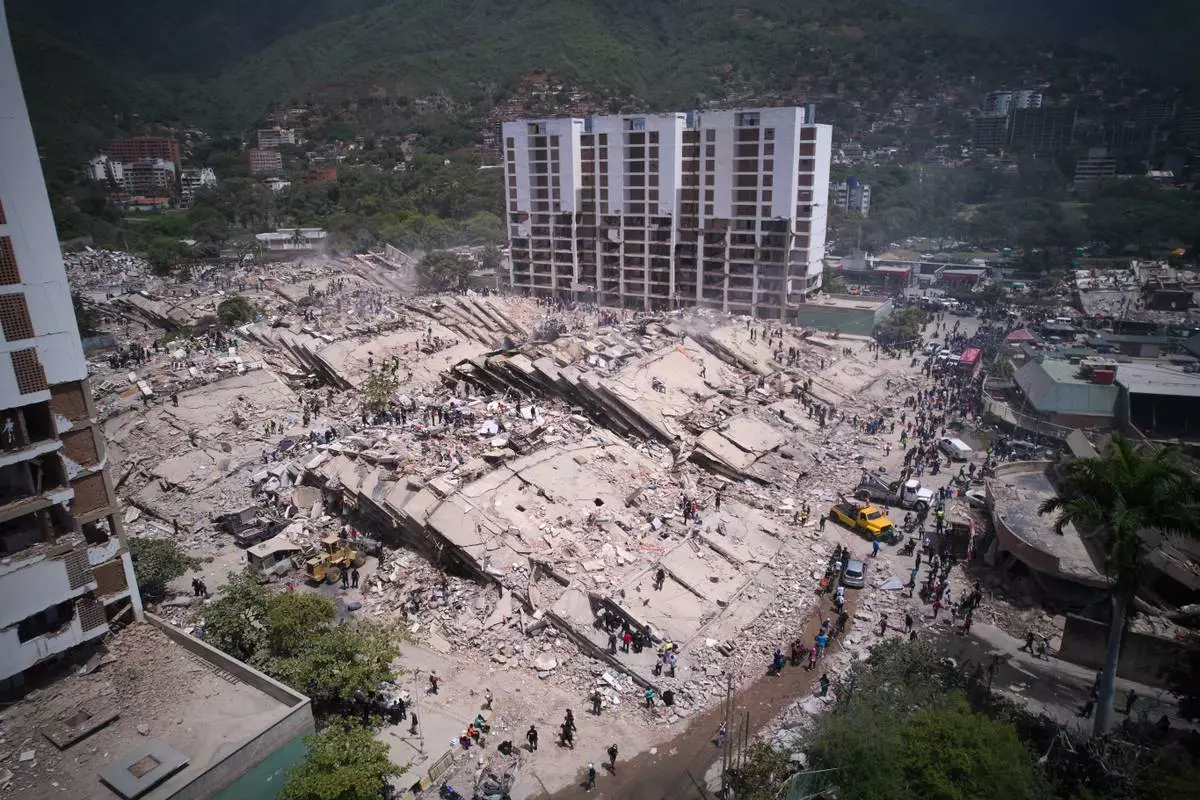
Residents and rescue workers search through the rubble two days after an earthquake struck La Guaira, Venezuela, Friday, June 26, 2026. (AP Photo/Juan Pablo Arraez)
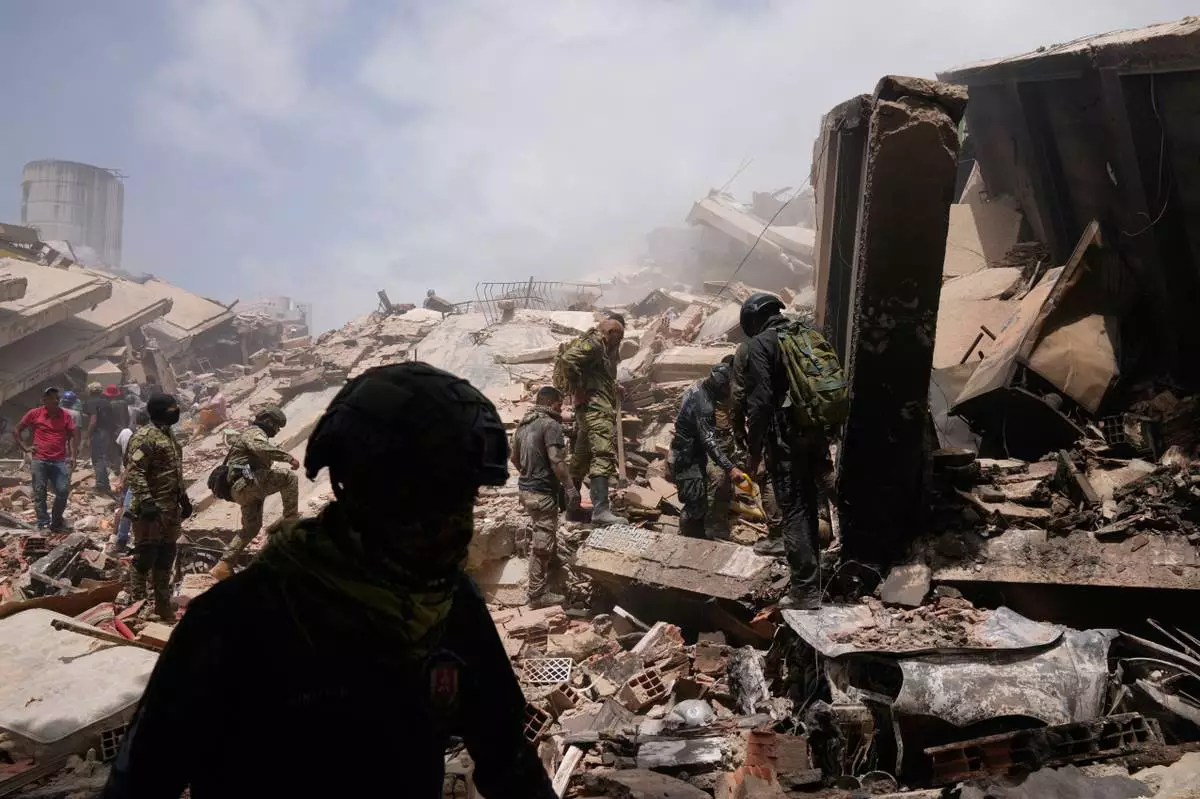
Venezuelan police search for survivors through the rubble in La Guaira, Venezuela, Friday, June 26, 2026, two days after twin earthquake struck the country. (AP Photo/Ariana Cubillos)
HOUSTON (AP) — Tiny Cape Verde defied odds to become the smallest country to earn a spot in the World Cup knockout round behind the stellar play of Vozinha, the 40-year-old goalkeeper who embodied the grit of his nation.
“We are small,” he said. “But we have big hearts and we are fighters.”
Cape Verde completed an improbable run through the group stage with a third straight World Cup draw, a 0-0 draw against Saudi Arabia on Friday night to advance in the tournament.
The small island nation off the western coast of Africa, which is making its debut on soccer’s grandest stage, already held 2010 champion Spain to a 0-0 draw and then came from behind to get a 2-2 result against Uruguay.
“The team was very eager to show this to the whole world,” Cape Verde coach Bubista said while draped in his country's flag. “We are proud of having arrived at this stage. We have shown that we are a small country, but that we fight for the things that we want to achieve.”
Cape Verde’s three points put the team in second place behind Spain, which beat Uruguay on Friday night and won the group.
Cape Verde will play reigning World Cup champion Argentina in Miami on July 3.
Drawing all three group matches doesn't guarantee advancement at major soccer tournaments. But several teams have done it in the past, including Wales in 1958, Ireland and the Netherlands in 1990, and Chile in 1998. New Zealand, however, also got three draws at the 2010 World Cup and was eliminated.
On the eve of the match, Bubista mused, “everyone is entitled to dream and nothing is impossible.”
The Blue Sharks proved him right, overcoming seemingly insurmountable odds as this country of just more than 500,000 reached the round of 32.
A woman, her face painted with a flag of the archipelago, held a sign that read: “Small Islands, Big Dreams.”
A dream that these underdogs have made reality as they continue their charmed run on the world stage.
They did it with another strong game from Vozinha, whose tournament success has helped him amass more than 16 million Instagram followers.
He had a save in first half stoppage time, grabbing a header from Mohamed Kanno to keep Saudi Arabia scoreless. Another save came in the 66th minute when he leaped to deflect a shot from Mohammed Abu Al-Shamat.
A third came in the 92nd minute when he stopped a shot by Abdullah Al-Hamdan.
“There is a lot of quality in our national team,” Vozinha said. “Maybe for many of you, you think the Cape Verdean player is not good enough. But we came here to show that we have a lot of quality and we are here to compete and our players can play everywhere in the big competition, in the big leagues.”
A group of shirtless men in the crowd each painted one letter of his name on their chests as they cheered Cape Verde.
But Vozinha had a much bigger fan among the crowd of 68,278 as his mother Ana Candida Evora watched from a luxury suite, waving a tiny Cape Verde flag. It was her second match of the tournament after missing Vozinha’s epic seven-save performance against Spain because of visa issues.
Cape Verde had a chance to score in the 50th minute, but Kevin Pina's shot from distance was just above the crossbar. Another chance came in the 74th minute when Laros Duarte’s shot from the middle of the box was stopped by goalkeeper Mohammed Al-Owais.
A last chance to score came in the final seconds when Nuno da Costa sent a shot from the middle of the box wide left.
But it didn’t matter because a couple of minutes after the final whistle, Spain completed its victory over Uruguay and set off a joyous celebration among Cape Verde's players and fans, many of whom cried as they rejoiced.
Having led his squad to new heights, Bubista was asked if he could have imagined such a run entering the tournament.
“I’ve always said that sooner or later Cape Verde would be on such a stage,” he said. “Of course it’s hard to have such a forecast, but I always knew.”
Saudi Arabia was eliminated after finishing with two points in the group stage.
“We were very poor in terms of creating things, controlling the game and creating actions,” coach Georgios Donis said. “And one cannot win a game this way. It would be very difficult.”
See more of AP’s World Cup coverage here
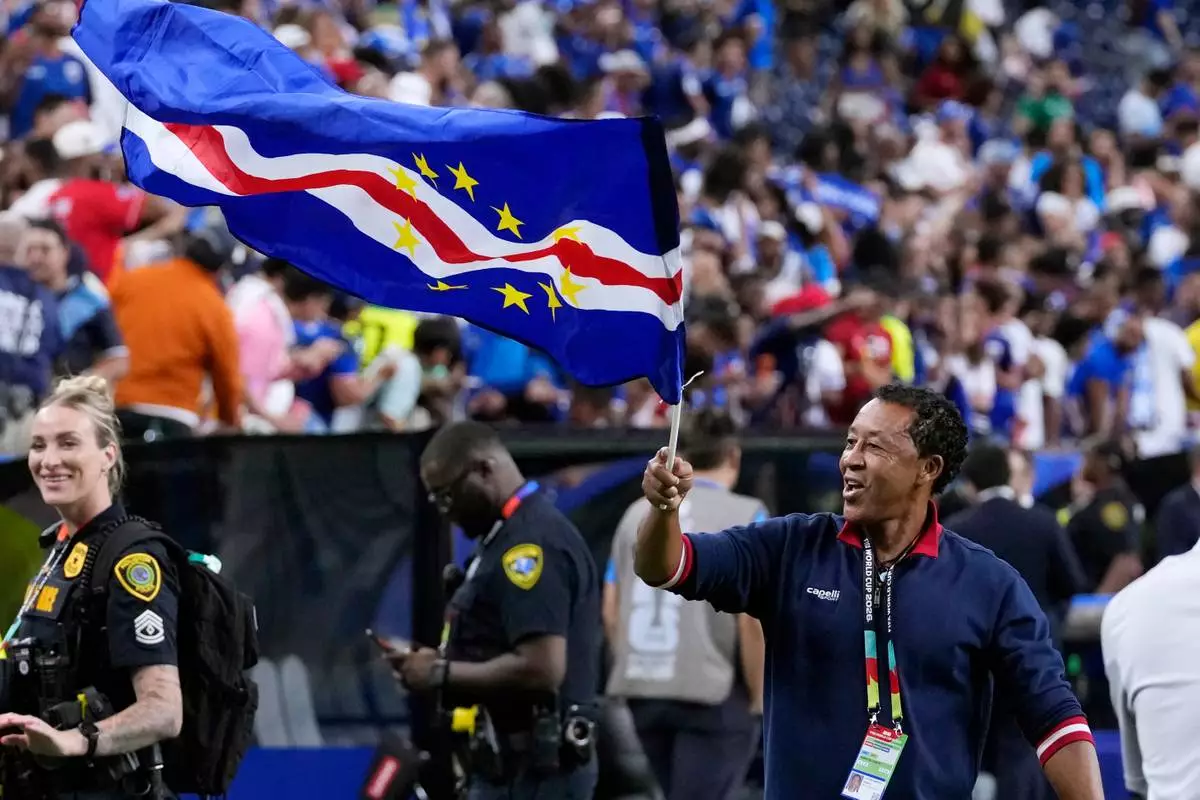
Cape Verde head coach Bubista waves the flag as he celebrates with fans after their 0-0 draw against Saudi Arabia after the World Cup Group H soccer match in Houston, Friday, June 26, 2026. (AP Photo/David J. Phillip)
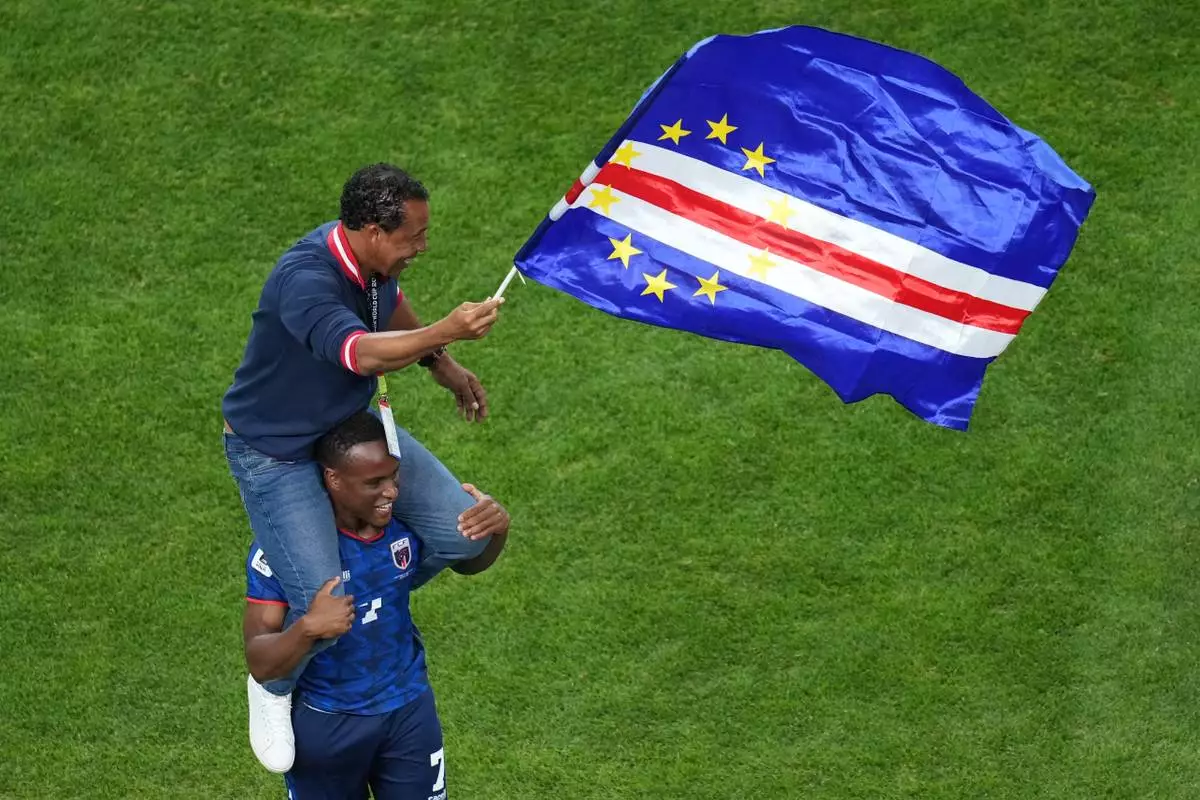
Cape Verde head coach Bubista waves a flag while being carried on the shoulder of Jovane Cabral (7) during the World Cup Group H soccer match between Cape Verde and Saudi Arabia in Houston, Friday, June 26, 2026. (AP Photo/Eric Gay)
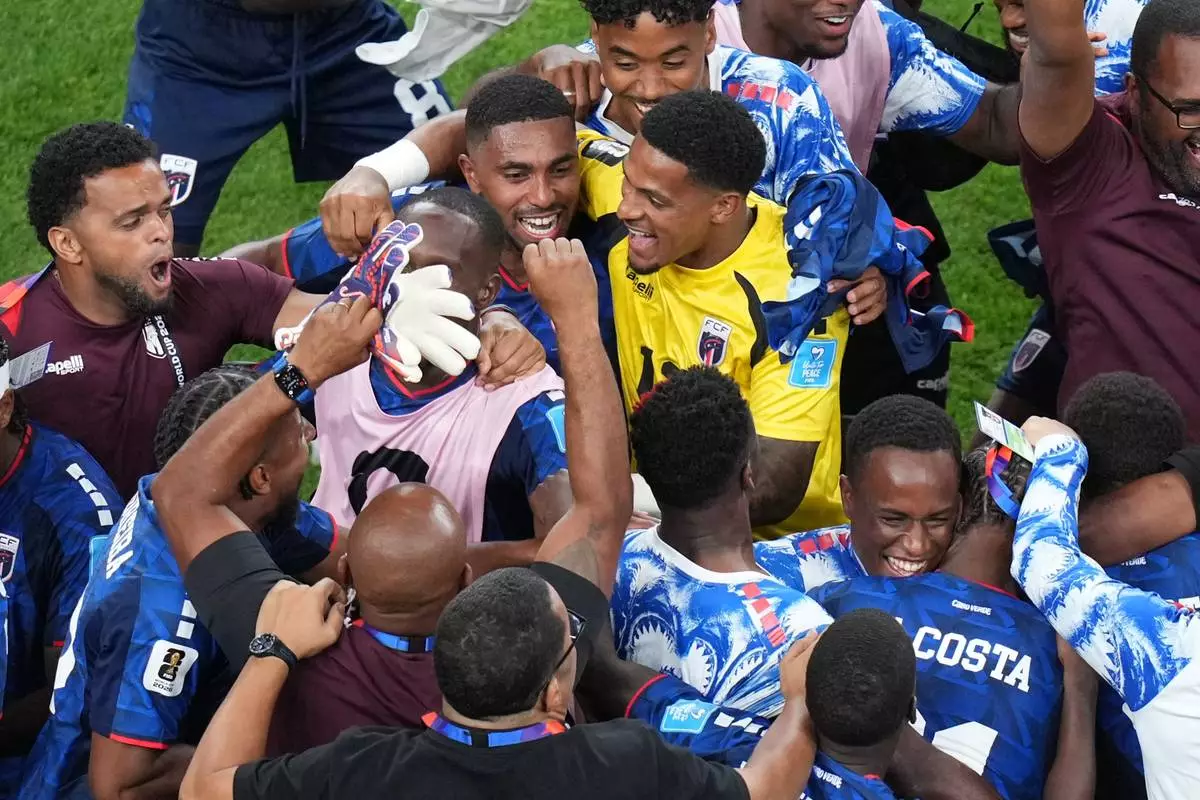
Cape Verde goalkeeper Marcio Rosa (12) celebrates with teammates after advancing during the World Cup Group H soccer match between Cape Verde and Saudi Arabia in Houston, Friday, June 26, 2026. (AP Photo/Eric Gay) CORRECTION: Corrects ID to Cape Verde goalkeeper Marcio Rosa (12), not Cape Verde goalkeeper Vozinha (1).
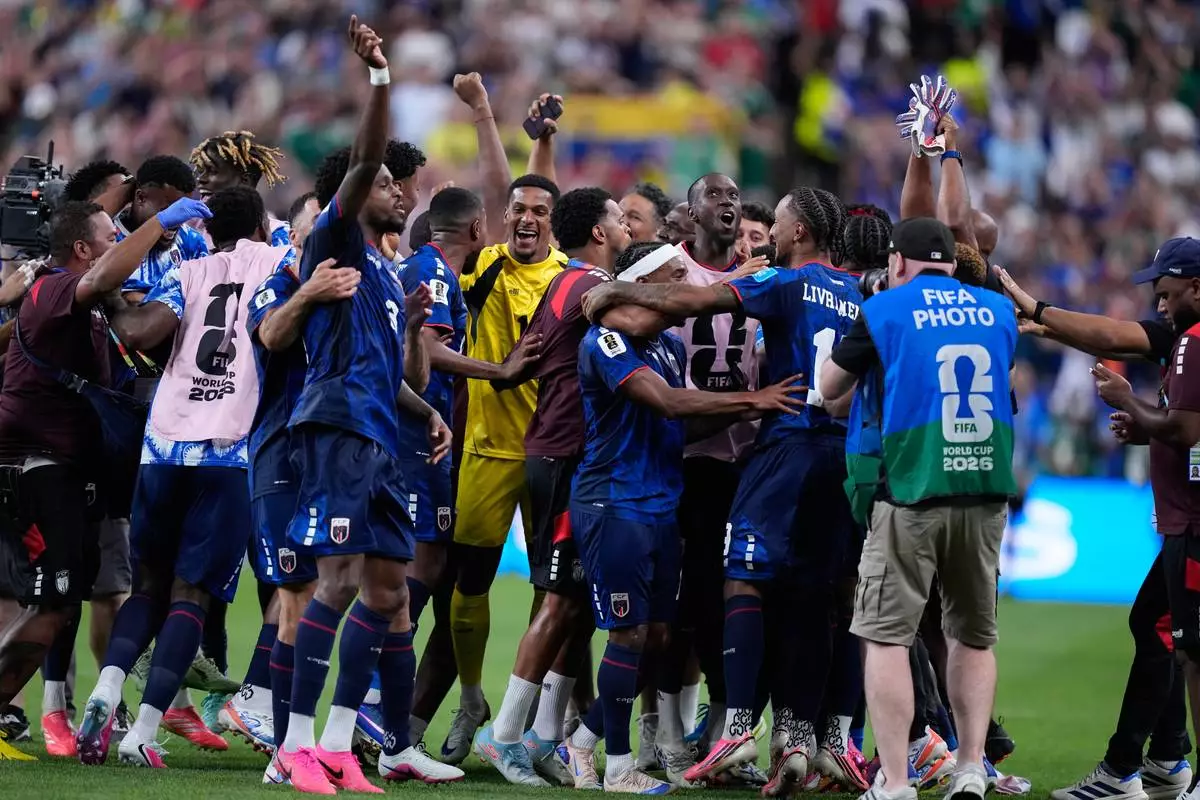
Cape Verde team members celebrate after the World Cup Group H soccer match between Cape Verde and Saudi Arabia in Houston, Friday, June 26, 2026. (AP Photo/Ashley Landis)
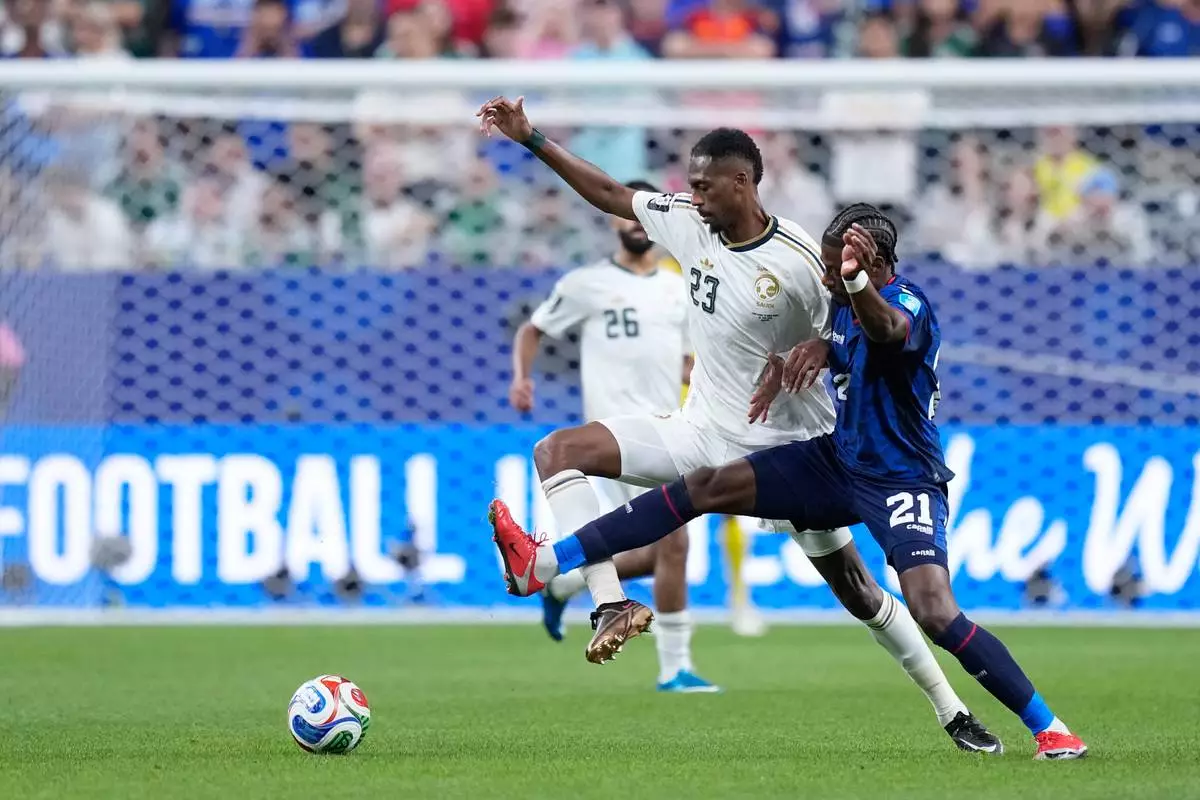
Saudi Arabia's Mohamed Kanno (23) battles for the ball with Cape Verde's Nuno da Costa (21) during the World Cup Group H soccer match between Cape Verde and Saudi Arabia in Houston, Friday, June 26, 2026. (AP Photo/Ashley Landis)
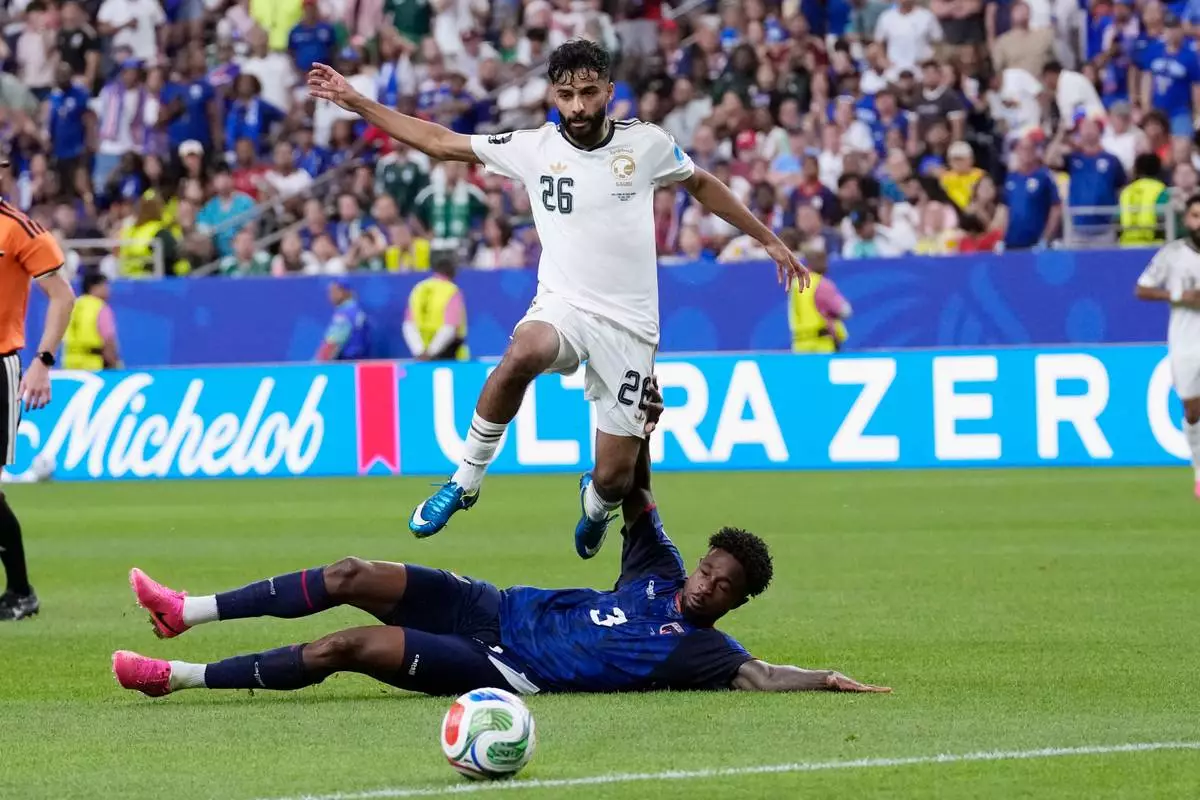
Cape Verde's Diney Borges (3) slides under Saudi Arabia's Mohammed Abu Alshamat (26) during the second half of the World Cup Group H soccer match between Cape Verde and Saudi Arabia in Houston, Friday, June 26, 2026. (AP Photo/David J. Phillip)
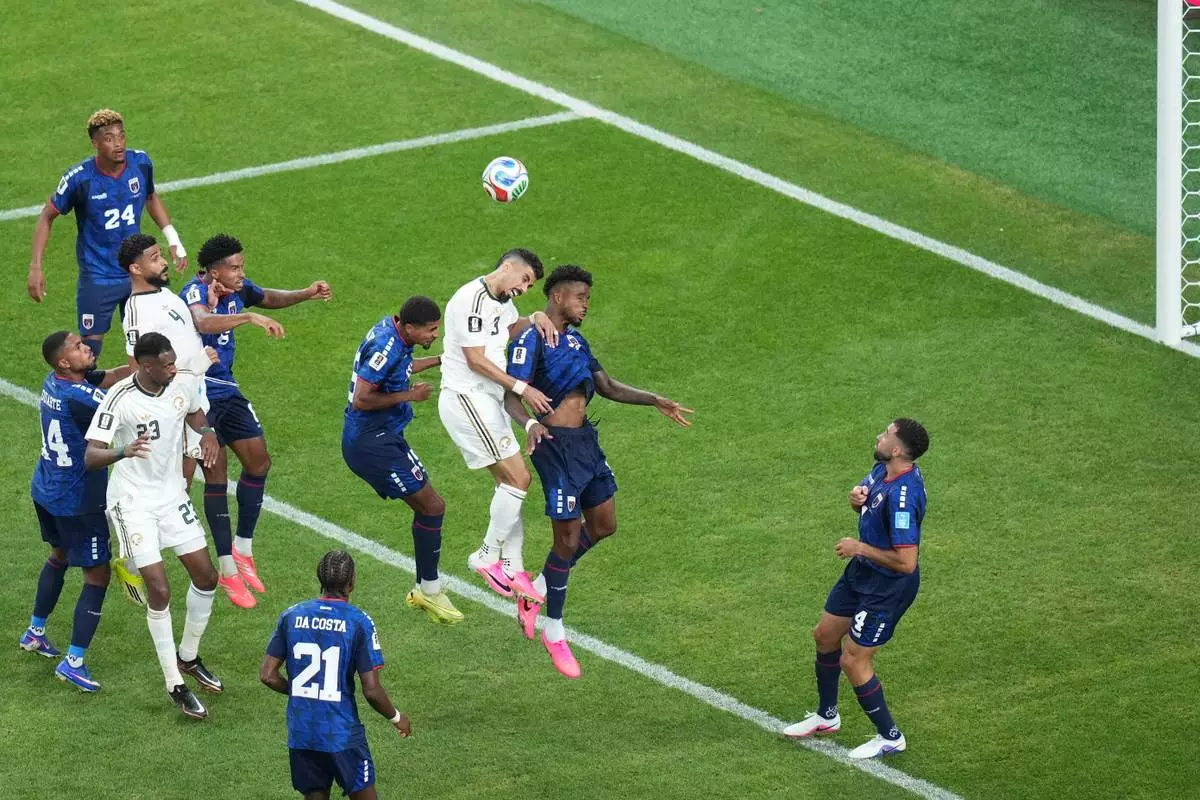
Saudi Arabia's Ali Lajami (3) battles for a header on a corner kick with Cape Verde's Diney Borges (3) during the World Cup Group H soccer match between Cape Verde and Saudi Arabia in Houston, Friday, June 26, 2026. (AP Photo/Eric Gay)
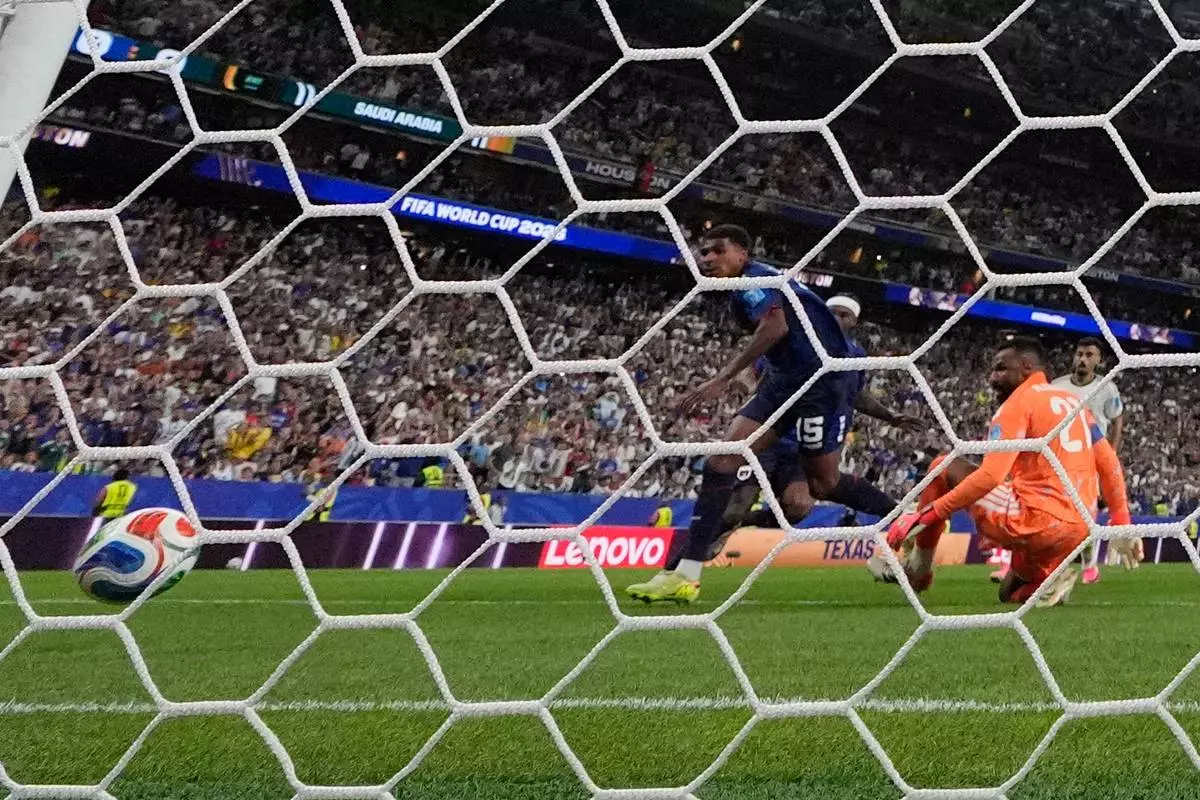
Saudi Arabia goalkeeper Mohammed Alowais (21) and Cape Verde's Laros Duarte (15) look on as the ball goes wide after Alowais made a save during the World Cup Group H soccer match between Cape Verde and Saudi Arabia in Houston, Friday, June 26, 2026. (AP Photo/Ashley Landis)
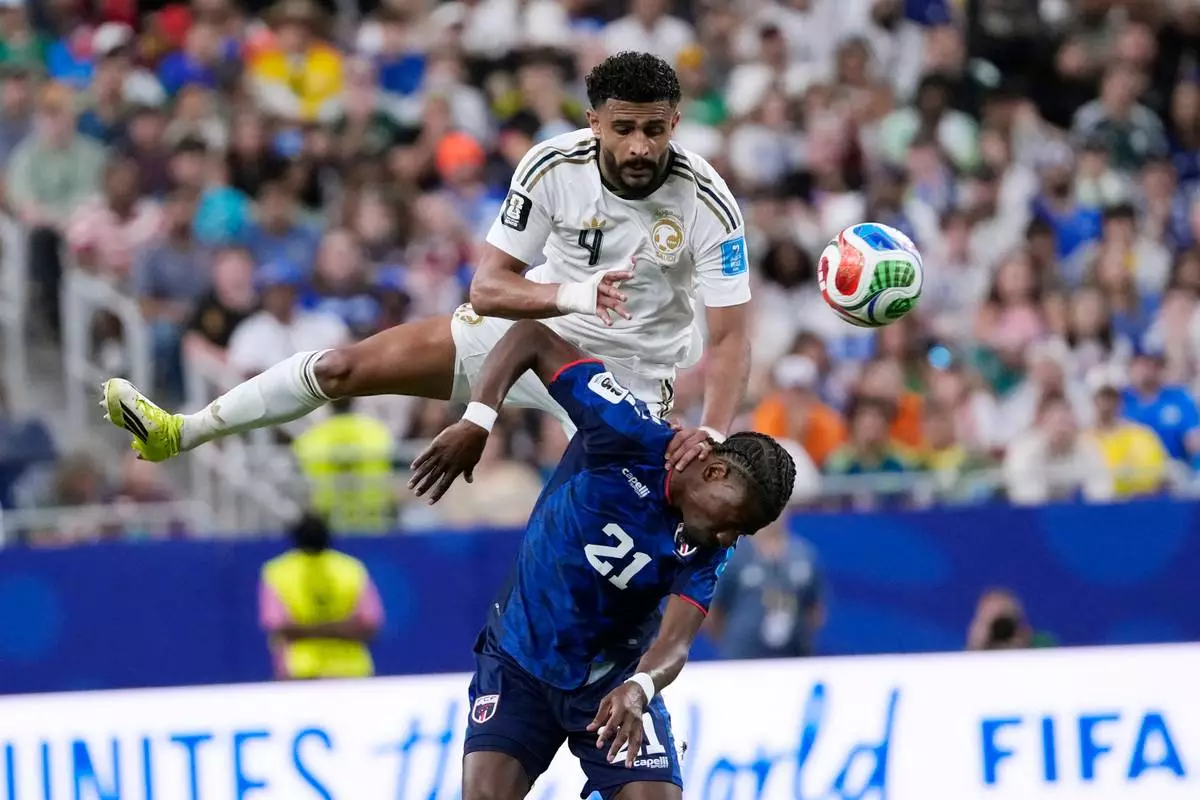
Saudi Arabia's Abdulelah Alamri (4) and Cape Verde's Nuno da Costa (21) collide was they try to head the ball during the second half of the World Cup Group H soccer match in Houston, Friday, June 26, 2026. (AP Photo/David J. Phillip)