Iran's Foreign Ministry on Friday condemned a joint statement issued by the United States and the Gulf Cooperation Council (GCC) a day earlier, describing it as an "interventionist, irresponsible and provocative" action that distorts regional realities.
The foreign ministry also warned all parties against continued hostile and interfering actions in the region.
The ministry said that the U.S. military presence in GCC countries is merely a burden on regional nations and a cause of insecurity and division.
It added that Washington's use of military bases and facilities deployed in regional states to commit the crime of aggression against Iran during the 40-day war proved that the United States places no value on those states' security or mutual relations.
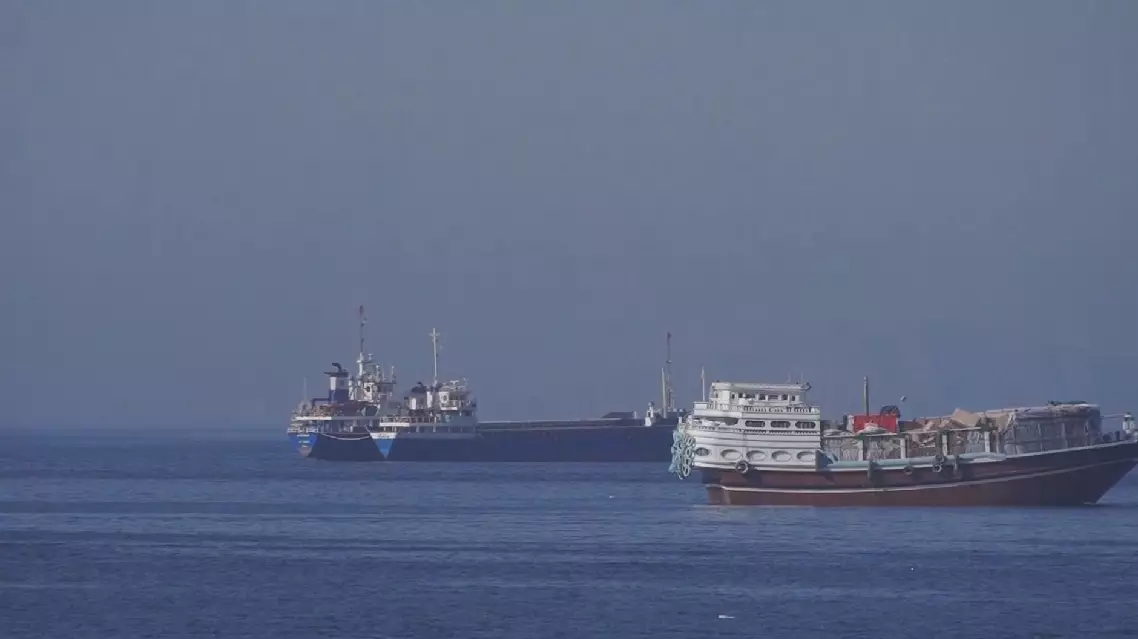
The ministry also stressed that the United States, Israel, and the regional countries that participated in the U.S.-Israeli military aggression against Iran are directly responsible for the recent deterioration of security in the Strait of Hormuz.
It called on GCC member states to reconsider their regional security policies, noting that collective security can only be achieved through cooperation among all countries in the region and without interference from external forces.
The U.S.-GCC joint statement was issued after a ministerial meeting in the Bahraini capital Manama on Thursday, which was attended by U.S. Secretary of State Marco Rubio and GCC foreign ministers.
Before attending the meeting, Rubio had visited the United Arab Emirates, Kuwait and Bahrain from Tuesday to Thursday.
GCC, established in 1981 and headquartered in the Saudi capital of Riyadh, consists of six member countries: Bahrain, Kuwait, Oman, Qatar, Saudi Arabia, and the United Arab Emirates.
On Feb. 28, Israel and the United States launched joint attacks on Tehran and other Iranian cities. Iran retaliated with waves of missiles and drones targeting Israel and U.S. regional assets, while tightening its grip on the Strait of Hormuz to bar Israeli- and U.S.-linked vessels.
On June 18, Iran and the United States signed a memorandum of understanding aimed at ending the conflict on all fronts, including Lebanon, following which they have started negotiations on a final agreement.
Iran condemns US-GCC joint statement as 'interventionist, irresponsible, provocative'
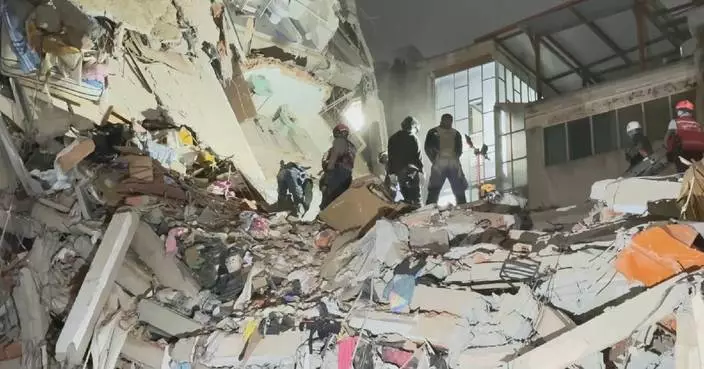
Rescue and post-disaster relief efforts are steadily progressing in Maracay, the capital of Aragua state, three days after two devastating earthquakes rocked Venezuela within seconds of each other.
Maracay is one of the worst-hit areas in the powerful quakes. Although the tremors have triggered significant damage throughout the city, social order remains largely stable there.
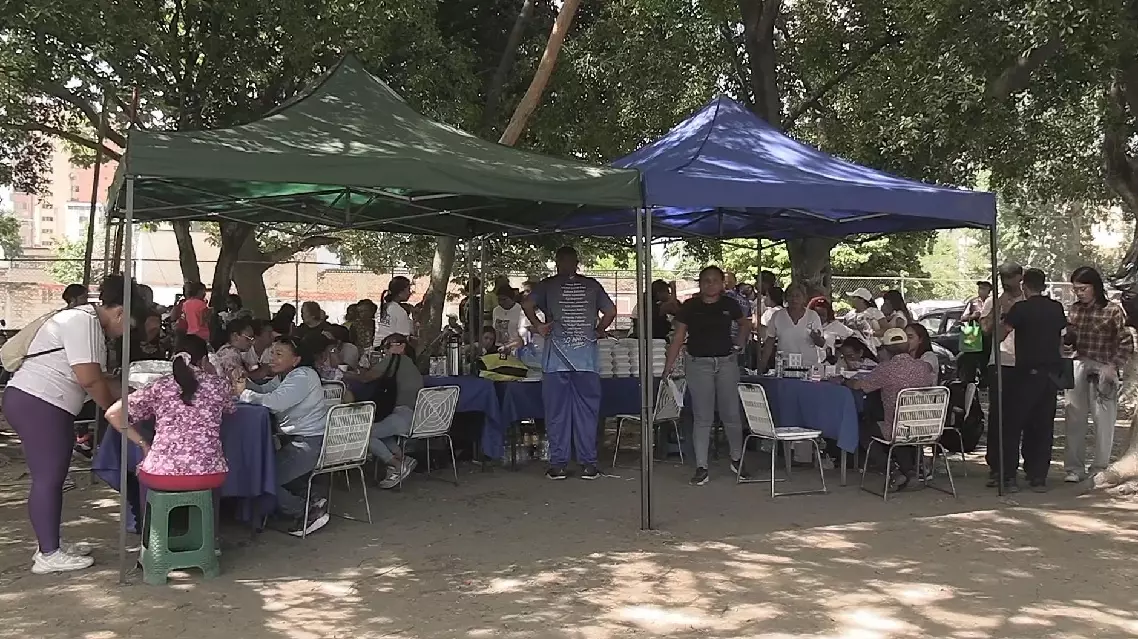
At a disaster relief distribution center in the city, local residents have come together to donate essential food and medicine. The site has also served as a hub for medical and social support services.
"Here, we have a medical service area, a social assistance zone, and over there, colleagues are offering psychological support. We're receiving community donations, providing primary care and emergency first aid, and distributing relief supplies to the affected families. From yesterday to today, we've assisted around 200 to 300 patients in our medical service area," said Dr. Molina, a volunteer physician at the site.
One of the hardest-hit residential communities in Maracay is home to about 700 to 800 households, with about six families experiencing significant damage. Official preliminary assessments show that nearly half of the residential buildings are still habitable, while the rest may be unsafe for occupancy.
Reilly, a local resident, described the terror moment of the quakes.
"What affected us the most was that we were just going about our normal routines when everything was suddenly turned upside down. My mother took the biggest psychological hit -- the shaking made us fall and stumble, and after we barely managed to get downstairs, the scariest moment came when we were on the lower levels and actually saw the building beginning to crack right before our eyes," he said.
Relly also shared that he just collected food from the distribution point after the quake destroyed his refrigerator, leaving him and his mother with almost no supplies at home.
"They asked me what I needed most, and I told them food. They gave me some cornmeal cakes - enough for me and my mom. I also shared part of what I received with others in greater need," he said.
The death toll from the powerful twin earthquakes that struck Venezuela on Wednesday had risen to 920, with 3,360 others injured, Venezuelan National Assembly President Jorge Rodriguez said on Friday.
Another 172 people still remained trapped under debris and 3,007 others had been displaced by the disaster, Rodriguez said.
The earthquakes damaged 383 buildings, including 13 hospitals and 25 commercial centers, he said, adding that another 1,002 facilities sustained varying degrees of damage.
Recovery, relief efforts progress in Maracay following strong earthquakes