The U.S.-led Joint Maritime Information Center (JMIC) on Saturday raised the maritime security threat level in the Strait of Hormuz from moderate to substantial, following recent attacks on commercial ships in waters near the strait.
JMIC had lowered the maritime threat level in waters surrounding the strait to moderate on June 18.
Saturday's JMIC notice also warned mariners of the presence of mines in the area and said naval forces are expected to operate there as mine-clearing activities continue.
Shipping through the Strait of Hormuz has gradually picked up over the last week after the United States and Iran reached a memorandum of understanding, which included commitments to freedom of navigation through the vital waterway.
International shipping data showed that although Thursday's attack on a container ship had appeared to reduce traffic through the waterway, commercial vessels were still transiting the strait.
On Saturday, UKMTO said it had received reports that an oil tanker had been struck by unidentified projectiles, incurring some damage to the bridge but without harm to any crew members.
According to Iran's state television IRIB, the number of ships applying to pass through the Strait of Hormuz increased significantly on Saturday morning local time.
It said that Iran's regulations regarding passage through the Strait of Hormuz remain in effect, adding that all vessels entering or leaving the waterway must communicate and coordinate with the Iranian Islamic Revolutionary Guard Corps Navy (IRGCN).
The Persian Gulf Straits Authority (PGSA) issued a notice on social media on Friday, saying that all vessels passing through the Strait of Hormuz must follow the prescribed routes and procedures.
It said that vessels that deviate from designated routes without authorization will not be covered by security guarantees or related insurance coverage.
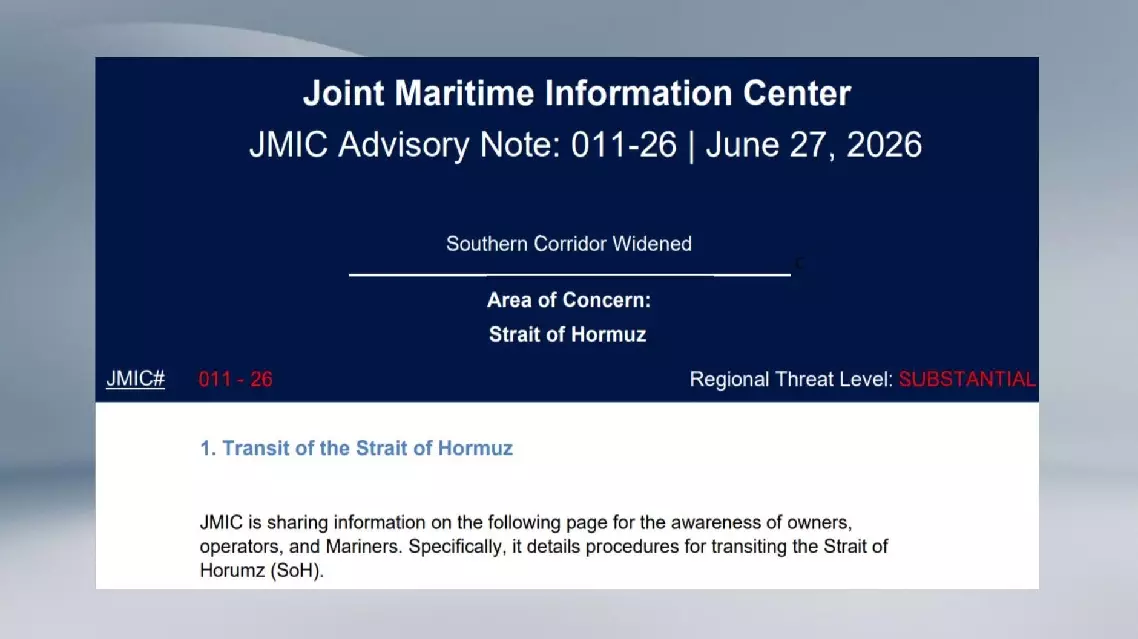
U.S.-led maritime center raises threat level in Strait of Hormuz to "substantial"
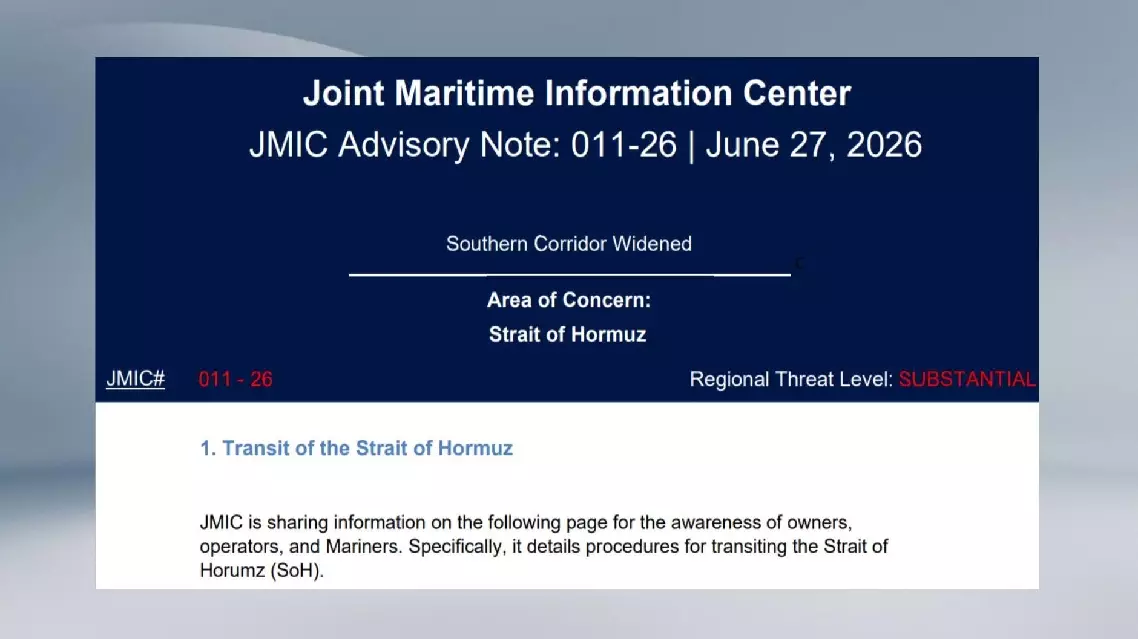
U.S.-led maritime center raises threat level in Strait of Hormuz to "substantial"