When it comes to birthright citizenship, the Trump administration hasn’t been subtle about its views.
The practice, which grants automatic citizenship to nearly everyone born on U.S. soil and which is soon to face Supreme Court judgment, is “a disgrace,” according to President Donald Trump.
“The gravest and most preposterous of all constitutional abominations,” top White House adviser Stephen Miller wrote on X.
“The dumbest immigration policy in the world,” Vice President JD Vance said in 2025.
“You know, we’re the only country that has it,” Trump said in one interview, a claim he has made repeatedly. And falsely.
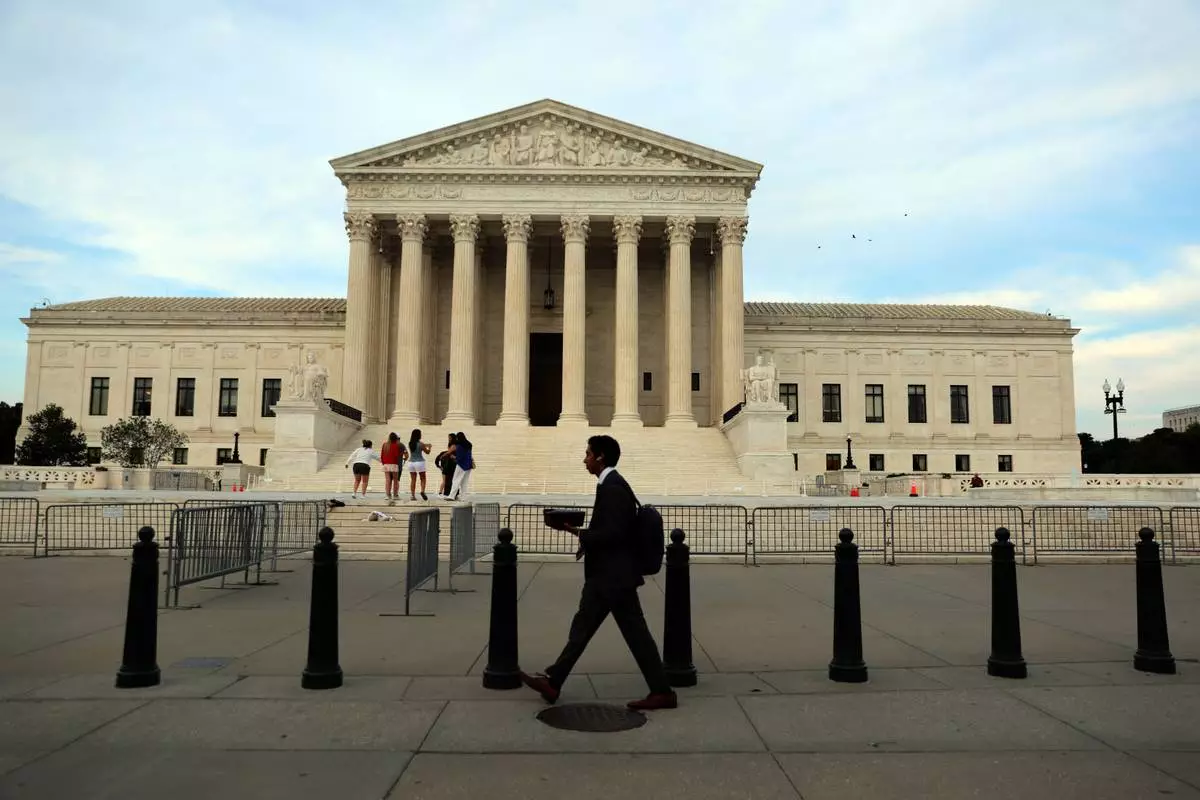
The Supreme Court is expected to address the issue in the coming days, ruling on a Trump executive order that would upend more than a century of constitutional and legal history.
“It’s all up to a couple of people,” he told reporters recently. “I hope they do what’s right.”
Here’s a closer look at the facts.
Birthright citizenship became law in 1868 when the 14th Amendment was ratified in the aftermath of the Civil War, in part to ensure that former slaves would be citizens.
In the late 1800s, in the case of Wong Kim Ark, a man born in the U.S. to Chinese parents, it was expanded to include children of immigrants. In later cases, the Supreme Court ruled that anyone born in the U.S. is a citizen, including if their parents are in the U.S. illegally or temporarily.
There are a tiny number of exceptions, mostly for children born in the U.S. to foreign diplomats.
It became an accepted part of U.S. jurisprudence and, until Trump, few saw it as controversial.
That's not surprising, since until fairly recently even many Republicans spoke warmly about immigration.
Recent immigrants “have crawled over walls and under barbed wire and through mine fields” to reach the U.S., President Ronald Reagan said at a 1984 naturalization ceremony in Detroit for new citizens.
“And all of them have added to the sum total of what your new country is.”
Opposition to immigration has long been central to Trump’s campaigns, and he has tapped into public frustration with issues like soaring illegal border crossings during the Biden administration, when border arrests from Mexico reached a record-high of 250,000 in just one month.
To Trump, birthright citizenship is a “magnet for illegal immigration,” with administration officials often pointing to illegal “birth tourism” networks that arrange for non-U.S. citizens to come to the country solely to give birth.
In legal arguments against the practice, government lawyers often focus on one phrase in the amendment: “subject to the jurisdiction thereof.” Breaking with most legal scholars, they insist that means the U.S. can deny citizenship to babies born to women who are in the country illegally.
But during April’s oral arguments on the case, even some conservative Supreme Court justices questioned that approach.
No.
It’s true that the practice isn’t the norm around the world. In most countries, a child’s citizenship follows that of its parents, no matter where the birth takes place.
Yet dozens of countries other than the United States have unrestricted birthright citizenship. Most are in the Americas, including Canada, Mexico and many nations in Central and South America.
Dozens of other countries, from Germany to Australia, have a mixed approach, using a variety of principles, including parenthood, place of birth, residency and ethnicity, to decide a child’s citizenship.
Find AP Fact Checks here: https://apnews.com/APFactCheck.
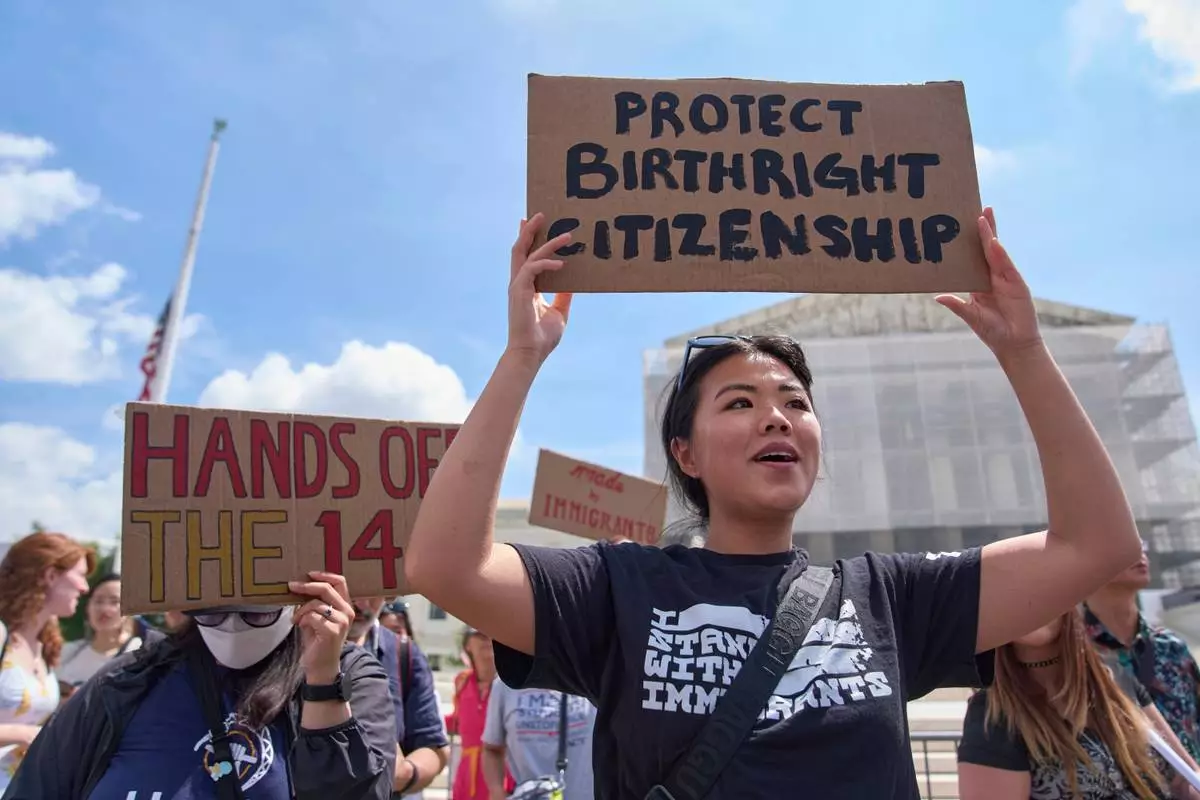
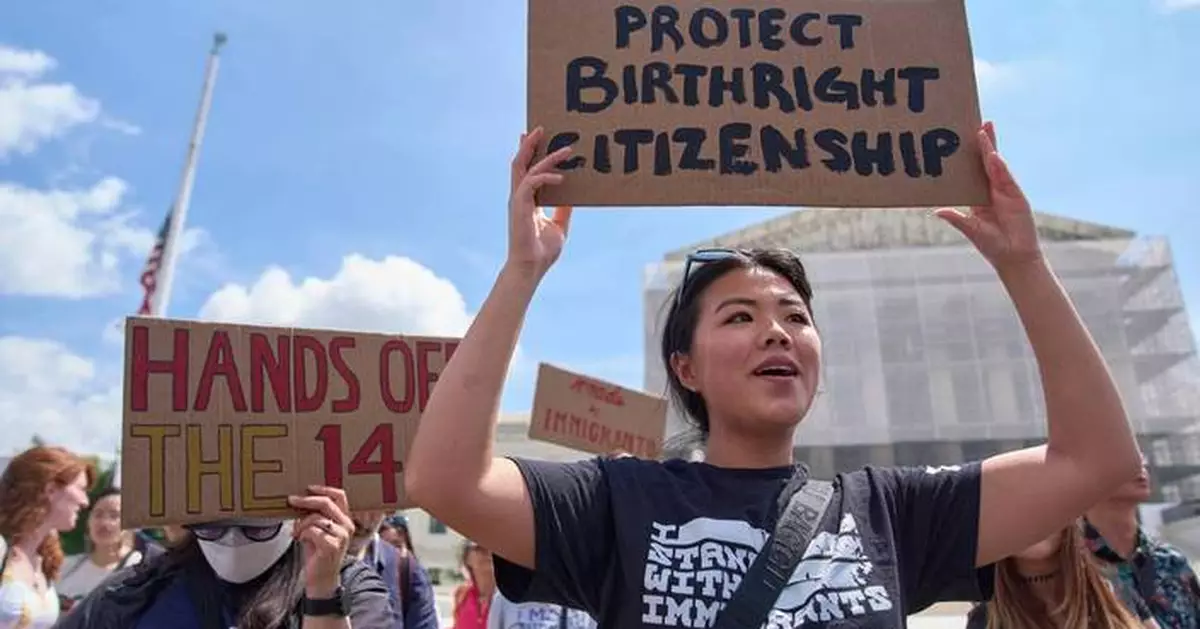
FILE - Hannah Liu, 26, of Washington, holds up a sign in support of birthright citizenship, May 15, 2025, outside of the Supreme Court in Washington. (AP Photo/Jacquelyn Martin, File)