CANGZHOU, China, June 29, 2026 /PRNewswire/ -- A news report from Xinhuanet:
Cangzhou, a coastal city in Hebei Province, China, is turning the Beijing-Tianjin-Hebei coordinated development strategy into concrete gains in industry, transport and public services, local authorities said.
Located in southeastern Hebei along the Bohai Sea and the Grand Canal, Cangzhou is known for martial arts, acrobatics, canal culture and the thousand-year-old Iron Lion that gave it the nickname "Lion City." The city is now positioning itself as a node in regional integration, linking resources from Beijing and Tianjin with Hebei's coastal logistics and manufacturing base.
Since 2023, Cangzhou has signed agreements on 170 projects involving Beijing and Tianjin partners, with total planned investment of 68.4 billion yuan, according to a local government briefing. The city has also attracted 50 second- and third-tier subsidiaries of centrally administered state-owned enterprises, making it a destination for industrial resources from the two municipalities.
One of the clearest examples is biomedicine. The Beijing-Tianjin-Hebei Cangzhou Biomedicine Industrial Park has attracted 70 companies. Three pharmaceutical formulation projects, including one involving Beijing Yimin, have been completed, marking a breakthrough in Cangzhou's efforts to receive pharmaceutical production capacity from Beijing.
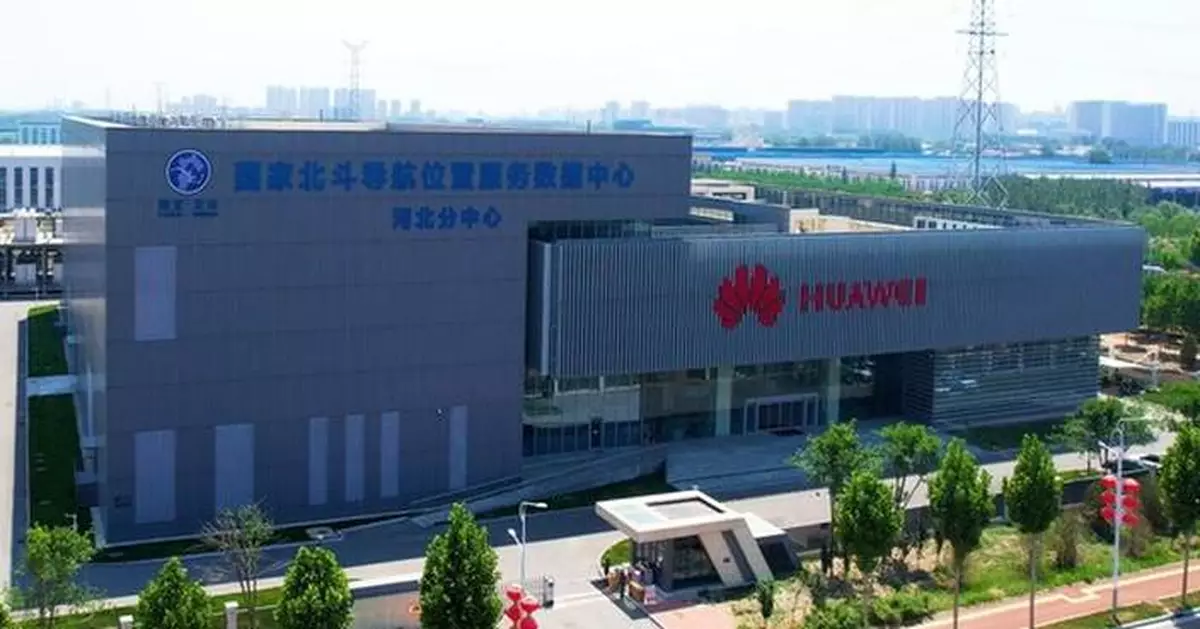
The industrial shift is also reshaping the city's innovation network. Cangzhou has signed cooperation agreements with universities and research institutes in Beijing and Tianjin, including Tsinghua University, and has supported platforms such as the Hebei branch of the National Beidou Navigation Location Service Data Center and the Yanzhao Green Chemical Laboratory. Since 2023, the city has recorded more than 20 billion yuan in technology-contract transactions from Beijing and Tianjin, local authorities said.
Those industrial links are being reinforced by transport and logistics. Cangzhou has opened direct high-speed rail service with Shijiazhuang, while several railway and expressway projects are under construction or being advanced as part of broader regional connectivity efforts. The city is also using Huanghua Port to support logistics links with Xiong'an New Area.
Cangzhou is promoting a cross-regional customs and logistics model under which goods would be declared, inspected and released in Xiong'an before being exported by sea through Huanghua Port. Officials describe the effort as part of Cangzhou's work to support Xiong'an's access to maritime logistics.
Regional integration is also reaching public services. Cangzhou has established 27 Beijing-Tianjin-Hebei medical alliances, while 57 local medical institutions have joined arrangements for mutual recognition of medical test results. It has also expanded cross-regional medical settlement and labor-service cooperation. In elderly care, the city said it has attracted 24,700 elderly residents from Beijing, Tianjin and nearby provinces.
Cangzhou also reported gains in environmental protection and tourism. According to local authorities, the city's air quality composite index in 2025 fell by 15.14 percent from 2023, while average PM2.5 concentration dropped by 11.47 percent and the number of good-air days increased by 51. Centralized drinking-water sources met Grade III or better standards, and eight rivers flowing into the sea met water-quality targets.
Tourism has benefited from closer regional links and Cangzhou's cultural resources. Drawing on the Grand Canal, martial arts, acrobatics, intangible cultural heritage and its "Lion City" identity, the city received about 57.3 million domestic tourist visits in 2025, generating 60.94 billion yuan in tourism spending, according to the local government briefing.
In 2026, Cangzhou plans to sign at least 50 new projects involving Beijing and Tianjin partners, with more than 10 billion yuan in planned investment. It will focus on biomedicine, hydrogen energy, apparel, the low-altitude economy, transport connectivity and cooperation with Xiong'an, aiming to deepen its role as an industrial, logistics and public-service link in the Beijing-Tianjin-Hebei region.
** This press release is distributed by PR Newswire through automated distribution system, for which the client assumes full responsibility. **
How Cangzhou Is Gaining From Beijing-Tianjin-Hebei Integration