LegCo Secretariat releases Policy Pulse on "Empowering Hong Kong by nurturing and pooling talents: building an international hub for high-calibre talents"
The following is issued on behalf of the Legislative Council Secretariat:
The Outline of the National 15th Five-Year Plan clearly supports Hong Kong in developing into an international hub for high-calibre talents, and the public consultation document on Hong Kong's First Five-Year Plan also proposes to refine the strategies for nurturing, attracting and retaining targeted talents. The Legislative Council (LegCo) Secretariat today (June 29) released the latest issue of the Policy Pulse on "Empowering Hong Kong by nurturing and pooling talents: building an international hub for high-calibre talents", which provides a brief overview of the series of measures adopted by the Government to develop Hong Kong into an international hub for high-calibre talents, the effectiveness of its efforts in pooling talents and the latest progress in promoting talent cooperation and exchanges in the Guangdong-Hong Kong-Macao Greater Bay Area (GBA). It also offers an overview of the relevant discussions in LegCo along with Members' suggestions.
The Policy Pulse outlines a series of enhancement measures for talent attraction introduced by the Government since 2022 to address Hong Kong's acute manpower demand, including the introduction of the Top Talent Pass Scheme (TTPS), the updating of the Talent List, the enhancement of various talent admission schemes and the establishment of Hong Kong Talent Engage. At the same time, the Committee on Education, Technology and Talents, led by the Chief Secretary for Administration, has adopted three major strategies to attract and nurture specialised talents from different sectors, including enhancing talent schemes and services, developing an international post-secondary education hub and attracting key innovation and technology (I&T) talents.
With the ongoing enhancement of various talent attraction and retention measures, some 300 000 talents have come to Hong Kong for work and development, 70 per cent of whom are young talents aged under 40. Meanwhile, Hong Kong rose to fourth place globally in the World Talent Ranking 2025, ranking first in Asia - a record high that fully demonstrates the effectiveness of the various measures to build Hong Kong into a talent hub. Among the schemes, the TTPS has received an overwhelming response. As at the end of February this year, the application rate for extension of stay exceeded 50 per cent - a promising figure. The median monthly salary of TTPS talents whose applications for extension of stay approved was approximately $40,000. The TTPS is estimated to bring approximately $34 billion in direct economic contribution to Hong Kong per year, equivalent to approximately 1.2 per cent of the city's Gross Domestic Product.
Members suggest that the Government regularly examine the manpower supply and demand situation of each profession on the Talent List and draw up the aggregate list of eligible universities under the TTPS based on the results of the Manpower Projection, so as to ensure that the talents admitted would precisely match the needs of Hong Kong's industry development. They also suggest formulating a comprehensive policy and supporting measures for the integration of newly arrived talents into Hong Kong and considering enhancing support measures for the employment of talents' spouses in Hong Kong and the schooling of their children.
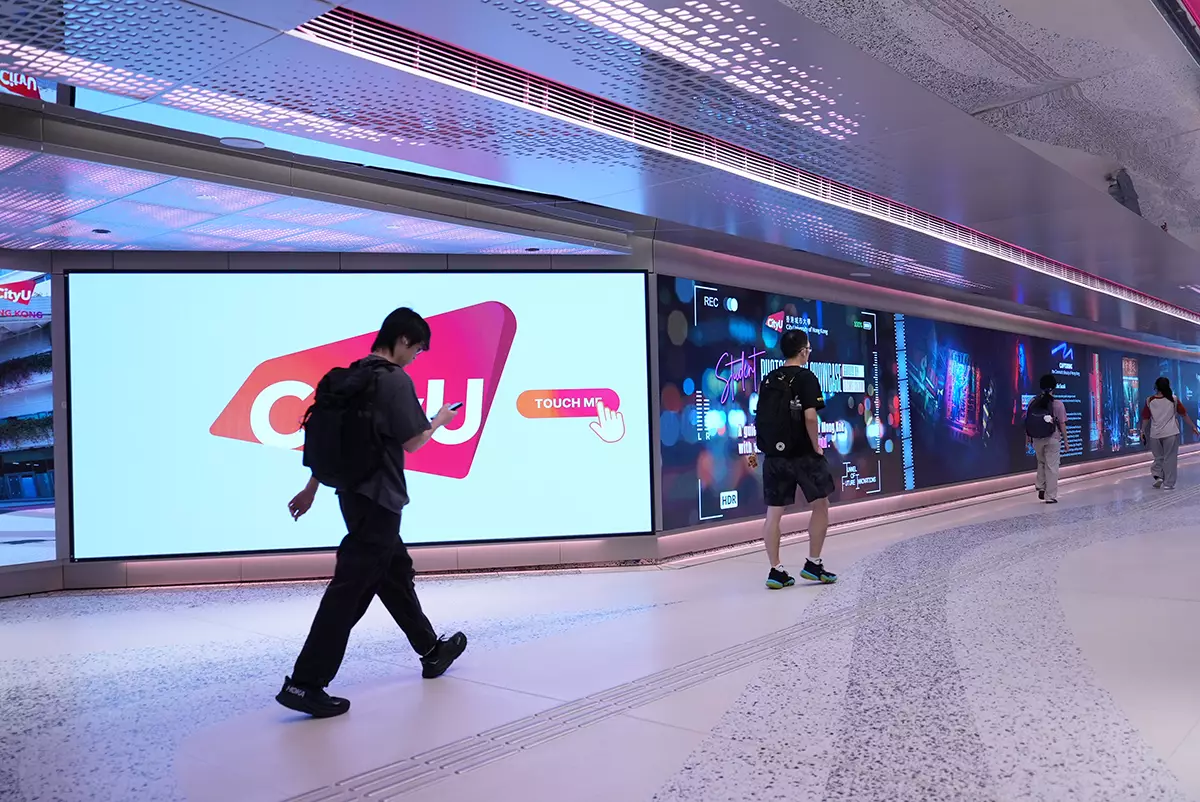
University students in Hong Kong, Photo by Bastille Post
Hong Kong is home to five universities ranked among the world's top 100, underpinned by robust research capabilities. The Policy Pulse points out that the Government is actively developing an integrated development layout of education, technology and talents, and adopting a multi-pronged approach to enhance the local talent nurturing system. This includes promoting the "Study in Hong Kong" brand globally to build an international education hub; expanding the institutional capacity locally through the Northern Metropolis University Town; deepening collaboration among the Government, industry, academia, research and investment sectors; and expanding vocational and professional education and training (VPET) alongside digital education to pursue talent nurturing and attraction concurrently. Meanwhile, various measures are being implemented to realise the development direction of "promoting technology with talents, leading industries with technology, and attracting talents with industries", forging Hong Kong into an international I&T centre.
Members urge the Government to strengthen the linkage between VPET and industries including I&T, promote a dual-track system of vocational training and academic education and build a "hire and train" talent training pathway to effectively address the disconnection between industry and academia. Capitalising on the opportunities brought by the Northern Metropolis (NM), the Administration is also asked to encourage in-depth collaboration among I&T enterprises, institutions and educational institutions in the NM through means such as tax incentives and dedicated matching funds. Furthermore, Members suggest strengthening pre-service training for prospective teachers and professional support for in-service teachers, creating a digital education service platform and promoting the sharing of high-quality digital education resources to cultivate future digital talents.
The Policy Pulse also outlines the Government's proactive efforts to deepen collaboration with other GBA cities. Through building a co-operation platform, the Government aims to foster the interconnected flow of talents in the GBA, so as to consolidate and enhance Hong Kong's dual role as an international talent hub and the country's gateway for talents. Members call on the Administration to strengthen collaboration with the Mainland authorities and work with stakeholders from various sectors to jointly improve GBA talent standards on the premise of safeguarding priority employment for local workers; and promote the mutual recognition of professional qualifications between Hong Kong, the GBA and countries along the Belt and Road Initiative, thereby enhancing the international competitiveness of Hong Kong's I&T and vocational talents.
The detailed content of "Empowering Hong Kong by nurturing and pooling talents: building an international hub for high-calibre talents" is available on the LegCo website. The Policy Pulse, published by the Council Business Divisions of the LegCo Secretariat, covers specific topics and offers a comprehensive overview of related policy developments and summarised discussions in LegCo.

The Legislative Council, Photo by Bastille Post