Skip to Content Facebook Feature Image

After an earthquake, how long can trapped victims survive?

News

After an earthquake, how long can trapped victims survive?
News

News

After an earthquake, how long can trapped victims survive?

2026-06-30 02:10 Last Updated At:02:21

NEW YORK (AP) — For those trapped in rubble after an earthquake, survival depends on many factors, including weather and access to water and air.

If their injuries aren't too severe, victims can survive for a week or more, assuming the weather isn't too hot or cold, experts say.

More Images
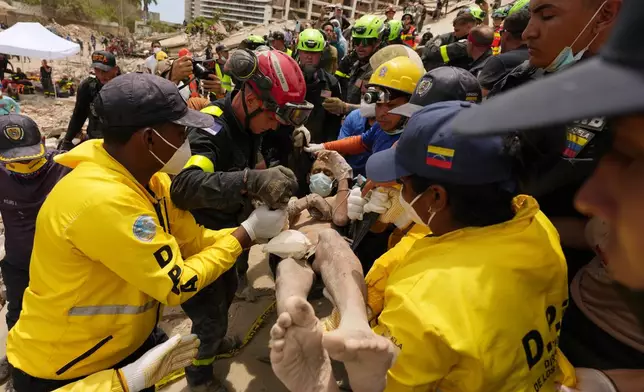
Relief workers carry a man rescued from a building that collapsed in the earthquakes that struck La Guaira, Venezuela, Sunday, June 28, 2026. (AP Photo/Matias Delacroix)
Relief workers carry a man rescued from a building that collapsed in the earthquakes that struck La Guaira, Venezuela, Sunday, June 28, 2026. (AP Photo/Matias Delacroix)

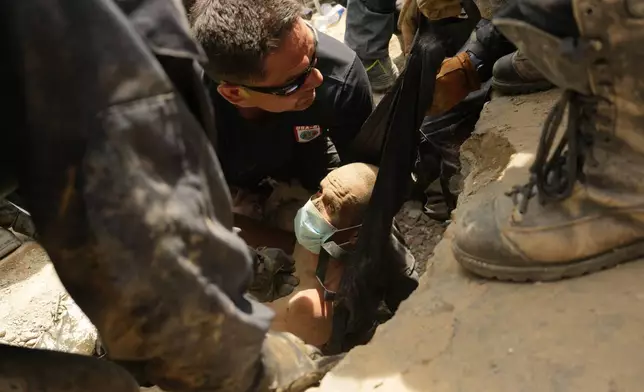
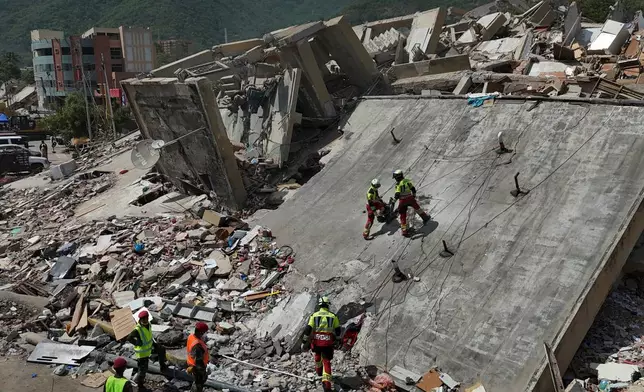
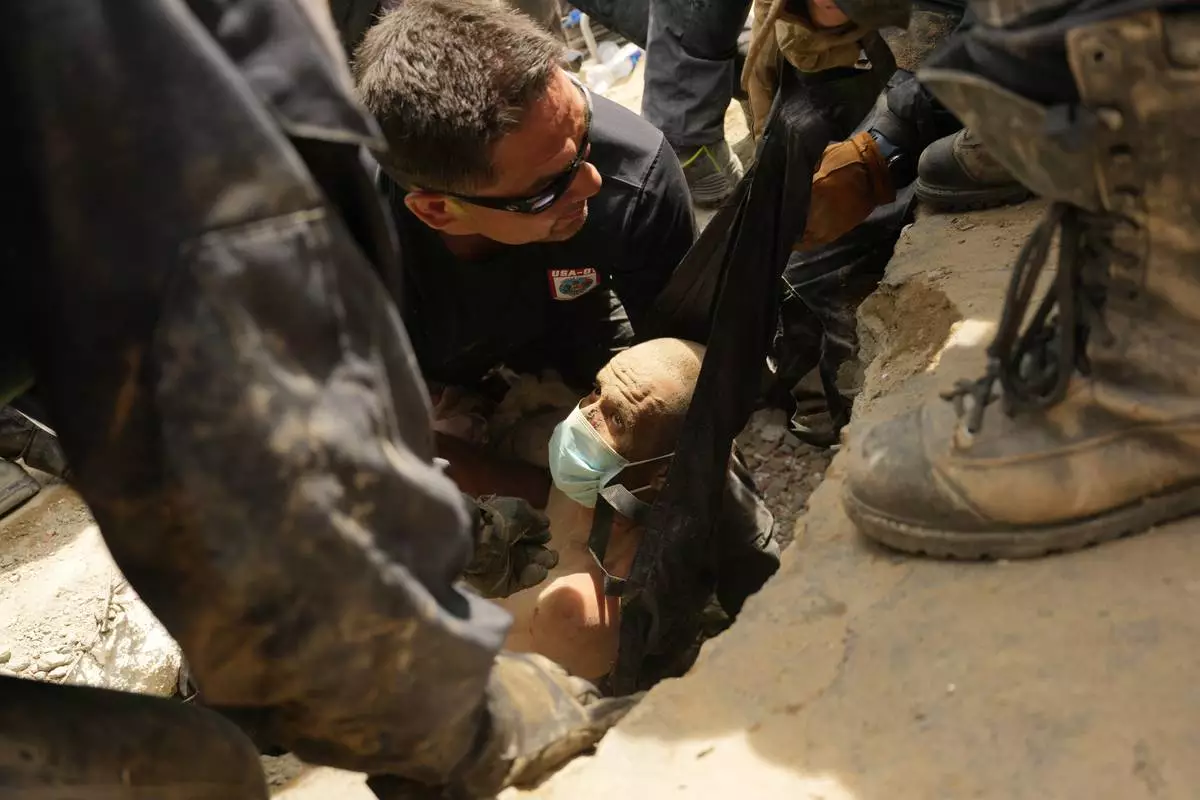
U.S. firefighters from the Fairfax County pull a survivor from the rubble of a building that collapsed in the earthquakes in La Guaira, Venezuela, Sunday, June 28, 2026. (AP Photo/Matias Delacroix)
U.S. firefighters from the Fairfax County pull a survivor from the rubble of a building that collapsed in the earthquakes in La Guaira, Venezuela, Sunday, June 28, 2026. (AP Photo/Matias Delacroix)

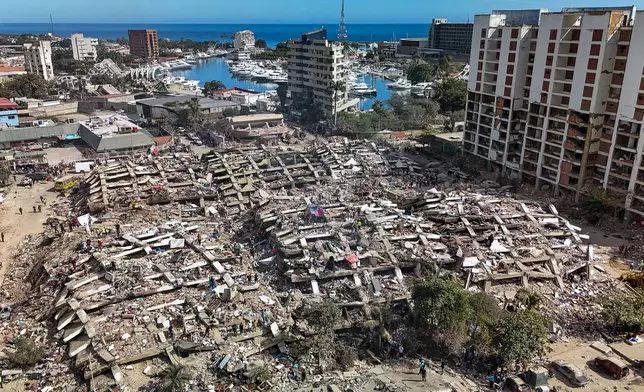
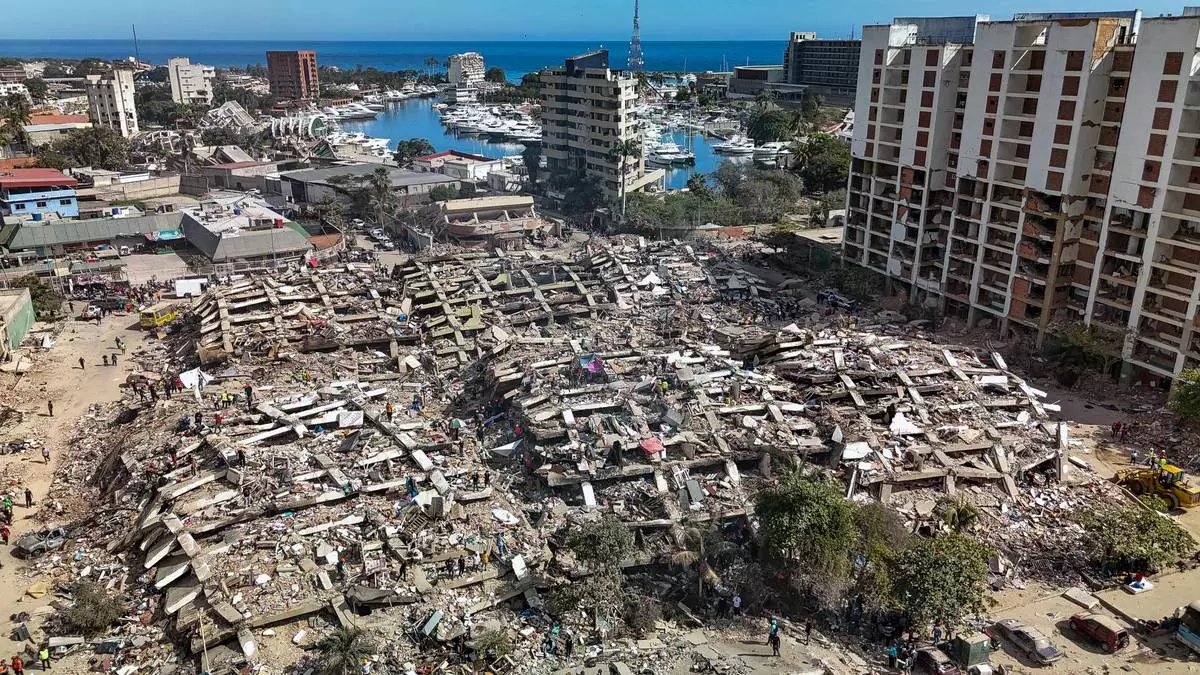
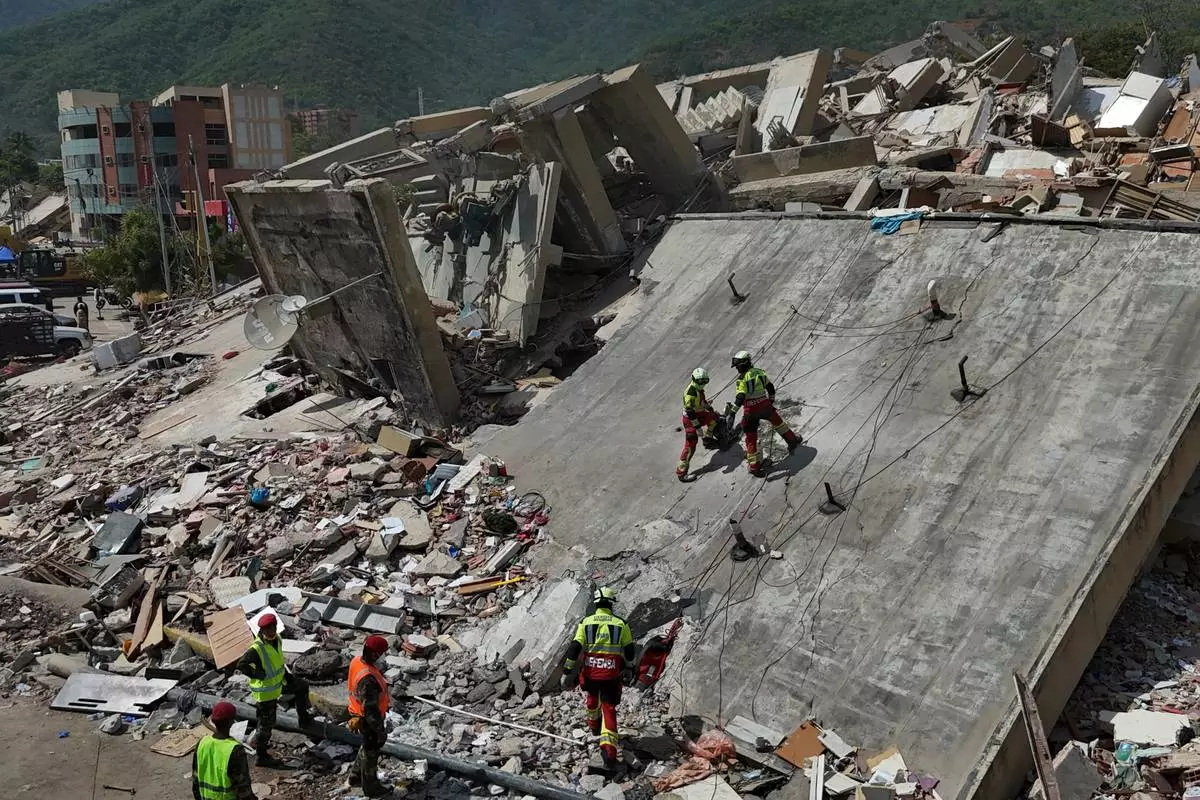
Buildings are collapsed and damaged along the coast in Caraballeda, La Guaira state, Venezuela, Sunday, June 28, 2026, following earthquakes. (Miguel Medina, Pool photo via AP)
Buildings are collapsed and damaged along the coast in Caraballeda, La Guaira state, Venezuela, Sunday, June 28, 2026, following earthquakes. (Miguel Medina, Pool photo via AP)

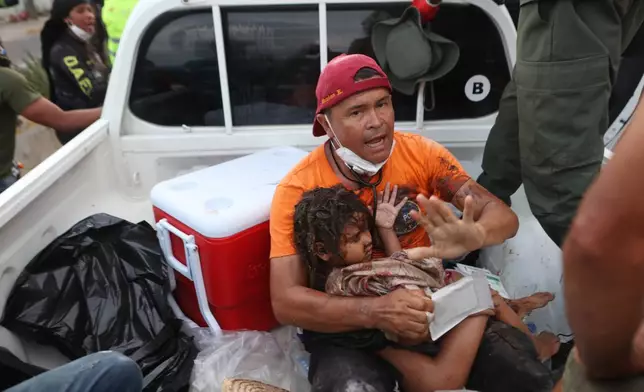
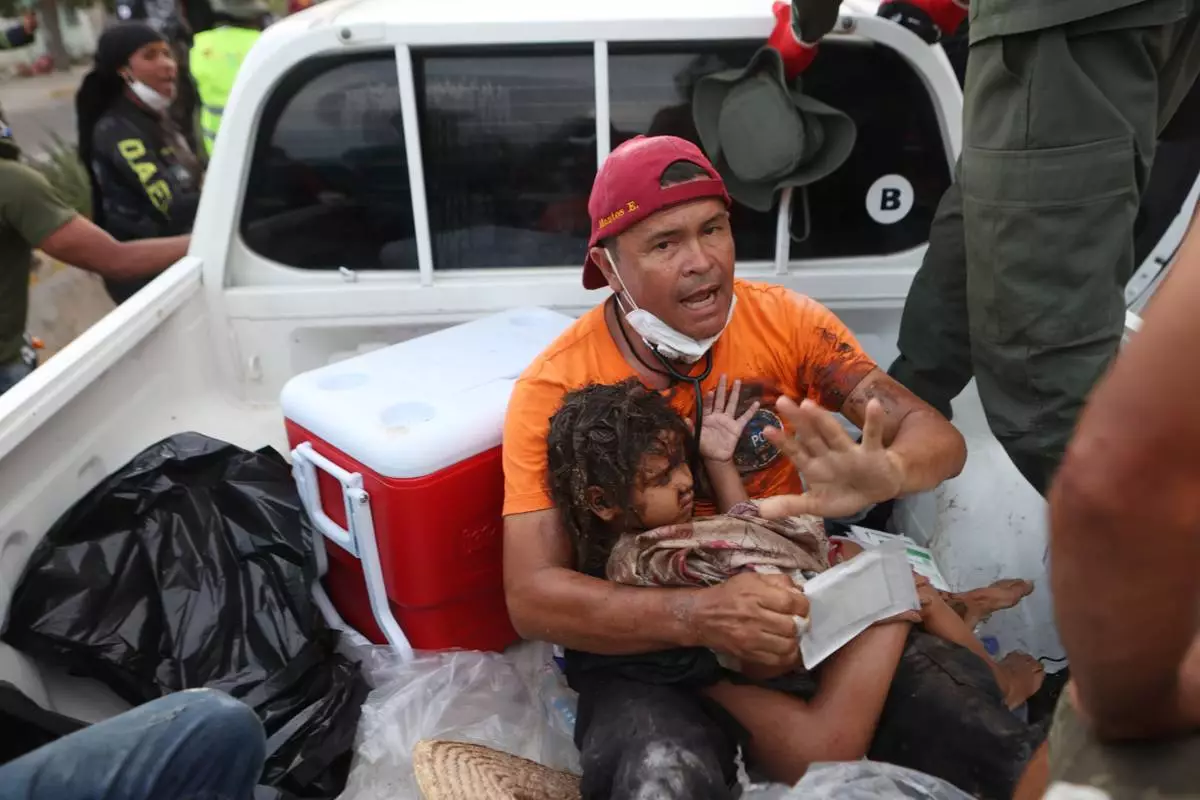
A rescuer carries a girl pulled from the rubble four days after twin earthquakes struck La Guaira, Venezuela, Sunday, June 28, 2026. (AP Photo/Pedro Mattey)
A rescuer carries a girl pulled from the rubble four days after twin earthquakes struck La Guaira, Venezuela, Sunday, June 28, 2026. (AP Photo/Pedro Mattey)

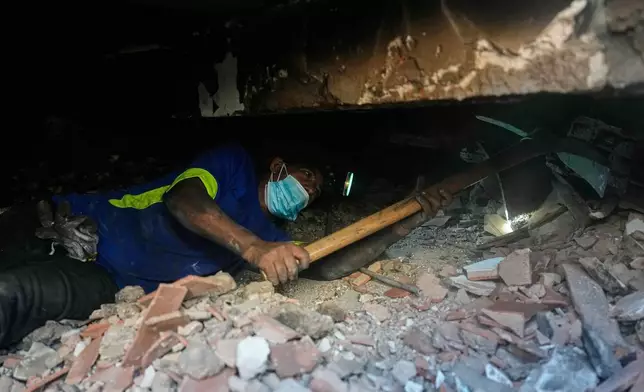
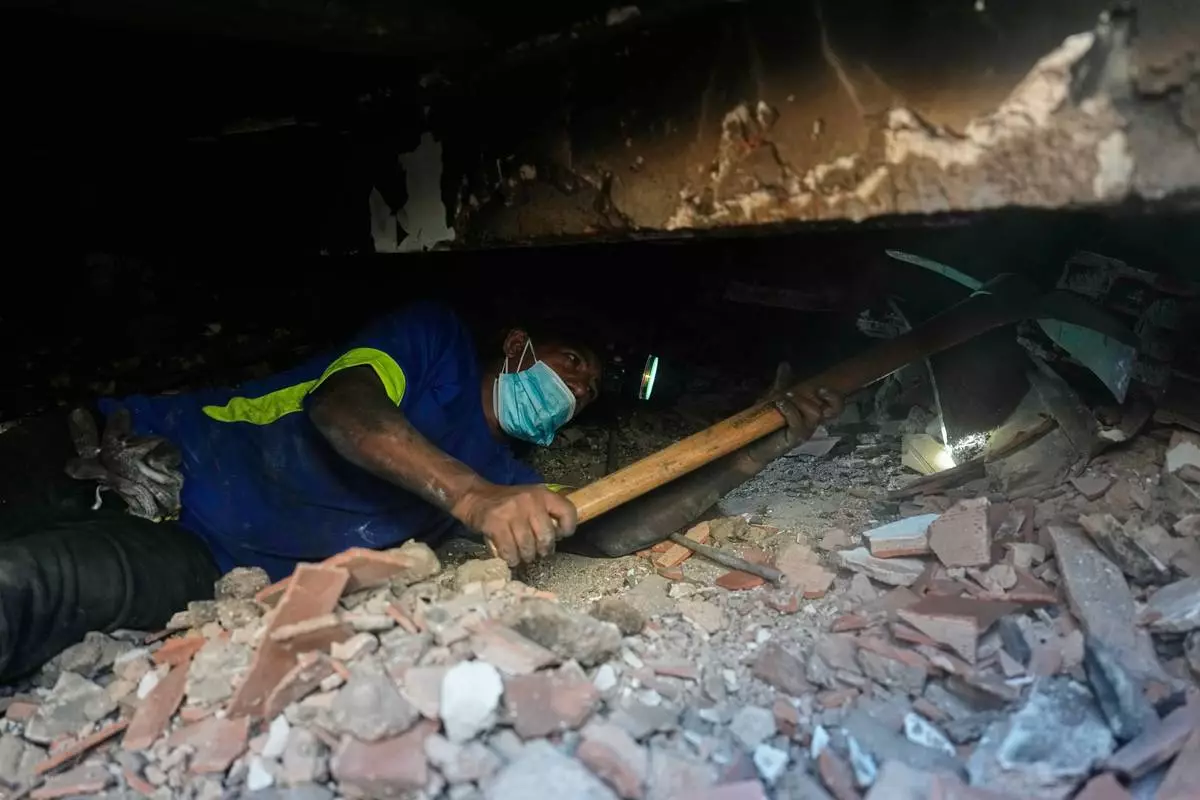
Franklin Rodriguez searches for missing relatives in the rubble of his apartment building, which collapsed in the back-to-back earthquakes that struck La Guaira, Venezuela, Monday, June 29, 2026. (AP Photo/Fernando Vergara)
Franklin Rodriguez searches for missing relatives in the rubble of his apartment building, which collapsed in the back-to-back earthquakes that struck La Guaira, Venezuela, Monday, June 29, 2026. (AP Photo/Fernando Vergara)

Mexican Army rescue workers search for people trapped in collapsed buildings after earthquakes struck La Guaira, Venezuela, Sunday, June 28, 2026. (AP Photo/Matias Delacroix)
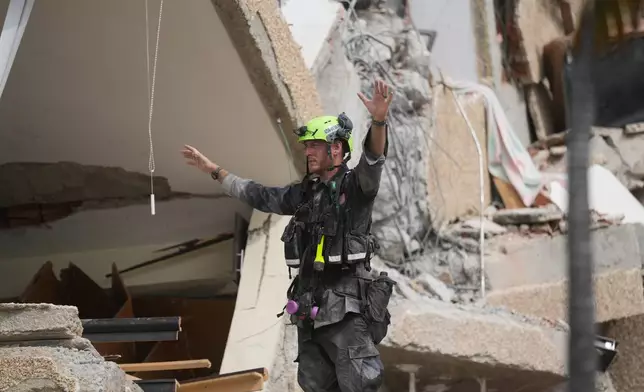
Mexican Army rescue workers search for people trapped in collapsed buildings after earthquakes struck La Guaira, Venezuela, Sunday, June 28, 2026. (AP Photo/Matias Delacroix)

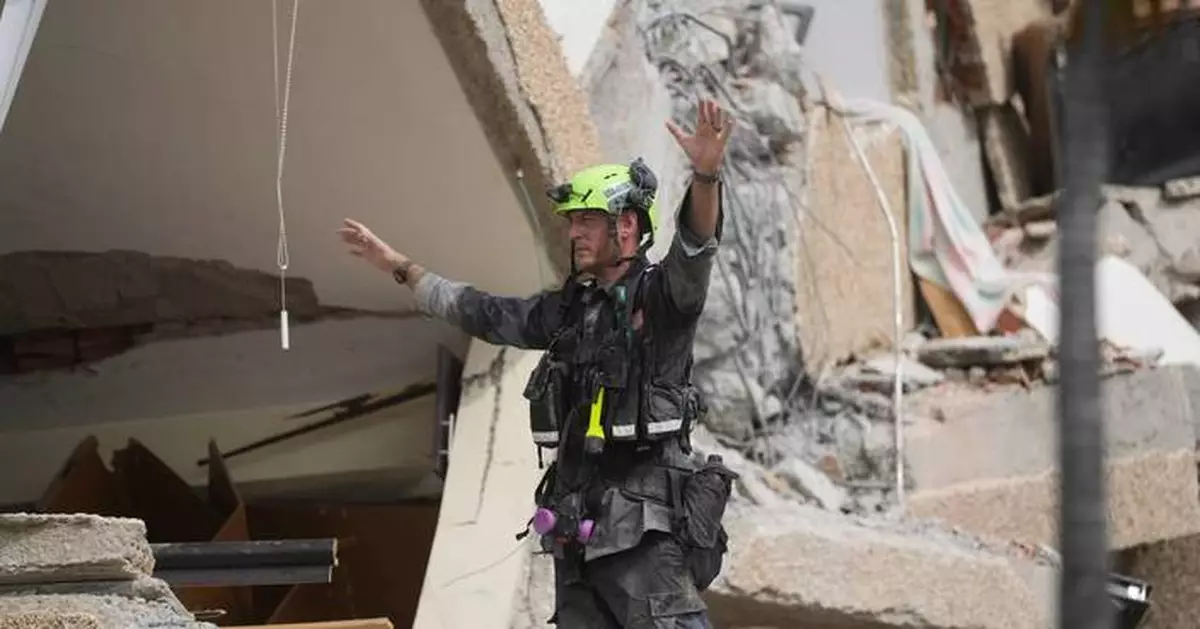
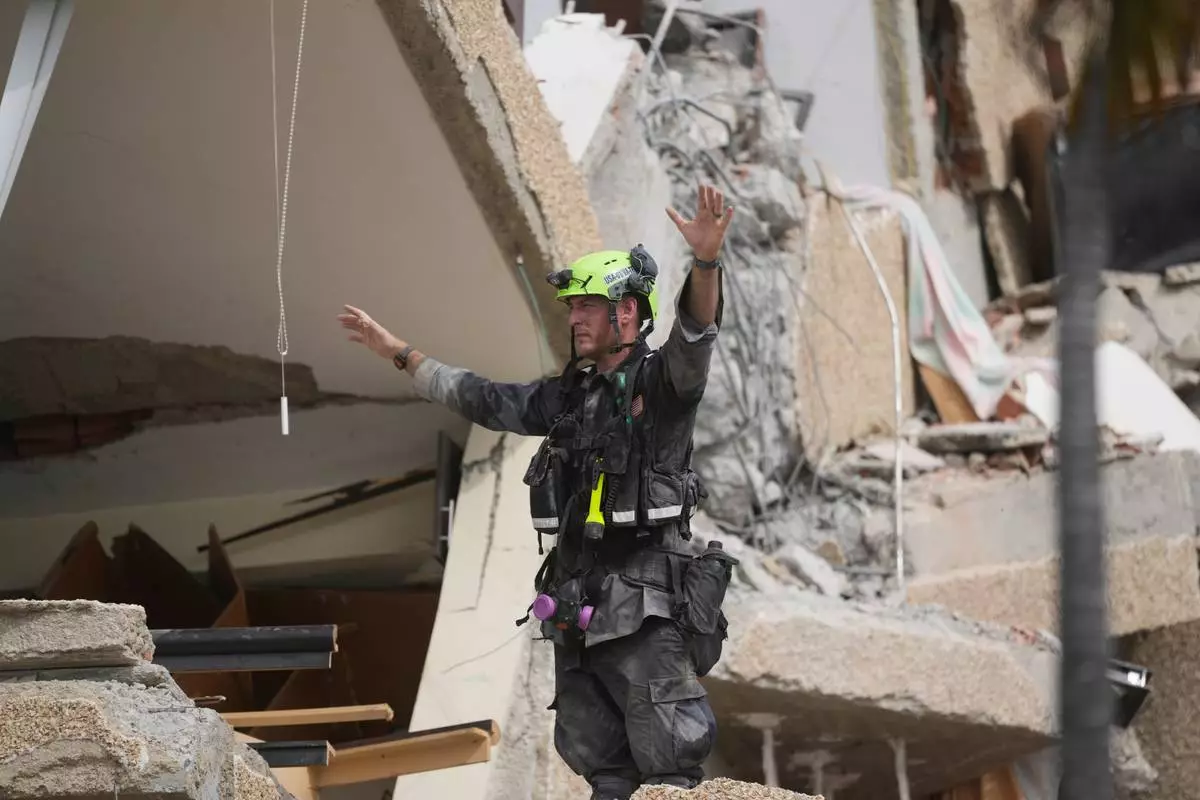
A rescuer from a U.S. search-and-rescue team evaluates access to an earthquake-damaged building in Catia La Mar, Venezuela, Sunday, June 28, 2026. (AP Photo/Fernando Vergara)

A rescuer from a U.S. search-and-rescue team evaluates access to an earthquake-damaged building in Catia La Mar, Venezuela, Sunday, June 28, 2026. (AP Photo/Fernando Vergara)

In Venezuela, rescue teams have been racing against the clock to pull survivors from the rubble after two powerful earthquakes shook the northern state of La Guaira last Wednesday. More than 770 buildings were totally or partially collapsed from the earthquakes, and aftershocks continued to shake the region.

Most rescues happen in the 24 hours after a disaster. The chances of survival drop with each day after that, experts say. Most victims are badly injured or buried by falling stones or other debris.

Trapped victims are more likely to survive if they are in a debris-free pocket that prevents major injury while they await rescue, like under a sturdy desk, said geophysicist Victor Tsai from Brown University. Experts call this a survivable void space.

If fire, smoke or hazardous chemicals were released as a result of the building collapse, they may decrease a person's survival odds, said emergency response expert Dr. Joseph Barbera, an associate professor at George Washington University.

Beyond that, having air to breathe and water to drink are crucial as the days go on.

“You could survive a while without food,” Barbera said. “You could survive less without water.”

Temperatures where someone is trapped may affect survival, and temperatures outside the rubble can affect rescue missions.

More than 2,600 rescue workers from around the world arrived in Venezuela with trained search dogs and machinery, the government said. And rescue efforts in La Guaira, the hardest-hit area, appeared significantly more organized on Sunday, after residents expressed frustration and anger about the level of response in the days before.

It can be important for survivors to receive vital medical care before they are removed from the rubble, Barbera said. If not, the buildup of toxins from crushed muscles could make them go into shock after they are rescued.

After the 2011 earthquake and tsunami in Japan, a teenager and his 80-year-old grandmother were found alive after nine days trapped in their flattened home. And the year before, a 16-year-old Haitian girl was rescued from earthquake rubble in Port-au-Prince after 15 days.

The best practices for survival during an earthquake depend on where you are in the world. Building codes in regions with active fault lines are often designed to withstand earthquakes, but that doesn't hold true everywhere.

In many countries, including the United States, the best practices are to drop, seek cover and hang on unless you are close to a building exit. Seek shelter under a heavy table or near sturdy furniture that may yield a survivable pocket if the roof collapses. Cover your face with cloth or a mask to protect from dust and debris.

If you are trapped in the rubble after and earthquake, save your energy and don't overexert. Ration food and water, listen for rescue calls and search for something near you to make noise. If you have a phone with you, conserve its battery and try for help in short spurts each day.

—-

The Associated Press Health and Science Department receives support from the Howard Hughes Medical Institute’s Science and Educational Media Group and the Robert Wood Johnson Foundation. The AP is solely responsible for all content.
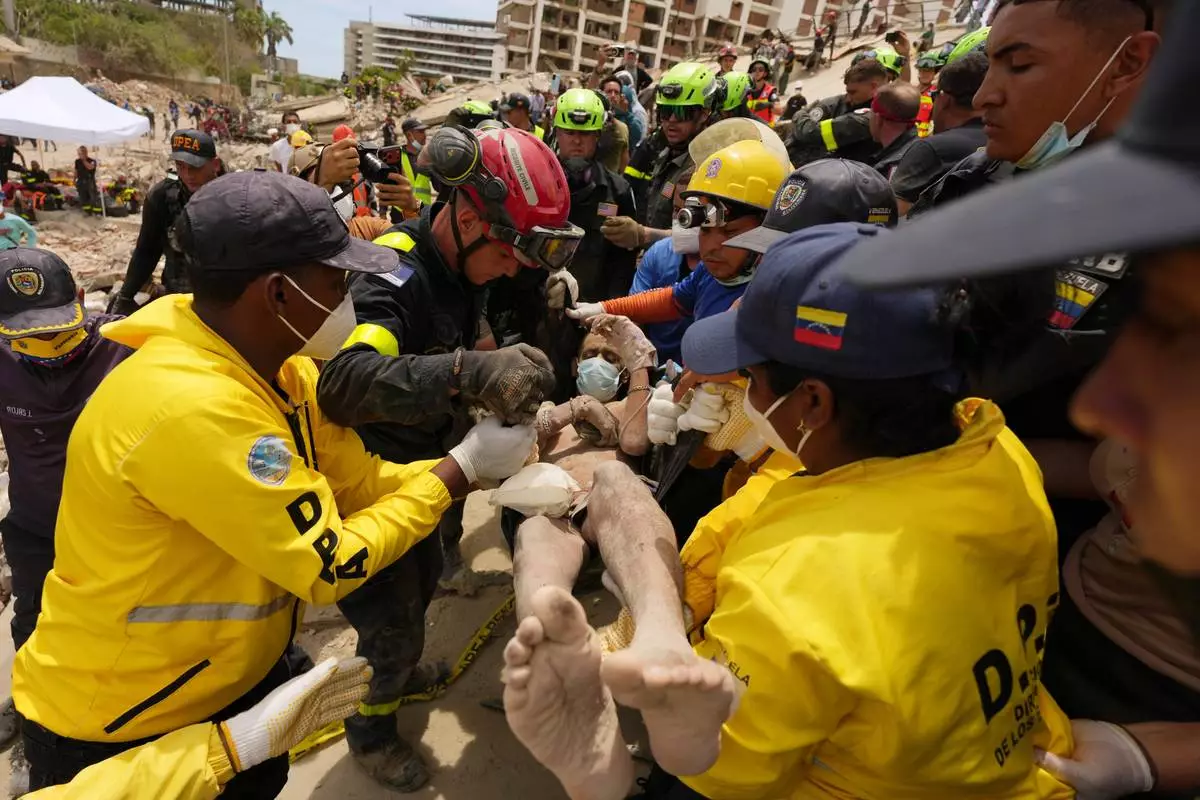
Relief workers carry a man rescued from a building that collapsed in the earthquakes that struck La Guaira, Venezuela, Sunday, June 28, 2026. (AP Photo/Matias Delacroix)
Relief workers carry a man rescued from a building that collapsed in the earthquakes that struck La Guaira, Venezuela, Sunday, June 28, 2026. (AP Photo/Matias Delacroix)

U.S. firefighters from the Fairfax County pull a survivor from the rubble of a building that collapsed in the earthquakes in La Guaira, Venezuela, Sunday, June 28, 2026. (AP Photo/Matias Delacroix)
U.S. firefighters from the Fairfax County pull a survivor from the rubble of a building that collapsed in the earthquakes in La Guaira, Venezuela, Sunday, June 28, 2026. (AP Photo/Matias Delacroix)

Buildings are collapsed and damaged along the coast in Caraballeda, La Guaira state, Venezuela, Sunday, June 28, 2026, following earthquakes. (Miguel Medina, Pool photo via AP)
Buildings are collapsed and damaged along the coast in Caraballeda, La Guaira state, Venezuela, Sunday, June 28, 2026, following earthquakes. (Miguel Medina, Pool photo via AP)

A rescuer carries a girl pulled from the rubble four days after twin earthquakes struck La Guaira, Venezuela, Sunday, June 28, 2026. (AP Photo/Pedro Mattey)
A rescuer carries a girl pulled from the rubble four days after twin earthquakes struck La Guaira, Venezuela, Sunday, June 28, 2026. (AP Photo/Pedro Mattey)

Franklin Rodriguez searches for missing relatives in the rubble of his apartment building, which collapsed in the back-to-back earthquakes that struck La Guaira, Venezuela, Monday, June 29, 2026. (AP Photo/Fernando Vergara)
Franklin Rodriguez searches for missing relatives in the rubble of his apartment building, which collapsed in the back-to-back earthquakes that struck La Guaira, Venezuela, Monday, June 29, 2026. (AP Photo/Fernando Vergara)

Mexican Army rescue workers search for people trapped in collapsed buildings after earthquakes struck La Guaira, Venezuela, Sunday, June 28, 2026. (AP Photo/Matias Delacroix)
Mexican Army rescue workers search for people trapped in collapsed buildings after earthquakes struck La Guaira, Venezuela, Sunday, June 28, 2026. (AP Photo/Matias Delacroix)

A rescuer from a U.S. search-and-rescue team evaluates access to an earthquake-damaged building in Catia La Mar, Venezuela, Sunday, June 28, 2026. (AP Photo/Fernando Vergara)


A rescuer from a U.S. search-and-rescue team evaluates access to an earthquake-damaged building in Catia La Mar, Venezuela, Sunday, June 28, 2026. (AP Photo/Fernando Vergara)

DES MOINES, Iowa (AP) — Summer camp and other outdoor activities were canceled or delayed Monday as a heat wave held its grip on the Midwest and spread eastward. Communities opened cooling centers and urged people to take it easy and stay hydrated.

“Overall, we’re looking at just a really hot and humid pattern. It’s going to be with us through most of the week," Andrew Ansorge, a meteorologist in Des Moines, Iowa, said of the first prolonged period of heat this summer.

Much of Iowa and big chunks of the Midwest were under an extreme heat warning through at least Tuesday. Temperatures were forecast to reach the 90s, with heat index values, or “feels-like” temperatures, expected to top 100 degrees (37.8 degrees Celsius) in the region, Ansorge said.

Visiting Des Moines with family, Rachel Washburn searched for things to do with kids during a heat wave. They landed at a water sprayground before lunch, where her children played tag in the cool water to escape a heat index forecast to reach 109 degrees Fahrenheit (43 degrees Celsius).

“My kids were quite shocked at the heat and humidity,” said Washburn of her seven children ages 18 months to 17 who are used to more temperate weather in Bemidji, Minnesota. “We were hoping for some good weather, but we'll make do.”

Some of the worst conditions are expected by Thursday and Friday as the heat moves through the Ohio Valley, the Mid-Atlantic and into the Northeast, with the potential for some record-high temperatures, said Scott Kleebauer, a meteorologist with the Weather Prediction Center in College Park, Maryland.

On Monday morning, Tom and Cindy Youngblood walked around an outdoor sculpture park in Des Moines, enjoying brief moments of shade and a helpful breeze. The couple, both 67 and from Rogers, Arkansas, returned from a camping trip in Wisconsin and chose a hotel over their camper van Sunday.

“We did not want to camp last night because we knew it would be too hot,” Cindy Youngblood said.

Kleebauer said one of the center’s biggest recommendations is to stay hydrated and have access shady areas and air conditioning.

“It just so happens to be coinciding with a time frame where a lot of people are away and a lot of people are going away for vacation” during the Fourth of July holiday week, he said.

Extreme heat has also taken its toll in Europe, where temperature records were set and many heat-related deaths were reported in France.

People can be caught off guard by the first heat wave of the year, said Dr. Roy Elrod, chief of staff at DMC Detroit Receiving Hospital.

“You’re happy winter’s gone, you’re ready to enjoy the summer, you’ve just been aching for it,” Elrod said. “And so, I think we slip into kind of a position where we think it’s got to be OK.”

But heat-related injuries can happen in a matter of minutes, especially to those who don’t prepare for the weather by hydrating, wearing light clothing, avoiding the hottest times of the day and minimizing exposure to the sun, he said.

“We’re just not always prepared for it and it just takes an incident that rattles you and shakes you up that you understand that it can get serious very quick,” he said.

In the Midwest, some camp programs on Monday rearranged their schedules. Other outdoor activities, like a farmers market in Michigan and a drive-in theater in Minnesota, were canceled on Monday because of the heat.

In Flint, Michigan, the city activated four cooling centers through Wednesday, with the potential to extend operations if the heat persists.

The University of Wisconsin-Madison said it was closing 23 buildings to the public starting Tuesday, allowing only limited access to 11 others. It was relocating some summer classes after a broken water line at its cooling plant earlier this month severely reduced the ability to provide air conditioning across campus.

McCormack reported from Concord, New Hampshire. Associated Press reporters Scott Bauer in Madison, Wisconsin, and Haya Panjwani in Washington, D.C., contributed.

FILE - A Japan soccer fan wipes his brow while standing in the heat in downtown Dallas, June 24, 2026. (AP Photo/LM Otero, File)

FILE - A Japan soccer fan wipes his brow while standing in the heat in downtown Dallas, June 24, 2026. (AP Photo/LM Otero, File)

Recommended Articles