The coast guard of east China's Fujian Province on Monday conducted routine law enforcement patrols in accordance with the law in the waters near Kinmen, said a spokesperson for a regional branch of China Coast Guard (CCG).
Since the beginning of June, the Fujian coast guard has dispatched task groups to strengthen control and management over relevant waters, said Zhu Anqing, spokesperson of the CCG Donghai Branch.
Zhu added that this is an effective step to protect the legitimate rights and interests, as well as the lives and property of fishermen on both sides of the Taiwan Strait, and to ensure orderly navigation and activities in the waters between Xiamen and Kinmen.
A video released by the China Coast Guard shows the Fujian Coast Guard broadcasting a message to Kinmen Vessel 3585 before the Dragon Boat Festival that fell on June 19.
"Kinmen Vessel 3585, this is China Coast Guard Vessel Gaodeng. Our formation is currently on course 052, speed 10 knots. Please keep clear," said a CCG member.
"Kinmen Vessel 3585, this is China Coast Guard Vessel Gaodeng. As the Dragon Boat Festival is approaching, and people on both sides of the Taiwan Strait share the same roots and bloodlines, we wish you a safe and happy festival. May you return home soon, and may we be reunited as one family at an early date," said another CCG member.
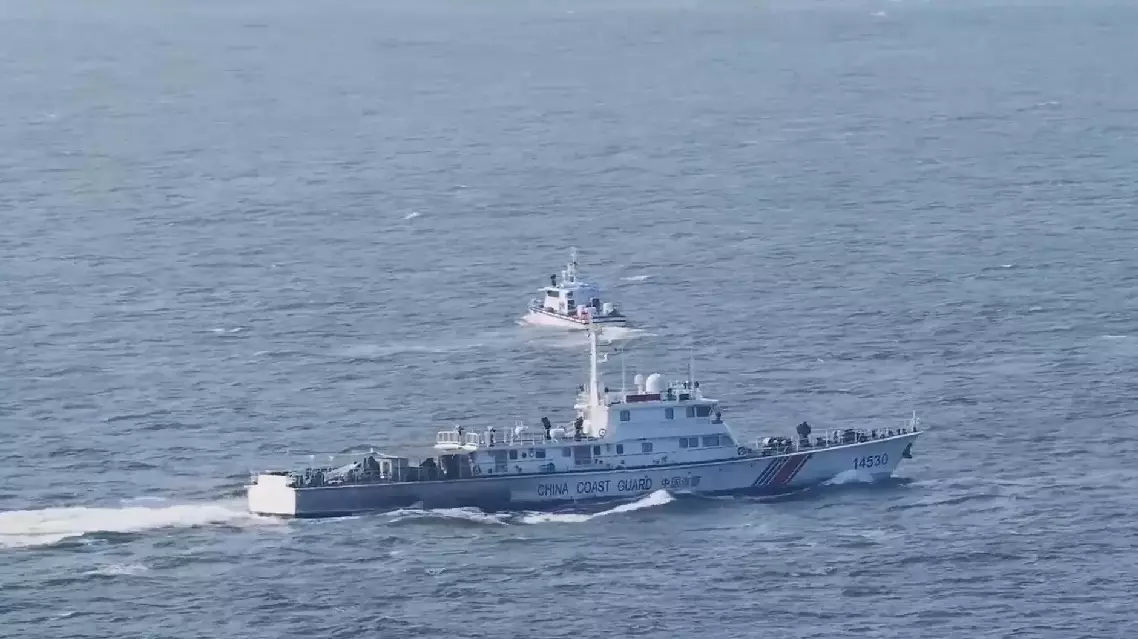
Fujian coast guard conducts routine patrols in waters near Kinmen
The framework agreement recently reached between Israel and Lebanon faces serious challenges in its implementation, according to Israeli experts.
After several days of negotiations brokered by the United States, Israel and Lebanon reached a new trilateral framework agreement aimed at ending the conflict in southern Lebanon.
The agreement was signed by the U.S., Israel and Lebanon on Friday at the U.S. State Department in Washington, D.C. It calls for the disarming of all non-governmental armed factions in Lebanon, the deployment of the Lebanese army in southern areas of the country and a complete Israeli withdrawal back to the border.
Hezbollah says it will oppose the agreement and work to defeat it politically and practically. The group did not wait long before making a very public stand.
Just minutes after the announcement in Washington, thousands of Hezbollah supporters took to the streets of the Lebanese capital Beirut late Friday vowing to stand firmly against the agreement.
Parliament members aligned with Hezbollah added that the government has no authority to sign such a deal and it will therefore never stand.
"There is no way any Lebanese government could implement any agreement signed with Israel because it doesn't have the strength, it doesn't have the means and because of Hezbollah being in the opposition and holding the government by its throat," said Dr. Jacques Neriah, an analyst for the Middle East at the Jerusalem Center for Security and Foreign Affairs.
Israeli Prime Minister Benjamin Netanyahu already said the Israeli Defense Forces (IDF) will not withdraw from the security zone they maintain in Lebanese territory before Hezbollah is disarmed.
"It is up to the seriousness by the Lebanese military and until such time that the IDF sees that the Lebanese army is serious and can take the job, only then does Israel retreat and there are pilot projects and I think it's the best way to go about it," said Or Yissachar, executive director of Israeli think tank David Institute for Security Policy.
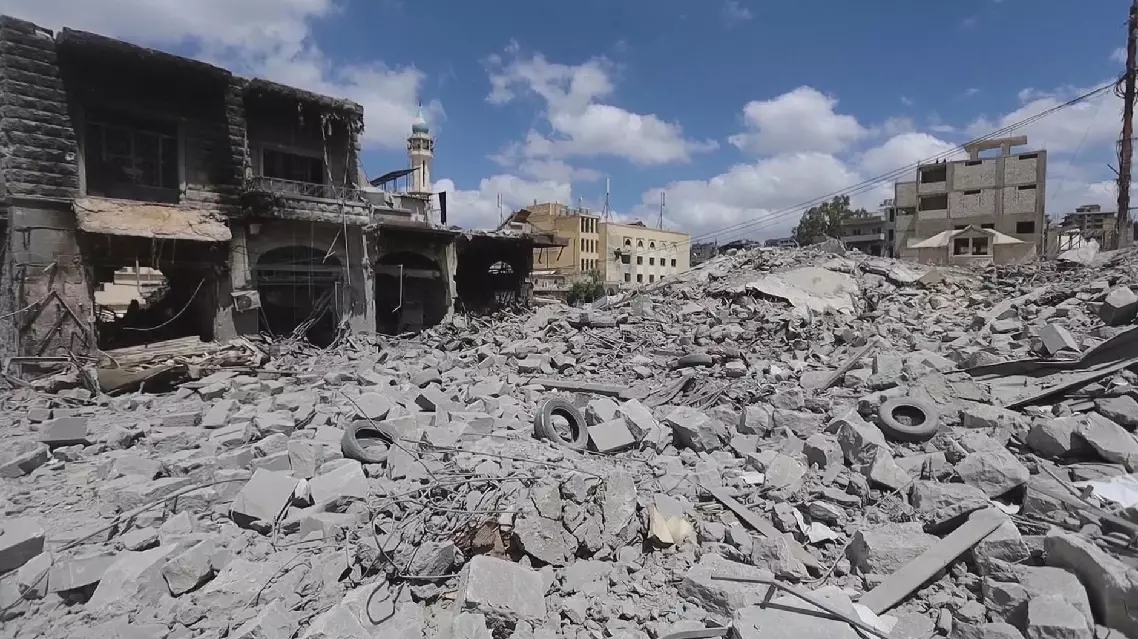
Israel-Lebanon agreement faces challenges in implementation: Israeli experts