WASHINGTON (AP) — For decades, disabled people have fought for their rights to go to school and live alongside peers without disabilities — rights that some fear could be losing ground under the Trump administration.
Last month, the Education Department announced it would offload oversight of special education to the Department of Health and Human Services, led by Robert F. Kennedy Jr., whose comments on the limits of disabilities such as autism have drawn sharp rebukes from advocates and lawmakers.
Click to Gallery

The application that Whitman Althaus, 12, who has autism and a neurological disorder called apraxia, uses to communicate is seen on a phone Wednesday, July 1, 2026, in Luckey, Ohio. (AP Photo/Nic Antaya)
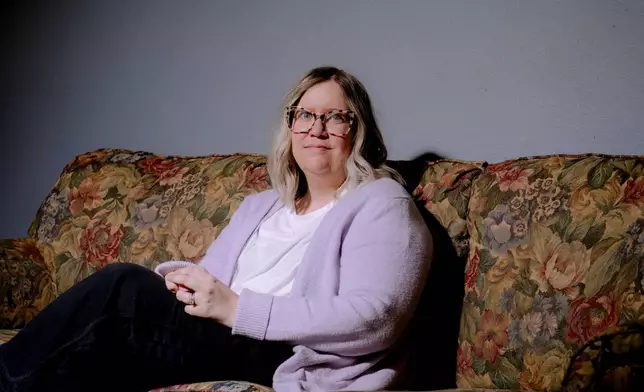
Lindsey Althaus poses for a portrait at her home Wednesday, July 1, 2026, in Luckey, Ohio. (AP Photo/Nic Antaya)
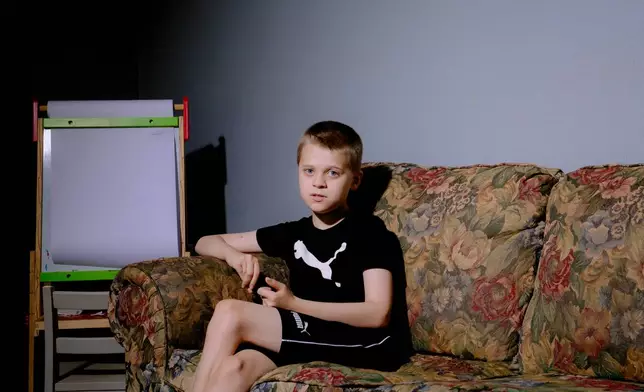
Whitman Althaus, 12, who has autism and a neurological disorder called apraxia, poses for a portrait at his home Wednesday, July 1, 2026, in Luckey, Ohio. (AP Photo/Nic Antaya)
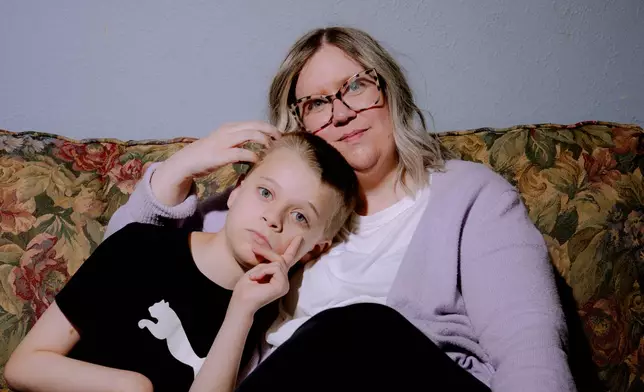
Lindsey Althaus and her son, Whitman Althaus, 12, who has autism and a neurological disorder called apraxia, pose for a portrait at their home Wednesday, July 1, 2026, in Luckey, Ohio. (AP Photo/Nic Antaya)
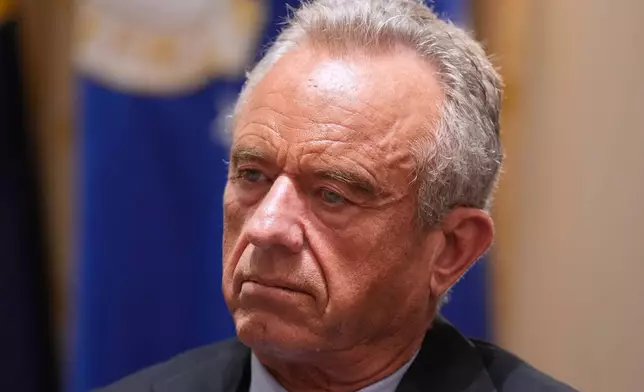
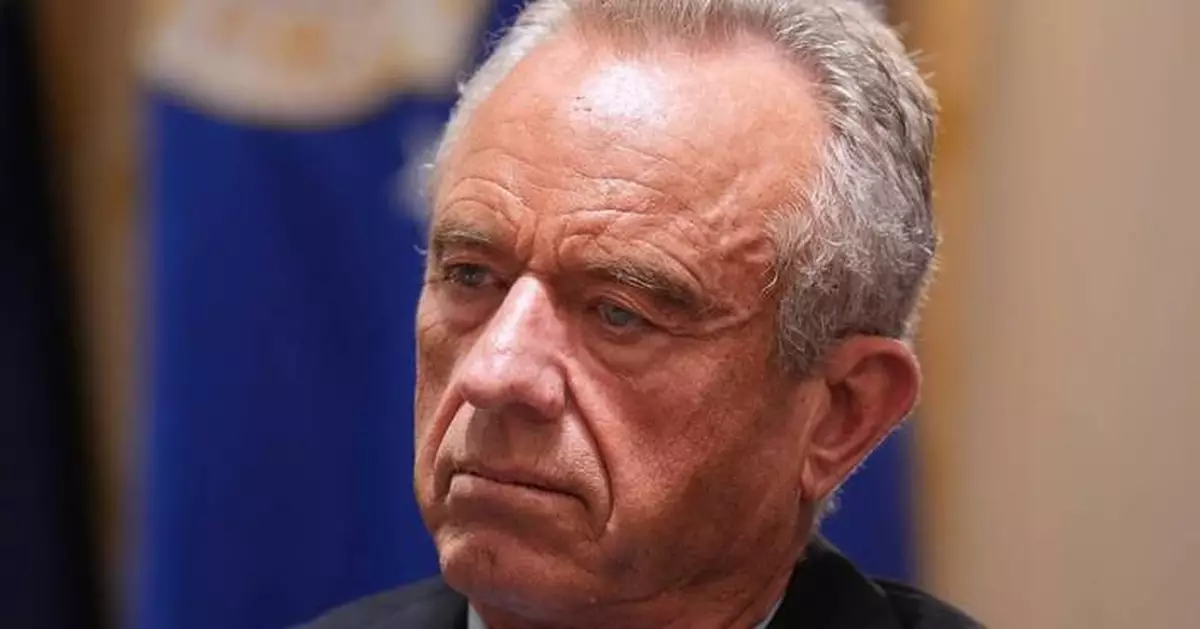
FILE - Secretary of Health and Human Services Robert F. Kennedy Jr., listens during a Cabinet meeting at the White House, May 27, 2026, in Washington. (AP Photo/Jacquelyn Martin, File)
Meanwhile, following a White House push to police homelessness, the Department of Justice released guidance that lowered the barrier to institutionalizing any person with a disability.
Taken together, the actions signal a worrying return to a reality where people with disabilities are pushed to the margins of society, advocates said.
“It’s a direct, frontal assault on the rights of people with disabilities to live their lives the way that people who are nondisabled live their lives,” said Selene Almazan, legal director for the Council of Parent Attorneys and Advocates. “I can't imagine that as a country, that would be something that we would agree we should go back to.”
Since the 1960s, legislation and court decisions have progressively expanded supports and protections for people with disabilities to go to school with nondisabled peers and to live and work in their communities. Before that, people with mental illnesses or developmental and intellectual disabilities were largely confined to institutions.
Advocates have pushed back on what's known as the “medical model,” where an individual's disability is viewed as a defect to be cured. Instead, under a “social model” of disability, differences can be accommodated and supported, as people with and without disabilities learn and work alongside each other.
Families and advocates have warned that moving special education to a health department marks a return to the medical model. They've also been angered by Kennedy's attempts to link vaccines to autism, going against decades of research that show no such link, and his framing of autism as a debilitating disease.
Kennedy's comments last year, where he said children with autism would never write a poem, pay taxes or hold a job, raised questions about how he would oversee an agency meant to help students develop those skills. Kennedy later said he was referring to people with " severe autism ″ or those who are nonverbal.
“Many of the things he said autistic people will never do, (special education) is in charge of making sure students with disabilities have the opportunity to do,” said Zoe Gross, director of advocacy at the Autistic Self Advocacy Network. “Will he execute that faithfully, or does he consider disabled students a lost cause until we find some medical cure?”
In 1999, the Supreme Court ruled that segregating disabled people who are otherwise able to live in their community with proper supports was a form of discrimination. The Olmstead v. L.C. decision led to requirements that government agencies provide disability services in the most integrated setting possible — in mainstream schools, homes and workplaces.
But in a memo issued in June, the Department of Justice's Office of Legal Counsel upended that guidance. It argued that neither the Americans with Disabilities Act nor Section 504, two major disability rights laws, requires states to provide services in the most mainstream setting. While the memo does not change the law, it signals how federal agencies may interpret and enforce civil rights issues related to the topic — and it could embolden states or school districts to decline to support people with disabilities in mainstream environments.
The White House has already acted on a similar philosophy. Last year, President Donald Trump issued an executive order on homelessness that endorsed civil commitment, where a court orders individuals into involuntary hospitalization or treatment programs. Trump directed HHS to reduce barriers to institutionalizing people with mental illnesses.
In its memo, the Justice Department acknowledged its interpretation of the Supreme Court's Olmstead decision is “out of step" with the common understanding. If a state starts to provide services in institutional settings, legal challenges likely would follow, the DOJ said.
The Trump administration's steps fit a worldview in which the government has no obligation to support people with disabilities, said Claudia Center, legal director at Disability Rights Education and Defense Fund.
“It's dark, and it's awful,” Center said. “And I think it's contrary to the majority view in our country. ... It's out of touch with where our society is."
The moves have created a deep sense of uncertainty for students with disabilities.
Lindsey Althaus says home and community-based services in northwest Ohio have been instrumental to her family. Her 12-year-old son, Whitman, has autism and a neurological disorder called apraxia, in which the brain struggles to tell muscles how to move to form words or perform other motor skills. For some of his school career, with proper support services, Whitman was able to spend much of his school day in a classroom that included kids without disabilities.
Through a Medicaid waiver program, Althaus pays her mother to care for Whitman in her absence. That allows him to spend time out in the community with his grandmother while Althaus and her husband are working or away with their daughter.
Under the Justice Department's new interpretation of Olmsted, states would have fewer obligations to fund and support those programs. And Kennedy, in testimony to lawmakers on Capitol Hill earlier this year, criticized similar programs as subject to fraud.
“We want to be able to have him in the community,” said Althaus, who works as a disability rights advocate. “It's just starting to feel like Whitman's not going to be welcome anymore. We're going back to this: You're either perfect, or you're not in the light.”
For many students with disabilities, schools are where they receive the majority of support services and where they are integrated among their peers. Before Magda Nakassis's 8-year-old son, who is autistic and nonverbal, started public school in Maryland, his preschool experience had largely been defined by being kicked out of things, she said.
In school, Nakassis said, she found teachers and staff members who understood her son's needs and told her to stop apologizing for them. A program at his school called Fantastic Friends teaches mainstream fifth graders about autism, and they spend recesses with children in the autism program. Every year, Nakassis said, there is a waitlist to be a Fantastic Friend.
Nakassis said that it has been difficult to see the ways autism in particular has become politicized. Every child is entitled to a public education in this country, Nakassis said, and special education is a response to the fact that some children have differences that require additional support.
Regardless of his diagnosis, his right to an education is not a medical issue, she said, but rather a question of equity and access in a society that often pushes disabled people to the margins.
“There are lots of kids like him out there, and I sometimes wonder, ‘what did we use to do?’” Nakassis said. “I can't believe it was better.”
The Associated Press’ education coverage receives financial support from multiple private foundations. AP is solely responsible for all content. Find AP’s standards for working with philanthropies, a list of supporters and funded coverage areas at AP.org.

The application that Whitman Althaus, 12, who has autism and a neurological disorder called apraxia, uses to communicate is seen on a phone Wednesday, July 1, 2026, in Luckey, Ohio. (AP Photo/Nic Antaya)
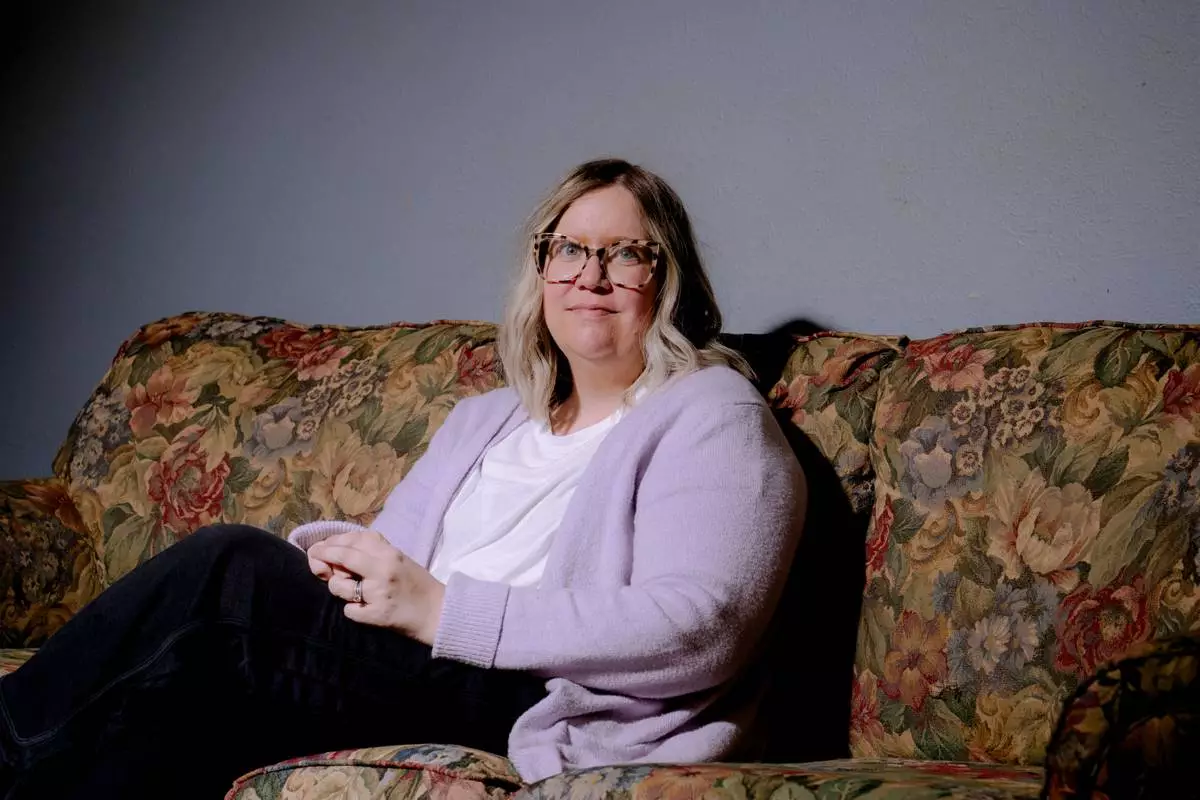
Lindsey Althaus poses for a portrait at her home Wednesday, July 1, 2026, in Luckey, Ohio. (AP Photo/Nic Antaya)
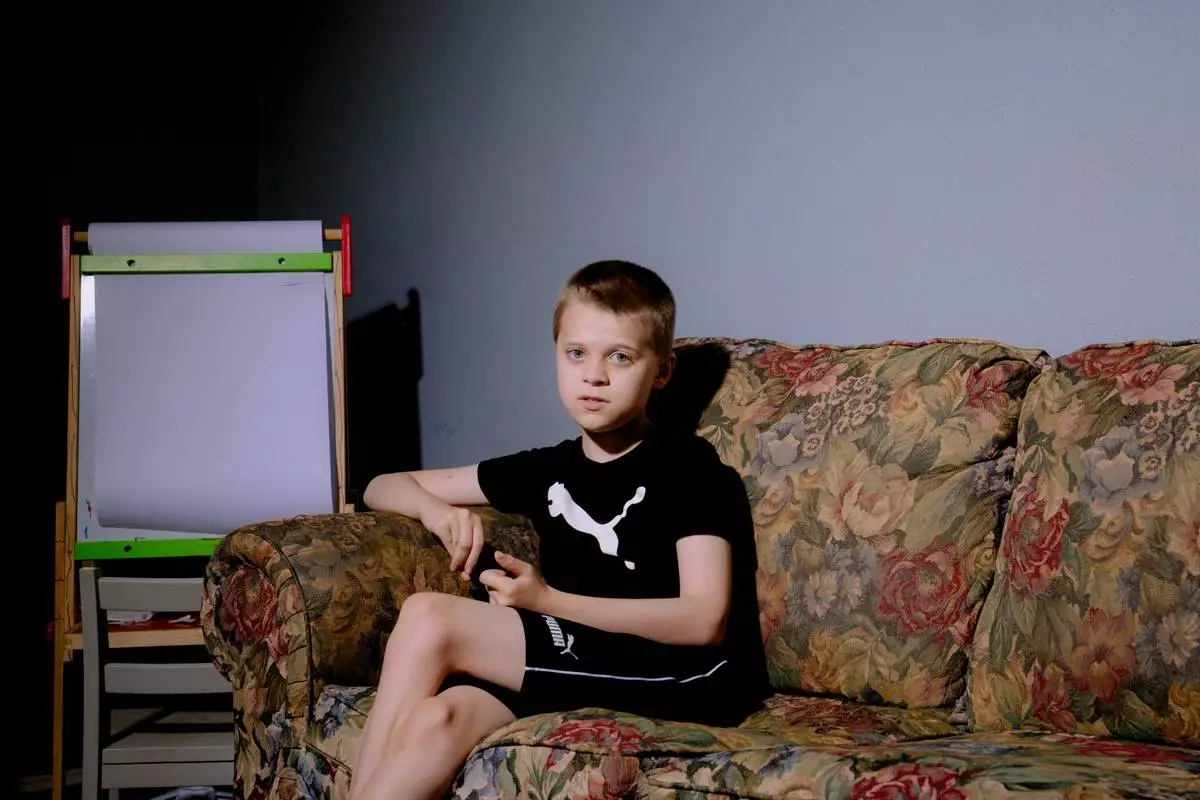
Whitman Althaus, 12, who has autism and a neurological disorder called apraxia, poses for a portrait at his home Wednesday, July 1, 2026, in Luckey, Ohio. (AP Photo/Nic Antaya)
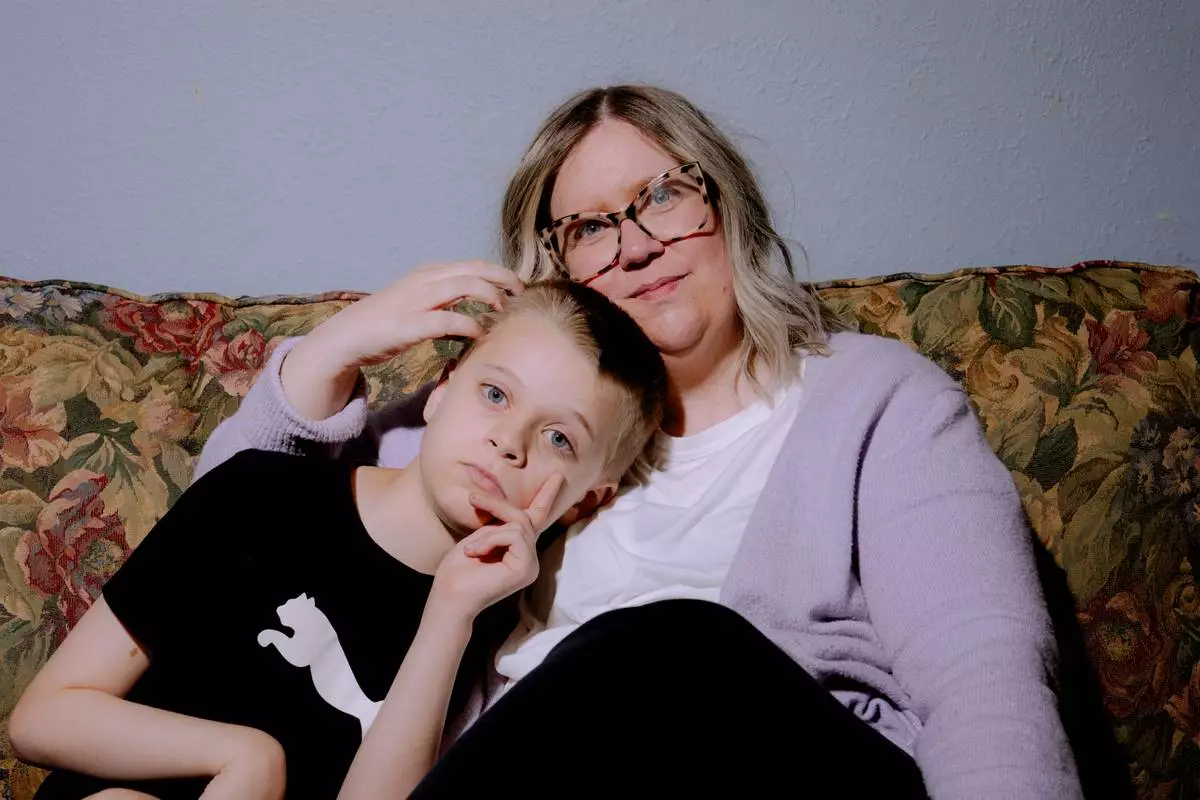
Lindsey Althaus and her son, Whitman Althaus, 12, who has autism and a neurological disorder called apraxia, pose for a portrait at their home Wednesday, July 1, 2026, in Luckey, Ohio. (AP Photo/Nic Antaya)
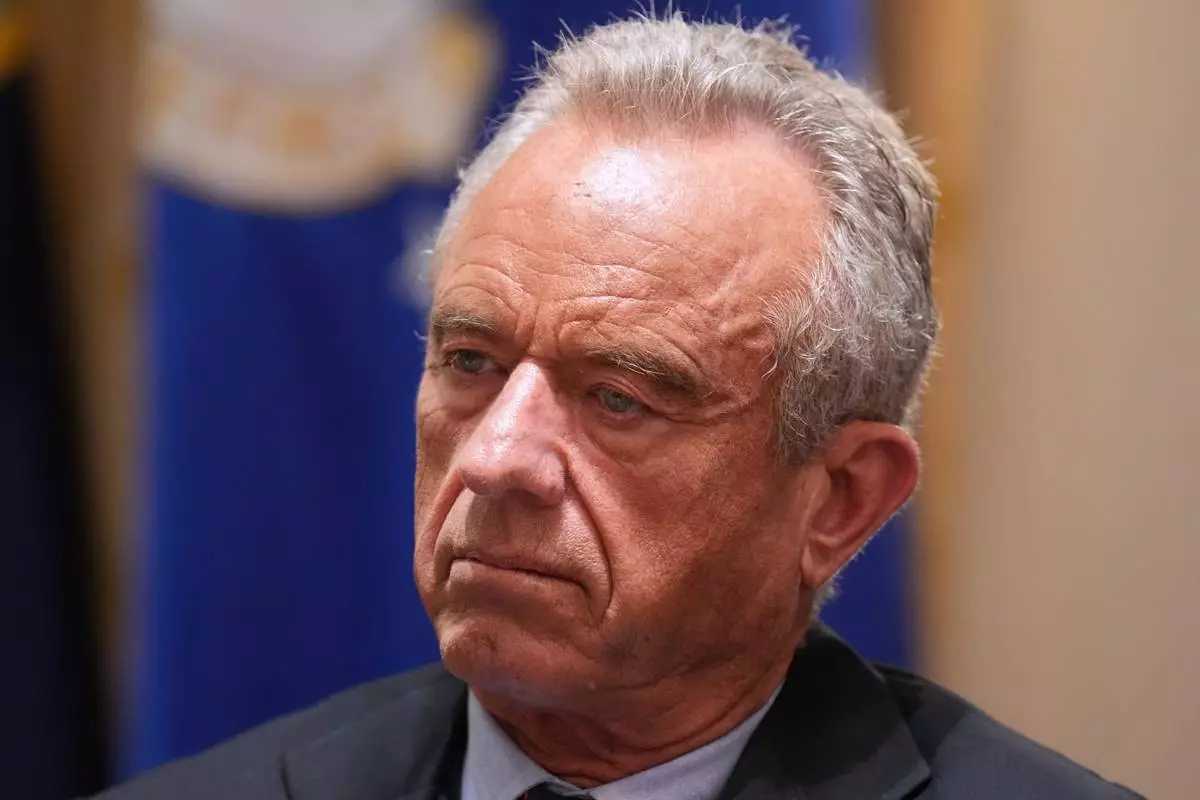
FILE - Secretary of Health and Human Services Robert F. Kennedy Jr., listens during a Cabinet meeting at the White House, May 27, 2026, in Washington. (AP Photo/Jacquelyn Martin, File)