Skip to Content Facebook Feature Image

PGIM Introduces Quarterly Outcome Periods to Growing Buffer ETF Lineup

Business

PGIM Introduces Quarterly Outcome Periods to Growing Buffer ETF Lineup
Business

Business

PGIM Introduces Quarterly Outcome Periods to Growing Buffer ETF Lineup

2026-07-01 21:01 Last Updated At:21:11

NEWARK, N.J.--(BUSINESS WIRE)--Jul 1, 2026--

PGIM, the $1.4 trillion 1 global investment management business of Prudential Financial, Inc. ( NYSE: PRU ), has launched four S&P 500 quarterly buffer exchange-traded funds (ETFs) named the PGIM S&P 500 Quarterly Buffer 5 ETF (PQV), PGIM S&P 500 Quarterly Buffer 10 ETF (PQX), PGIM S&P 500 Quarterly Buffer 15 ETF (PQXV) and PGIM S&P 500 Quarterly Buffer 20 ETF (PQXX) (“the ETFs”).

This press release features multimedia. View the full release here: https://www.businesswire.com/news/home/20260701166858/en/

The ETFs are listed on the Cboe BZX Exchange, Inc. and are competitively priced at a 0.50% net expense ratio, placing them among the lowest-cost buffer ETFs in the marketplace. 2

The ETFs represent a significant evolution of PGIM’s buffer ETF lineup by introducing a quarterly target outcome period (an approximate three-month cycle) in contrast to the one-year target outcome periods offered by PGIM’s existing buffer ETF series. The ETFs seek to provide investors with returns that match the price return of the State Street ® SPDR ® S&P 500 ® ETF Trust (“SPY”) up to a predetermined upside cap while providing a downside buffer against the first 5%, 10%, 15% or 20%, as applicable, 3 of SPY’s losses over an approximate three-month target outcome period. On the first day of each new quarterly target outcome period the ETFs reset by investing in index option contracts known as FLexible EXchange ® Options (“FLEX Options”) on SPY that are designed to provide a new cap for the new target outcome period.

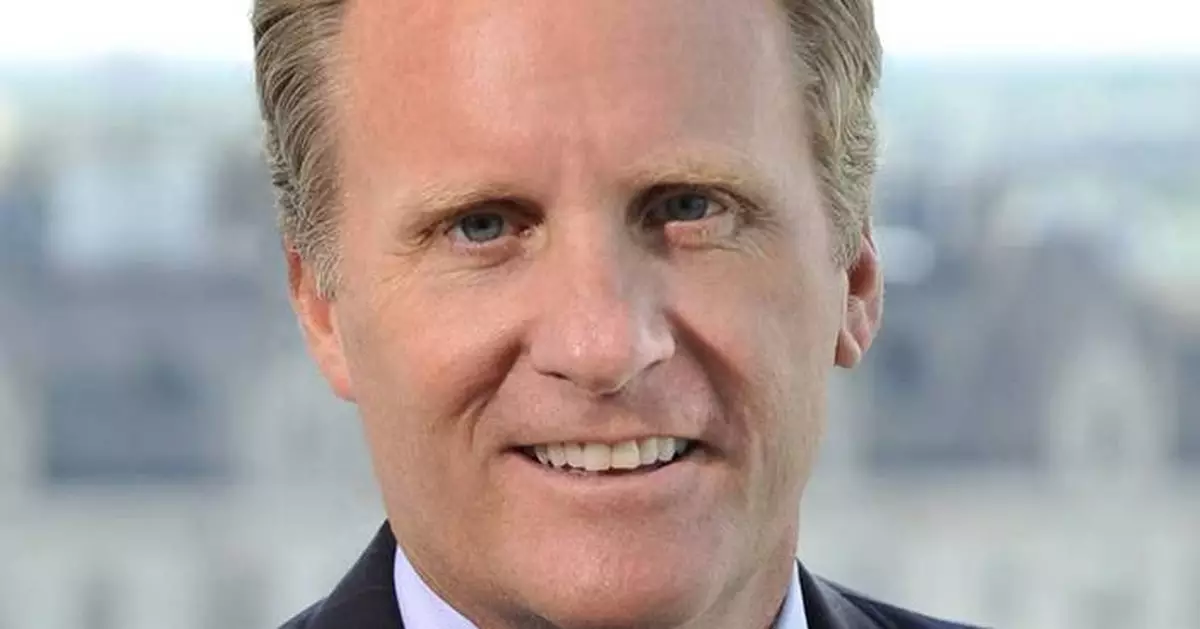
“Since entering the buffer ETF market in 2024, clients have consistently told us that they want more flexibility in how they manage defined outcome exposures,” said Stuart Parker, head of Global Wealth at PGIM. “The launch of quarterly buffer ETFs allows investors more options to navigate market volatility and further cements PGIM as one of the most comprehensive defined outcome solutions providers in the market.”

With the addition of PQV, PQX, PQXV and PQXX, PGIM now offers one of the broadest buffer ETF suites in the industry, spanning nearly 50 solutions across multiple indices, buffer levels, outcome periods and single-ticker laddered solutions. Since January 2024, PGIM has launched:

The ETFs are subadvised by PGIM’s Quantitative Solutions investment group, the $105 billion 1 quantitative equity and multi-asset specialist of PGIM. Since its inception in 1975, PGIM’s Quantitative Solutions group has been a pioneer in systematic investing, leveraging cutting-edge research and proprietary technology to craft innovative, practical solutions that help clients achieve their goals through increasingly complex global market environments.

PGIM is the 11th-largest active ETF provider 2 with $27 billion in assets under management. 1

Learn more about PGIM’s growing lineup of buffer ETFs at pgim.com.

ABOUT PGIM

PGIM is the global asset management business of Prudential Financial, Inc. ( NYSE: PRU ), with $1.4 trillion in assets under management. 1 PGIM offers clients deep expertise across public and private asset classes, delivering a diverse range of investment strategies and tailored solutions—including fixed income, equities, real estate and alternatives. With 1,500+ investment professionals across 40 offices in 20 countries, we serve retail and institutional clients worldwide. For more information, visit pgim.com.

Prudential Financial, Inc. (PFI) of the United States is not affiliated in any manner with Prudential plc, incorporated in the United Kingdom or with Prudential Assurance Company, a subsidiary of M&G plc, incorporated in the United Kingdom. For more information please visit news.prudential.com.

1 As of March 31, 2026.
2 Source: Morningstar Direct as of March 31, 2026.
3 Before fees and expenses.

PGIM S&P 500 Quarterly Buffer 5, 10, 15, 20 ETFs (“Quarterly Buffer ETFs”); PGIM S&P 500 Buffer 12 and 20 ETFs; PGIM S&P 500 Max Buffer ETFs (“Max Buffer ETFs”); and PGIM Nasdaq-100 Buffer 12 ETFs (“Nasdaq Buffer ETFs”) – Risk Disclosure:

As actively managed exchange-traded funds (ETFs), risks of investing in the Funds include, but are not limited to the following: Each Fund is subject to authorized participant concentration risk and the risks of transacting in cash versus in-kind. ETFs may trade at a premium or discount to net asset value and may lack an active trading market. Additional costs may be incurred when transacting through a broker.

Each Fund invests in FLEX Options which subjects each Fund to the risks of losing its premium paid for the option or that the price of the underlying reference asset drops significantly below the exercise prices and the Fund’s losses are substantial. FLEX Options are also subject to the risk that they may be less liquid than other securities, including standardized options. FLEX Options are subject to trading risks and valuation risks because they are market traded and centrally cleared by the OCC. Each Fund is designed to deliver returns that approximate the Underlying ETF if Fund shares are bought on the first day of a Target Outcome Period and held until the end of the Target Outcome Period, subject to the buffer and the cap. If an investor purchases Fund shares after the first day of a Target Outcome Period or sells shares prior to the expiration of the Target Outcome Period, the returns realized by the investor will not match those that the Fund seeks to provide.

Each Fund is subject to buffered loss risk as there is no guarantee that it will be successful in its strategy to provide downside protection against Underlying ETF losses. In addition, with respect to the Quarterly Buffer ETFs and the Max Buffer ETFs, the Manager will seek to structure the FLEX Options to ensure the cap is positive after taking into account each Fund’s management fee, which may result in a further reduction of the buffer. Each Fund is subject to cap change risk, in that the cap may rise or fall from one Target Outcome Period to the next and is unlikely to remain the same for consecutive Target Outcome Periods, and with respect to the Quarterly Buffer ETFs and the Max Buffer ETFs, the buffer may be further reduced in certain Target Outcome Periods depending on market conditions for the FLEX Options and the establishment of the cap. Each Fund’s upside is capped and it will not participate in gains in the Underlying ETF beyond the cap. Because of the quarterly reset of the Target Outcome Period of the Quarterly Buffer ETFs, the cap for those ETFs may be significantly lower than comparable products with a longer Target Outcome Period. Each Fund is subject to Underlying ETF risk in which the value of an investment in the Fund will be related to the investment performance of the Underlying ETF. Therefore, the principal risks of investing in the Funds are closely related to the principal risks associated with the Underlying ETF.

Equity and equity-related securities may be subject to changes in value, and their values may be more volatile than those of other asset classes. Large-capitalization companies may go in and out of favor based on market and economic conditions. Derivatives may carry market, credit and liquidity risks. Derivatives are subject to counterparty risk, which is the risk that the other party in the transaction will be unable or unwilling to fulfill its contractual obligation, and the related risks of having concentrated exposure to such a counterparty. Certain transactions in which the Funds may engage may give rise to leverage which could result in increased volatility of investment return. The Nasdaq Buffer ETFs are subject to technology sector risk in that the Underlying ETF’s assets may be concentrated in the technology sector and may be more affected by the performance of the technology sector than a fund that is less concentrated.

Each Fund intends to qualify as a regulated investment company (“RIC”) under Subchapter M of the U.S. Internal Revenue Code of 1986, as amended (the “Code”); however, the federal income tax treatment of certain aspects of the proposed operations of the Funds is not clear, including the tax aspects of each Fund’s options strategy (including the distribution of options as part of each Fund’s in-kind redemptions), the possible application of the “straddle” rules, and various loss limitation provisions of the Code.

As non-diversified funds, investments in the Funds involve greater risk than investing in diversified funds because a loss resulting from the decline in value of any one security may represent a greater portion of the total assets of a non-diversified fund. There is no guarantee each Fund’s objective will be achieved. Risks are more fully explained in each Fund’s prospectus.

Laddered S&P 500 Buffer 12 and 20 ETFs (“S&P 500 Laddered Buffers”) and Laddered Nasdaq-100 Buffer 12 ETF (Nasdaq Laddered Buffer) – Risk Disclosure:

As exchange-traded funds (ETFs), risks of investing in each Fund include, but are not limited to the following: Each Fund is subject to authorized participant concentration risk and the risks of transacting in cash versus in-kind. ETFs may trade at a premium or discount to net asset value and may lack an active trading market. Additional costs may be incurred when transacting through a broker.

Each Fund is a “fund of funds” and is subject to Underlying ETF and Reference Asset risks, in that the value of an investment in the Funds will be related to the investment performance of the Underlying ETFs and, in turn, the “Reference Asset.” With respect to the S&P 500 Laddered Buffers, Reference Asset means SPY. With respect to the Nasdaq Laddered Buffer, Reference Asset means QQQ. Therefore, the principal risks of investing in the Funds are closely related to the principal risks associated with the Underlying ETFs and its investments. Exposure to the Underlying ETFs will also expose the Funds to a pro rata portion of the Underlying ETFs’ fees and expenses. The fluctuating value of the FLEX Options will affect the Underlying ETFs’ value and, in turn, each Fund’s value. Each Fund intends to generally rebalance its portfolio to equal weight quarterly, in connection with the reset of the cap of each Underlying ETF. In between such rebalances, market movements in the prices of the Underlying ETFs may result in each Fund having temporary larger exposures to certain Underlying ETFs compared to others. Exposure to the Underlying ETFs will also expose each Fund to a pro rata portion of the Underlying ETFs’ fees and expenses.

The Underlying ETFs invest in FLEX Options and to the extent that the Underlying ETF writes or sells an option, if the decline or increase in the underlying asset is significantly below or above the exercise price of the written option, the Underlying ETF and, in turn, the Funds could experience a substantial or unlimited loss. FLEX Options are also subject to the risk that they may be less liquid than other securities, including standardized options, as well as trading risks, as they are required to be centrally cleared, and valuation risks. Each Fund is subject to target outcome period risk, where in the event the Fund acquires shares of an Underlying ETF after the first day of a Target Outcome Period or disposes of shares prior to the expiration of the Target Outcome Period, the value of the Fund’s investment in Underlying ETF shares may not be buffered against a decline in the value of the Reference Asset and may not participate in a gain in the value of the Reference Asset for the Fund’s investment period. Each Fund is subject to buffered loss risk as there can be no guarantee that the Underlying ETFs will be successful in its strategy to provide downside protection against losses. Each Fund is subject to cap change risk, in that a new cap for an Underlying ETF is established at the beginning of each Target Outcome Period and is dependent on prevailing market conditions and is unlikely to remain the same for consecutive Target Outcome Periods. Each Fund’s upside is capped, in that the Fund will acquire shares of the Underlying ETFs in connection with creations of new shares of the Fund, and during each quarterly rebalance, the Fund typically will not acquire Underlying ETF shares on the first day of a Target Outcome Period. In the event that a Fund acquires Underlying ETF shares after the first day of a Target Outcome Period and the Underlying ETF has risen in value to a level near or at the cap, there may be little or no ability for the Fund to experience an investment gain on those Underlying ETF shares; however, the Fund will remain vulnerable to downside risks. The Nasdaq Laddered Buffer is subject to technology sector risk in that the Underlying ETF’s assets may be concentrated in the technology sector and may be more affected by the performance of the technology sector than a fund that is less concentrated. There is no guarantee each Fund’s objective will be achieved. Risks are more fully explained in each Fund’s prospectus.

Consider a fund’s investment objectives, risks, charges and expenses carefully before investing. The prospectus and summary prospectus contain this and other information about the fund. Contact your financial professional for a prospectus and summary prospectus. Read them carefully before investing.

Investment products are distributed by Prudential Investment Management Services LLC, member FINRA and SIPC. PGIM Investments is a registered investment advisor and investment manager to PGIM registered investment companies. PGIM Quantitative Solutions is the primary business name of PGIM Quantitative Solutions LLC, a registered investment advisor. All are Prudential Financial affiliates. PGIM is the principal asset management business of Prudential Financial, Inc. (PFI), and a trading name of PGIM, Inc. and its global subsidiaries and affiliates. © 2026 Prudential Financial, Inc. and its related entities. PGIM, PGIM Investments, PGIM Quantitative Solutions and the PGIM logo are service marks of Prudential Financial, Inc. and its related entities, registered in many jurisdictions worldwide.

This material is being provided for informational or educational purposes only and does not take into account the investment objectives or financial situation of any client or prospective clients. The information is not intended as investment advice and is not a recommendation. Clients seeking information regarding their particular investment needs should contact their financial professional.

INVESTMENT PRODUCTS | Are not insured by the FDIC or any federal government agency | May lose value | Are not a deposit of or guaranteed by any bank or any bank affiliate

5589095

CONNECT WITH US:
Visit pgim.com
Follow on LinkedIn
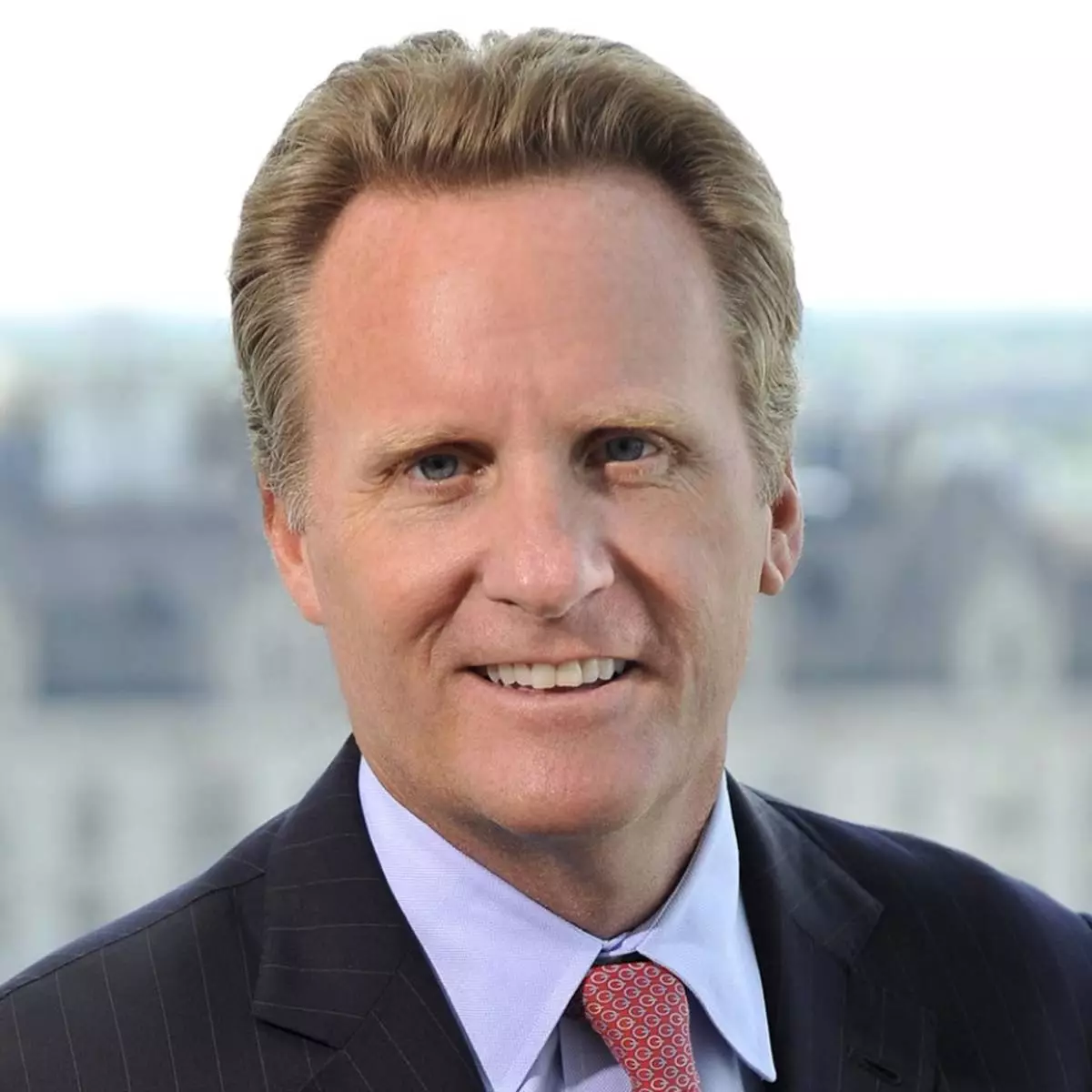
“The launch of quarterly buffer ETFs allows investors more options to navigate market volatility and further cements PGIM as one of the most comprehensive defined outcome solutions providers in the market.” -- Stuart Parker, Head of Global Wealth, PGIM

“The launch of quarterly buffer ETFs allows investors more options to navigate market volatility and further cements PGIM as one of the most comprehensive defined outcome solutions providers in the market.” -- Stuart Parker, Head of Global Wealth, PGIM
ECONE, Switzerland (AP) — A group of traditionalist Catholics directly defied Pope Leo XIV on Wednesday by consecrating four bishops without his consent, dismissing the resulting excommunications and saying the break with the church was necessary to defend the Catholic faith.

The Society of St. Pius X, which opposes modernizing reforms in the Catholic Church, went ahead with the five-hour ceremony at its seminary in Econe, Switzerland, despite a last-ditch appeal by Leo to call it off. The American pope warned in a letter Tuesday that consecrating bishops without his approval amounted to a “sin of extreme gravity” that will actually harm their faithful.

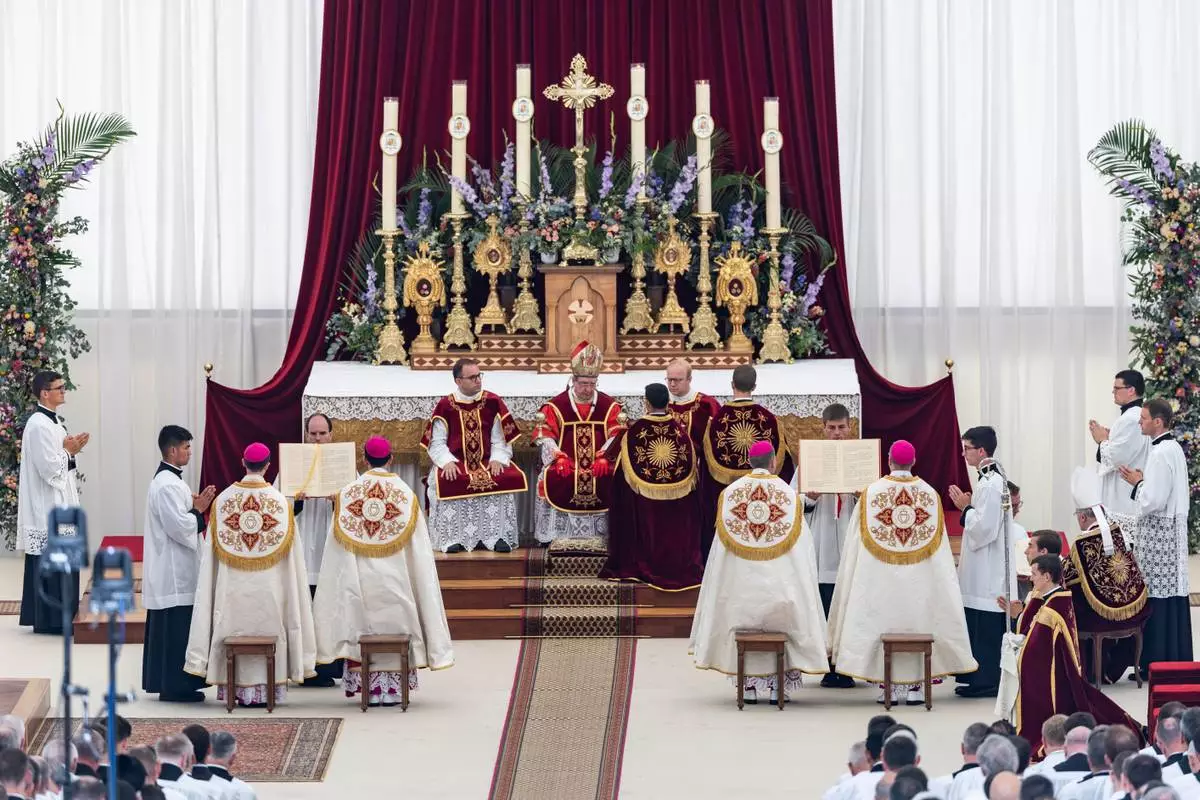
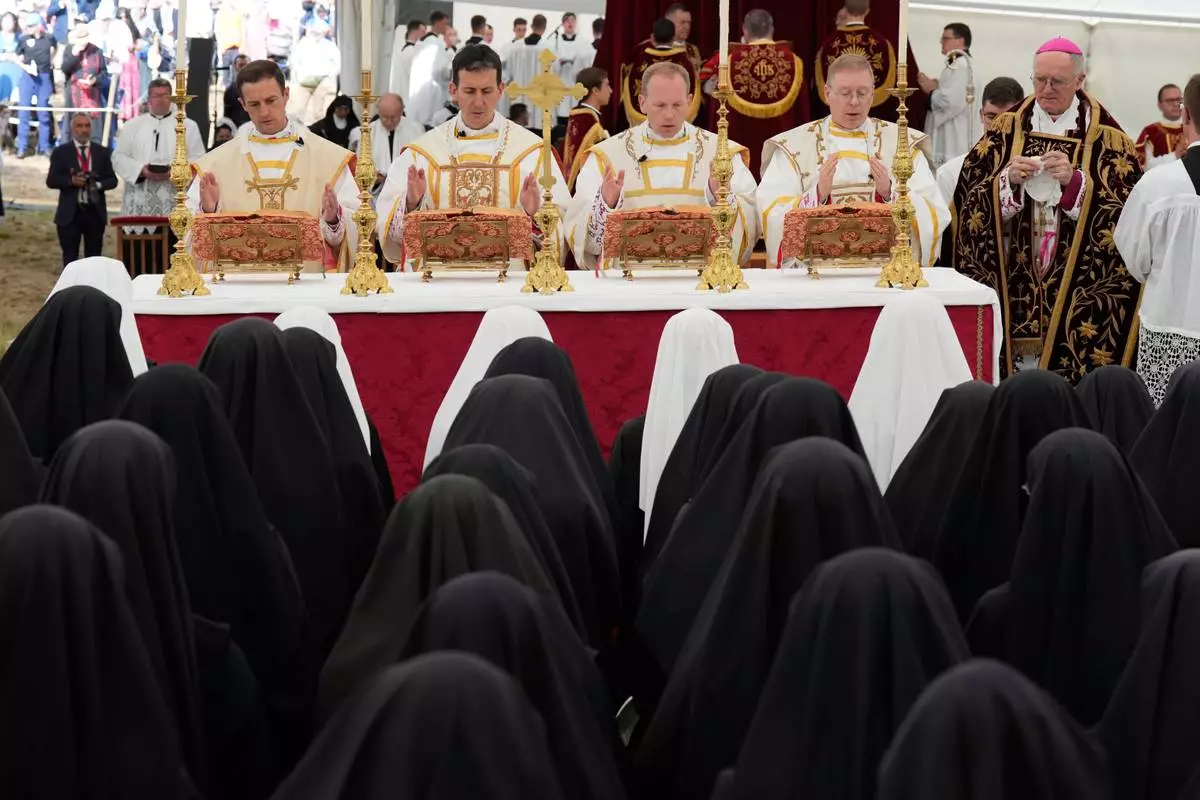
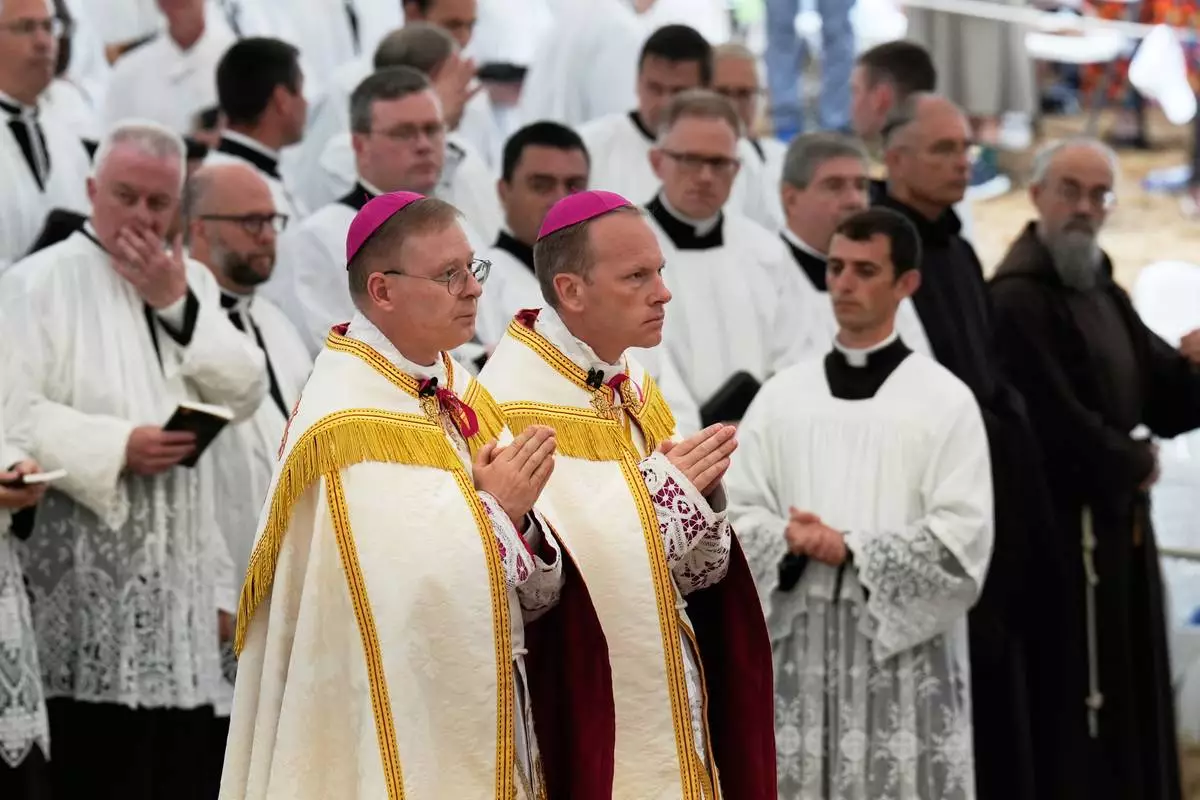
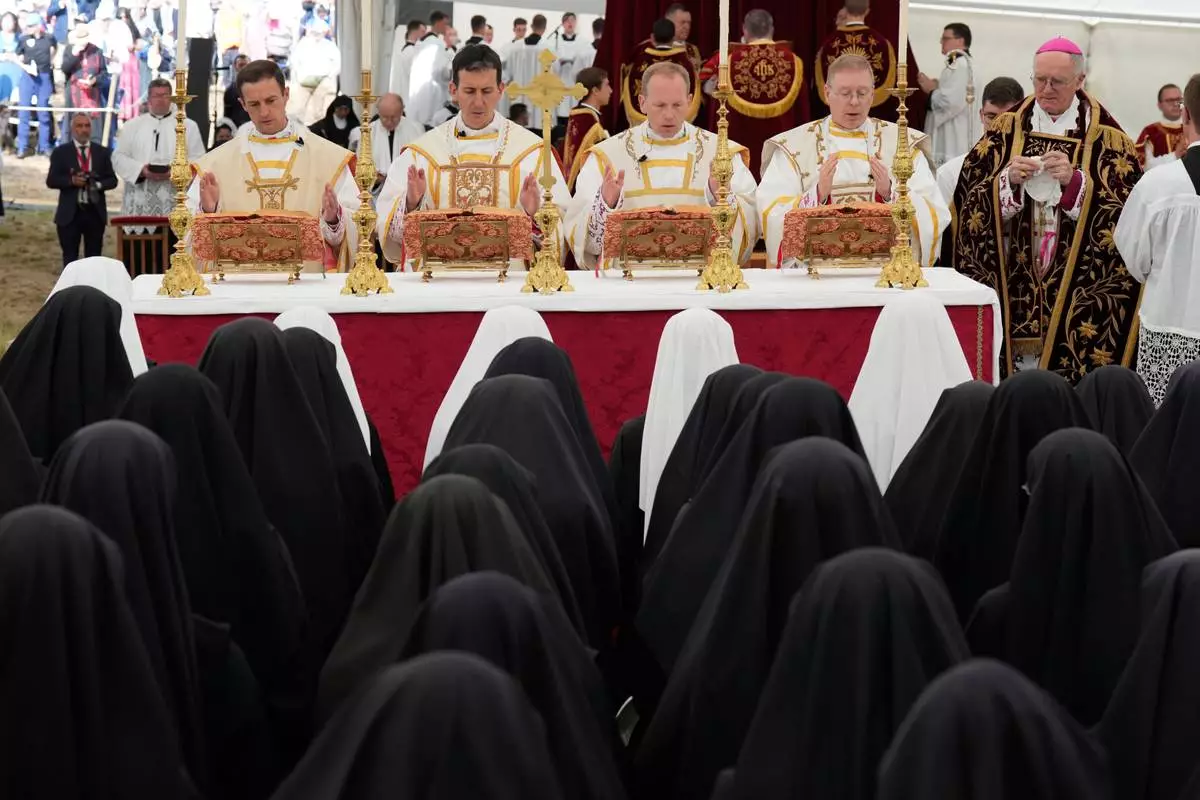
Bells tolled through the misty Alpine mountain valley as hundreds of priests walked two-by-two to the altar under a tent to start the service and then again at the end. An estimated 16,500 faithful who prefer the traditional Latin Mass over modern liturgies attended, sitting in a field through a downpour alongside their children who were too numerous for organizers to count.

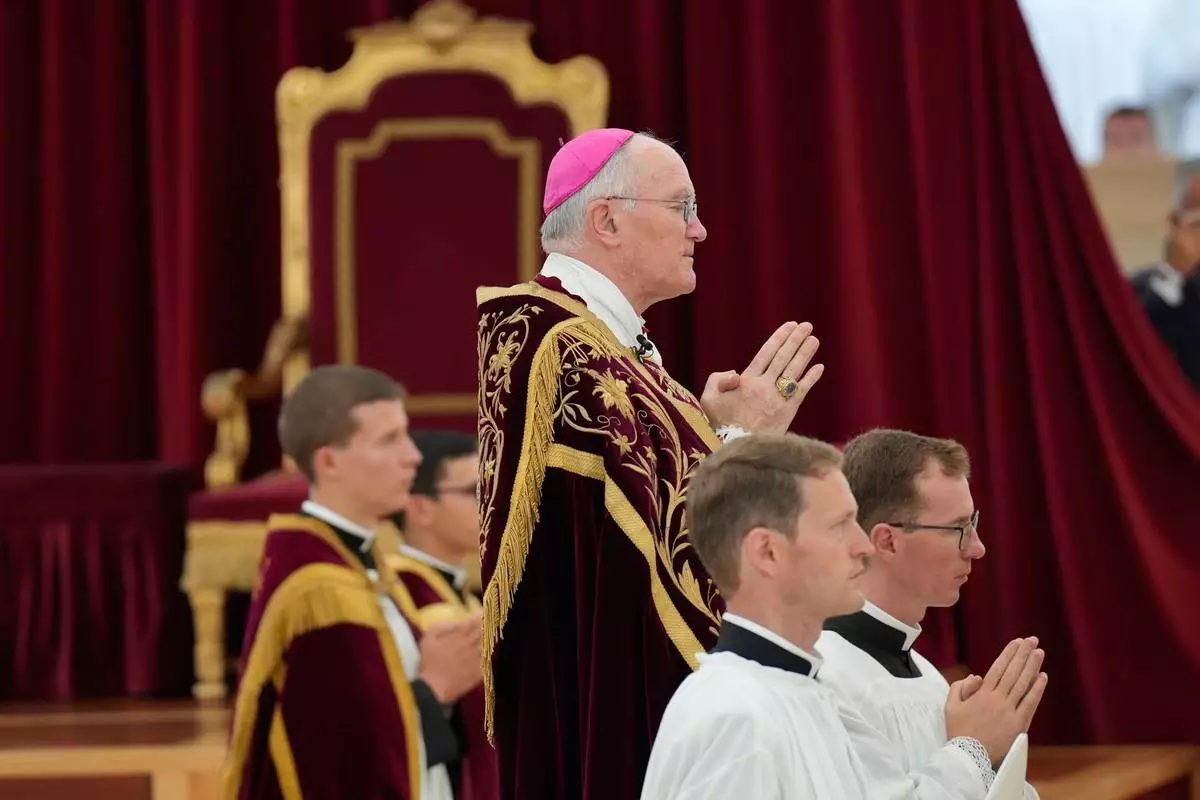
The Mass, rich in velvet and gold-trimmed vestments, chanting and incense, was livestreamed on the society's YouTube channel, with simultaneous explanations in several languages. The highly organized religious extravaganza underscored the society's international reach, despite its schismatic outsider status, and appeal to conservative, traditionalist Catholics wary of the modern, secular world.

The consecrations amounted to a crisis for Leo, who has prioritized church unity and healing tensions with traditionalists that worsened during the Pope Francis pontificate.

The SSPX, as the society is known, is a threat to the Holy See because it represents a parallel, ultra-Catholic faith. It now has six bishops, 751 priests, 264 seminarians training in five seminaries, 145 religious brothers, 88 oblates and 250 religious sisters representing 50 nationalities, according to SSPX statistics.

At the start of the Mass, a priest read aloud a statement justifying the consecrations as a necessary “sacred duty” and dismissing the resulting penalties. “We consider every punishment and censure brought to bear against this step will have no validity,” he said.

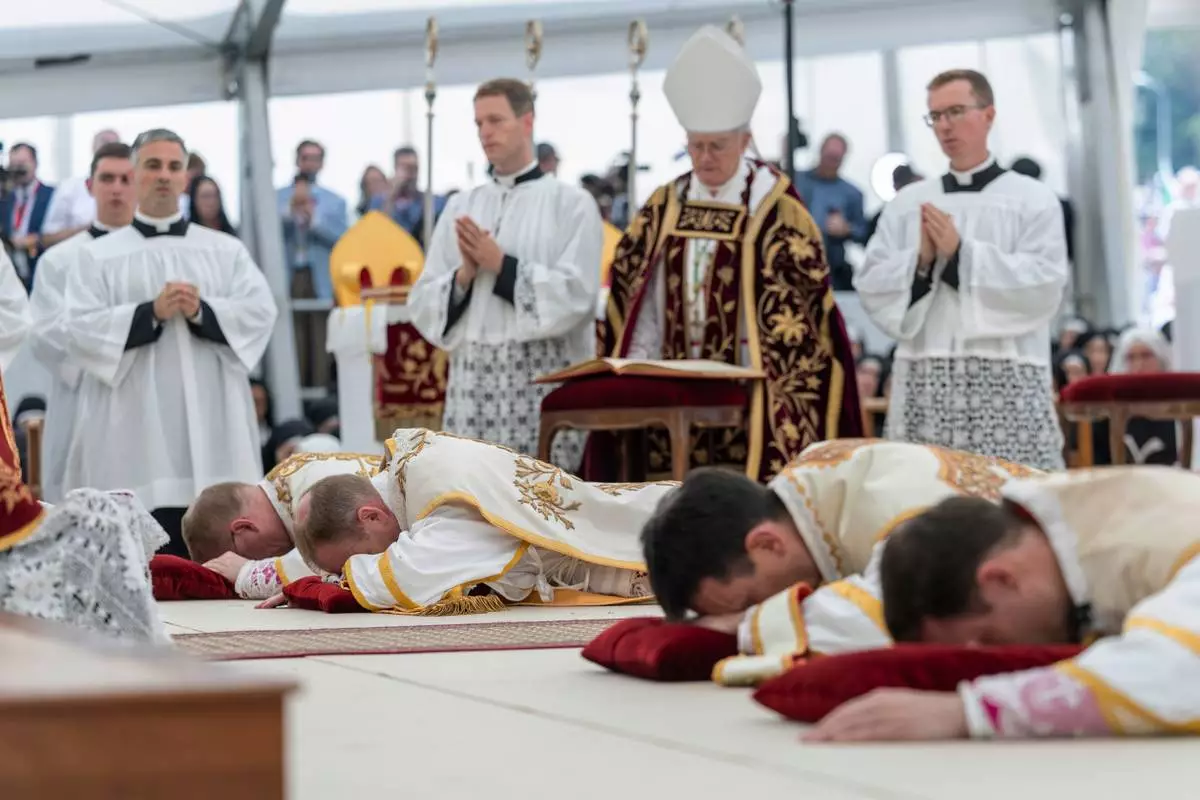
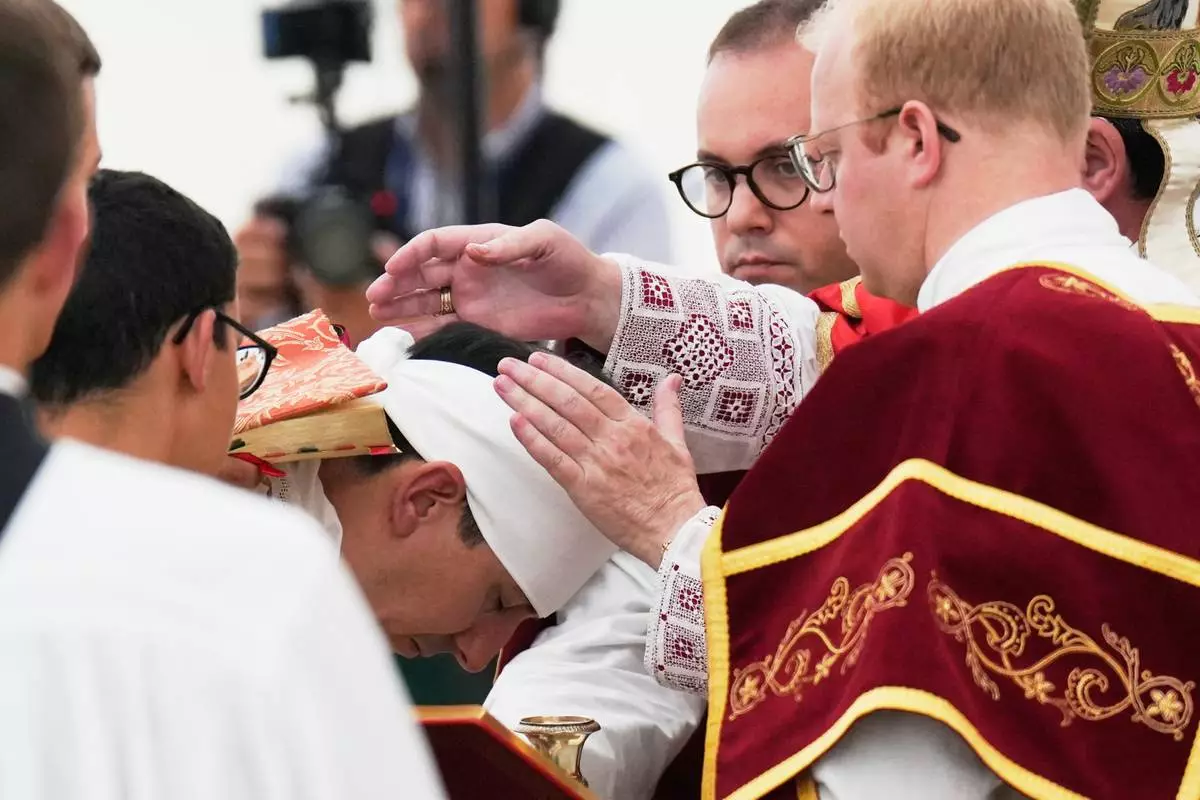
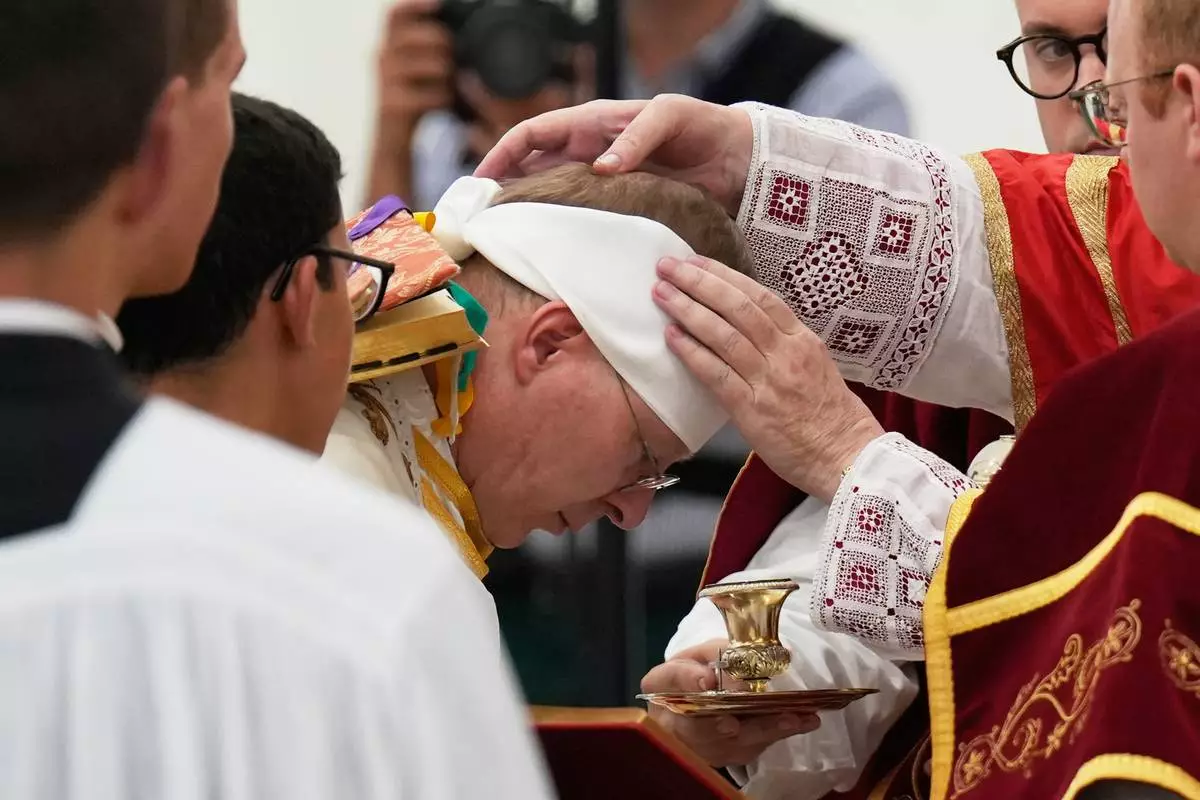
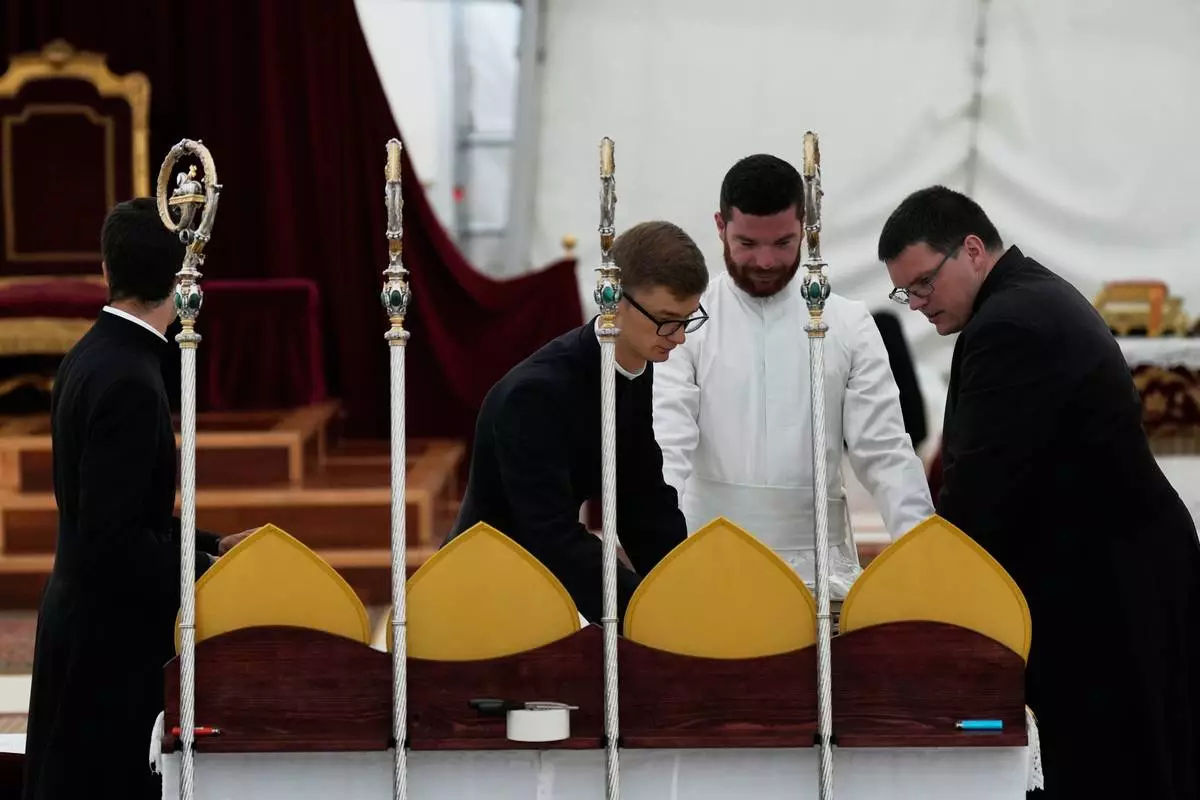
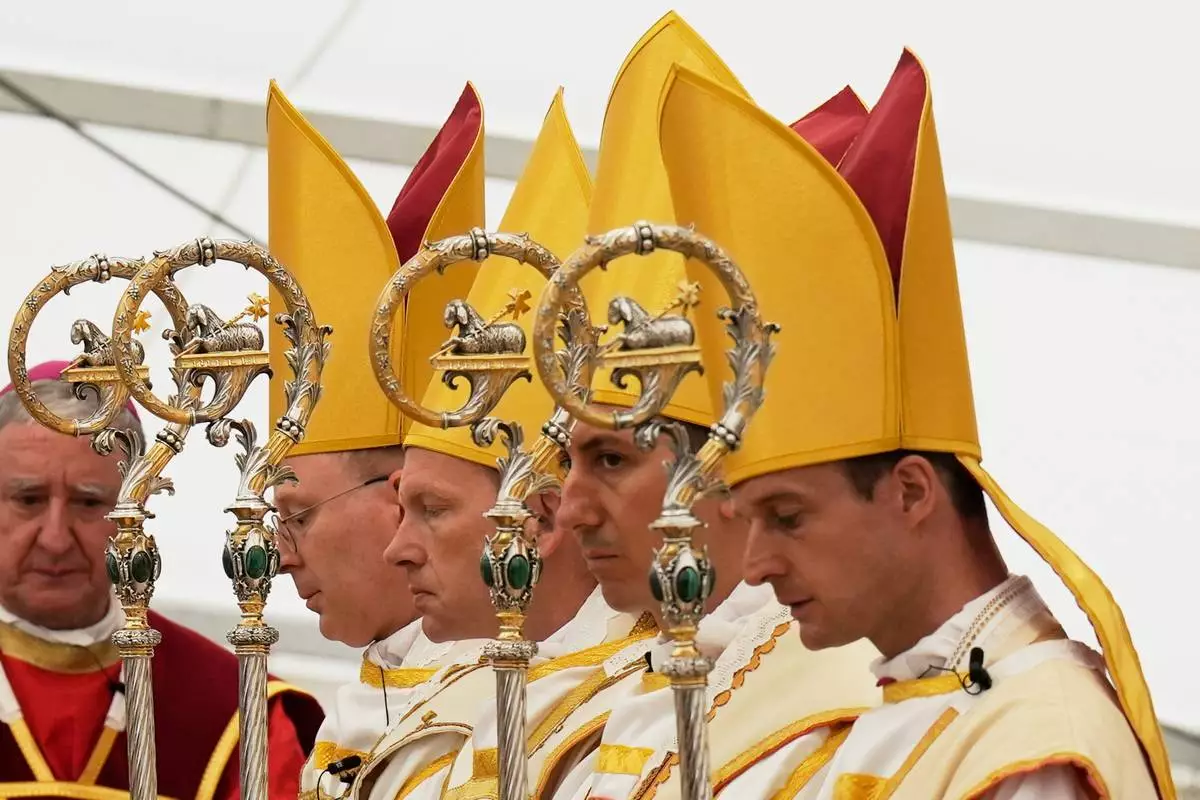
Bishop Alfonso de Galarreta, who himself was excommunicated after being consecrated without papal consent in 1988, placed his hands on the head of each of the four new bishops. The ritual confers the Holy Spirit from one bishop to another and recalls Christ’s gesture to his apostles. After they received their miter hats, gloves and pastoral staffs, the four made a procession through the crowd, blessing the faithful as bishops.

According to church law, consecrating a bishop without a papal mandate incurs the harshest penalty in the Catholic Church: automatic excommunication for the four new bishops and the bishop administering the rite. It also amounts to a schismatic act, an intentional rupture of church unity.

French Archbishop Marcel Lefebvre founded the SSPX in opposition to the modernizing reforms of the Second Vatican Council. Among other things, the 1960s meetings known as Vatican II revolutionized the church’s relations with other Christians, Jews and people of other faiths, and allowed Mass to be celebrated in the vernacular rather than Latin.

In 1988, Lefebvre consecrated four bishops without papal consent. The Vatican promptly excommunicated Lefebvre and the four bishops and declared the consecrations a “schismatic act.” Pope Benedict XVI in 2009 lifted the excommunications, but the SSPX today has no legal standing in the church.

The SSPX has accused the church of being rife with heresies and errors, and that only it is upholding the true faith of Christ. It has justified the consecrations, citing a “state of necessity” to minister to its faithful.

It identified the new bishops as Pascal Schreiber of Switzerland, Michael Goldade of the United States, Michel Poinsinet de Sivry of France and Marc Hanappier, also of France.

The Rev. Davide Pagliarani, the SSPX superior, said in his homily that the consecrations were necessary for the salvation of souls, but he also insisted they served Leo and the church.

“We are accused of not respecting the pope," he said. "But it is precisely because we love the pope as the vicar of Christ, as the head of the church, that we don't want to see the pope humiliated anymore, on the side of false shepherds representing false religions.”

The Vatican didn't immediately comment and it wasn't immediately clear how it would communicate the excommunications or any other penalties.

And yet everything about Wednesday’s ceremony had the air of a joyous celebration. The SSPX website has had a countdown clock running for days ahead of the consecration. Participants received a baseball cap with the “Econe2026” seal on it.

And in perhaps the most obvious sign of a celebration, registered participants could buy a souvenir set of wine to commemorate the “historic” event for 75 Swiss francs ($92.50). The “Cuvee des Sacres” gift box featured pinot noir, syrah, Petit Arvine and Fendant, each bottle with a label depicting a bishop’s miter, his ring, a cross or crozier staff.

The field, located under giant power lines, was awash in smiling nuns, priests posing for photos, youths handing out bottled water, black-clad security guards with earpieces and orange-vested volunteers who occasionally cut short journalists' interviews with the faithful. During the downpour, priests administered Communion under yellow and white umbrellas, the colors of the Holy See.

Arlina Onglao, a 71-year-old travel agent from the Philippines, said she wanted to be on hand for the “historic event” and didn't care about the prospect of excommunications. She said the Vatican had “lost credibility.”

“I don’t think it’s going to scare any of us. Me, I’m not scared,” she said. “I feel like I’m on a safer road to heaven.”

Medical researcher Wulfran Lindzondzo, 42, a native of Gabon who lives in France, said he wanted to “rediscover tradition” through the society, noting its presence in the African country.

“The Holy Father doesn’t really agree with it, but I hand over –- I will pray to the Good Lord that the authorities in Rome can one day accept coming back to the church’s traditions,” he said before the Mass.

Eduardo Limón of Ciudad Juarez, Mexico, lamented that Leo had asked the SSPX to halt the consecrations at the last minute. He prayed that "God illuminate him so he sees that the fraternity is an institution that has defended the faith,” he said.

“I’m both sad and content at the same time," he added. "Sad because again Rome closes itself in accepting that the tradition is the only hope for faith. And happy because the father superior (Pagliarani) has said courageously we are going to go ahead with the consecrations.”

But many Catholics not in Econe, including conservative and traditional ones, opposed the consecrations as an act of severe disobedience to the pope that hurts the church.

“You can’t serve tradition while disobeying the church and her authority,” said the Rev. Robert Gahl, an ethics expert at the Catholic University of America.

Winfield contributed from Rome.

Associated Press religion coverage receives support through the AP’s collaboration with The Conversation US, with funding from Lilly Endowment Inc. The AP is solely responsible for this content.

Newly consecrated Bishops, from left, Pascal Schreiber, Michael Goldade, Michel Poinsinet de Sivry and Marc Hanappier, wearing their miters and holding their pastoral staffs, pray at the end of their consecration ceremony in a tent set up outside the Society of St. Pius X seminary in Econe, Switzerland, Wednesday, July 1, 2026. (AP Photo/Baz Ratner)

Newly consecrated Bishops, from left, Pascal Schreiber, Michael Goldade, Michel Poinsinet de Sivry and Marc Hanappier, wearing their miters and holding their pastoral staffs, pray at the end of their consecration ceremony in a tent set up outside the Society of St. Pius X seminary in Econe, Switzerland, Wednesday, July 1, 2026. (AP Photo/Baz Ratner)

From left Marc Hanappier, Michel Poinsinet de Sivry, Michael Goldade and Pascal Schreiber pray during their consecration ceremony as bishops in a tent set up outside the Society of St. Pius X seminary, in Econe, Switzerland, Wednesday, July 1, 2026. (AP Photo/Baz Ratner)

From left Marc Hanappier, Michel Poinsinet de Sivry, Michael Goldade and Pascal Schreiber pray during their consecration ceremony as bishops in a tent set up outside the Society of St. Pius X seminary, in Econe, Switzerland, Wednesday, July 1, 2026. (AP Photo/Baz Ratner)

Four bishops lie on the floor as they are given episcopal consecration during a Mass in a tent set up outside the Society of St. Pius X seminary, in Econe, Switzerland, Wednesday, July 1, 2026. (Cyril Zingaro/Keystone via AP)

Four bishops lie on the floor as they are given episcopal consecration during a Mass in a tent set up outside the Society of St. Pius X seminary, in Econe, Switzerland, Wednesday, July 1, 2026. (Cyril Zingaro/Keystone via AP)

Alfonso de Galarreta from Spain, Bishop of the Society of Saint Pius X, center, gives episcopal consecration four new bishops, back to camera, during a Mass in a tent set up outside the Society of St. Pius X seminary, in Econe, Switzerland, Wednesday, July 1, 2026. (Cyril Zingaro/Keystone via AP)

Alfonso de Galarreta from Spain, Bishop of the Society of Saint Pius X, center, gives episcopal consecration four new bishops, back to camera, during a Mass in a tent set up outside the Society of St. Pius X seminary, in Econe, Switzerland, Wednesday, July 1, 2026. (Cyril Zingaro/Keystone via AP)

Michel Poinsinet de Sivry is consecrated as bishop during a ceremony in a tent set up outside the Society of St. Pius X seminary in Econe, Switzerland, Wednesday, July 1, 2026. (AP Photo/Baz Ratner)

Michel Poinsinet de Sivry is consecrated as bishop during a ceremony in a tent set up outside the Society of St. Pius X seminary in Econe, Switzerland, Wednesday, July 1, 2026. (AP Photo/Baz Ratner)

Father Pascal Schreiber is consecrated as bishop during a ceremony in a tent set up outside the Society of St. Pius X seminary in Econe, Switzerland, Wednesday, July 1, 2026. (AP Photo/Baz Ratner)

Father Pascal Schreiber is consecrated as bishop during a ceremony in a tent set up outside the Society of St. Pius X seminary in Econe, Switzerland, Wednesday, July 1, 2026. (AP Photo/Baz Ratner)

Bishop Bernard Fellay prays during the consecration ceremony for four new bishops in a tent set up outside the Society of St. Pius X seminary, in Econe, Switzerland, Wednesday, July 1, 2026. (AP Photo/Baz Ratner)

Bishop Bernard Fellay prays during the consecration ceremony for four new bishops in a tent set up outside the Society of St. Pius X seminary, in Econe, Switzerland, Wednesday, July 1, 2026. (AP Photo/Baz Ratner)

From left Marc Hanappier, Michel Poinsinet de Sivry, Michael Goldade and Pascal Schreiber pray during their consecration ceremony as bishops in a tent set up outside the Society of St. Pius X seminary, in Econe, Switzerland, Wednesday, July 1, 2026. (AP Photo/Baz Ratner)

From left Marc Hanappier, Michel Poinsinet de Sivry, Michael Goldade and Pascal Schreiber pray during their consecration ceremony as bishops in a tent set up outside the Society of St. Pius X seminary, in Econe, Switzerland, Wednesday, July 1, 2026. (AP Photo/Baz Ratner)

Nuns make their way to a tent set up outside the Society of St. Pius X seminary to attend a consecration ceremony for four new bishops in Econe, Switzerland, Wednesday, July 1, 2026. (AP Photo/Baz Ratner)

Nuns make their way to a tent set up outside the Society of St. Pius X seminary to attend a consecration ceremony for four new bishops in Econe, Switzerland, Wednesday, July 1, 2026. (AP Photo/Baz Ratner)

Father Pascal Schreiber, left, and father Michael Goldade arrive for their consecration ceremony as bishops in a tent set up outside the Society of St. Pius X seminary, in Econe, Switzerland, Wednesday, July 1, 2026. (AP Photo/Baz Ratner)

Father Pascal Schreiber, left, and father Michael Goldade arrive for their consecration ceremony as bishops in a tent set up outside the Society of St. Pius X seminary, in Econe, Switzerland, Wednesday, July 1, 2026. (AP Photo/Baz Ratner)

Faithful wait for the start of a consecration ceremony for four new bishops, outside a tent set up outside the Society of St. Pius X seminary, in Econe, Switzerland, Wednesday, July 1, 2026. (AP Photo/Baz Ratner)

Faithful wait for the start of a consecration ceremony for four new bishops, outside a tent set up outside the Society of St. Pius X seminary, in Econe, Switzerland, Wednesday, July 1, 2026. (AP Photo/Baz Ratner)

Priests prepare miters and pastoral staffs before the start of a consecration ceremony for four new bishops, in a tent set up outside the Society of St. Pius X seminary, in Econe, Switzerland, Wednesday, July 1, 2026. (AP Photo/Baz Ratner)

Priests prepare miters and pastoral staffs before the start of a consecration ceremony for four new bishops, in a tent set up outside the Society of St. Pius X seminary, in Econe, Switzerland, Wednesday, July 1, 2026. (AP Photo/Baz Ratner)

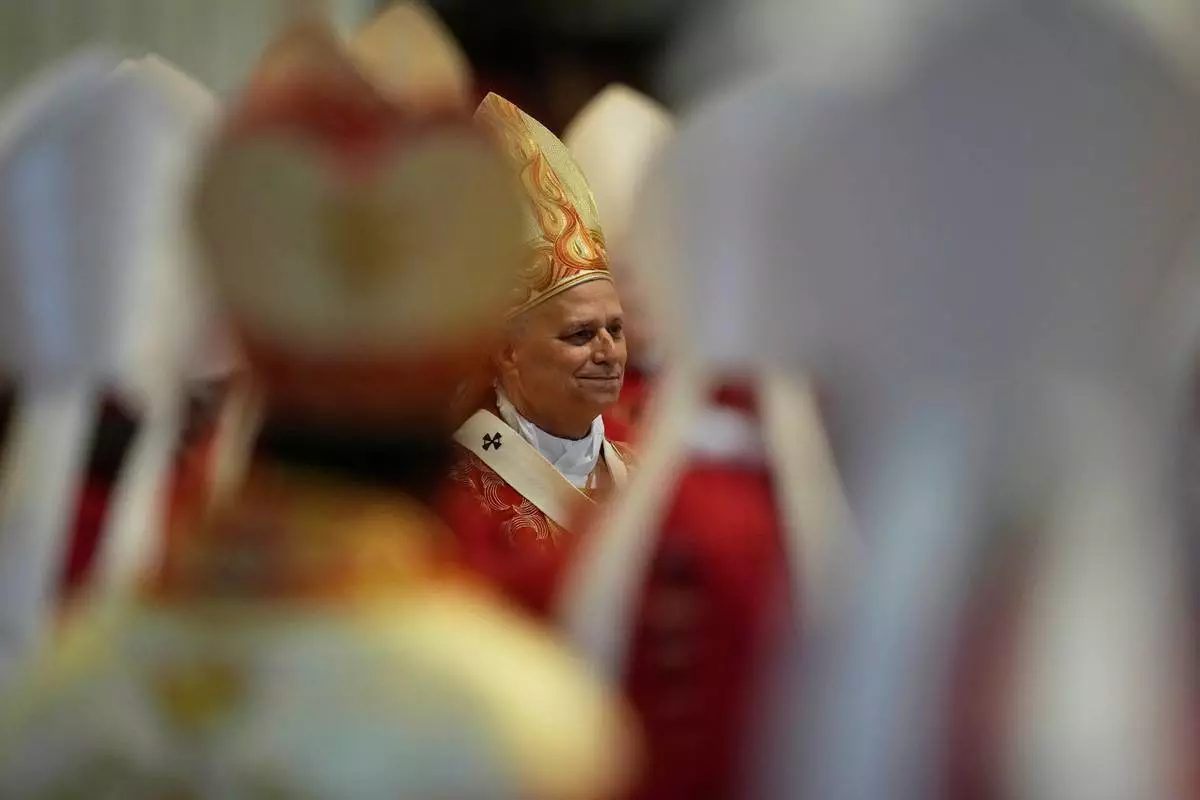
Pope Leo XIV leaves after a Mass where he conferred the pallium on newly appointed metropolitan archbishops, in St. Peter's Basilica, at the Vatican, Monday, June 29, 2026. (AP Photo/Alessandra Tarantino)

Pope Leo XIV leaves after a Mass where he conferred the pallium on newly appointed metropolitan archbishops, in St. Peter's Basilica, at the Vatican, Monday, June 29, 2026. (AP Photo/Alessandra Tarantino)

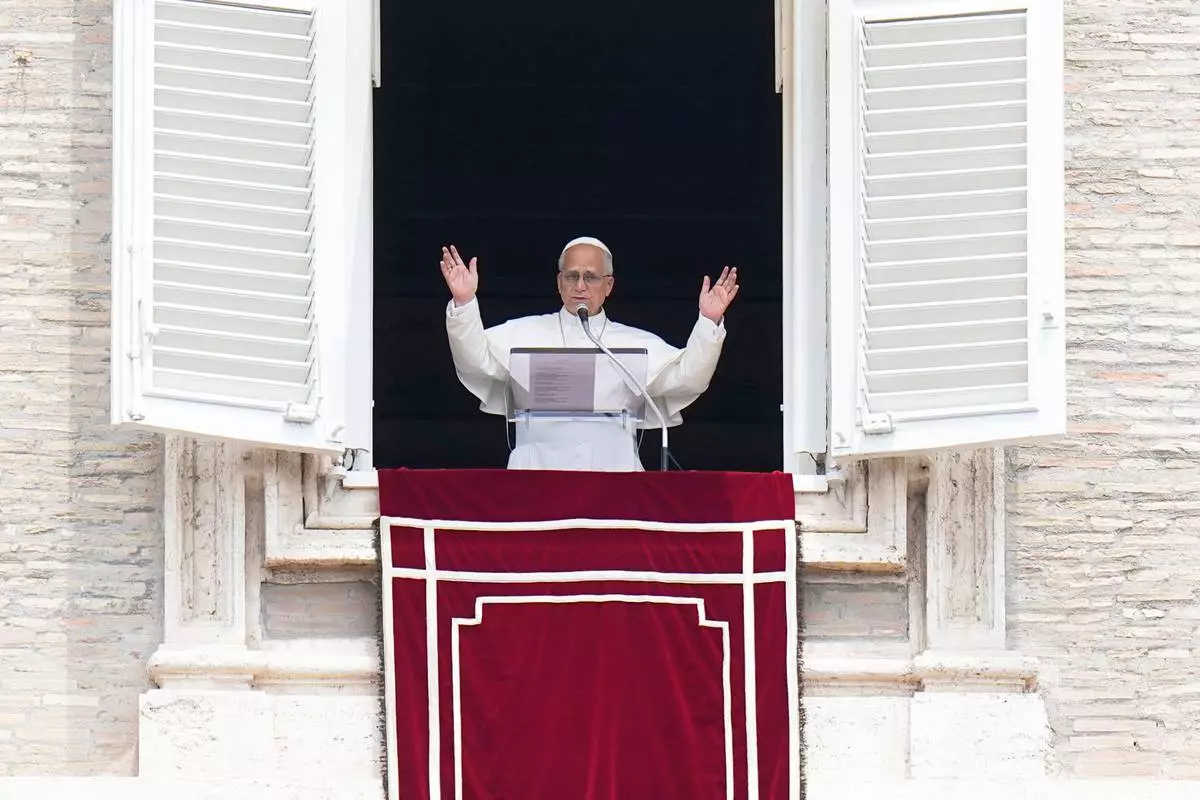
Pope Leo XIV waves during the Angelus noon prayer from the window of his studio overlooking St.Peter's Square, at the Vatican, Monday, June 29, 2026. (AP Photo/Alessandra Tarantino)

Pope Leo XIV waves during the Angelus noon prayer from the window of his studio overlooking St.Peter's Square, at the Vatican, Monday, June 29, 2026. (AP Photo/Alessandra Tarantino)

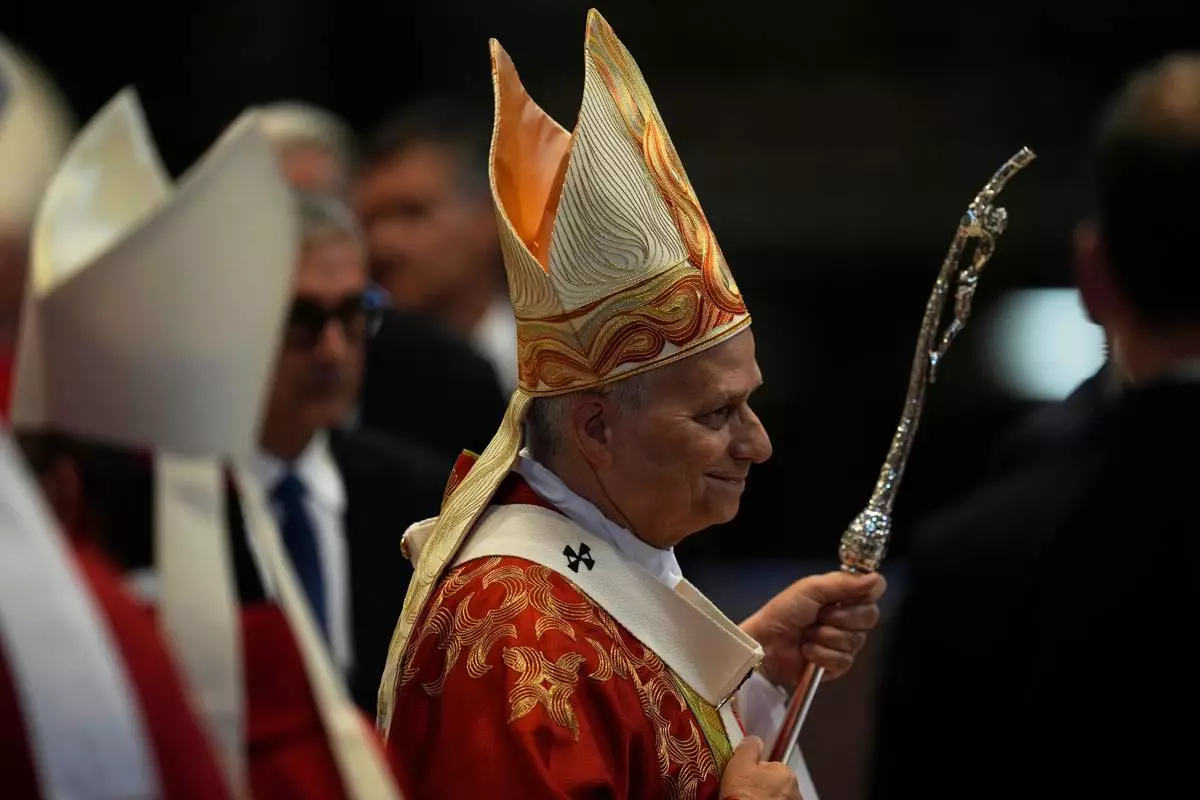
Pope Leo XIV leaves after a Mass where he conferred the pallium on newly appointed metropolitan archbishops, in St. Peter's Basilica, at the Vatican, Monday, June 29, 2026. (AP Photo/Alessandra Tarantino)

Pope Leo XIV leaves after a Mass where he conferred the pallium on newly appointed metropolitan archbishops, in St. Peter's Basilica, at the Vatican, Monday, June 29, 2026. (AP Photo/Alessandra Tarantino)

Recommended Articles