With wildfires raging across the Western U.S., cities and states are restricting fireworks just as the nation gears up for one of its biggest Fourth of July celebrations in decades.
Utah recently issued a statewide ban on personal fireworks displays, citing extreme wildfire risk. Governors in Colorado and New Mexico this week urged restraint, while cities and counties from the Southwest to Oregon and Washington have imposed restrictions of their own.
Click to Gallery
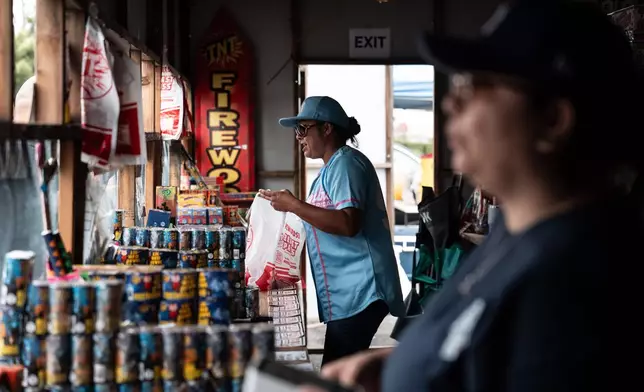
Volunteers Laurene Cardoza, foreground, and Jennifer Aragon work at a TNT Fireworks stand in Alhambra, Calif., Tuesday, June 30, 2026, ahead of the Fourth of July holiday. (AP Photo/Jae C. Hong)
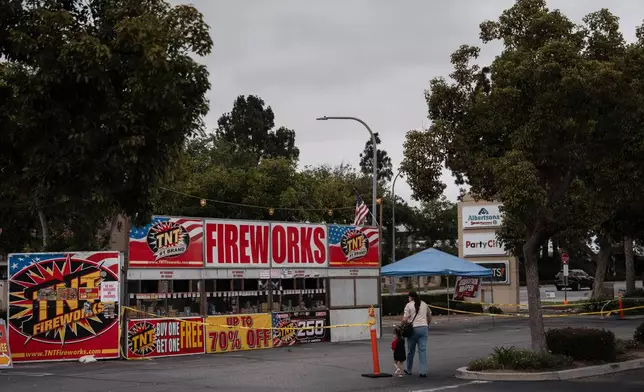
Samantha Ramirez and her daughter Asa walk to a TNT Fireworks stand in Alhambra, Calif., Tuesday, June 30, 2026, to purchase fireworks ahead of the Fourth of July holiday. (AP Photo/Jae C. Hong)
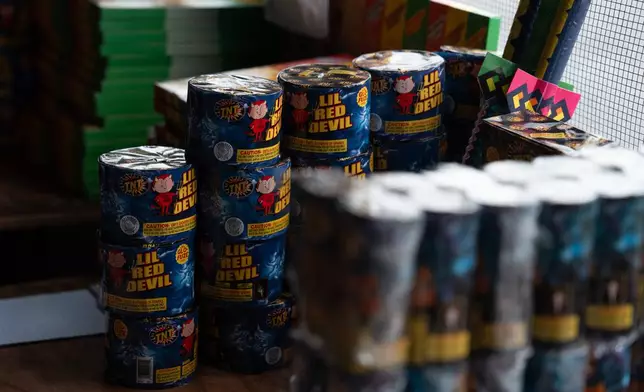
Packages of fireworks are displayed at a TNT Fireworks stand in Alhambra, Calif., Tuesday, June 30, 2026, ahead of the Fourth of July holiday. (AP Photo/Jae C. Hong)
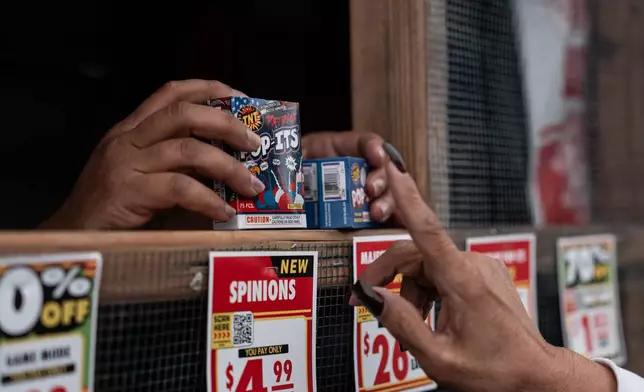
Jennifer Aragon, left, shows fireworks packages to a customer at a TNT Fireworks stand in Alhambra, Calif., Tuesday, June 30, 2026, ahead of the Fourth of July holiday. (AP Photo/Jae C. Hong)
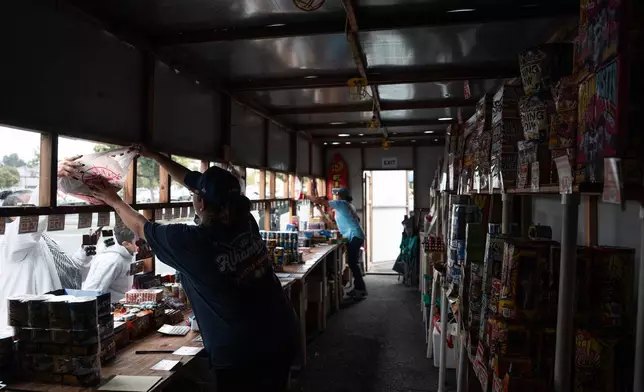
Volunteers Laurene Cardoza, front, and Jennifer Aragon work at a TNT Fireworks stand in Alhambra, Calif., Tuesday, June 30, 2026, ahead of the Fourth of July holiday. (AP Photo/Jae C. Hong)
Packages of fireworks are displayed at a TNT Fireworks stand in Alhambra, Calif., Tuesday, June 30, 2026, ahead of the Fourth of July holiday. (AP Photo/Jae C. Hong)
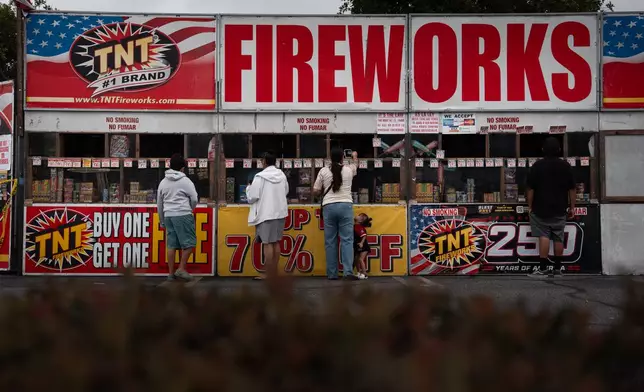
People purchase fireworks at a TNT Fireworks stand in Alhambra, Calif., Tuesday, June 30, 2026, ahead of the Fourth of July holiday. (AP Photo/Jae C. Hong)
The message is simple: Families should attend professional displays instead of lighting fireworks in their own yards.
This July Fourth marks the nation’s 250th anniversary. The country is looking forward to an especially big version of the holiday’s usual mix of red, white and blue. From Mount Rushmore to Washington D.C., and thousands of communities in between, spectacular displays are still planned.
In the past week alone, hundreds of wildfires erupted throughout the West, adding to the already above-average pace for acreage burned so far this year. The flames are being fueled by dry, windy conditions.
While the Southwest was hit particularly hard by an unusually dry winter and dismal snowpack, others parts of the U.S., including much of the East Coast and parts of the South, are experiencing varying levels of drought, according to data from the U.S. Drought Monitor.
Nearly 85% of wildfires are caused by people, both intentionally and unintentionally, such as when power lines fail or campfires are left unattended. Lightning strikes are a common natural cause, but rarer culprits, such as animals chewing exposed wires, can cause fires, too.
Ingredients for a wildfire include flammable vegetation, weather conditions and an ignition source. Fireworks serve as an ignition source, which is why the number of fires spikes each year on July Fourth, said Philip Higuera, a fire ecology professor at the University of Montana.
“It’s not because the Fourth of July is particularly always warm and dry and windy,” he said. “It’s because there are a lot of ignitions added to the landscape on that single day.”
Only Utah has enacted statewide restrictions, with Gov. Spencer Cox declaring an emergency because of wildfire risk. In other states, decisions are being made at a local level.
Although some cities and counties are still planning to hold fireworks displays, others have canceled them, including Colorado Springs, the second-largest city in Colorado. Certain counties in Florida have burn bans in place.
Fireworks restrictions are nothing new, but some areas are making the call for the first time.
Frank Wirth, fire chief in Alamosa, Colorado, made the tough call to cancel his town's fireworks display because dry conditions are expected. The city of nearly 10,000 is surrounded by brush and grass, and several hundred people typically attend the annual fireworks show.
“I think they’re disappointed, and I’m disappointed, too,” Wirth said, but “fireworks are a cause of fires, there’s no two ways about it.”
The fireworks industry raked in $2.3 billion last year, and that figure could climb to $3 billion this year due to America 250 celebrations, according to Julie Heckman, executive director of the American Pyrotechnics Association.
Heckman encouraged people to buy from a reputable licensed seller, whether it’s a big box store or a nonprofit, and to follow the instructions to avoid injuries.
After using fireworks, have a bucket of water handy to soak the spent fireworks before disposing of them, she said. Just because there's not a flame, it doesn’t mean that combustion isn’t still happening.
Experts also said to pay attention to local authorities and to be mindful of any restrictions.
“The conditions dictate the tactics,” said Joe Ten Eyck, a wildland fire expert with the International Association of Fire Fighters. “And so that could put a damper on some people’s celebrating and they may have to celebrate in a different way.”
Intentionally or unintentionally causing a wildfire is a punishable offense nationwide, though the consequences vary by jurisdiction.
But the safest option is to forego personal fireworks and opt for a professional show, where fire crews are usually on standby. These days, some displays use drone shows instead of combustible pyrotechnics, which further minimizes the fire risk.
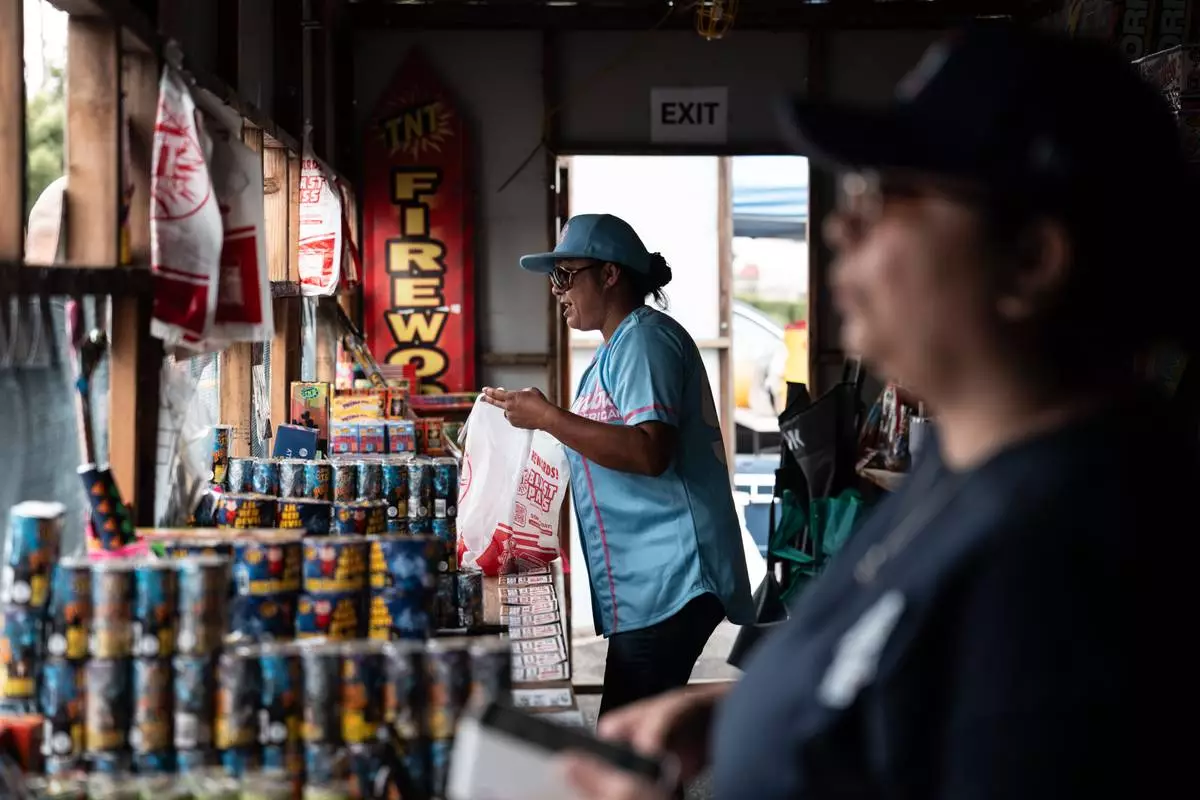
Volunteers Laurene Cardoza, foreground, and Jennifer Aragon work at a TNT Fireworks stand in Alhambra, Calif., Tuesday, June 30, 2026, ahead of the Fourth of July holiday. (AP Photo/Jae C. Hong)
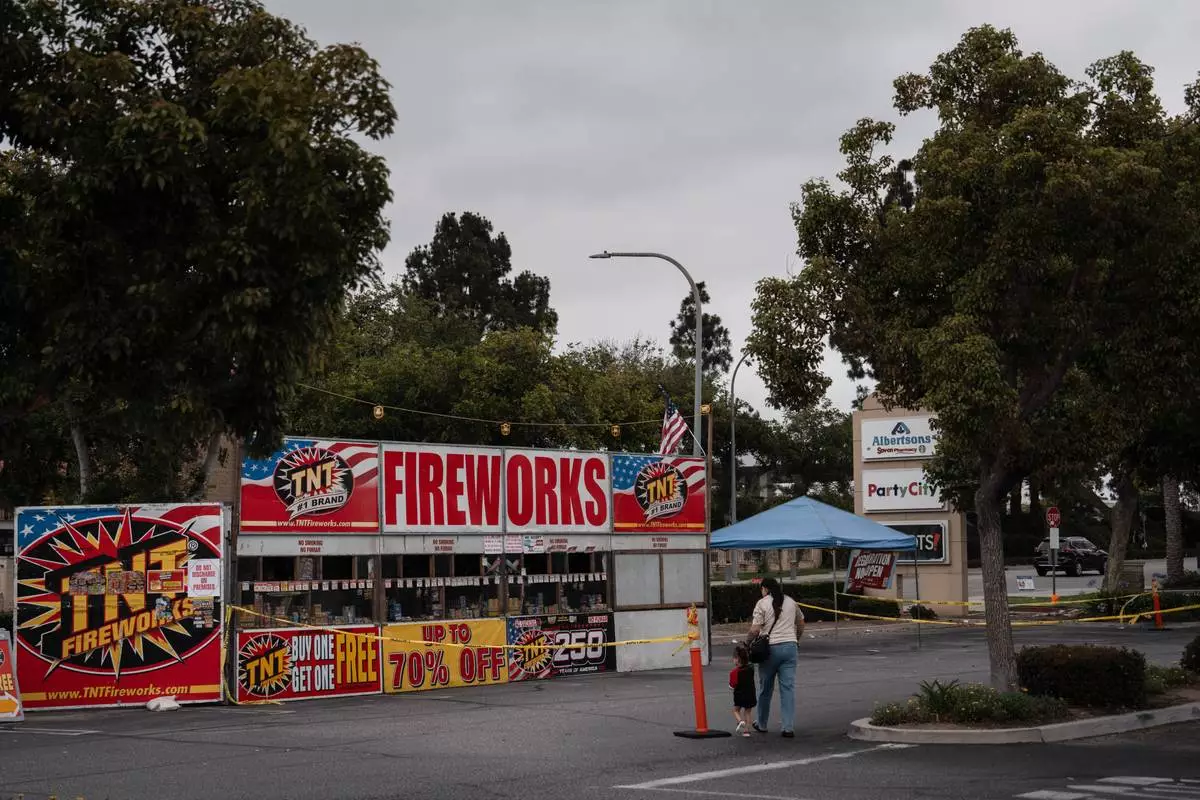
Samantha Ramirez and her daughter Asa walk to a TNT Fireworks stand in Alhambra, Calif., Tuesday, June 30, 2026, to purchase fireworks ahead of the Fourth of July holiday. (AP Photo/Jae C. Hong)
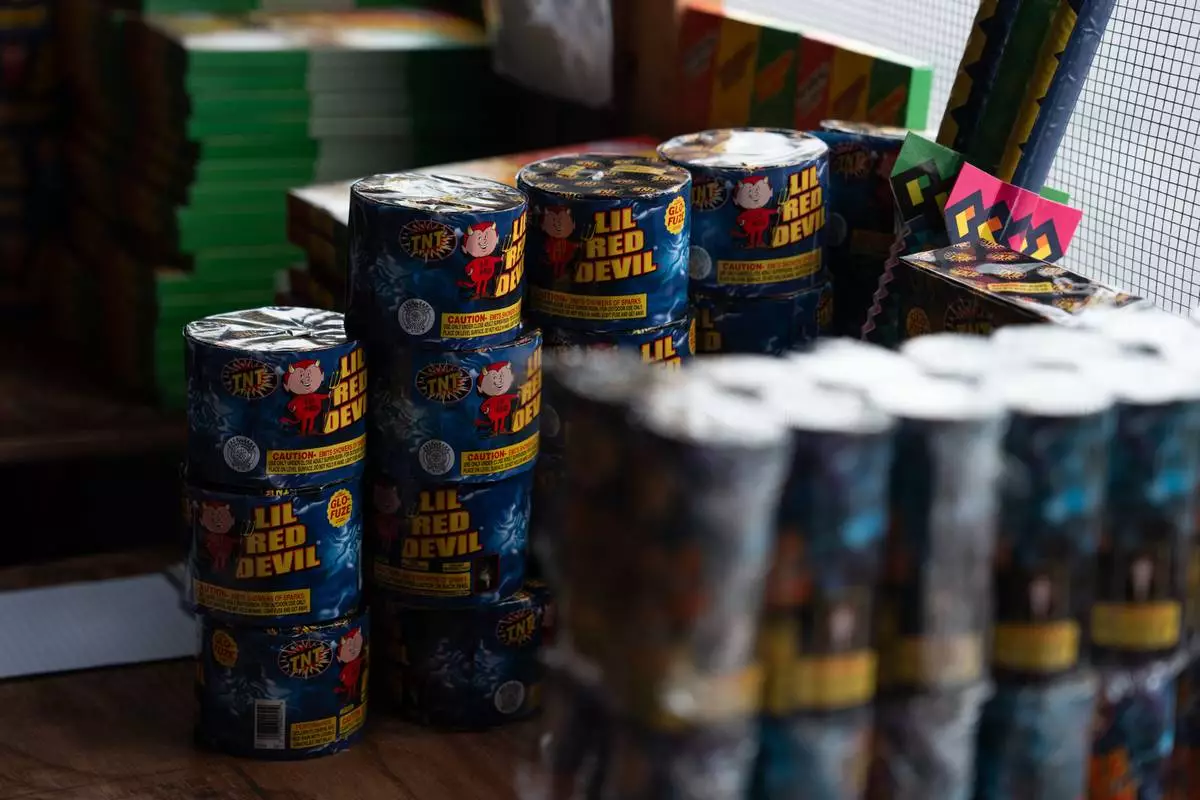
Packages of fireworks are displayed at a TNT Fireworks stand in Alhambra, Calif., Tuesday, June 30, 2026, ahead of the Fourth of July holiday. (AP Photo/Jae C. Hong)
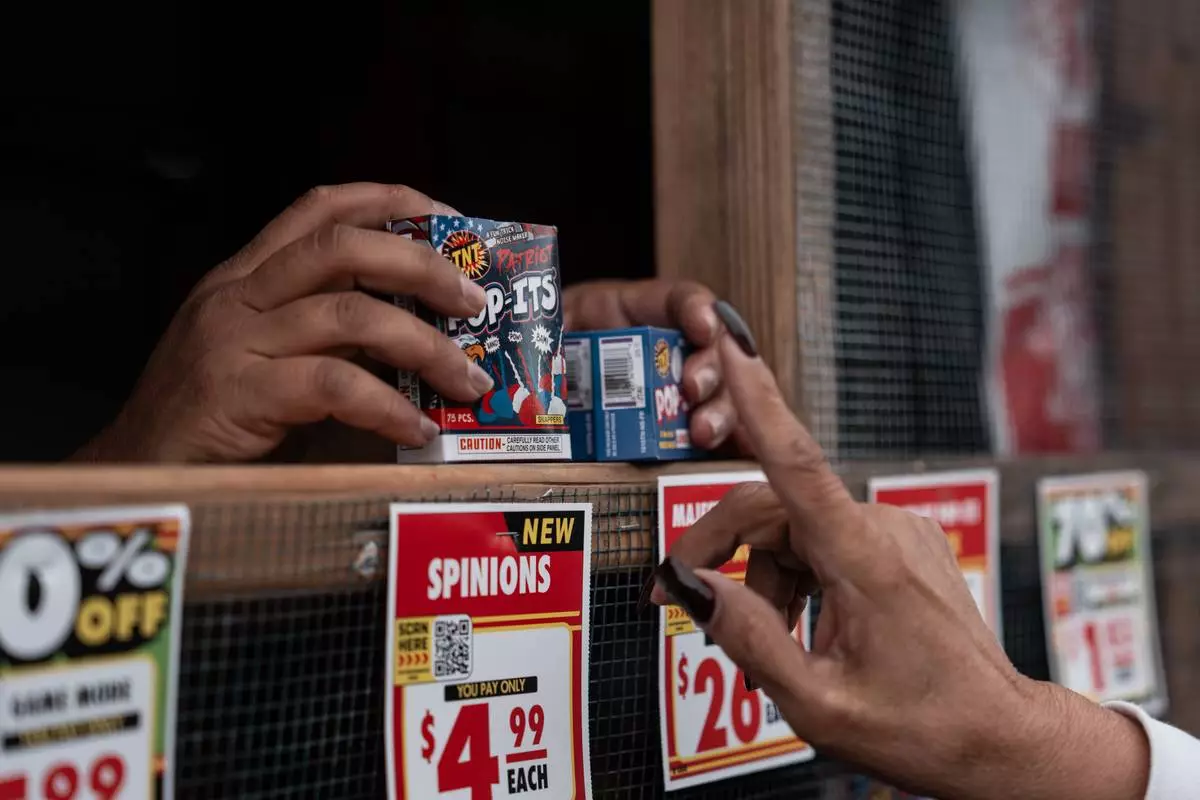
Jennifer Aragon, left, shows fireworks packages to a customer at a TNT Fireworks stand in Alhambra, Calif., Tuesday, June 30, 2026, ahead of the Fourth of July holiday. (AP Photo/Jae C. Hong)
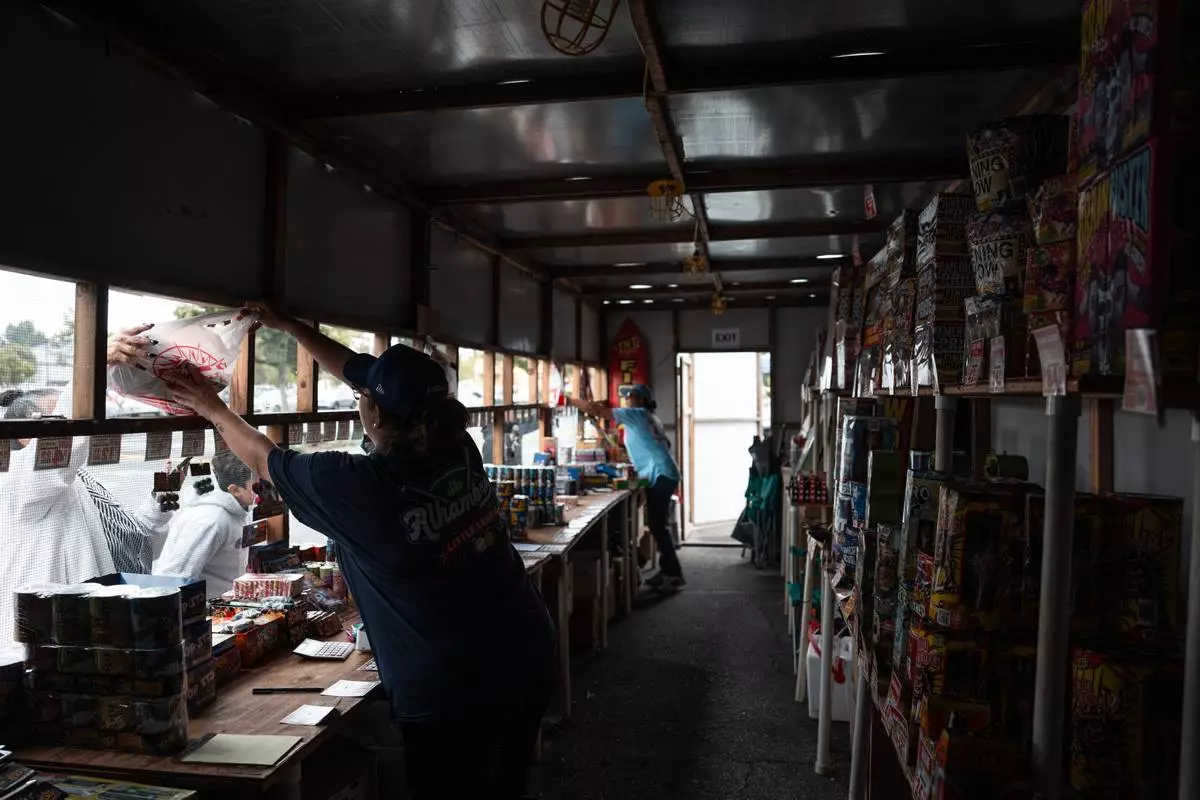
Volunteers Laurene Cardoza, front, and Jennifer Aragon work at a TNT Fireworks stand in Alhambra, Calif., Tuesday, June 30, 2026, ahead of the Fourth of July holiday. (AP Photo/Jae C. Hong)
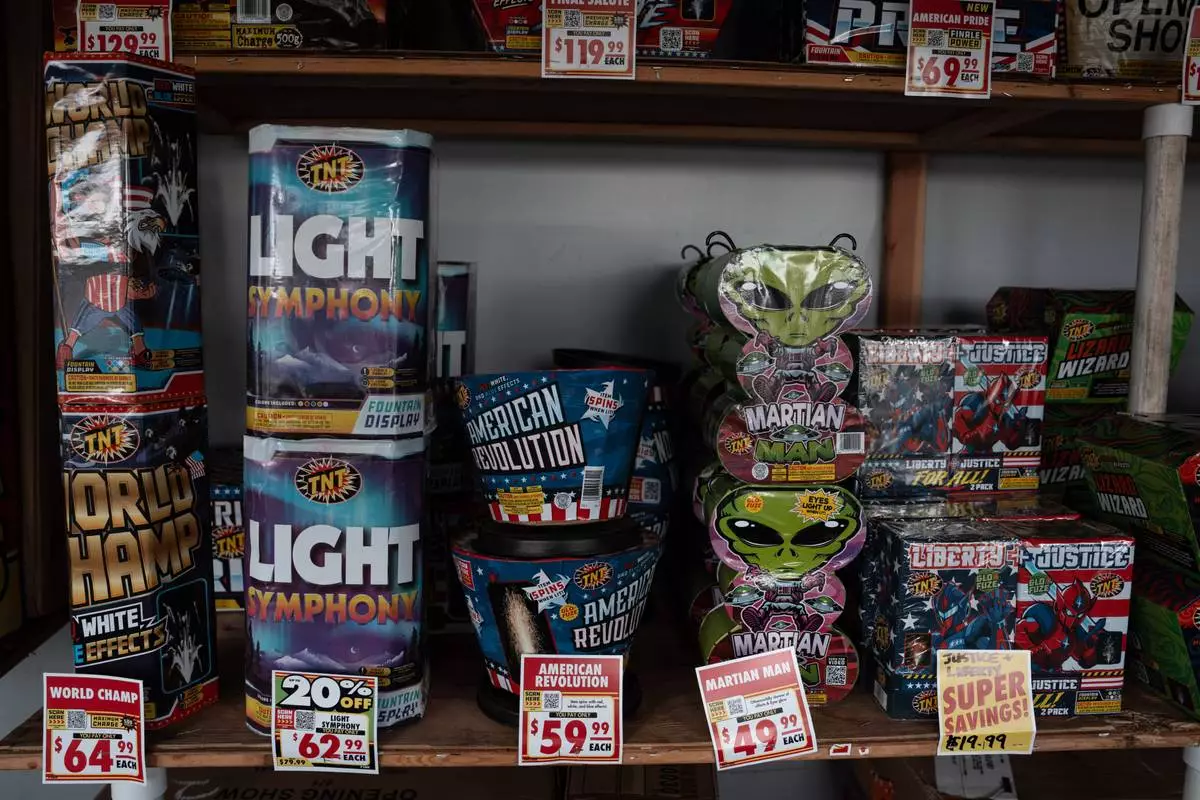
Packages of fireworks are displayed at a TNT Fireworks stand in Alhambra, Calif., Tuesday, June 30, 2026, ahead of the Fourth of July holiday. (AP Photo/Jae C. Hong)
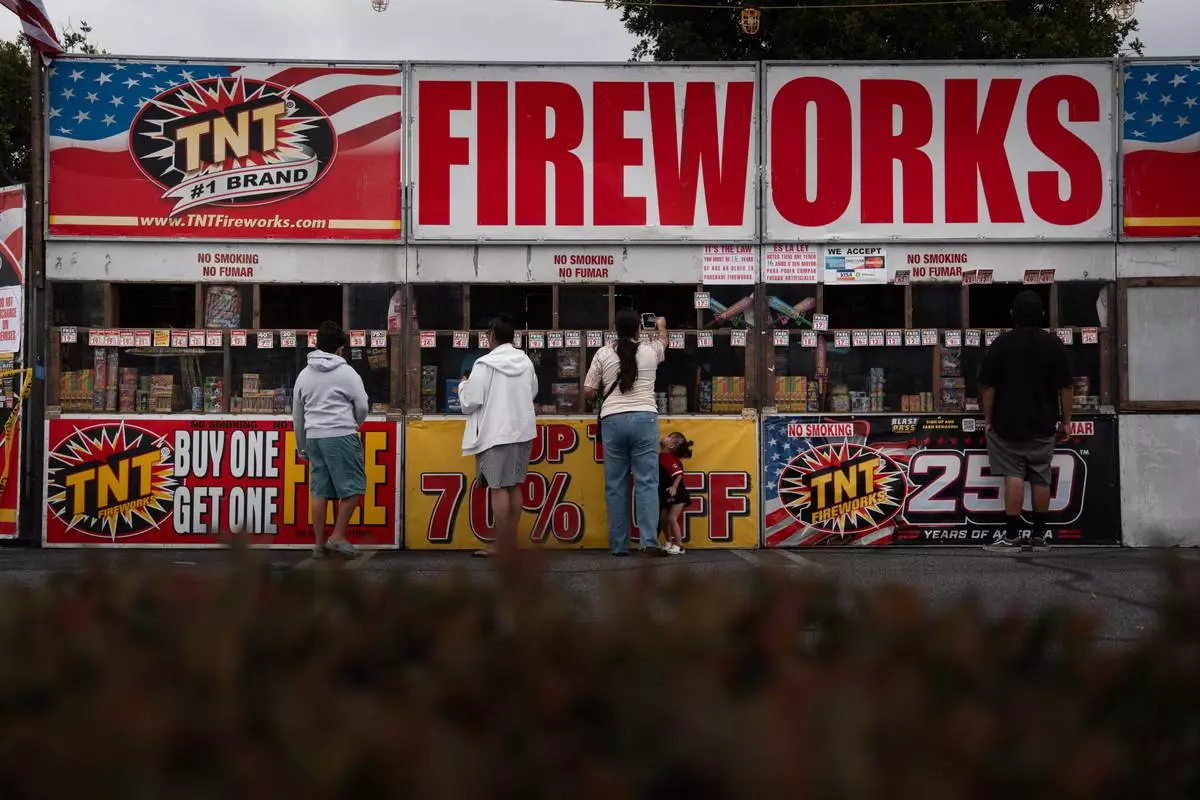
People purchase fireworks at a TNT Fireworks stand in Alhambra, Calif., Tuesday, June 30, 2026, ahead of the Fourth of July holiday. (AP Photo/Jae C. Hong)

LA GUAIRA, Venezuela (AP) — Angélica Mundrain wants the bodies of her son, niece and nephew to be pulled from the rubble of her flattened beachfront apartment. She has spent every minute of the past six days waiting for the heavy machinery needed to remove the slabs of concrete and twisted metal that trapped them.
So have other Venezuelan earthquake survivors.
They, like others across the northern state of La Guaira, have the same question: Who is in charge? Venezuela's self-described socialist government, which long prided itself on being protector and provider, has been neither when it mattered most, many said.
The powerful back-to-back earthquakes on June 24 have brought to the forefront t he inability of the party that has ruled the country for 27 years — now with acting President Delcy Rodríguez at the helm — to carry out basic governmental functions.
“We’ve been abandoned,” Mundrain said, sitting in a chair on the street Tuesday in front of what remained of the 11-story building she once called home. “We feel helpless. What we have seen is a lack of organization, a lack of empathy, a lack of everything.”
In the critical 72 hours after residential buildings, food joints, pharmacies, hotels and convenience stores imploded in La Guaira state, Caracas and surrounding regions, the on-the-ground response was primarily focused on directing traffic, with police officers, intelligence agents and members of the armed forces manning intersections.
Civilians, mostly alone and some with the help of foreign rescuers, searched for loved ones among piles of rubble. Ambulances were stuck in miles-long (kilometers-long) traffic jams. Hospitals were undersupplied and understaffed. Emergency personnel responded with little to no equipment.
A week later, many residents in coastal communities of La Guaira were attributing most rescues and recoveries to fellow Venezuelans and foreign teams with know-how and equipment like thermal cameras and sound detectors as well as trained dogs. They also pointed out that while civilians and foreign rescuers worked, men and women in Venezuelan uniforms stood watching and state workers took selfies.
Tulane University professor David Smilde, who has studied Venezuela for three decades, said the tragedy has made clear that the stunning Jan. 3 capture of then-President Nicolás Maduro by U.S. forces was not a one-off “in which the Venezuelan state was not able to defend itself at all.”
“It also can’t do anything like get started with digging people out," he said, adding that it should be a worrying concern for Rodríguez, who was sworn in after Maduro was deposed and taken to New York to face drug trafficking charges.
Smilde said the dismal response is linked to the huge numbers of people who have left the public sector because of extremely low pay as well as corruption, such as the many people who are included in the government’s payroll but who have not worked in months or years. In a functioning government, he added, people have specific duties to design protocols spelling out procedures in case of emergencies, including earthquakes.
“It’s like trying to have a baseball team with three people on the field. You’re not sure who’s going to be the pitcher, who’s going to be catching, and who’s going to be outfielder,” he said of the government's lack of organization.
Wealth and government connections also influenced the government’s response, with some sites given preferential treatment.
When one collapsed building was teeming with police and military school students, people accurately guessed that officials or politically connected individuals must have lived there. The police officers from a neighboring state were indeed searching for a captain, while the students and a few members of the national guard were hoping to locate a major general.
A telescopic crane, like the one Mundrain needs for the recovery of her family, was parked for several hours in what was that building’s entrance. The relatives of the well-off families who lived in the building were able to rent it. Mundrain cannot.
“I think that if there were someone in a position of authority in each of these apartments, there would be a well-oiled machine working like they have in other residences,” Mundrain said pointing to her building.
People's anger over the response has also led to altercations between residents and machine operators. In one instance, when a government-provided excavator tried to leave the site of a flattened public housing building, people blocked traffic to keep it in place and even pulled the operator from the cab.
The government reported Wednesday that 2,295 died and more than 11,200 were injured in the 7.2 and 7.5 magnitude earthquakes that struck June 24. Thousands more have been reported missing.
“We continue to support the affected families and directly oversee the care and recovery efforts in La Guaira,” Rodríguez posted on X Wednesday. “I know that many Venezuelans feel pain and frustration; I deeply share those feelings.”
Rescuers on Tuesday continued to free some survivors from mountains of debris, offering anguished families a sliver of hope even as the likelihood of finding people alive diminished with each passing hour. The desperation led two women to fight late at night, one dragging the other to the mud right next to a flattened building after one of them refused to be quiet while rescuers tried to listen for signs of life among the rubble.
The first 48 to 72 hours after a natural disaster are crucial to rescue efforts, though survival can be extended if people have access to food and water.
Electrician Daniel Castillo was able to pull his mother and son alive from their second-floor apartment in a collapsed public housing building in La Guaira just hours after the earthquake struck. The body of his brother remained inside for another day until he could reach him.
On Tuesday, he decried the government’s response while he waited in line to get a free bag of hygiene products, including toilet paper and soap, from a tent staffed by the Venezuelan armed forces.
“You see the guards, and their uniforms are spotless, not dirty at all,” Castillo said, contrasting members of Venezuela's National Guard with dust-covered civilians and foreign rescuers who have dug through rubble for days. “The government did nothing.”
Follow AP’s coverage of Latin America and the Caribbean at https://apnews.com/hub/latin-america
People reach out to receive supplies from volunteers, days after an earthquake struck La Guaira, Venezuela, Tuesday, June 30, 2026. (AP Photo/Matias Delacroix)
Debris floats in the swimming pool of a building that collapsed in the twin earthquakes that struck La Guaira, Venezuela, Tuesday, June 30, 2026.(AP Photo/Ariana Cubillos)
Rescuers search through the rubble of a building that collapsed in the earthquakes in La Guaira, Venezuela, Tuesday, June 30, 2026. (AP Photo/Ariana Cubillos)
Residents search through the rubble of a building that collapsed in the earthquakes in La Guaira, Venezuela, Tuesday, June 30, 2026. (AP Photo/Ariana Cubillos)
U.S. troops cut through rebar while clearing rubble during a search at a building that collapsed in the twin earthquakes in La Guaira, Venezuela, Tuesday, June 30, 2026. (AP Photo/Ariana Cubillos)