In the 109th minute of a wild, pulsating, nerve-shredding World Cup match for the ages, referee Espen Eskås finally called time.
Portugal advanced to the round of 16 after a 2-1 win against Croatia at Toronto Stadium on Thursday.
Click to Gallery
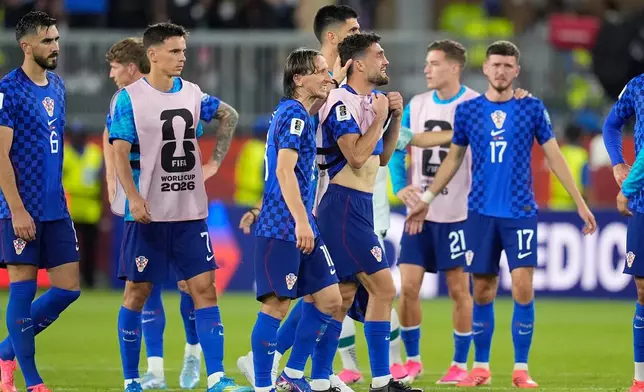
Croatia's Luka Modric (10) consoles Croatia's Mateo Kovacic (8) after a loss during the World Cup round of 32 soccer match between Portugal and Croatia in Toronto, Thursday, July 2, 2026. (AP Photo/Mike Stewart)
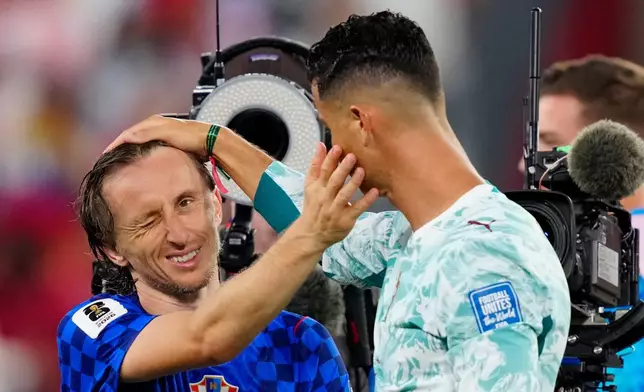
Croatia's Luka Modric (10) and Portugal's Cristiano Ronaldo (7) greet each other after the World Cup round of 32 soccer match between Portugal and Croatia in Toronto, Thursday, July 2, 2026. (Frank Gunn/The Canadian Press via AP)
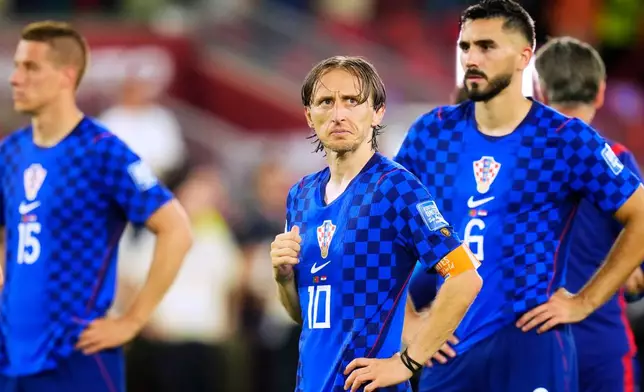
Croatia's Luka Modric (10) reacts after losing to Portugal in the World Cup round of 32 soccer match between Portugal and Croatia in Toronto, Thursday, July 2, 2026. (Chris Young/The Canadian Press via AP)
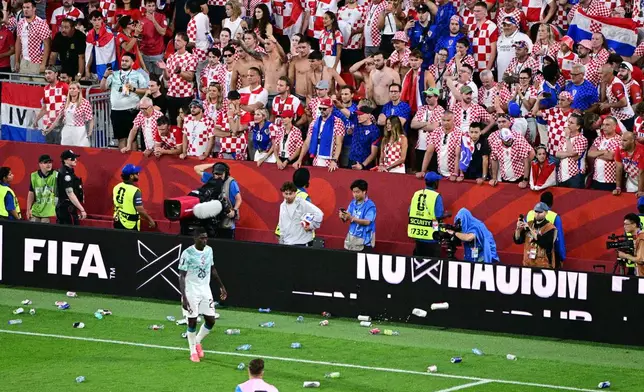
Croatia fans toss bottles and cans on the field after a Croatia goal was disallowed goal during the World Cup round of 32 soccer match between Portugal and Croatia in Toronto, Thursday, July 2, 2026. (Sammy Kogan/The Canadian Press via AP)
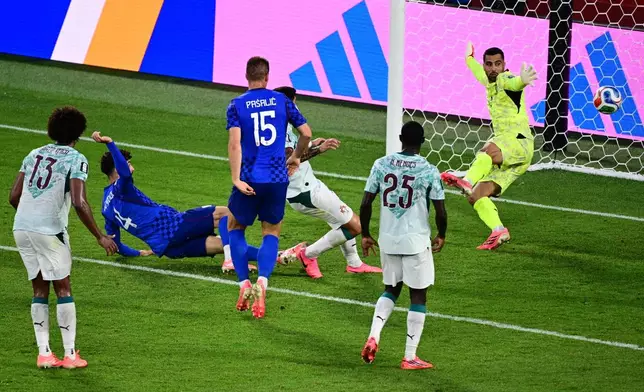
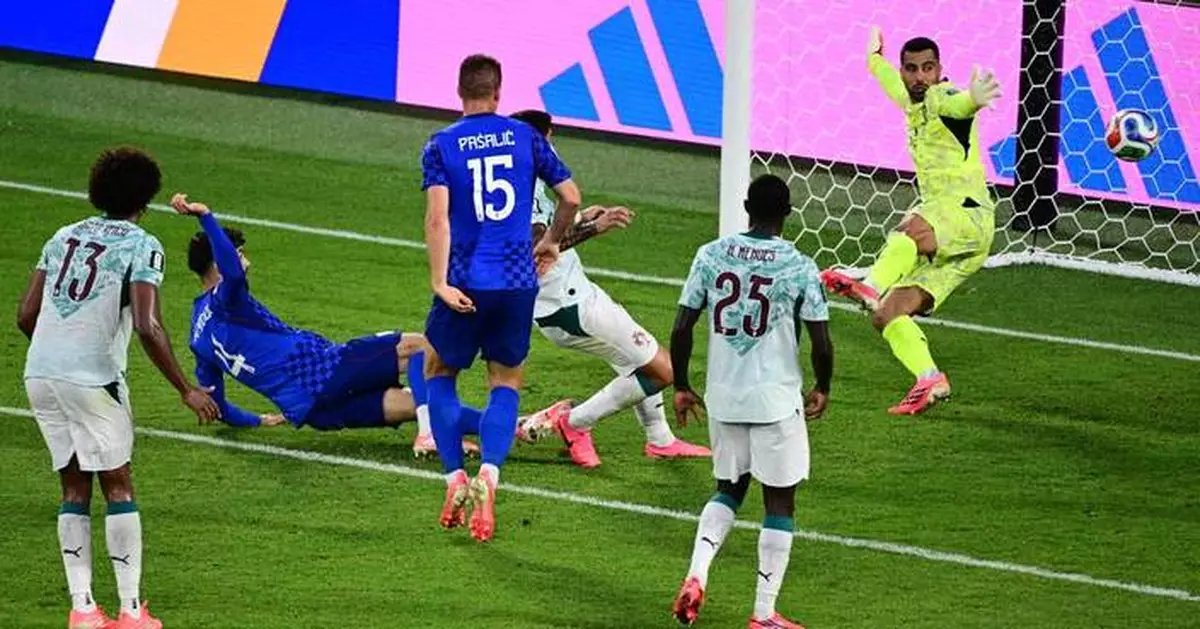
Croatia's Josko Gvardiol (4) scores a goal against Portugal goalkeeper Diego Costa (1) that was later taken back due to an offside call, during the second half of a World Cup round of 32 soccer match, in Toronto on Thursday, July 2, 2026. (Sammy Kogan/The Canadian Press via AP)
That doesn't even begin to tell the story of the most dramatic of clashes that relentlessly swung back and forth and ended in the cruelest way for Croatia when Josko Gvardiol's would-be game-saving equalizer 13 minutes into added time was ruled out for offside after video review.
Croatia legend Luka Modrić, age 40 and likely playing for the last time at a World Cup, looked crestfallen at the final whistle.
The 41-year-old Cristiano Ronaldo lives to fight another day and couldn't hide his relief when just moments earlier he stood helplessly on the sidelines in anguish, believing Portugal had blown it.
Here's how it all happened:
After 90 minutes of play, the electronic board signaled 10 minutes of added time, and it was difficult to imagine at that point just how much drama would be packed into the coming minutes.
At the 94-minute mark, Rafael Leao sends a curling cross, and substitute Gonçalo Ramos rises highest to meet it, powering a header beyond the dive of the Croatian goalkeeper.
Cue wild celebrations from Portugal’s players. They now had to just ride out the final minutes and advance to the next round.
As the clock ticks into the 103rd minute, Croatia knows it is nearly out of time.
From the left wing, Ivan Perisic hits a right-footed, in-swinging cross into the box.
Igor Mantanovic makes the slightest of glances with his head — and this is crucial — to flick the ball on. It bounces off the thigh of Mario Palasic and rolls across the face of goal.
Gvardiol lunges and sends the ball crashing into the back of the net.
Now it’s time for Croatia’s players and fans to go crazy. Ronaldo, meanwhile, shakes his head in disbelief.
But wait ...
While celebrations are ongoing, replays show Palasic was in an offside position when the ball came to him. However, it hit Portugal defender Renato Veiga on the way, which raises the possibility of him being onside because a Portugal player made the last touch.
VAR quickly starts to review the footage. Croatia’s hopes lie in the hands of the video assistants.
Portugal’s staff, meanwhile, have seen replays on the sideline and are convinced it's offside.
The crucial question is whether Mantanovic actually made contact with the ball before it hit Veiga.
This is because Palasic was standing in an offside position when a Croatia player last played the ball forward.
Sensors inside the World Cup ball can detect the slightest of touches and Eskås was instructed to go to the sideline monitor where he confirmed contact by Mantanovic.
“Croatia player number 20 touched the ball ... final decision: offside,” he announced over the stadium speaker system.
Portugal’s players cheered as if they’d scored a goal. There were tears in the eyes of Croatia players. Perisic dropped to his knees. Modrić threw his hands in the air.
In fury, Croatia fans threw bottles onto the field, delaying the restart by a couple of minutes.
There was nothing to separate the teams after a first half that failed to catch fire, but that all changed after halftime with Perisic firing Croatia in front in the 53rd minute.
Leao almost leveled for Portugal with a long-range curling shot that came back off the bar. Ronaldo then thinks he has scored for the first time in a World Cup knockout game, but his is ruled out for marginal offside, something that would become a theme of the match.
Portugal coach Roberto Martinez makes four substitutions at once in an attempt to turn the game. Crucially, he keeps Ronaldo on despite the veteran forward's struggles to make an impact.
From a Portugal corner, giant defender Veiga tumbles to the ground under the challenge of Nikola Vlasic for a penalty. Ronaldo steps up to fire down the middle of the goal, level the game and finally score in the knockout round of the World Cup.
Croatia, which reached the final and the semifinals of the last two World Cups, has a slew of chances. Portugal keeper Diogo Costa blocks Matteo Kovacic's long-range shot and then stops another effort from the same player. He then makes a sprawling save to block Igor Matanovic from close range.
Petar Sucic does beat Costa, but his celebrations are cut short by the offside flag.
In the 81st, Portugal made another change, taking off Ronaldo for what could have been the last appearance at the World Cup.
At some point after leaving the contest, Ronaldo donned a jersey of Diogo Jota, the former teammate who died in a car crash exactly one year ago. He and his teammates basked in the emotion of the win and thought of their dear friend.
Meanwhile, Croatian coach Zlatko Dalić was left wondering what could have been, and he had some harsh words for the video replay rules and decisions.
“All these decisions take the joy out of football. I’m not saying VAR can’t sometimes be of help, but it kills the emotion of the game. It kills everything within you. It kills what you are experiencing in the moment. Football should be fair. We’ve gone too far about VAR.”
James Robson is at https://x.com/jamesalanrobson
See more of AP’s World Cup coverage here
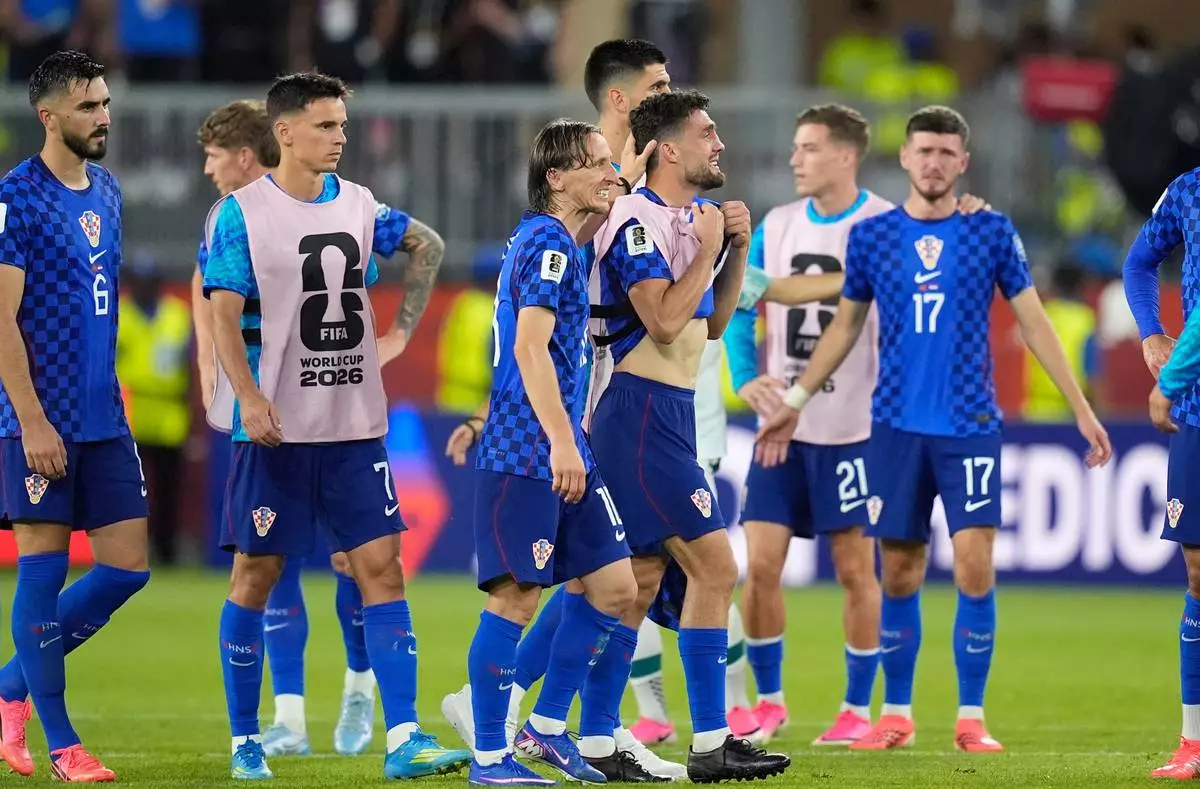
Croatia's Luka Modric (10) consoles Croatia's Mateo Kovacic (8) after a loss during the World Cup round of 32 soccer match between Portugal and Croatia in Toronto, Thursday, July 2, 2026. (AP Photo/Mike Stewart)
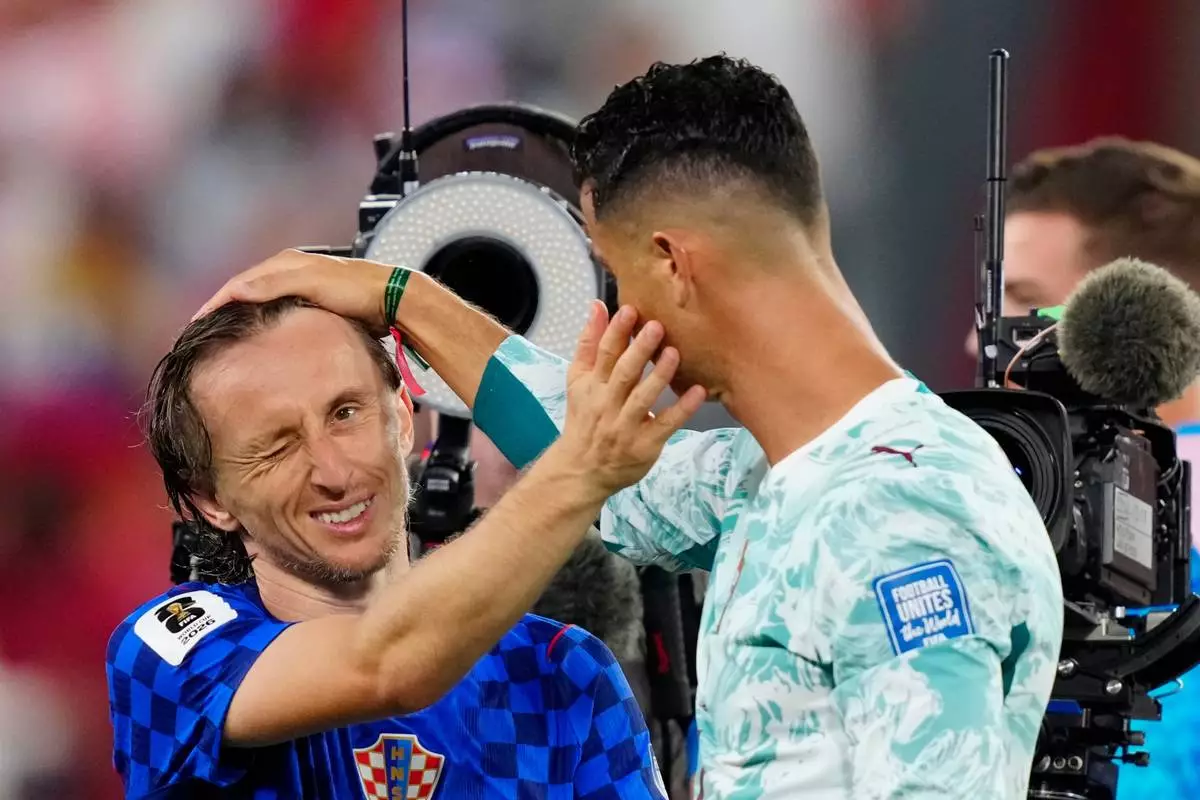
Croatia's Luka Modric (10) and Portugal's Cristiano Ronaldo (7) greet each other after the World Cup round of 32 soccer match between Portugal and Croatia in Toronto, Thursday, July 2, 2026. (Frank Gunn/The Canadian Press via AP)
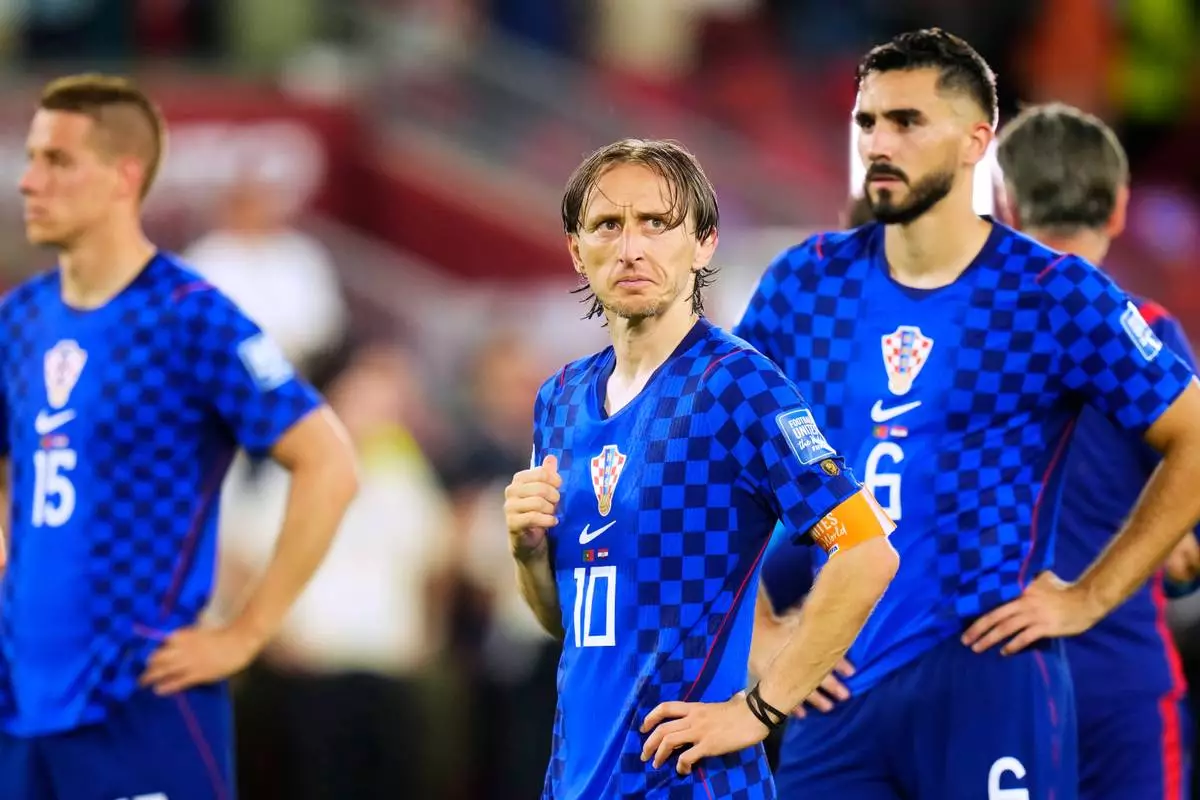
Croatia's Luka Modric (10) reacts after losing to Portugal in the World Cup round of 32 soccer match between Portugal and Croatia in Toronto, Thursday, July 2, 2026. (Chris Young/The Canadian Press via AP)
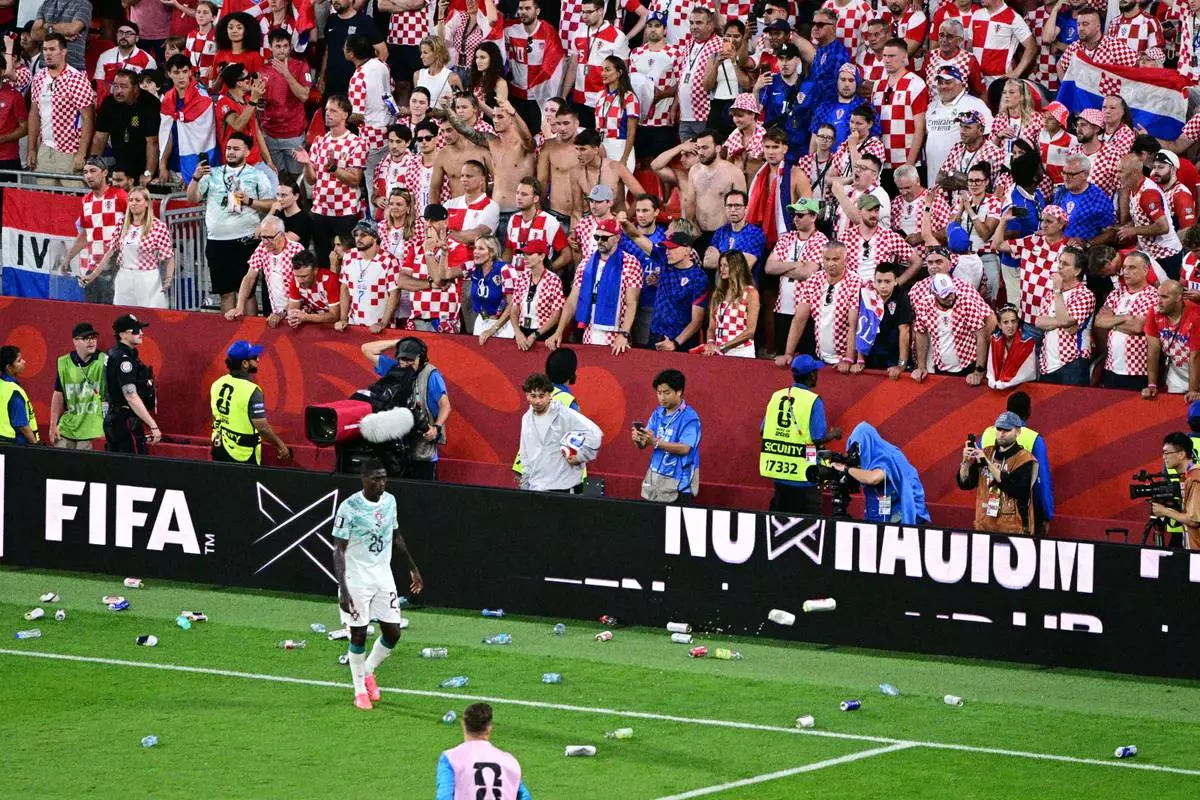
Croatia fans toss bottles and cans on the field after a Croatia goal was disallowed goal during the World Cup round of 32 soccer match between Portugal and Croatia in Toronto, Thursday, July 2, 2026. (Sammy Kogan/The Canadian Press via AP)
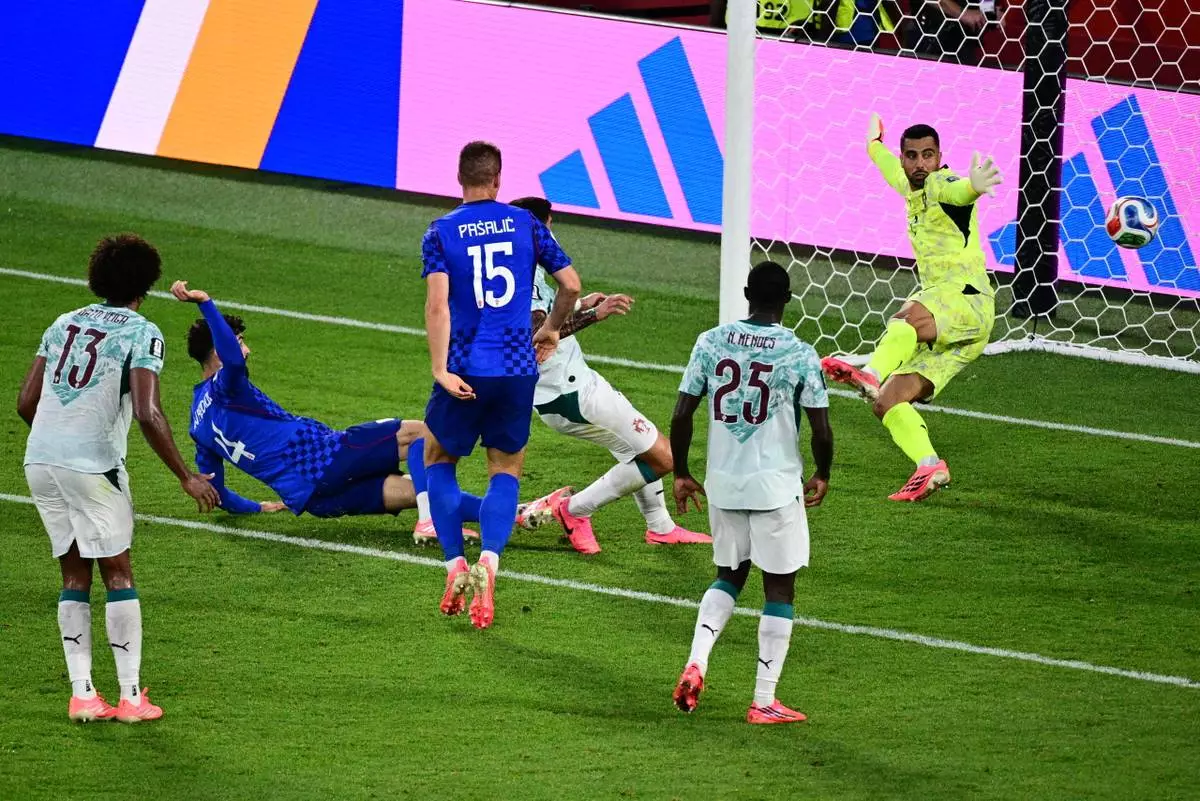
Croatia's Josko Gvardiol (4) scores a goal against Portugal goalkeeper Diego Costa (1) that was later taken back due to an offside call, during the second half of a World Cup round of 32 soccer match, in Toronto on Thursday, July 2, 2026. (Sammy Kogan/The Canadian Press via AP)