Rescuers and firefighters braved heavy rainfall to rescue people stranded in flooded areas of south China's Guangxi Zhuang Autonomous Region on Tuesday and north China's Inner Mongolia Autonomous Region on Monday.
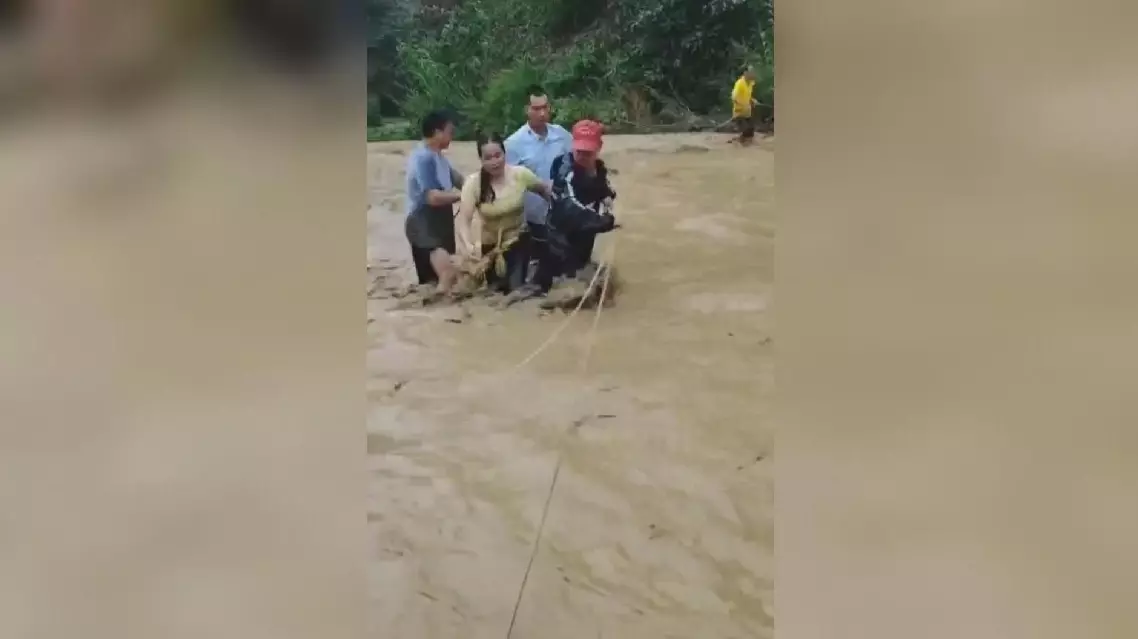
In Tian'e County, Guangxi, a sudden rainstorm battered a village, leaving a couple stranded after they crossed a river to check on their farmland.
Local villagers launched a rescue operation soon after learning the couple had become trapped in floodwater.
Rescuers managed to set up a rope across the river, with its ends fastened to trees on both banks. Escorted by the rescuers, the couple successfully waded through deep water and were evacuated to safety.
In Xinghe County, Inner Mongolia Autonomous Region, a vehicle was swept into a river while attempting to cross a flooded bridge. The vehicle became partially submerged and tilted in the water, forcing the driver to climb onto its roof and wait for rescue.
Firefighters used a rope to deliver a life jacket and helmet to the stranded driver before pulling him safely back to shore.
Rescuers brave heavy rain to evacuate flood-stranded residents in Guangxi, Inner Mongolia
Chinese authorities announced Friday that starting from January 1, 2027, the country will cancel the policies of halving the vehicle and vessel tax for energy-saving vehicles and exempting certain new energy vehicles (NEVs), including pure electric commercial vehicles, plug-in hybrid electric vehicles, and fuel cell commercial vehicles from the tax.
With the adjustment, taxpayers who have acquired or will acquire the above-mentioned vehicles will be required to pay the annual tax starting next year, according to the Ministry of Finance.
However, pure electric passenger vehicles and fuel cell passenger vehicles remain unaffected by this policy adjustment and will continue to be exempt from the tax, as the two categories do not fall within the taxable scope stipulated by the vehicle and vessel tax law.
The vehicle and vessel tax is a property tax levied annually on the owners or managers of vehicles and vessels. Provincial-level regions can set region-specific applicable tax amounts within a certain range of tax rates.
Since 2012, China has implemented preferential vehicle and vessel tax policies to support the growth of the NEV industry and promote energy conservation and emission reduction. In recent years, the sector has witnessed rapid growth, along with rising challenges brought about by the preferential treatment to tax equity and the regulatory role of tax.
Analysts believe that this policy adjustment will help promote tax equity and guide the sound development of the NEV industry.
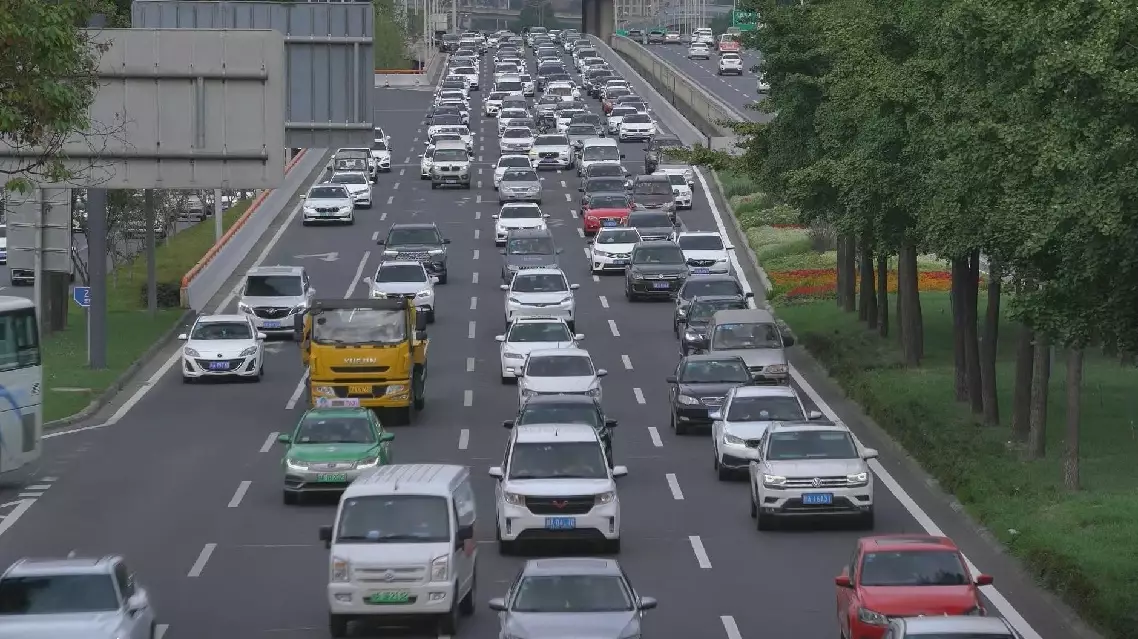
China to cancel vehicle and vessel tax preferential policy for energy-saving vehicles, NEVs