RIO DE JANEIRO (AP) — Brazil’s President Luiz Inácio Lula da Silva and his rival Sen. Flávio Bolsonaro clashed over U.S. tariffs this week, as both sought to discourage the Trump administration from following through with its proposal of applying taxes of 25% on Brazilian products despite an extensive U.S. trade surplus.
The two top candidates for October's presidential election traded barbs over their responses, suggesting that they believe how they are perceived as handling the deeply unpopular U.S. tariffs will be a key factor in the vote.
While Sen. Bolsonaro, son of former President Jair Bolsonaro, emphasized that the tariffs would strengthen Lula, Brazil’s government rebuked the argument that its trade policies are unreasonable, discriminatory or burdensome to U.S. commerce.
The Trump administration first imposed a 50% tariff on Brazilian imports last July, citing a “witch hunt” against Jair Bolsonaro, who was on trial at the time for attempting a coup despite his 2022 electoral defeat to Lula and was later convicted.
In his letter, U.S. President Donald Trump also accused Brazil of unfair trade practices and said he had directed U.S. Trade Representative Jamieson Greer to initiate an investigation, which led the office to charge Brazil with lax anti-corruption enforcement and unfair tariffs, among other things, in June. The U.S. has had a goods trade surplus with Brazil for years.
After relations between the two countries appeared to warm following meetings between Lula and Trump last year, the U.S. proposal to impose tariffs in June led to a renewed souring of relations, with Lula warning the U.S. leader against meddling in the country's elections.
The move prompted Lula to again defend Brazil's sovereignty, a discourse that last year struck a chord and gave Lula an unexpected boost of popularity.
Flávio Bolsonaro himself pointed to the impact on public opinion in the document he sent to the office of United States Trade Representative (USTR) on Wednesday.
“Brazilian public polling shows that the incumbent government’s electoral position has strengthened during precisely the periods when U.S. tariff pressure has been most salient,” he wrote in the document, which included graphs of the polls, adding that the proposed tariffs would hand the government a “political victory.”
Bolsonaro also said the findings of the USTR investigation can be “reaffirmed in full even as implementation is suspended,” suggesting that tariffs be postponed.
Lula called the document “yet another act of treason against the fatherland.”
Jair Bolsonaro's other son Eduardo, who lives in Texas, was convicted this year for illegally lobbying the U.S. government to threaten Brazilian officials to stop his father's trial.
“It is unacceptable that the Bolsonaro family, with its sellout policies, seeks to submit Brazil to the interests of the United States,” Lula said Thursday on X. “There has never been, nor is there, any justification for a tariff hike now or later.”
Three hours later, Flávio Bolsonaro said on X that Lula is the only “one who wants the tariff hike against Brazilian products” and announced he is returning to the U.S. next week to reinforce the demand that the additional tariffs not be applied.
In response to the USTR’s investigation, Lula’s government rejected, among other grievances, the argument that its PIX instant payment system unfairly disadvantaged competing electronic payment services. It said its practices are lawful, neutral and promote competition.
Lula and Flávio Bolsonaro have also clashed over the Trump administration’s decision to classify two of Brazil's main organized crime groups — First Command of the Capital, known as PCC, and Red Command — as terrorist organizations.
Sen. Bolsonaro supported the move, which some experts saw as a U.S. attempt to interfere in the election. Lula has argued the designation is inappropriate because the groups seek profit rather than political change.
Earlier this week, the U.S. announced sanctions targeting companies and individuals for their links to PCC and called it “the largest transnational criminal organization in the Western Hemisphere.”
Follow AP’s coverage of Latin America and the Caribbean at https://apnews.com/hub/latin-america
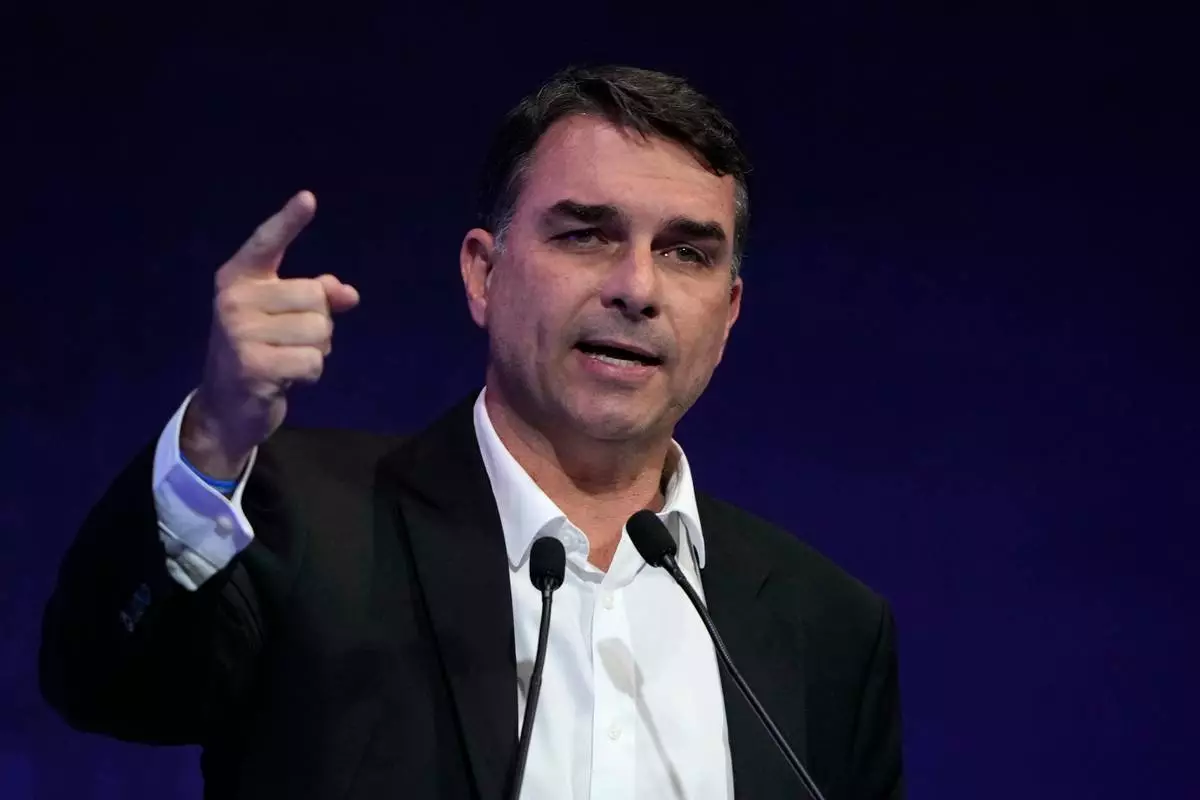
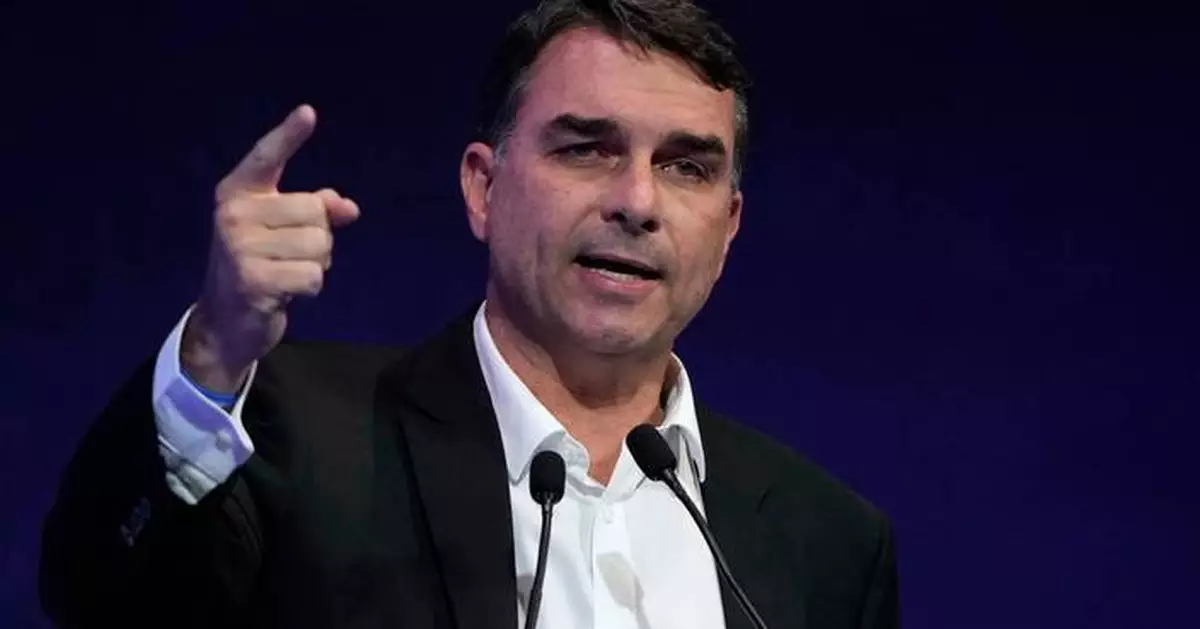
Presidential candidate Flavio Bolsonaro of the Liberal Party speaks at the "Brazil 2050: Industry on the presidential candidates agenda" event in Brasilia, Brazil, Monday, June 22, 2026. (AP Photo/Eraldo Peres)
BOGOTA, Colombia (AP) — Keiko Fujimori, a business-friendly conservative politician who campaigned on a tough-on-crime platform, on Friday was declared the winner of Peru’s presidential runoff election, making the South American nation the latest in Latin America to elect a right-wing leader.
Fujimori, 51, the daughter of late former President Alberto Fujimori, whose government defeated the Shining Path violent extremist group in the 1990s but also took an authoritarian turn, has pledged an aggressive crackdown on crime.
She has promised to build four new prisons, including a mega-prison modeled after El Salvador’s CECOT facility, militarize Peru’s borders to curb drug trafficking and deport migrants working in the country without legal residency.
Conservatives have won seven major presidential elections in Latin American in the past few years, most of the them since the January 2025 inauguration of U.S. President Donald Trump, in a winning streak propelled by concerns over crime, immigration and slow economic growth
Here is a look at the Latin American countries that have elected conservative presidents recently:
Trump-endorsed outsider Abelardo de la Espriella won Colombia’s presidential election in June by a narrow margin, defeating progressive lawmaker Iván Cepeda.
De la Espriella, who is nicknamed “The Tiger,” campaigned on a tough-on-crime approach, which includes proposals like canceling peace talks with Colombian rebel groups and building mega-prisons, like those in El Salvador. De la Espriella’s election marks a pivotal moment for Colombia, which was governed for the past four years by a former member of a rebel group, who was critical of the Trump administration’s immigration and anti-drug policies.
“The tiger” has promised to tackle extortion and drug trafficking. He was endorsed by Trump, who described the lawyer and business owner as the candidate who could restore law and order in Colombia.
Javier Milei, an economist and television commentator nicknamed “The Lion,” won Argentina’s presidential election in November 2023 by promising to slash government spending and tackle the South American nation’s decades-long inflation problem. The libertarian defeated the ruling Peronist movement.
During his tenure, Milei has stopped the nation’s central bank from printing money to finance the government deficit and has cut government spending by firing civil servants and halting investment in public infrastructure programs, while reducing subsidies for public utility bills.
Argentina’s inflation has fallen from 211% in 2023 to 32% in 2025. However, some have blamed Milei’s austerity policies for decreasing the living standards of many Argentines, including public sector workers.
Daniel Noboa, a member of one of Ecuador’s wealthiest families, was reelected to a four-year term in April 2025, winning the election with 56% of the vote. The conservative leader has given the military a more prominent role in providing security in coastal cities overrun by drug gangs fighting over the control of ports and drug trafficking routes.
But the strategy has not substantially reduced homicide rates. The government also has been criticized for human rights abuses, such as extrajudicial executions.
Under Noboa’s watch, Ecuador’s military has started to conduct joint operations against drug traffickers with the U.S. Noboa also pushed for the reopening of a U.S. military base in Ecuador, but the proposal was struck down in a referendum last year.
Nasry Asfura, a real estate investor and former city mayor of the National Party narrowly won the presidential election in Honduras in November, defeating his closest rival by less than a percentage point.
Asfura, who belongs to the same party as former President Juan Orlando Hernández who was pardoned by Trump for a drug trafficking conviction, was endorsed by the U.S. president, who threatened to cut off aid to the small Central American country if Asfura was not elected. Under Asfura’s administration, Honduras has received dozens of deportees from third countries through an agreement that was signed with the U.S. in early 2025, most of them Guatemalan nationals.
In December, José Antonio Kast, a conservative and a devout Catholic, won Chile’s presidential election with 58% of the vote, defeating a progressive government that had been in power for the previous four years.
In his campaigns, Kast capitalized on fears over increasing crime rates in Chile and said he would expel migrants from countries like Venezuela and Haiti that had been working in Chile without residency permits. One of his first moves after taking office has been to expand a trench along Chile’s borders with Peru and Bolivia in a bid, his government says, to stop drug trafficking and migration.
Kast’s government has recently faced protests over increasing unemployment and budget cuts that have affected public servants.
Laura Fernández, an economy minister under conservative ex-President Rodrigo Chaves, won Costa Rica’s election in February with 48% of the vote, defeating her closest rival by 15 percentage points and surpassing the 40% of votes needed to avoid a runoff election.
During her campaign, Fernández proposed tough-on-crime measures, including a state of exception that would enable police to arrest suspects without warrants, and said she would build a mega prison modeled after El Salvador’s notorious CECOT penitentiary.
Fernández’s government has received several flights with migrants from third countries deported by the U.S. as she complies with an agreement that was signed by her predecessor last year. In June, one of these flights had migrants from China, Vietnam, Colombia and Azerbaijan.
Follow AP’s Latin America coverage at https://apnews.com/hub/latin-america

Presidential candidate Abelardo de la Espriella, center, surrounded by screens, speaks to supporters from inside a bulletproof booth during a campaign rally in Buga, Colombia, Sunday, June 14, 2026. (AP Photo/Santiago Saldarriaga)
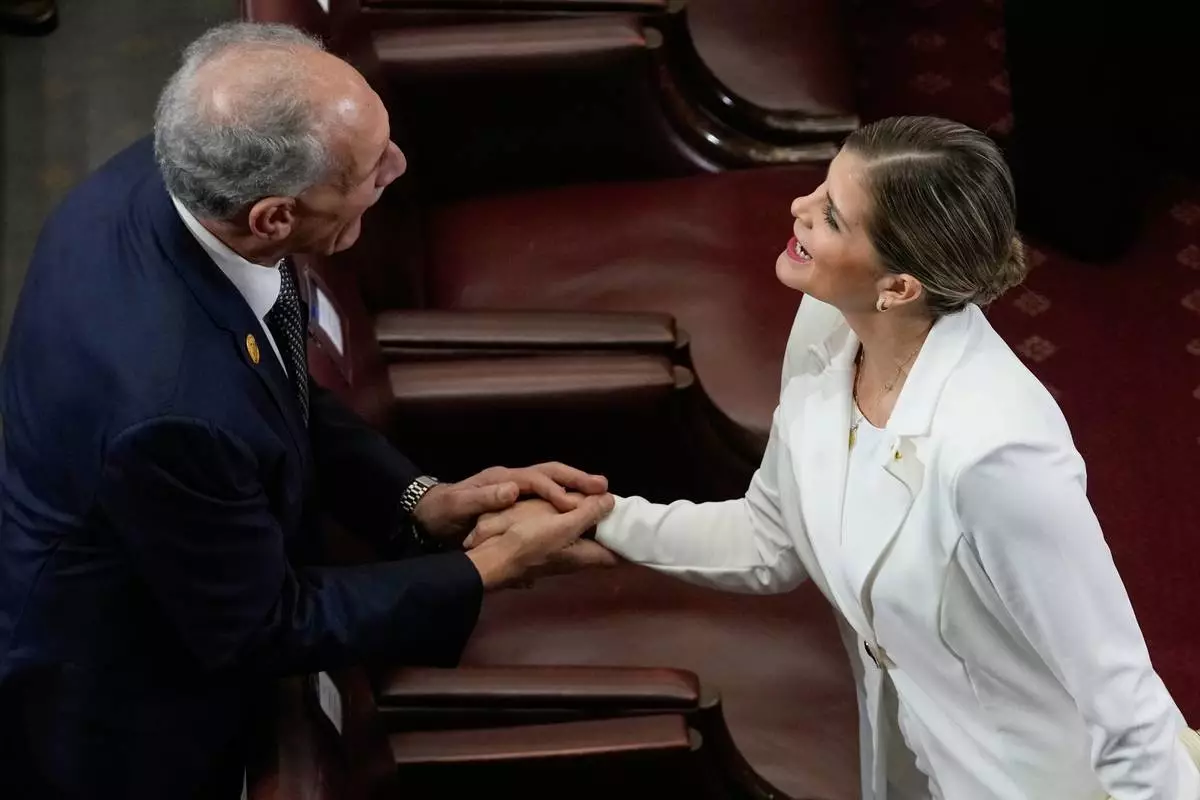
FILE - Honduran President Nasry Asfura, left, and Costa Rica President-elect Laura Fernandez shake hands during the inauguration ceremony of Chile's President Jose Antonio Kast, in Valparaiso, Chile, March 11, 2026. (AP Photo/Esteban Felix, File)
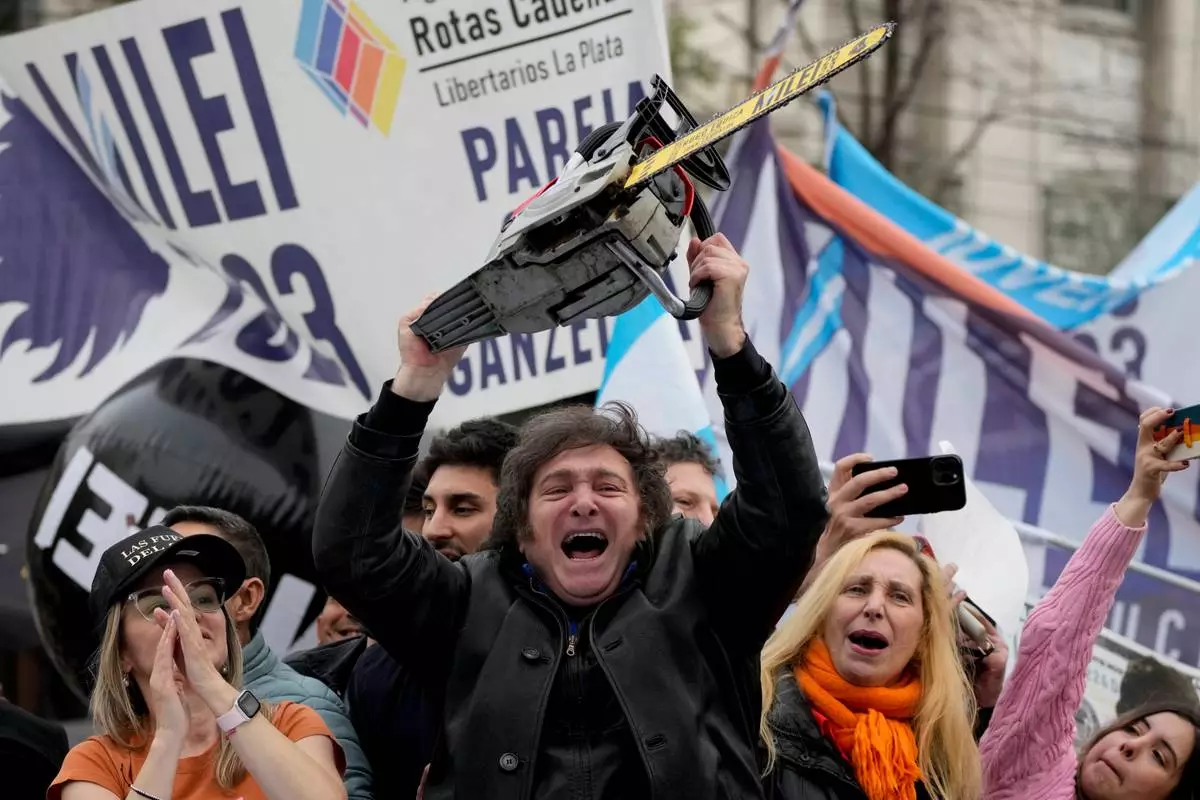
FILE - Presidential hopeful of the Liberty Advances coalition Javier Milei brandishes a chainsaw during a rally in La Plata, Argentina, Sept. 12, 2023.(AP Photo/Natacha Pisarenko, File)
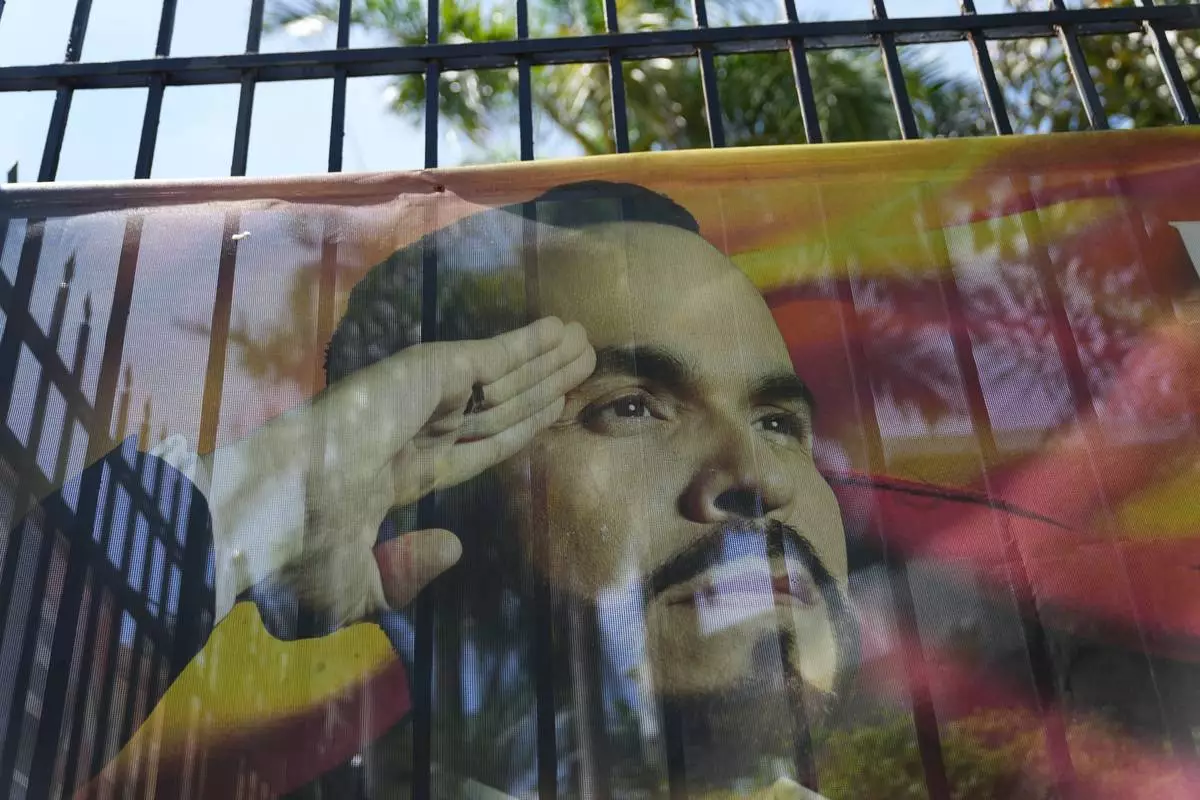
A campaign banner of presidential candidate Abelardo de la Espriella hangs outside his party's headquarters in Barranquilla, Colombia, Monday, June 22, 2026, the day after the presidential election runoff. (AP Photo/Rodrigo Abd)
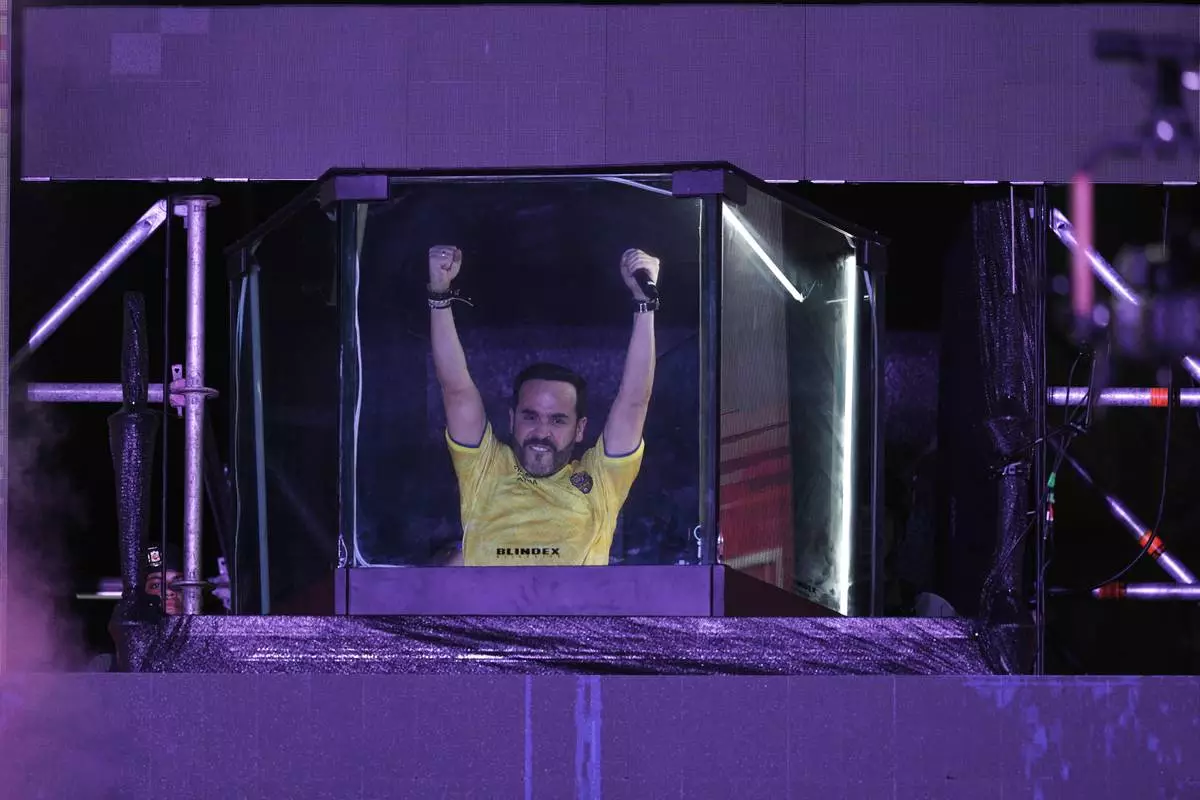
Presidential candidate Abelardo de la Espriella of the opposition Defenders of the Motherland movement addresses supporters at a celebration rally after runoff election results showed him leading in Barranquilla, Colombia, Sunday, June 21, 2026. (AP Photo/Ivan Valencia)