South African Deputy President Paul Mashatile said China's rapid development and strong execution offered useful lessons for South Africa as it works to accelerate the implementation of its own development plans.
Mashatile made the remarks in an exclusive interview with China Media Group (CMG) released on Friday, saying China's ability to translate planning into visible results had left a strong impression on him.
"China's been developing very fast. That's the thing that I've noticed since I came here that whatever plans they briefed me about, you can see that it's happening already. That's what we want to do ourselves, to make sure that all the plans that we have are implemented speedily. We talk a lot in South Africa about the speed of execution, and we are looking at how China does things here, how they formulate plans and how they implement them, how they've built new rail lines, new bridges, and so on, and within a particular time frame," Mashatile said.
He pointed to the Macao Special Administrative Region as one example of the changes he had seen in China over the past two decades.
"For instance, when I visited China in the early 2000s, and I went to Macao, there was no bridge. I went there by boat, but now there's a bridge. So it's quite clear that China follows up on their ideas and plans, and that, for me, is very impressive. I've seen it happening, and that's the part that South Africa is taking [note of]," he said.
Mashatile was on a working visit to China from June 20 to 26, with stops in Beijing and Shenzhen, as the two countries sought to strengthen cooperation in trade, investment and industrial development.
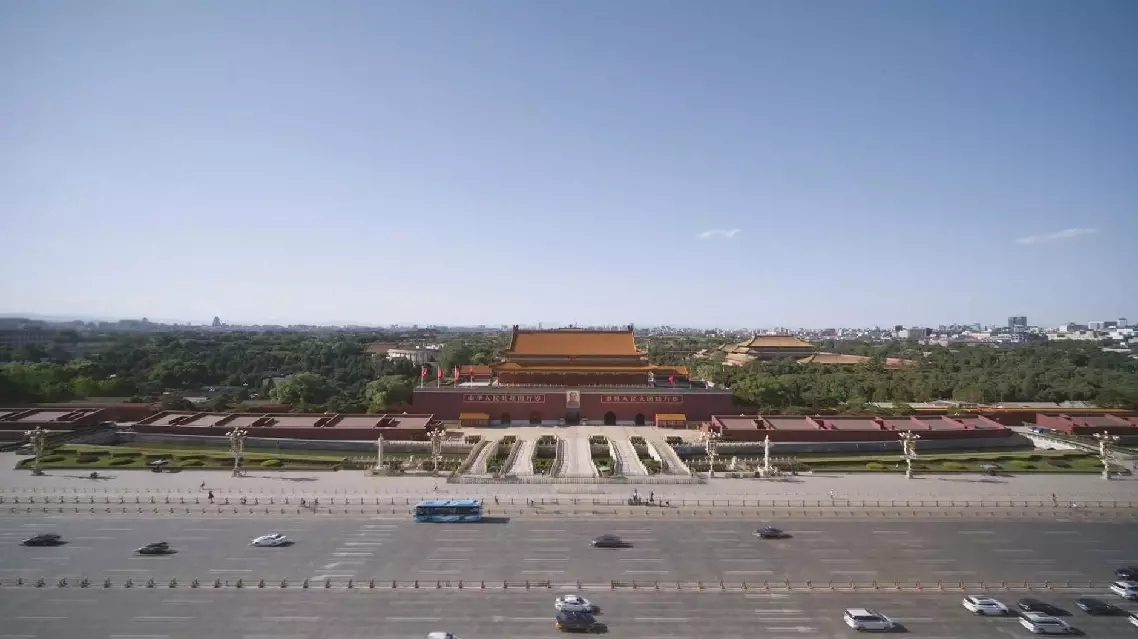
South Africa looks to China in executing plan: deputy president
The State Administration for Market Regulation and the Ministry of Commerce began soliciting public opinions on a draft amendment to China's e-commerce law on Saturday.
The draft amendment contains 20 provisions, including those aimed at broadening the law's regulatory scope.
In addition to platforms and in-platform merchants, it will further clarify the rights and obligations of other participants in the platform economy.
It highlights the need to improve the liability framework for platforms, calling for a wider range of regulatory tools and stronger support for routine oversight.
Targeting cross-sector operations in the platform economy, the draft amendment calls for stronger coordination among regulators. Measures include applying consistent oversight to both online and offline businesses and strengthening cross-department collaboration.
To tackle serious illegal practices in the e-commerce sector, the draft amendment will revise relevant provisions in response to public concerns.
It also proposes steps to deepen opening-up and cooperation in the sector by promoting alignment with international rules and standards, encouraging industry self-discipline and orderly overseas expansion, and adding measures to safeguard the legitimate rights and interests of companies.
The two authorities said that they will optimize the draft amendment in light of public feedback and work to advance the revision as soon as possible, providing a strong legal foundation for innovation and sound development in the platform economy.
Promoting innovation and sound development in the platform economy is a key task set out in the outline of China's 15th Five-Year Plan (2026-2030). The outline calls for stronger oversight of platform companies' data and algorithms, as well as their traffic and operating rules, while underscoring the need to foster mutually beneficial development among enterprises, merchants and workers.

China seeks public feedback on draft amendment to e-commerce law