Skip to Content Facebook Feature Image

Residents in eastern Congo cling to hope as a new Ebola treatment trial begins

News

Residents in eastern Congo cling to hope as a new Ebola treatment trial begins
News

News

Residents in eastern Congo cling to hope as a new Ebola treatment trial begins

2026-07-05 13:11 Last Updated At:13:20

BUNIA, Congo (AP) — Residents at the epicenter of Congo’s Ebola outbreak are pinning their hopes on experimental treatments after researchers began a highly anticipated study in early July of two possible Ebola treatments in hopes of fighting the still-growing outbreak.

At the Ebola treatment center inside Bunia's Evangelical Medical Center, in eastern Congo's Ituri province, the launch of the research was marked by urgency rather than ceremony on Thursday.

More Images
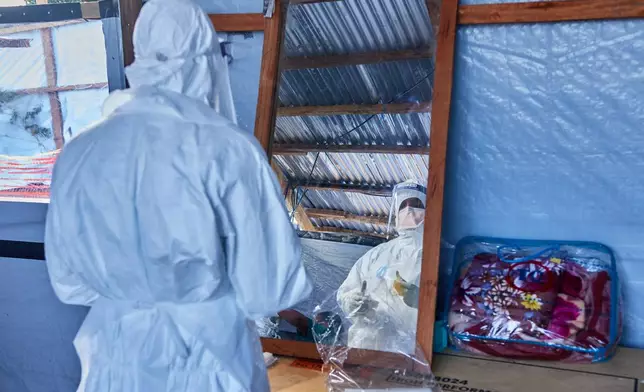
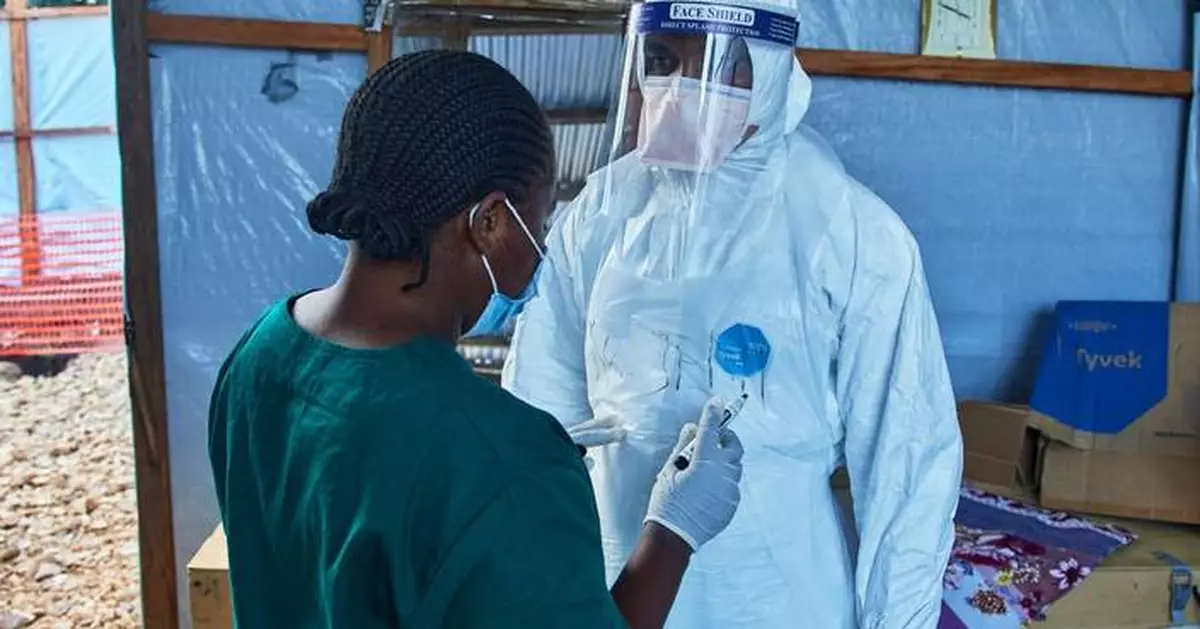
A view of a health worker at the Evangelical Medical Center, in Bunia, eastern Congo, Friday, July 3, 2026, where Ebola clinical trials are scheduled to take place. (AP Photo/Dirole Lotsima Dieudonne)
A view of a health worker at the Evangelical Medical Center, in Bunia, eastern Congo, Friday, July 3, 2026, where Ebola clinical trials are scheduled to take place. (AP Photo/Dirole Lotsima Dieudonne)
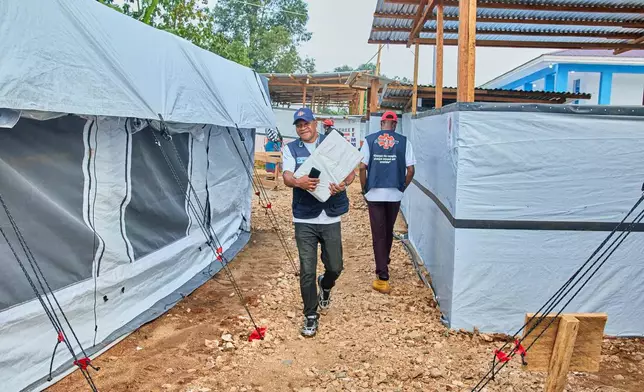
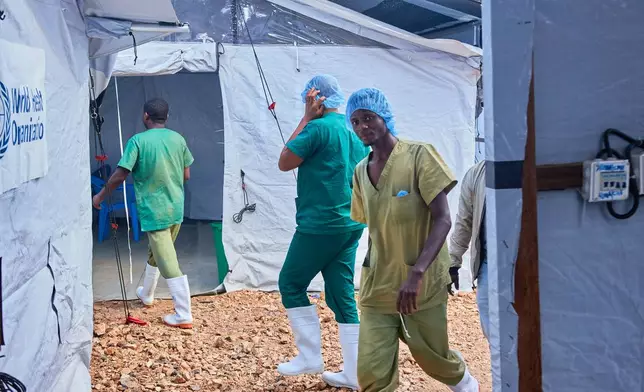
Health workers walk, at the Evangelical Medical Center, in Bunia, eastern Congo, Friday, July 3, 2026, where Ebola clinical trials are scheduled to take place. (AP Photo/Dirole Lotsima Dieudonne)
Health workers walk, at the Evangelical Medical Center, in Bunia, eastern Congo, Friday, July 3, 2026, where Ebola clinical trials are scheduled to take place. (AP Photo/Dirole Lotsima Dieudonne)

Health workers walk at the Evangelical Medical Center, in Bunia, eastern Congo, Friday, July 3, 2026, where Ebola clinical trials are scheduled to take place. (AP Photo/Dirole Lotsima Dieudonne)

Health workers walk at the Evangelical Medical Center, in Bunia, eastern Congo, Friday, July 3, 2026, where Ebola clinical trials are scheduled to take place. (AP Photo/Dirole Lotsima Dieudonne)

A view of health workers at the Evangelical Medical Center Bunia, eastern Congo, Friday, July 3, 2026, where Ebola clinical trials are scheduled to place, (AP Photo/Dirole Lotsima Dieudonne)
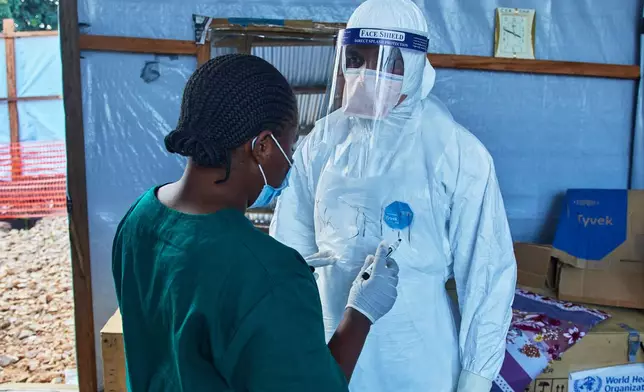
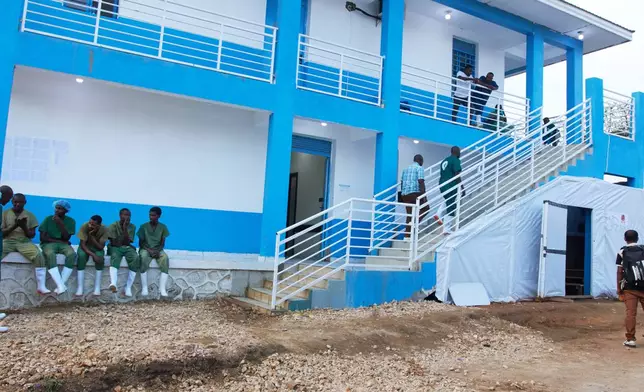
A view of health workers at the Evangelical Medical Center Bunia, eastern Congo, Friday, July 3, 2026, where Ebola clinical trials are scheduled to place, (AP Photo/Dirole Lotsima Dieudonne)

Health workers interact at the Evangelical Medical Center, in Bunia, eastern Congo, Friday, July 3, 2026, where Ebola clinical trials are scheduled to take place. (AP Photo/Dirole Lotsima Dieudonne)

Health workers interact at the Evangelical Medical Center, in Bunia, eastern Congo, Friday, July 3, 2026, where Ebola clinical trials are scheduled to take place. (AP Photo/Dirole Lotsima Dieudonne)

As ambulances continued arriving and healthcare workers disappeared behind layers of protective equipment into isolation wards, the research effort unfolded quietly alongside the daily struggle to keep patients alive.

The virus causing this outbreak, called Bundibugyo, is less common than others that cause Ebola disease and there are no specific treatments or vaccines for it. Already more than 1,400 people have been diagnosed and 438 have died, the head of the World Health Organization, Tedros Adhanom Ghebreyesus, said Thursday.

The WHO announced the same day that the first participant had been enrolled in the study, which is evaluating whether the antiviral remdesivir, the experimental antibody treatment MBP134, or a combination of both can improve survival among patients infected with the Bundibugyo virus.

Survival will be tracked for 28 days after starting treatment, according to WHO research adviser Dr. Vasee Moorthy.

The WHO-supported trial is a collaboration between Congo’s national biomedical research institute INRB, Britain’s Oxford University, Antwerp’s Institute of Tropical Medicine and other international health groups.

The current trial focuses on confirmed Ebola patients receiving treatment inside specialized treatment centers, said professor Yap Boum, head of emergency response at the Africa Centres for Disease Control and Prevention. A second phase of the trial will include healthcare workers, close contacts and others at high risk of infection, he added.

Professor Placide Mbala, coordinator of laboratory activities for the current outbreak, said the research could continue for between three and six months, depending on how quickly the outbreak evolves.

For many residents of Bunia, the beginning of the trial offers a rare source of encouragement after weeks of mounting fear.

Audrey Tengetenge, a Bunia resident, said the trials represent a “light at the end of the tunnel."

“I hope everything moves very quickly so that we can find relief. We want nothing more than an end to this very dangerous disease, which continues to bring us grief,” Tengetenge added.

Gladys Munguro, who survived Ebola and was discharged from an Ebola treatment center two weeks ago, said she watched fellow patients die while she was receiving care.

Now recovered, Munguro said she hopes the new treatments being tested will improve patients’ chances of survival and help bring the outbreak under control.

“This experimental phase is necessary for us,” Munguro told The Associated Press. “I will volunteer as soon as the next phase of the trials begins for high-risk individuals."

But researchers will have to overcome pockets of deep mistrust in the community.

Nelson Dhebi, a shopkeeper in Bunia, said that while he supports scientific research and hopes for a positive outcome, he is concerned that the treatments could cause deaths and thinks that others should be part of the trials. “Research should be carried out first and foremost on our elected representatives, as they are the ones who represent us,” he said.

Community mistrust is just one of the many challenges that have hindered the response to the outbreak. Overcrowded treatment centers in hard-hit areas, delays in people seeking care and insecurity restricting access to conflict-affected areas remain major obstacles.

Nearly three out of four Ebola deaths during this outbreak occur outside of health centers, Pierre Akilimali, incident manager at Congo’s National Institute of Public Health said Friday.

Currently, the study is being offered only at Bunia’s Evangelical Medical Centre in Ituri. The region has been hit hard by violence, including toward healthcare workers trying to fight the virus, which spreads by contact with sick patients’ bodily fluids.

Officials plan to expand the trials to other locations once it is safe to do so.

Banchereau reported from Dakar, Senegal. Constant Same Bagalwa in Bunia contributed to this report.

For more on Africa and development: https://apnews.com/hub/africa-pulse

The Associated Press receives financial support for global health and development coverage in Africa from the Gates Foundation. The AP is solely responsible for all content. Find AP’s standards for working with philanthropies, a list of supporters and funded coverage areas at AP.org.
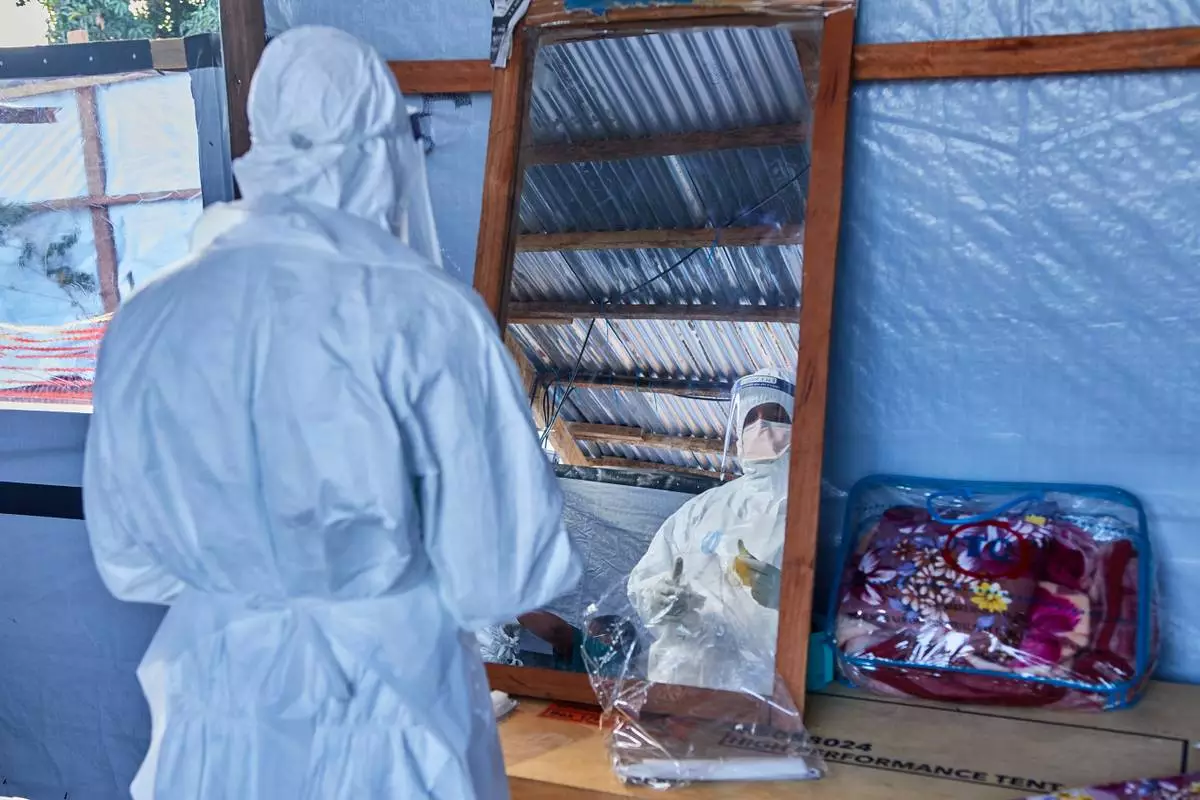
A view of a health worker at the Evangelical Medical Center, in Bunia, eastern Congo, Friday, July 3, 2026, where Ebola clinical trials are scheduled to take place. (AP Photo/Dirole Lotsima Dieudonne)
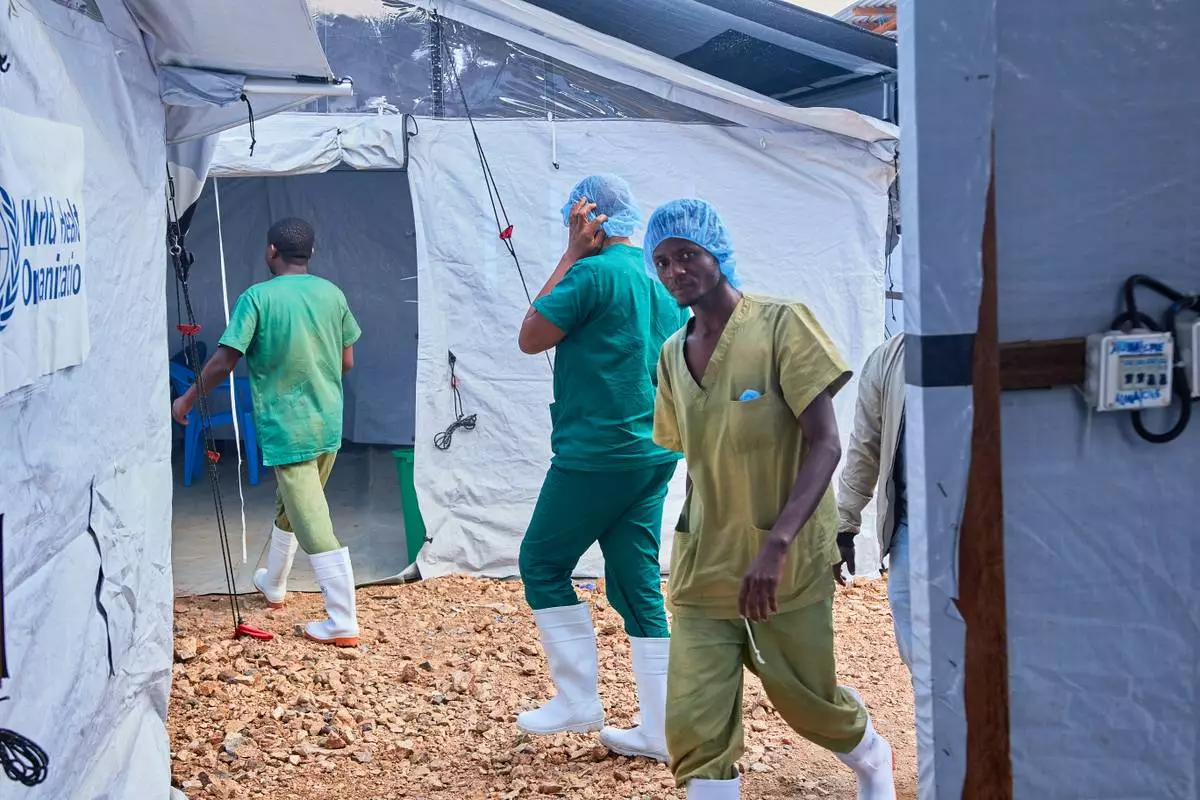
A view of a health worker at the Evangelical Medical Center, in Bunia, eastern Congo, Friday, July 3, 2026, where Ebola clinical trials are scheduled to take place. (AP Photo/Dirole Lotsima Dieudonne)
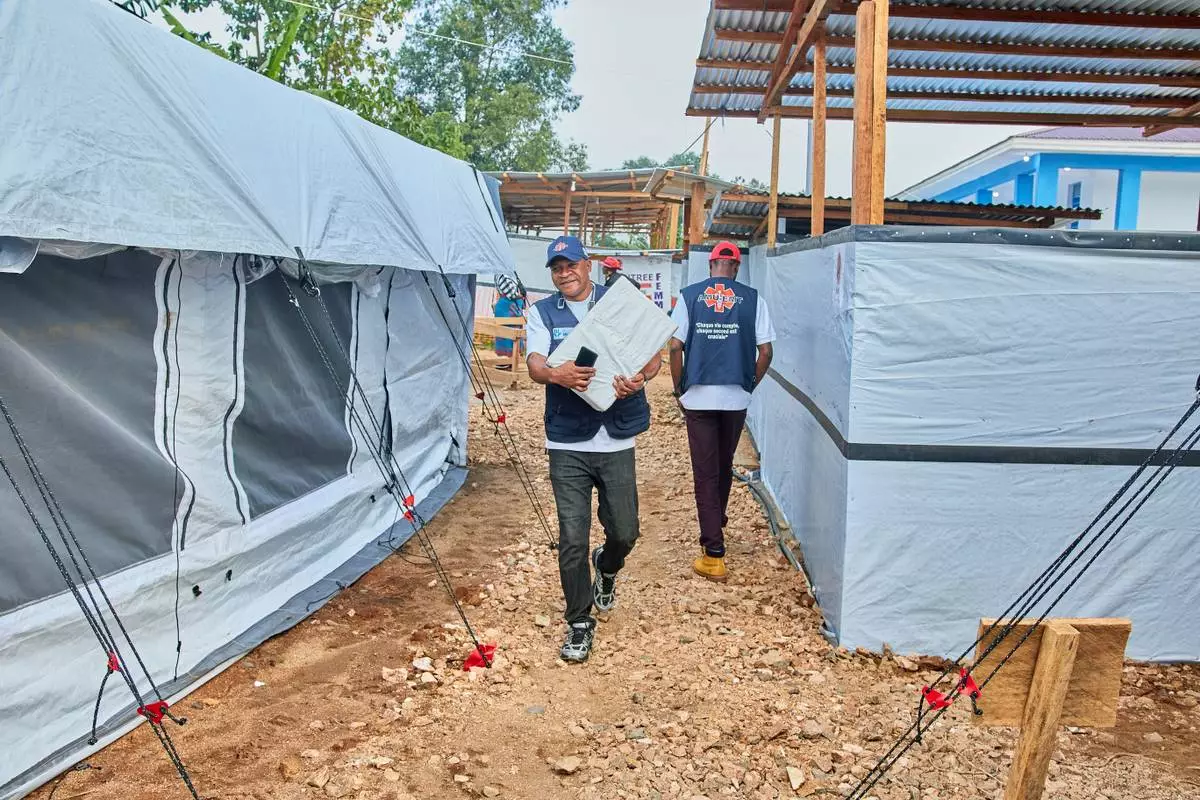
Health workers walk, at the Evangelical Medical Center, in Bunia, eastern Congo, Friday, July 3, 2026, where Ebola clinical trials are scheduled to take place. (AP Photo/Dirole Lotsima Dieudonne)
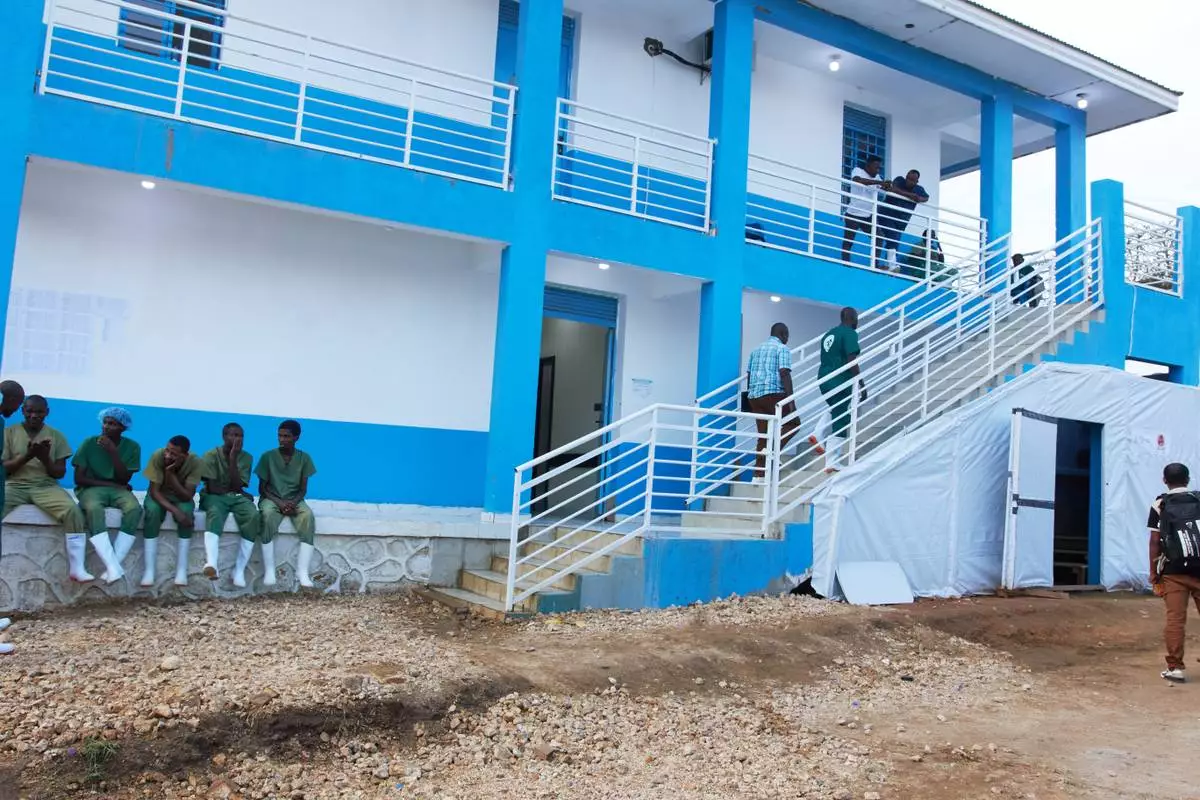
Health workers walk, at the Evangelical Medical Center, in Bunia, eastern Congo, Friday, July 3, 2026, where Ebola clinical trials are scheduled to take place. (AP Photo/Dirole Lotsima Dieudonne)

Health workers walk at the Evangelical Medical Center, in Bunia, eastern Congo, Friday, July 3, 2026, where Ebola clinical trials are scheduled to take place. (AP Photo/Dirole Lotsima Dieudonne)

Health workers walk at the Evangelical Medical Center, in Bunia, eastern Congo, Friday, July 3, 2026, where Ebola clinical trials are scheduled to take place. (AP Photo/Dirole Lotsima Dieudonne)

A view of health workers at the Evangelical Medical Center Bunia, eastern Congo, Friday, July 3, 2026, where Ebola clinical trials are scheduled to place, (AP Photo/Dirole Lotsima Dieudonne)
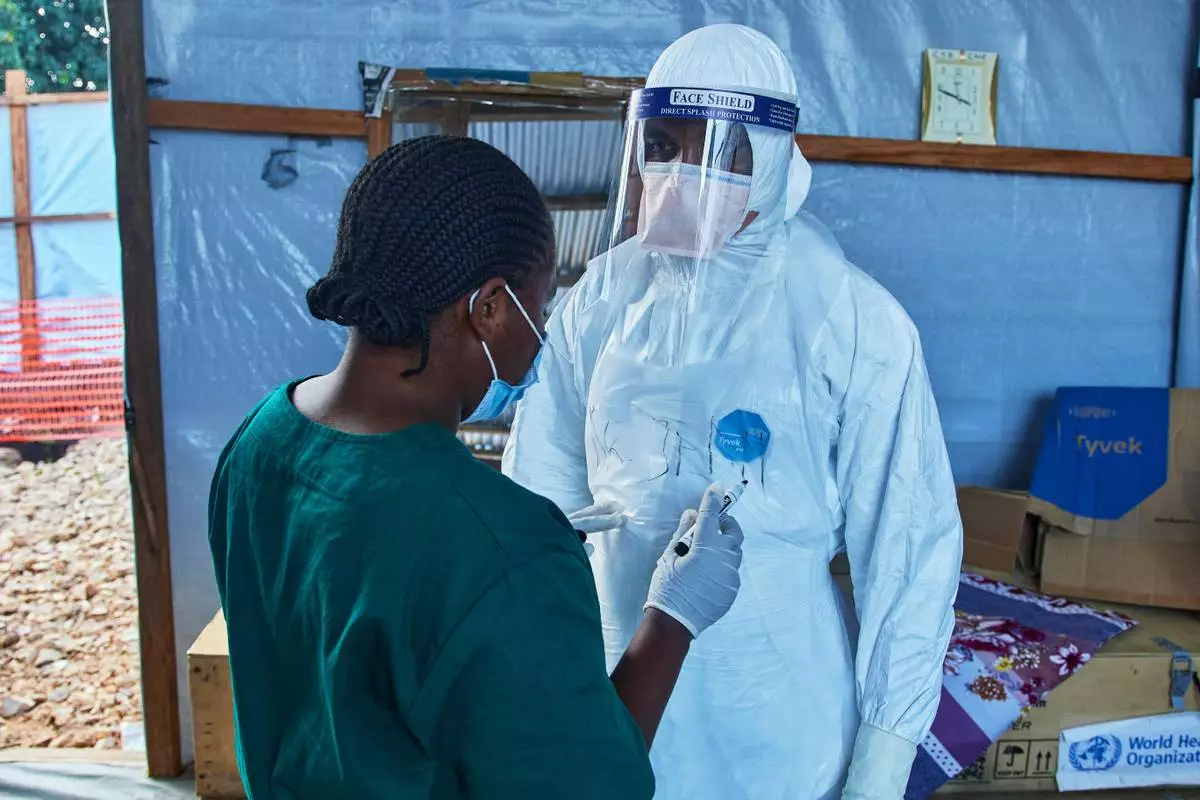
A view of health workers at the Evangelical Medical Center Bunia, eastern Congo, Friday, July 3, 2026, where Ebola clinical trials are scheduled to place, (AP Photo/Dirole Lotsima Dieudonne)

Health workers interact at the Evangelical Medical Center, in Bunia, eastern Congo, Friday, July 3, 2026, where Ebola clinical trials are scheduled to take place. (AP Photo/Dirole Lotsima Dieudonne)


Health workers interact at the Evangelical Medical Center, in Bunia, eastern Congo, Friday, July 3, 2026, where Ebola clinical trials are scheduled to take place. (AP Photo/Dirole Lotsima Dieudonne)
ANKARA, Turkey (AP) — Since he started work as NATO secretary-general almost two years ago, Mark Rutte has spent much of his time trying to keep the United States anchored to the world’s biggest military alliance, employing outright flattery to dissuade U.S. President Donald Trump from acting on threats to abandon it.

But the goalposts keep shifting, raising the stakes ahead of this week’s summit in Turkey.

Initially, it was about money. Trump has long railed against NATO allies for spending too small a fraction of their national budgets on defense. But those problems were addressed at their summit last year, when U.S. allies committed to invest as much as America, in gross domestic product terms.

NATO's real problem now is turning that money into military capabilities, particularly as European countries worry about a possible attack from Russia.

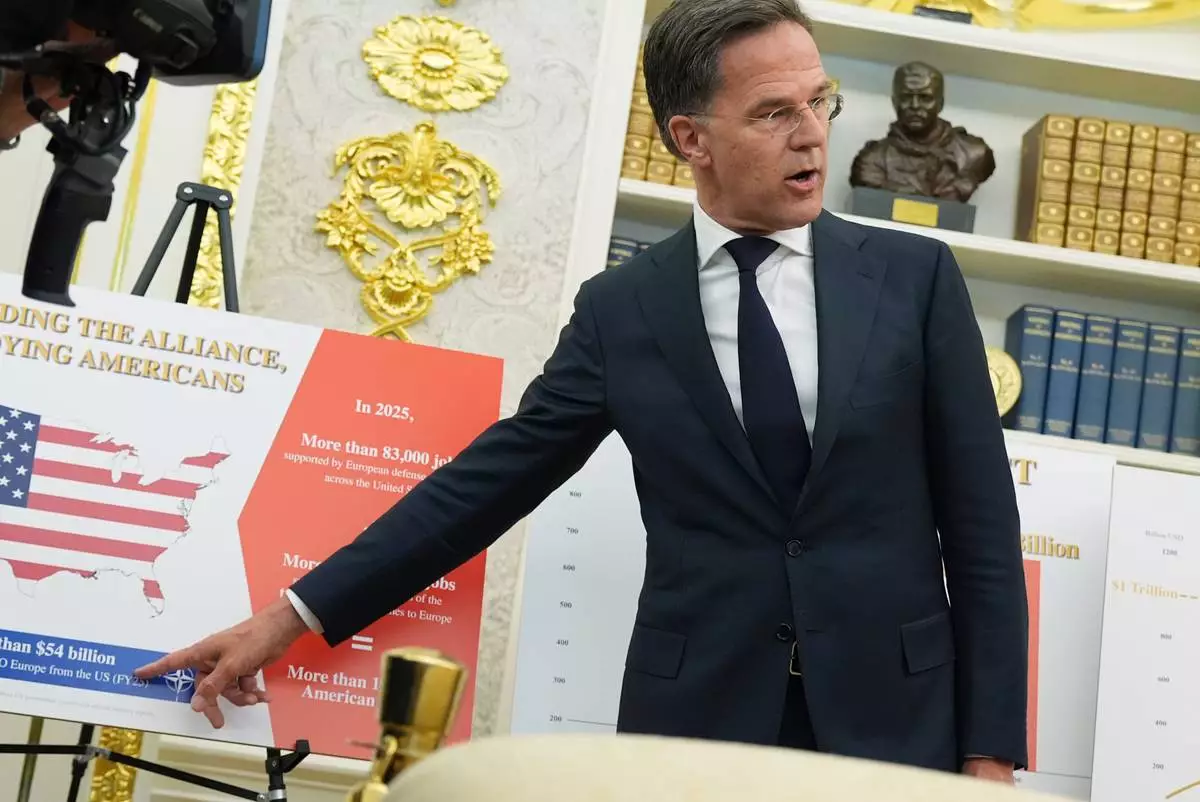
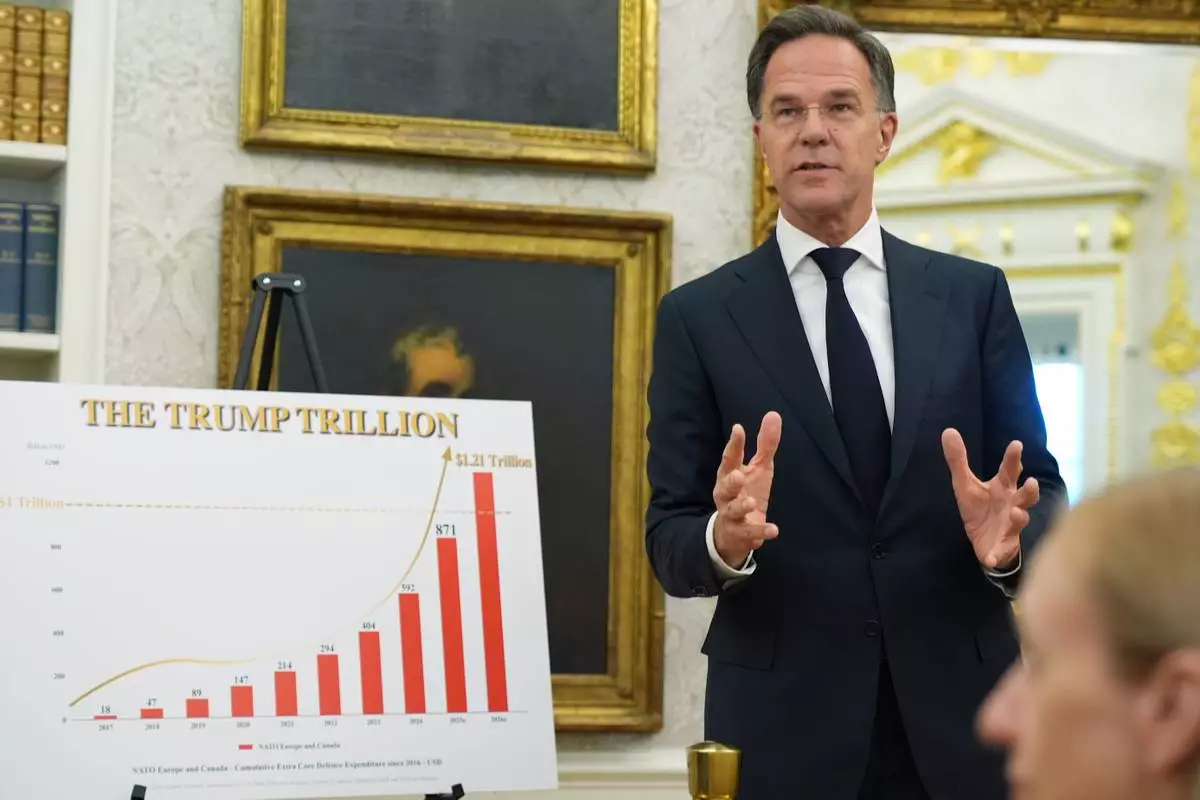
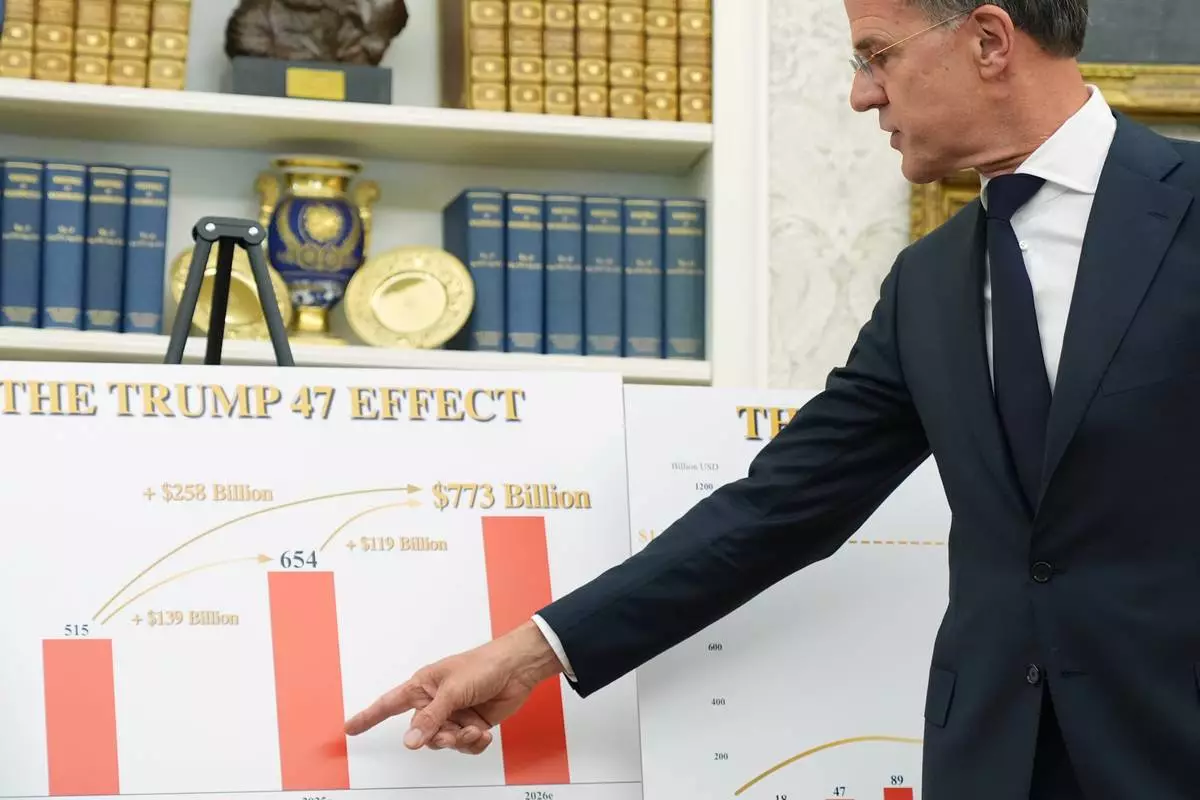
Still, Rutte tried to put to bed any lingering concerns at a White House meeting last month, with a new pitch using a chart labeled the “The Trump Trillion” in gold letters — showing $1.2 trillion in spending by European allies and Canada since 2017.

But Trump appeared unmoved, saying he was still disappointed at some NATO allies’ refusal to join the Iran war, which he had launched alongside Israel without consulting them.

“We don’t need their money — we don’t need anything,” Trump said. “I just want loyalty.”

Trump suggested he might have skipped the upcoming summit entirely were it not being hosted by Turkish President Recep Tayyip Erdogan. It’s a sign that even Erdogan and Rutte — foreign leaders Trump seems to hold in rare esteem — will have their work cut out for them in keeping the summit on track.

Historically, the prime tasks of NATO’s top civilian official — always a European, never an American — have been to encourage consensus in an organization that makes its decisions unanimously, and to speak on behalf of all 32 member countries.

But during both of Trump’s terms, Rutte and his predecessor at the helm of NATO, Jens Stoltenberg, have dedicated a huge amount of energy just to keep the United States inside their alliance.

Trump has threatened to leave NATO, dallied with pulling U.S. troops out of Europe and vowed to take over the island of Greenland — a semiautonomous part of ally Denmark. He has cast doubt over whether he would defend another member not spending enough on their military, eroding trust.

Rutte’s approach has been heavy on flattery. Last month’s carefully choreographed pitch in the Oval Office — with props redolent of an American flag — laid down a new marker, even for a man heavily criticized for likening Trump to a “daddy.”

The charts showed tens of thousands of U.S. jobs were being created and a backlog of $300 billion in European orders for military equipment — all thanks to the “leader of the free world,” Rutte said.

He pushed back, gently, on Trump’s complaints that NATO did not support the U.S. against Iran, noting that up to 5,000 U.S. planes took off from bases in Europe before an April ceasefire.

NATO cannot function without its biggest and most powerful ally. Europe is being pushed to fend for itself even as Russia, the historical reason for the alliance, poses a greater threat.

Last month, the Pentagon surprised its NATO allies by announcing that it was scaling back the number of troops, warships, aircraft and drones it would provide if one of them came under attack. Trump has also sent conflicting messages about whether U.S. troop numbers would be lowered or increased.

The cutbacks and mixed messaging has undermined unity at the alliance, just as Russia has been probing Europe's defenses with drone flights near military bases across multiple countries, according to a study released on Thursday.

Each summit is meant to showcase the commitment to collective security — the all-for-one, one-for-all pledge enshrined in Article 5 of NATO’s treaty. It’s only been invoked once, when allies came to America’s aid after the Sept. 11 attacks.

The last NATO summit was held in The Hague, the hometown of Rutte, a former Dutch prime minister. The Dutch royal family hosted dinner, and Trump stayed overnight at the king’s palace.

Rutte got the allies behind a major defense spending pledge, and Trump left a happy man, calling his NATO partners a “nice group of people.”

This year, the summit will be hosted by Erdogan, another key NATO member with an independent streak. His close ties to Trump may keep the American president at the table, but it’s unlikely to mend the rifts.

Rutte has tried to convince Trump that his European partners are spending so much more that America can safely turn its attention to security challenges posed by China while they handle the war in Ukraine.

But Trump wants more now, and his demand for “loyalty” is hard to capture on any chart.

Rutte’s predecessor, Stoltenberg, has written in his memoir about chairing a 2018 summit that Trump nearly upended.

“If an American president says he no longer wishes to defend the other allies and leaves a NATO summit in protest, then the NATO treaty and its security guarantee aren’t worth very much,” Stoltenberg wrote.

NATO Secretary General Mark Rutte prepares to deliver an address during the America 250 event in Brussels, Sunday, June 28, 2026. (AP Photo/Virginia Mayo)

NATO Secretary General Mark Rutte prepares to deliver an address during the America 250 event in Brussels, Sunday, June 28, 2026. (AP Photo/Virginia Mayo)

NATO Secretary General Mark Rutte speaks during a meeting with President Donald Trump in the Oval Office at the White House, Wednesday, June 24, 2026, in Washington. (AP Photo/Jacquelyn Martin)

NATO Secretary General Mark Rutte speaks during a meeting with President Donald Trump in the Oval Office at the White House, Wednesday, June 24, 2026, in Washington. (AP Photo/Jacquelyn Martin)

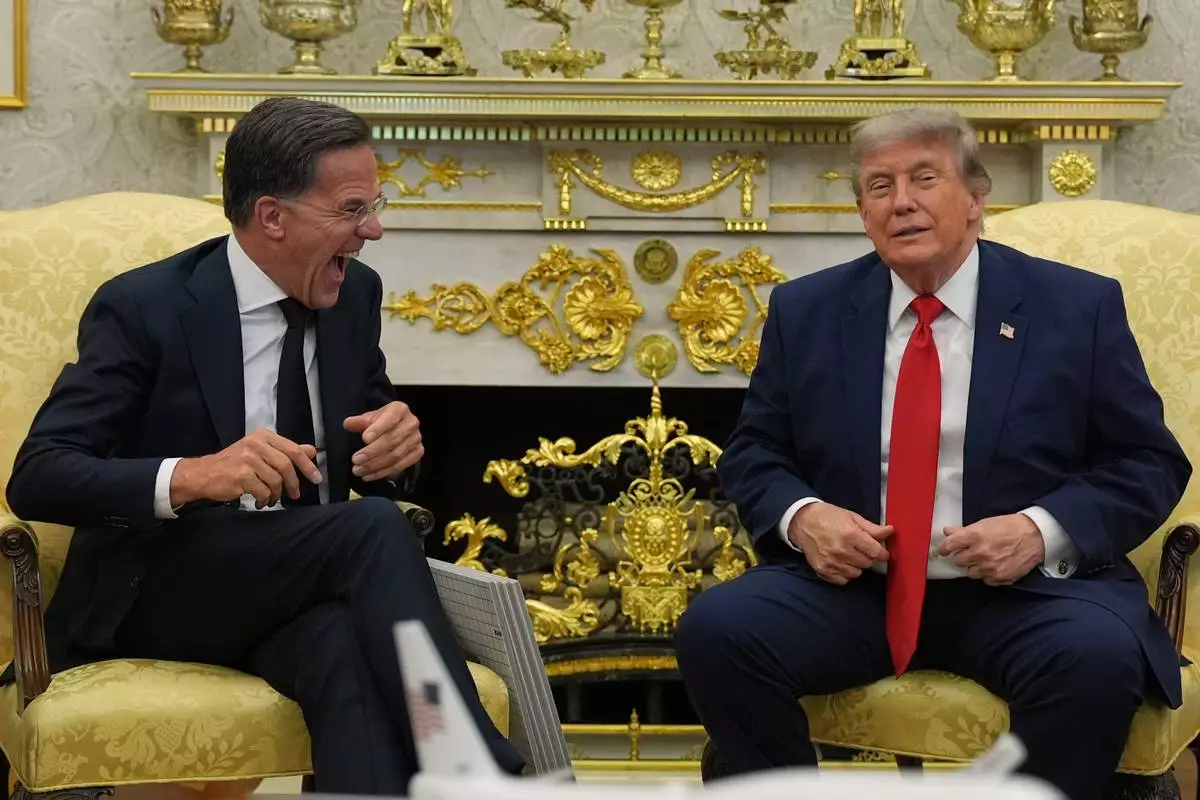
President Donald Trump listens as he meets with NATO Secretary General Mark Rutte in the Oval Office at the White House, Wednesday, June 24, 2026, in Washington. (AP Photo/Jacquelyn Martin)

President Donald Trump listens as he meets with NATO Secretary General Mark Rutte in the Oval Office at the White House, Wednesday, June 24, 2026, in Washington. (AP Photo/Jacquelyn Martin)

President Donald Trump meets with NATO Secretary General Mark Rutte in the Oval Office at the White House, Wednesday, June 24, 2026, in Washington. (AP Photo/Jacquelyn Martin)

President Donald Trump meets with NATO Secretary General Mark Rutte in the Oval Office at the White House, Wednesday, June 24, 2026, in Washington. (AP Photo/Jacquelyn Martin)

NATO Secretary General Mark Rutte speaks during a meeting with President Donald Trump in the Oval Office at the White House, Wednesday, June 24, 2026, in Washington. (AP Photo/Jacquelyn Martin)

NATO Secretary General Mark Rutte speaks during a meeting with President Donald Trump in the Oval Office at the White House, Wednesday, June 24, 2026, in Washington. (AP Photo/Jacquelyn Martin)

Recommended Articles