Skip to Content Facebook Feature Image

As East Africa’s oceans change, coastal women build new livelihoods

News

As East Africa’s oceans change, coastal women build new livelihoods
News

News

As East Africa’s oceans change, coastal women build new livelihoods

2026-07-06 13:32 Last Updated At:14:50

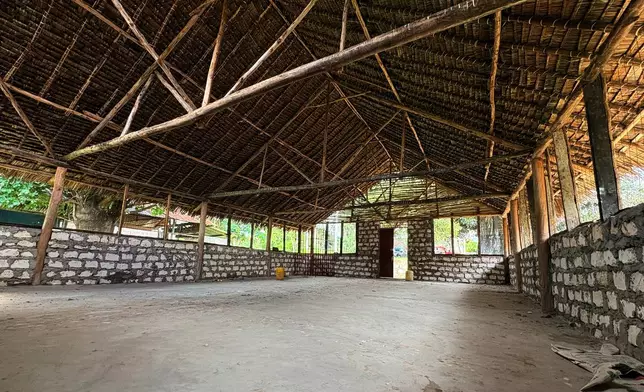
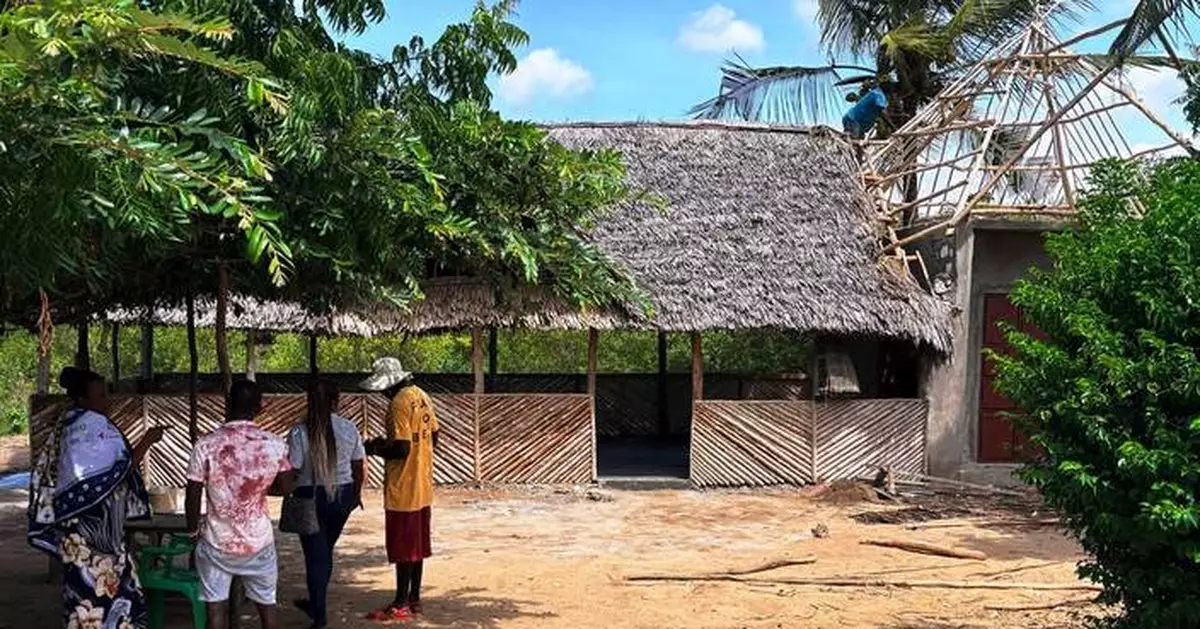
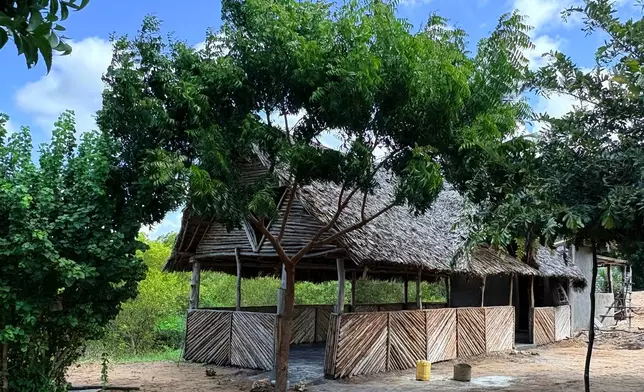
MALINDI, Kenya (AP) — The unfinished restaurant is still little more than concrete walls and wooden beams. As her daughter sweeps away the last piles of sand, 54-year-old Nuru Mohammed directs women hanging fishing nets to serve as décor. In a few days, the beachside restaurant on Kenya’s Indian Ocean coast will open, offering another way to earn a living.

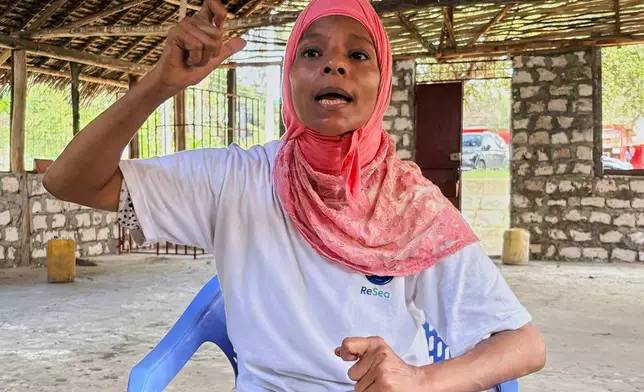
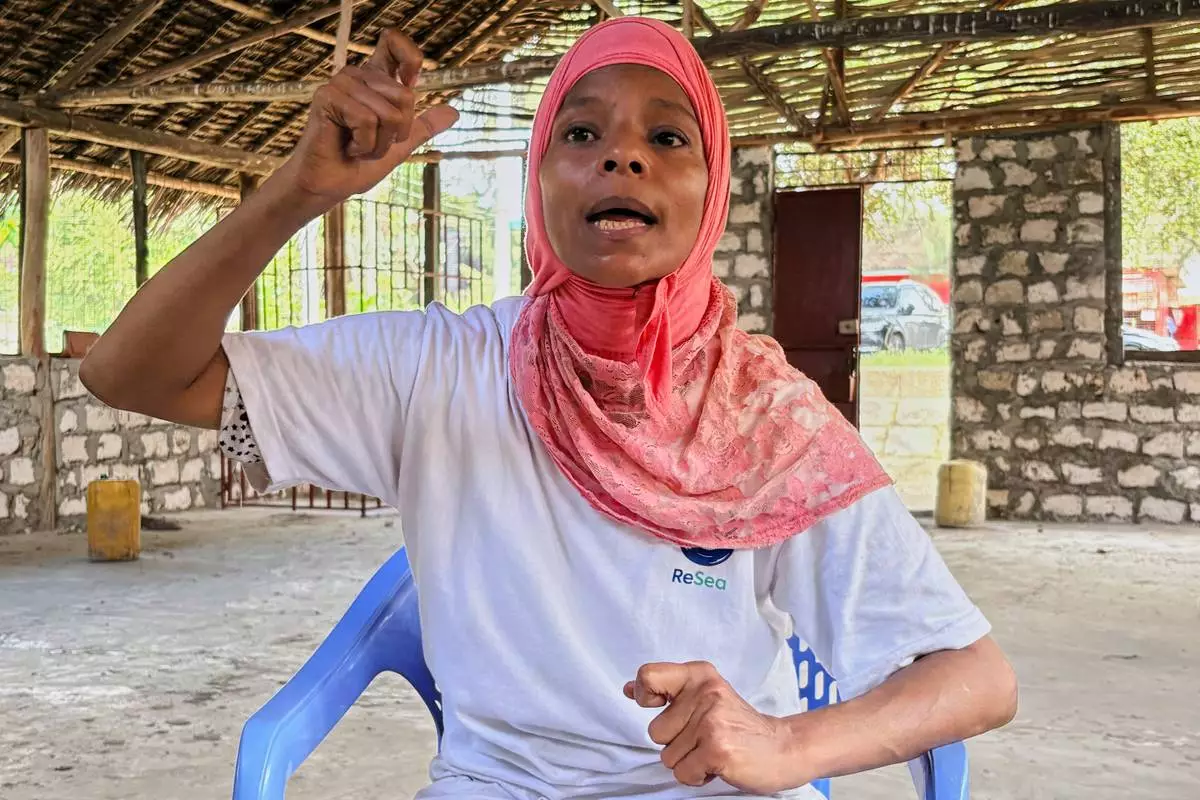
“For us women, this is hope,” says Mohammed, who for most of her life was one of the few fisherwomen in Malindi, a town northeast of the port city of Mombasa. “It will help support many families that have depended on the ocean for decades.”

More Images
The Samito Women Group's restaurant under construction is seen in Sabaki, Malindi, Kenya, on June 15, 2026. (AP Photo/Allan Olingo)
The Samito Women Group's restaurant under construction is seen in Sabaki, Malindi, Kenya, on June 15, 2026. (AP Photo/Allan Olingo)

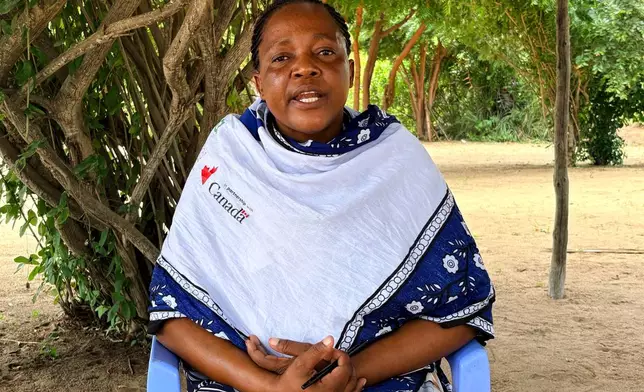
Beatrice Mwanyiro, chair of the Samito Women Group, is interviewed outside the group's unfinished restaurant and mangrove restoration center in Sabaki, Malindi, Kenya, on June 15, 2026. (AP Photo/Allan Olingo)
Beatrice Mwanyiro, chair of the Samito Women Group, is interviewed outside the group's unfinished restaurant and mangrove restoration center in Sabaki, Malindi, Kenya, on June 15, 2026. (AP Photo/Allan Olingo)

Nuru Mohammed, a fisherwoman speaks inside an unfinished restaurant being built by a women's group of fishmongers in Sabaki, Malindi, Kenya, on June 15, 2026. (AP Photo/Allan Olingo)
Nuru Mohammed, a fisherwoman speaks inside an unfinished restaurant being built by a women's group of fishmongers in Sabaki, Malindi, Kenya, on June 15, 2026. (AP Photo/Allan Olingo)

The Samito Women Group's restaurant under construction is seen in Sabaki, Malindi, Kenya, on June 15, 2026. (AP Photo/Allan Olingo)
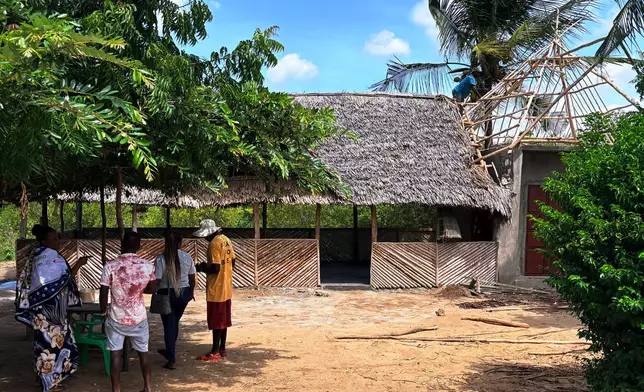
The Samito Women Group's restaurant under construction is seen in Sabaki, Malindi, Kenya, on June 15, 2026. (AP Photo/Allan Olingo)

An unfinished restaurant under construction by a women's group led by Nuru Mohammed is seen in Sabaki, Malindi, Kenya, on June 15, 2026. (AP Photo/Allan Olingo)

An unfinished restaurant under construction by a women's group led by Nuru Mohammed is seen in Sabaki, Malindi, Kenya, on June 15, 2026. (AP Photo/Allan Olingo)

Across East Africa’s coast, fisherfolk are increasingly turning to tourism, ecosystem restoration and other conservation-based businesses, reinventing their relationship with the sea as climate change, overfishing and declining ocean health threaten their livelihoods.

In Kenya, women are turning restored mangrove forests into sources of income through beekeeping and ecotourism. In Tanzania’s Zanzibar archipelago, fishing communities are protecting coral reefs through locally managed closures. In Mozambique, sea grass restoration is creating jobs while reviving marine habitats. Together, these efforts are redefining resilience, not as leaving the ocean behind, but as restoring it while building enduring livelihoods.

“Communities that depend on the ocean are also its best stewards,” said Andreane Martel, project director for a conservation program dubbed ReSea. “When local people, especially women, lead conservation, they protect biodiversity while creating more resilient and inclusive livelihoods.”

Mohammed said she has lost boats to theft and now struggles to compete with industrial trawlers. A nearby Chinese-owned fish processing facility reflects the dramatic changes for the industry.

“I can’t compete with that kind of power or scale,” she says.

“It has been tough,” Mohammed says, looking toward the ocean. “I fought to remain a fisherwoman. But I think it’s a fight I can no longer win.”

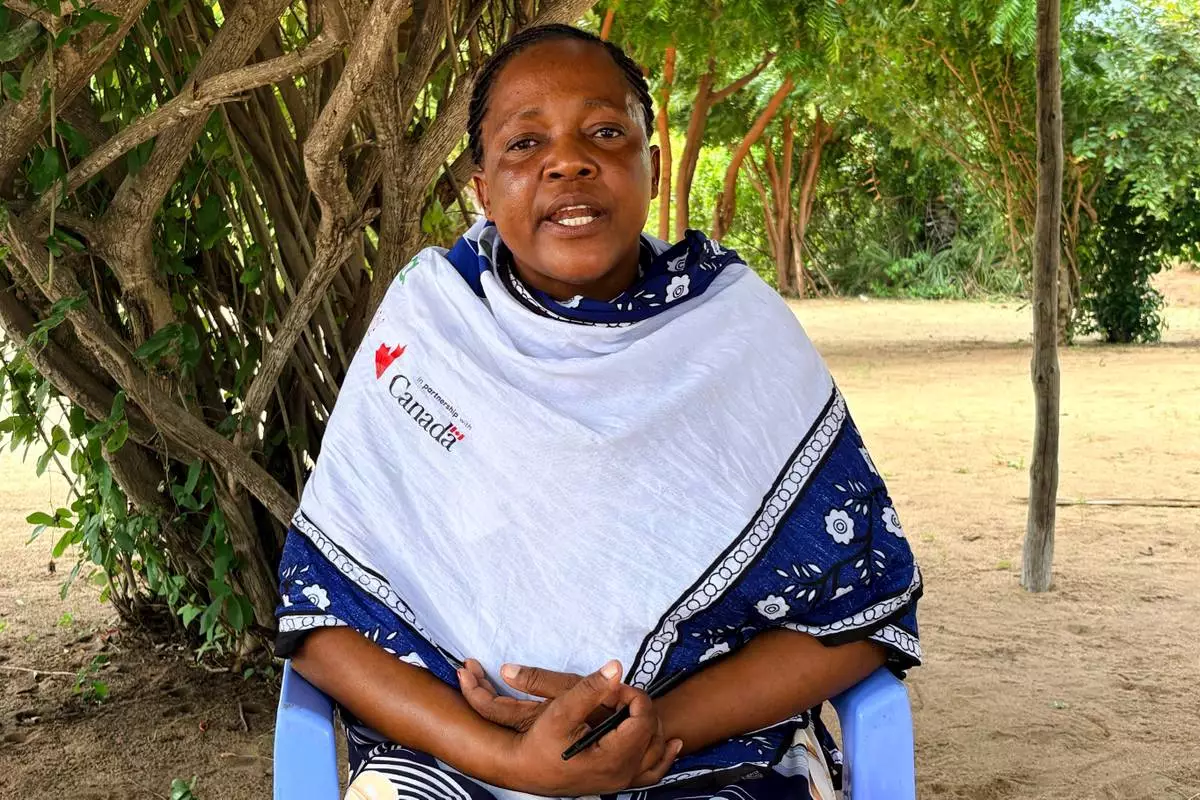
Ten kilometers (six miles) away, where the Sabaki River meets the Indian Ocean, Beatrice Mwanyiro oversees a mangrove nursery and restaurant built by ReSea, a 30-member women’s self-help group supported by the Canadian government.

“We have to adapt to the changing times,” Mwanyiro says. “The number of fish coming into the shallow waters are falling every year. Without another source of income, we won’t be able to feed our families.”

Mangroves, coral reefs, sea grass meadows and nearshore fisheries provide food, protect coastlines from storms and store vast amounts of carbon. But those ecosystems are imperiled by warming oceans, pollution, habitat loss and overfishing.

Mohamed Somo, a leader of fishermen in Lamu, a UNESCO heritage site, says boats that used to come in with catches of up to 100 kilograms (220 pounds) of fish now often bring home less than 30 kilograms (66 pounds).

Kenyan law restricts trawlers to waters at least 5 nautical miles (9 kilometers) offshore, but fishers say some vessels routinely operate much closer. The challenge extends beyond Kenya. Illegal, unreported and unregulated fishing costs the global economy an estimated $23 billion annually while threatening marine biodiversity and the food security of billions who depend on fish as a primary source of protein, according to the U.N. Food and Agricultural Organization.

“The trawlers fish offshore during the day, but at night they move into the shallow waters where artisanal fishers work,” Somo says. “By morning, there’s very little left for us.”

The growing pressure on coastal communities has pushed ocean conservation higher on the political agenda as communities struggle for survival and try to protect their ocean economies.

“Coastal communities are on the frontlines of climate change and declining ocean health, but they are also among the strongest drivers of resilience,” said Jerry Mang’ena, co-founder and executive director of Action for Ocean, a Tanzania-based organization that restores mangroves along its coastline.

“Supporting sustainable livelihoods, from aquaculture and eco-tourism to ecosystem restoration, helps families adapt while reducing pressure on the ocean. If we’re serious about protecting our seas, we must invest in the people who have cared for them for generations.”

At the recent Our Ocean Conference in Mombasa, conservation groups urged African governments to ratify the Biodiversity Beyond National Jurisdiction (BBNJ) Agreement, or “High Seas” treaty, a landmark U.N. pact establishing marine protected areas in international waters and fair sharing of marine resources. It entered into force in January, and as of April had been signed by 145 countries and ratified by 81.

The outcome of negotiations over additional ratifications of the treaty could have a profound impact on the lives of fisher people like Mohammed as they try to build futures that no longer depend entirely on increasingly uncertain catches.

“The BBNJ Agreement gives African governments a historic opportunity to protect the high seas and safeguard the future of our fisheries,” said Aliou Ba, oceans campaign lead at Greenpeace Africa.

“But protecting the ocean also means confronting illegal, unreported and unregulated fishing that is stripping African waters of marine life and robbing coastal communities of food and income," he said. "Governments cannot afford to delay.”

The Associated Press’ climate and environmental coverage receives financial support from multiple private foundations. AP is solely responsible for all content. Find AP’s standards for working with philanthropies, a list of supporters and funded coverage areas at AP.org.
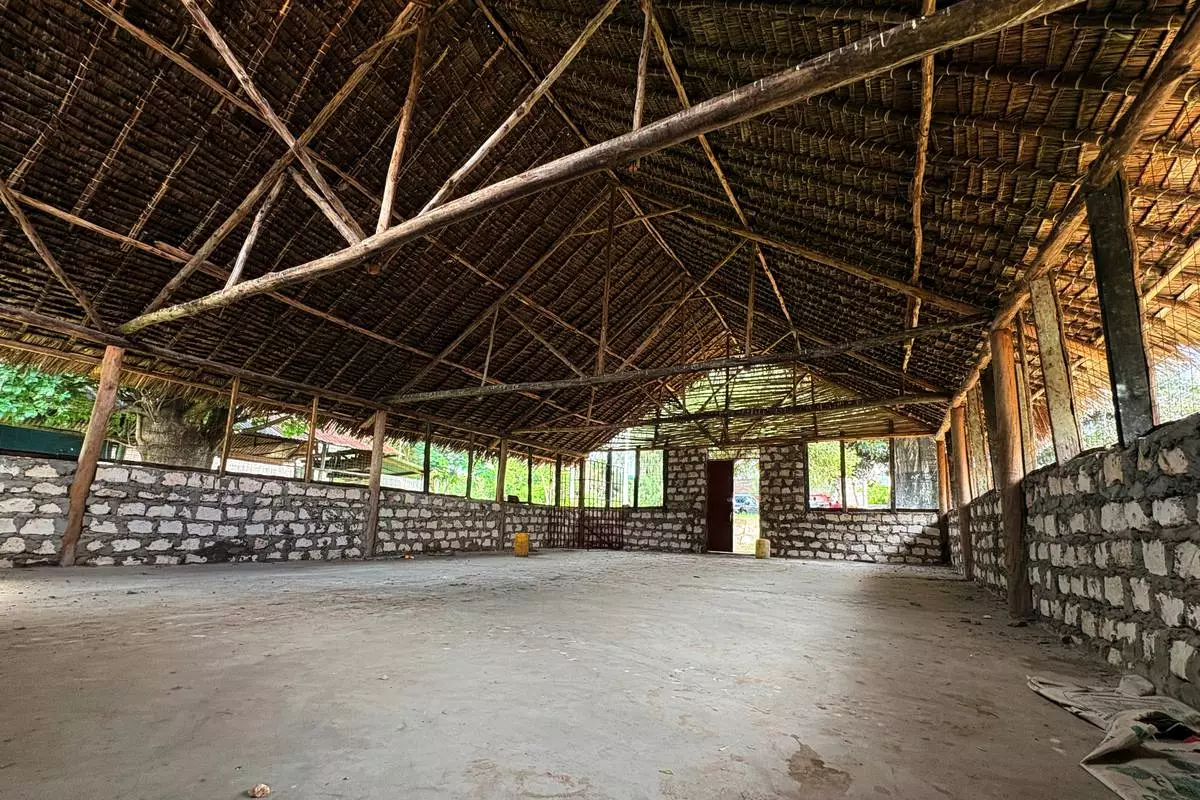
The Samito Women Group's restaurant under construction is seen in Sabaki, Malindi, Kenya, on June 15, 2026. (AP Photo/Allan Olingo)
The Samito Women Group's restaurant under construction is seen in Sabaki, Malindi, Kenya, on June 15, 2026. (AP Photo/Allan Olingo)

Beatrice Mwanyiro, chair of the Samito Women Group, is interviewed outside the group's unfinished restaurant and mangrove restoration center in Sabaki, Malindi, Kenya, on June 15, 2026. (AP Photo/Allan Olingo)
Beatrice Mwanyiro, chair of the Samito Women Group, is interviewed outside the group's unfinished restaurant and mangrove restoration center in Sabaki, Malindi, Kenya, on June 15, 2026. (AP Photo/Allan Olingo)

Nuru Mohammed, a fisherwoman speaks inside an unfinished restaurant being built by a women's group of fishmongers in Sabaki, Malindi, Kenya, on June 15, 2026. (AP Photo/Allan Olingo)
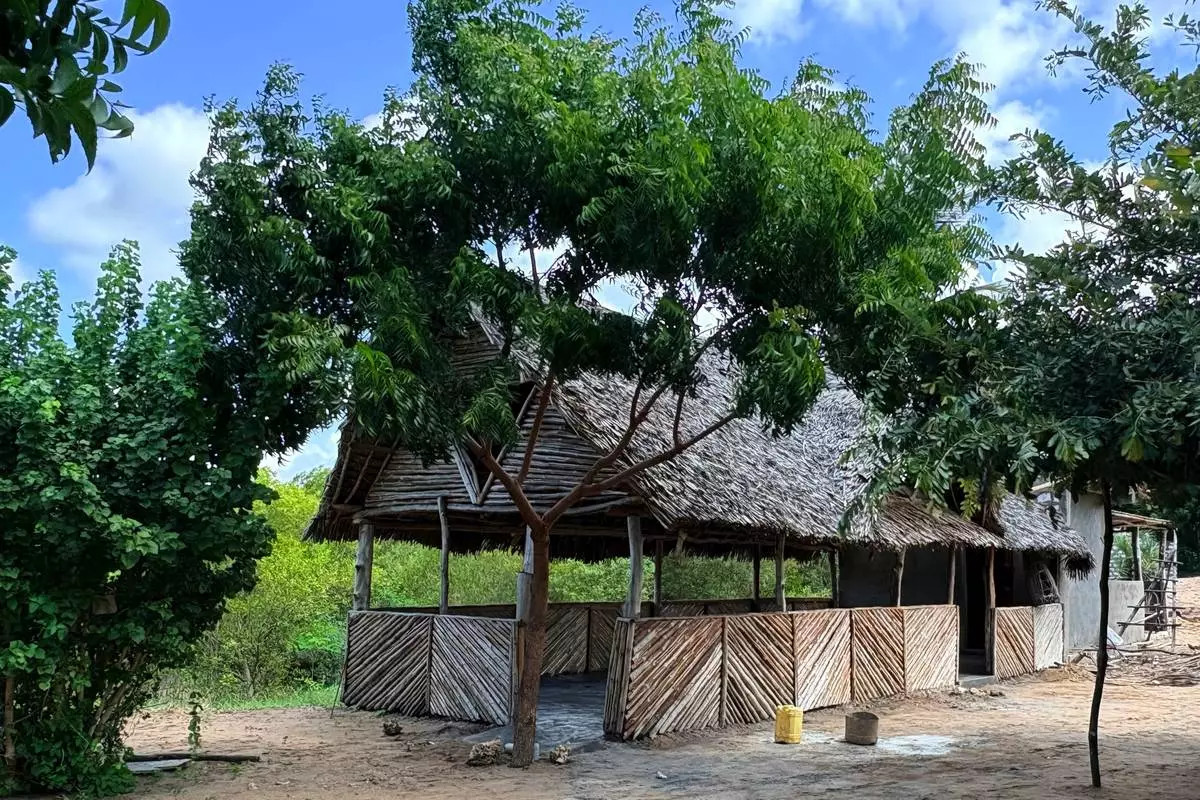
Nuru Mohammed, a fisherwoman speaks inside an unfinished restaurant being built by a women's group of fishmongers in Sabaki, Malindi, Kenya, on June 15, 2026. (AP Photo/Allan Olingo)

The Samito Women Group's restaurant under construction is seen in Sabaki, Malindi, Kenya, on June 15, 2026. (AP Photo/Allan Olingo)
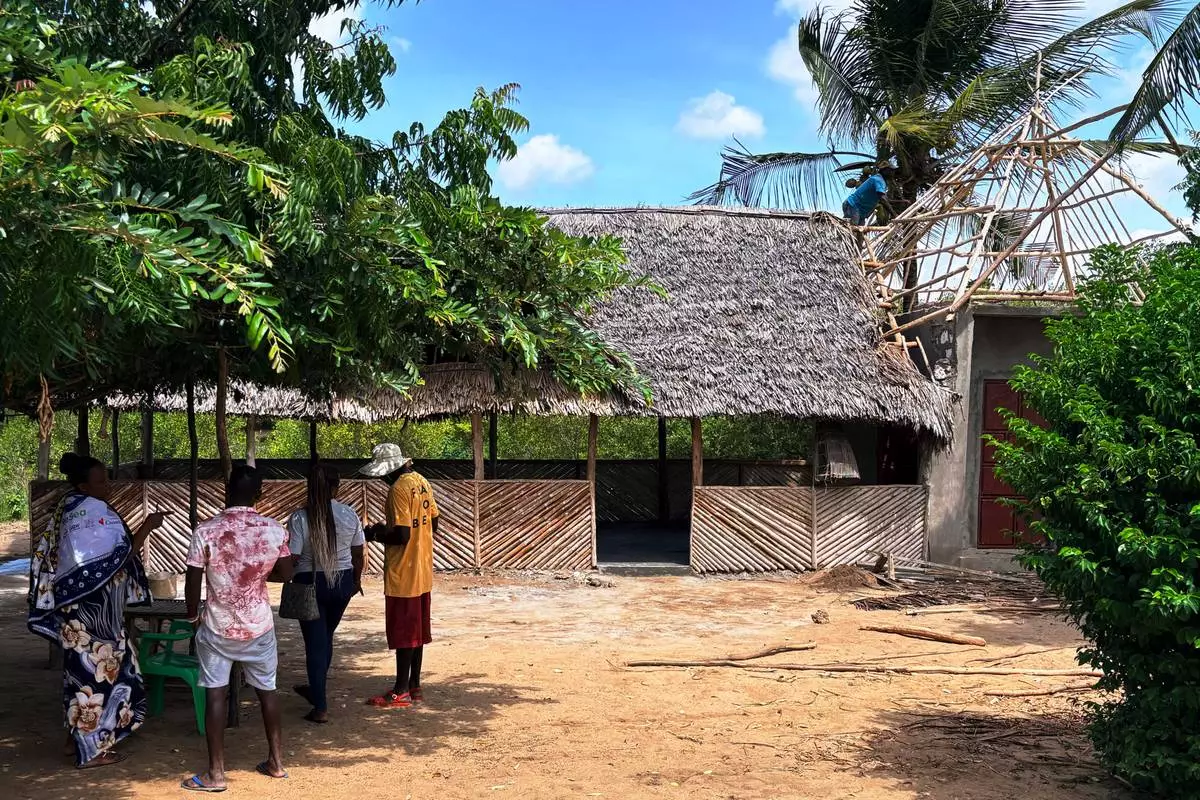
The Samito Women Group's restaurant under construction is seen in Sabaki, Malindi, Kenya, on June 15, 2026. (AP Photo/Allan Olingo)

An unfinished restaurant under construction by a women's group led by Nuru Mohammed is seen in Sabaki, Malindi, Kenya, on June 15, 2026. (AP Photo/Allan Olingo)
An unfinished restaurant under construction by a women's group led by Nuru Mohammed is seen in Sabaki, Malindi, Kenya, on June 15, 2026. (AP Photo/Allan Olingo)
TEHRAN, Iran (AP) — Iran began a procession Monday through its capital, Tehran, for the funeral of the late Supreme Leader Ayatollah Ali Khamenei.

Khamenei's flag-draped coffin, and those of his family killed Feb. 28 in an airstrike at the start of the war launched by Israel and the United States, sat on board a truck. Authorities decorated the truck's side to resemble the ornamental grating that surrounds the shrine of an imam.

The truck crept through crowds of black-clad mourners, who reached out to touch the grating. Some threw scarves and other items for attendants to brush against the coffin, a common practice in Iran seen as a blessing. Attendants sprayed misted water across the crowds to cool them in the summertime temperatures.

Authorities appeared concerned about the dangers of having a large crowd alongside the procession, with officials on loudspeakers urging the public to walk slowly, not to push and to stay to the edges of the street.

The coffins will be taken through the streets of Tehran on their way to Mehrabad International Airport over a 12-hour journey, said Revolutionary Guard Gen. Hasan Hasanzsdeh, who is overseeing the procession.

Iran's theocracy plans to see large crowds attend the ceremony across the city to show popular support for the government. Already, hundreds of thousands have gathered at squares in Tehran, waving flags and banners in Khamenei's honor.

Authorities have shut down streets, airspace and daily life for the mourning, which began Saturday and will end Thursday as the 86-year-old Khamenei is buried at the Imam Reza shrine in Mashhad, his birthplace.

The U.S. is meanwhile pressing ahead with negotiations with Iran aimed at fully reopening the Strait of Hormuz, rolling back its disputed nuclear program and reaching a permanent end to the war. Talks appear to be on hold until after the burial.

As the funeral has gone on, however, there's increasingly been threats from mourners to avenge Khamenei's death. Mourners and the signs they carry have called for the killing of both U.S. President Donald Trump and Israeli Prime Minister Benjamin Netanyahu. Such signs were seen again Monday along the procession's route, with one effigy of Trump being hanged.

U.S. federal authorities have been tracking Iranian threats against Trump and other administration officials for years, stemming from Trump's ordering the 2020 killing of Gen. Qassem Soleimani, who had led the elite Quds Force. Iran has repeatedly denied plotting to kill Trump, though hard-line propaganda footage long has suggested Trump was in Tehran’s crosshairs.

Trump meanwhile promised to destroy Iran’s civilization during the war, among other threats.

“Today that we are here for the funeral for our leader, it’s a very tough day," mourner Fatima Hassan said Monday morning. "We are not here to say goodbye to him, we are here for revenge. And we will take revenge.”

Gambrell reported from Dubai, United Arab Emirates.

Mourners wait in Islamic Revolution Square for the funeral procession of the slain Iranian Supreme Leader Ayatollah Ali Khamenei beneath a monument depicting Khamenei's clenched fist in Tehran, Iran, Monday, July 6, 2026. (AP Photo/Vahid Salemi)

Mourners wait in Islamic Revolution Square for the funeral procession of the slain Iranian Supreme Leader Ayatollah Ali Khamenei beneath a monument depicting Khamenei's clenched fist in Tehran, Iran, Monday, July 6, 2026. (AP Photo/Vahid Salemi)

A mourner reacts while holding a portrait of the slain Iranian Supreme Leader Ayatollah Ali Khamenei as mourners gather in Islamic Revolution Square for Khamenei's funeral procession in Tehran, Iran, Monday, July 6, 2026. (AP Photo/Altaf Qadri)

A mourner reacts while holding a portrait of the slain Iranian Supreme Leader Ayatollah Ali Khamenei as mourners gather in Islamic Revolution Square for Khamenei's funeral procession in Tehran, Iran, Monday, July 6, 2026. (AP Photo/Altaf Qadri)

Mourners hold a portrait of Iran's new Supreme Leader, Mojtaba Khamenei, left, and portraits of the slain Iranian Supreme Leader Ayatollah Ali Khamenei while waiting in Islamic Revolution Square for his funeral procession in Tehran, Iran, Monday, July 6, 2026. (AP Photo/Altaf Qadri)

Mourners hold a portrait of Iran's new Supreme Leader, Mojtaba Khamenei, left, and portraits of the slain Iranian Supreme Leader Ayatollah Ali Khamenei while waiting in Islamic Revolution Square for his funeral procession in Tehran, Iran, Monday, July 6, 2026. (AP Photo/Altaf Qadri)

A mourner wearing a shirt depicting the slain Iranian Supreme Leader Ayatollah Ali Khamenei weeps while gathered in Islamic Revolution Square for Khamenei's funeral procession in Tehran, Iran, Monday, July 6, 2026. (AP Photo/Altaf Qadri)

A mourner wearing a shirt depicting the slain Iranian Supreme Leader Ayatollah Ali Khamenei weeps while gathered in Islamic Revolution Square for Khamenei's funeral procession in Tehran, Iran, Monday, July 6, 2026. (AP Photo/Altaf Qadri)

Mourners chant slogans while gathered in Islamic Revolution Square for the funeral procession of the slain Iranian Supreme Leader Ayatollah Ali Khamenei beneath a billboard depicting Khamenei in Tehran, Iran, Monday, July 6, 2026. (AP Photo/Altaf Qadri)

Mourners chant slogans while gathered in Islamic Revolution Square for the funeral procession of the slain Iranian Supreme Leader Ayatollah Ali Khamenei beneath a billboard depicting Khamenei in Tehran, Iran, Monday, July 6, 2026. (AP Photo/Altaf Qadri)

Recommended Articles