The death toll from the twin earthquakes that struck Venezuela on June 24 has risen to 3,535, with 16,740 people injured, according to an update from National Assembly President Jorge Rodriguez on Monday.
Additionally, 17,854 people remain homeless, Rodriguez, who also heads the command center for the creation of temporary camps, wrote in a post on Telegram.
The number of people rescued remained at 6,462, while 86,794 families had received assistance, he said.
Furthermore, nearly 30,000 personnel have been deployed to disaster relief efforts. A total of 82 temporary shelter camps have been set up since the earthquakes, and medical institutions in Venezuela have provided treatment to over 25,000 people.
Since the major earthquake struck on June 24, a total of 1,048 aftershocks have been recorded.
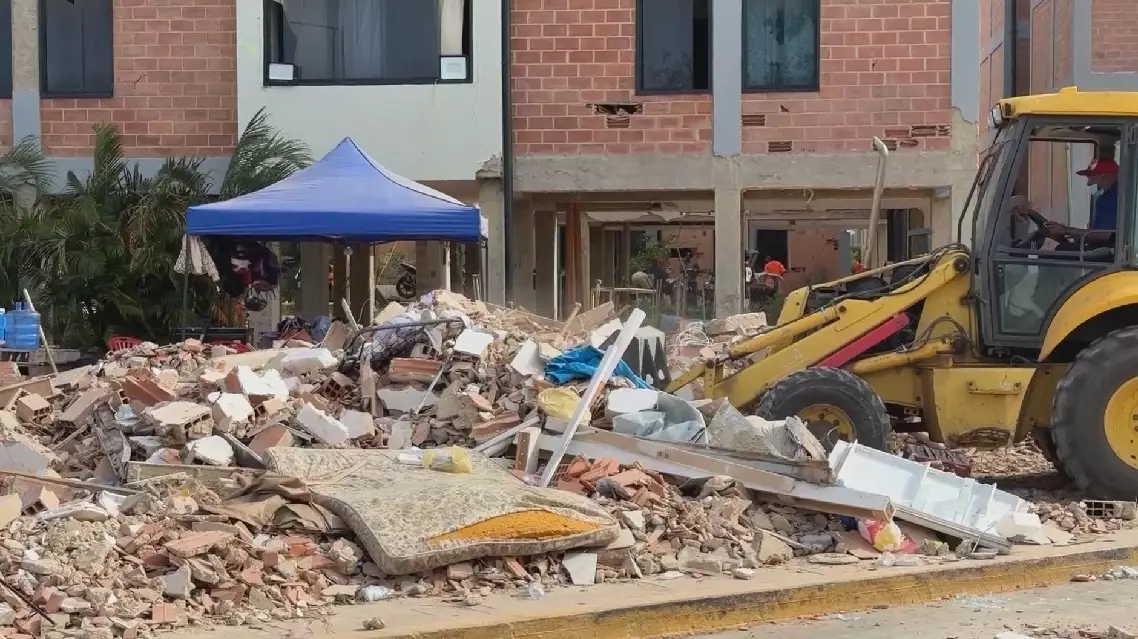
Venezuela quake death toll rises to 3,535, over 16,700 injured
Artificial intelligence is developing faster than governments and institutions across the world can respond, highlighting the need for a global platform to address emerging challenges, Rein Tammsaar, co-chair of the United Nations Global Dialogue on Artificial Intelligence Governance, said on Monday.
Speaking in a media briefing session on the sidelines of the two-day UN Global Dialogue on AI that opened on Monday, Tammsaar, who is also the permanent representative of Estonia to the UN, said the dialogue would serve as an opportunity to further build international consensus and lay a solid foundation for improving AI global governance under the UN framework.
"It is true that the AI development is happening quicker than anyone can react to this. And we see it around the world, frankly. We're able here to start something, meaningful discussion, on a global level, create a platform and to address few issues," said Tammsaar.
Attendees of the dialogue believe that AI is both an important engine for promoting economic and social development, and requires the establishment of corresponding international rules to seek a balance between encouraging innovation and preventing risks.
In addition to focusing on AI security governance, the dialogue also emphasized discussions on capacity building in developing countries, digital infrastructure and technology sharing. Many developing countries expressed their welcome and appreciation for China's AI open-source initiatives, hoping that more countries can share in the benefits of AI development.
Chinese scientists with UN's Independent International Scientific Panel on AI spoke on relevant topics, and gave an overall presentation on China's achievements in AI development, governance experience and international contributions.
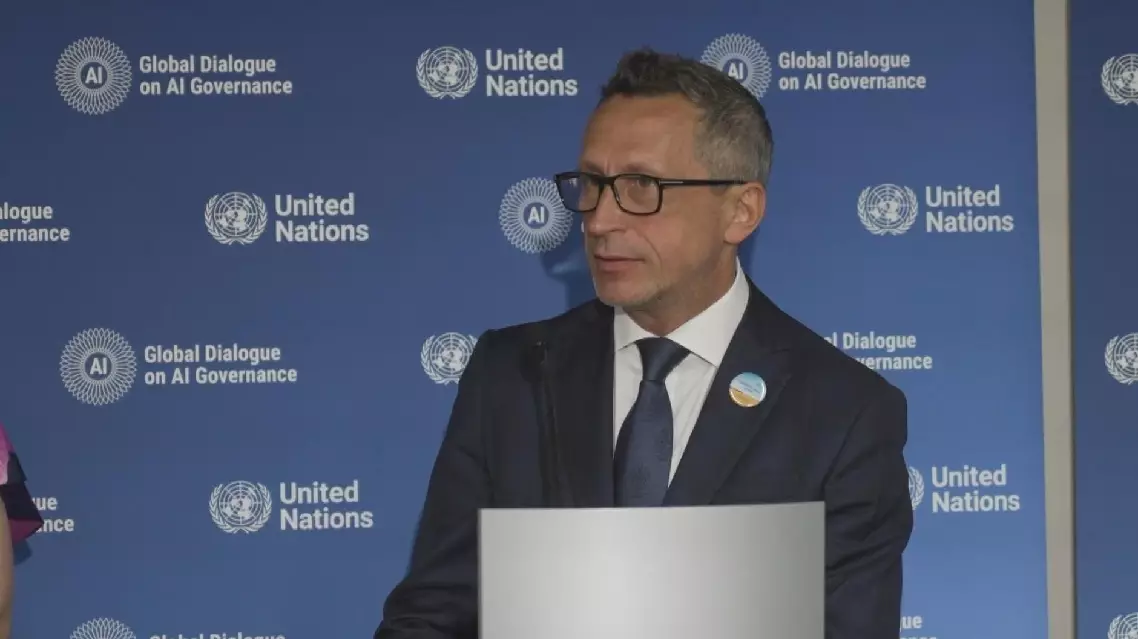
Global AI dialogue aims to keep pace with rapid technological changes: UN official