DH investigates Serious Untoward Event involving day procedure centre "Heal Fertility Limited" and requests that it stop accepting new cases for reproductive technology procedures
The Department of Health (DH) announced today (July 7) that it had received a notification from the Council on Human Reproductive Technology (Council) regarding a day procedure centre (DPC), "Heal Fertility Limited", in Central that holds a licence from the Council to provide reproductive technology procedures. The DPC has made errors when sending embryo biopsy specimens for testing. The incident constitutes a Serious Untoward Event stipulated in the Code of Practice for Day Procedure Centres (Code of Practice) of the Private Healthcare Facilities Ordinance (Cap. 633) (the Ordinance). The DPC did not report the incident to the DH within 24 hours upon identification, as required. Following a preliminary investigation, the DH has directed the DPC to implement a series of corrective and improvement measures, including the immediate suspension of accepting new cases for reproductive technology procedures.
The concerned DPC is located in One Chinachem Central, 22 Des Voeux Road, Central. The incident involved two couples preparing to undergo reproductive technology procedures. The embryo biopsy specimens they provided for testing were suspected to be replaced by other embryo biopsy specimens. The testing centre discovered the error during the genetic testing process and coordinated with the DPC to repeat the sampling and testing.
The DPC had earlier reported the incident to the Council, the Council notified the DH on the evening of July 3 following an investigation. The DH immediately sent staff to the DPC on the morning of July 4 to conduct an inspection and investigation, and to thoroughly review the relevant workflows and safety measures according to the Ordinance. The investigation revealed that the incident involved misidentification of the test specimens, which constitutes a Serious Untoward Event under the Code of Practice. However, the DPC did not report the incident to the DH within 24 hours upon identification, which constituted a non-compliance to the Code of Practice. According to information provided by the DPC, genetic testing subsequently confirmed that the two couples were biologically related to the embryos stored at the DPC, indicating that the embryos themselves had not been mixed up. The incident involved an error with the biopsy specimens sent for testing, and there is currently no evidence to suggest that any embryos were mixed up or incorrectly implanted.
In view of the preliminary investigation findings, human factors may be involved. To ensure public safety, the DH issued a requirement notice to the DPC on July 6 and required the DPC to take the following measures:
- Immediately stop accepting new cases for reproductive technology procedures until the completion of investigation and full implementation of remedial safeguards;
- Proactively notify persons who have been receiving reproductive technology procedures in the DPC about the incident and provide appropriate medical advice and/or confirmatory testing as necessary;
- Make suitable arrangements so that affected persons do not incur additional costs or suffer financial loss in connection with any counselling, confirmatory testing, or other follow-up actions; and
- Submit an investigation report within four weeks on the root cause analysis, immediate corrective actions taken and the necessary long-term improvement measures.
The DH has provided the Council with the preliminary findings of its investigation. The DH will continue to take the necessary follow-up actions in accordance with the Ordinance and maintain close liaison with the Council to safeguard public safety.
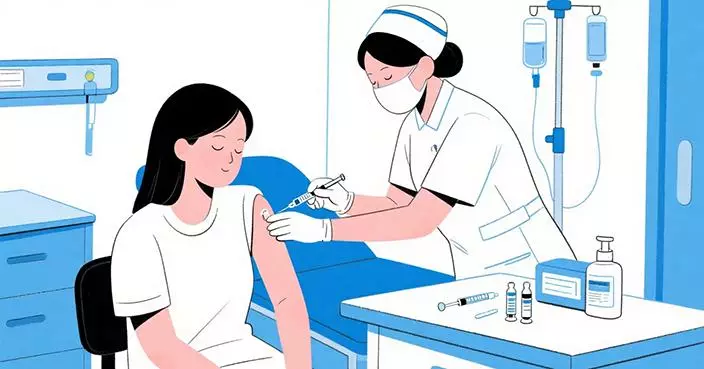
Source: AI-found images
Council on Human Reproductive Technology suspends most reproductive technology procedures of "Heal Fertility Limited"
The following is issued on behalf of the Council on Human Reproductive Technology (Council):
The Council convened a special meeting today (July 7) to discuss an incident involving a mix-up in embryo biopsy specimens at a licensed human reproductive technology centre in Central, "Heal Fertility Limited" (Heal Fertility). The Council passed a resolution to vary the treatment licence of the licensee, suspending 14 treatment services out of 17 that can be provided. The premises can continue to provide three services, including the storage services for gametes or embryos, until the Council and the Police complete their investigation.
The Council received notifications on June 17 separately from Heal Fertility and the Pre-implantation Genetic Diagnosis Centre of the Chinese University of Hong Kong at the Prince of Wales Hospital (diagnosis centre), which provides laboratory testing services for Heal Fertility, that embryo biopsy specimens sent by Heal Fertility to the diagnosis centre for genetic testing are suspected to be replaced by other embryo biopsy specimens. The diagnosis centre discovered the mistake in time during the genetic testing process.
The Council immediately set up an investigation committee on June 18, and assigned a clinical embryologist under the support of the Council's secretariat staff to conduct a surprise investigation at Heal Fertility, followed by two follow-up on site investigation. Based on information gathered from the investigation, Heal Fertility was suspected of having contravened the requirements under the Code of Practice on Reproductive Technology and Embryo Research, as well as other statutory requirements. The Council subsequently reported the incident to the Department of Health and the Police on July 3 and 6 respectively.
According to the information provided by Heal Fertility, parentage had been established through testing between the two couples involved in the incident and the embryos stored at Heal Fertility, indicating no mix-up in the embryos. The incident involved a mix-up in the biopsy specimens sent for testing, and there is currently no evidence to suggest that any embryos had been mixed up or wrongly implanted into human body.
Initial findings suggested that incident may be caused by human factor. Heal Fertility, while co-operating with the Council's investigation, has implemented measures to enhance access control on handling of embryo and specimens on the premises.
To protect all clients who have undergone reproductive treatment at Heal Fertility, the Council has also required the licensee:
- to contact and notify all clients who have undergone reproductive treatment there regarding the latest developments in the incident, and to follow up as requested;
- to provide free preimplantation genetic testing, free parental testing and free counseling to clients in need;
- to establish a hotline (Tel: 3703 3608) to respond to relevant inquiries from service recipients; and
- if the suspension of treatment services affects its service recipients, Heal Fertility must notify the Council to seek further instructions.
The Secretariat for Council has also set up a hotline (2125 1188) for public inquiries. The hotline will operate from 9am to 11pm starting today, and from 9am to 9pm daily starting tomorrow, until further notice.
According to the Human Reproductive Technology Ordinance (Cap. 561) (Ordinance), healthcare institutions providing reproductive technology procedures must hold licences issued by the Council. Currently, a total of 13 public and 21 private healthcare institutions have been licensed by the Council (including 15 artificial insemination by husband licences and 19 treatment licences).
The Council will send a letter to all other licensees in Hong Kong who provide reproductive technology procedures, reminding them to strictly comply with the licensing requirements regarding the handling of embryos used in reproductive technology procedures.
The Council, in collaboration with law enforcement agencies, will continue follow-ups on the incident seriously and take appropriate actions. The Council is committed to ensuring that all parents seeking reproductive technology procedures can continue to receive safe and high-quality services.
Established in 2001 under the Human Reproductive Technology Ordinance, the Council is tasked with regulating reproductive technology activities, including regulating the provision of reproductive technology procedures and embryo research, in Hong Kong through a licensing system, and formulating the Code of Practice for the relevant sectors.
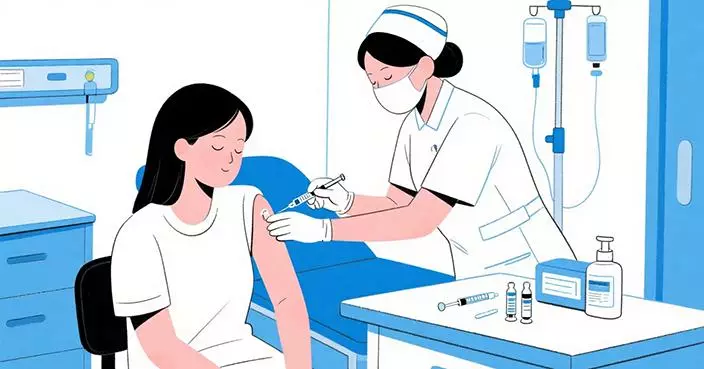
Source: AI-found images