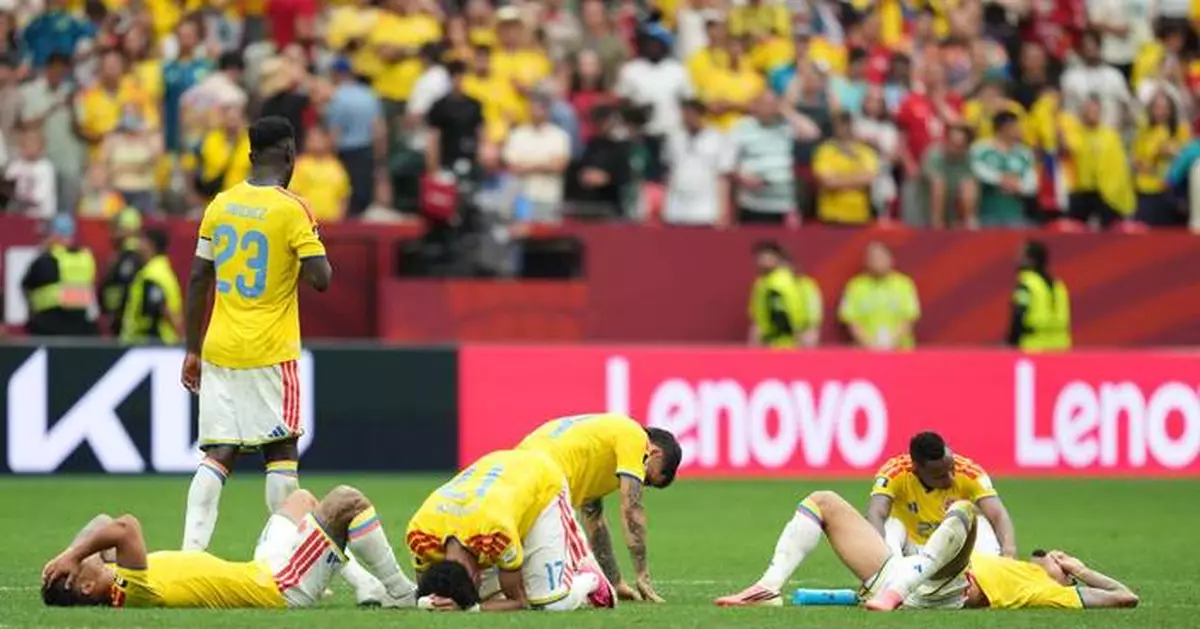
VANCOUVER, British Columbia (AP) — Colombia was on the cusp of matching its best World Cup performance but could not come through in a penalty shootout.
Davinson Sánchez sent his penalty over the bar, and Cucho Hernández had his attempt saved by Gregor Kobel as Switzerland beat Colombia 4-3 in the shootout following a goalless 120 minutes on Tuesday.
Click to Gallery
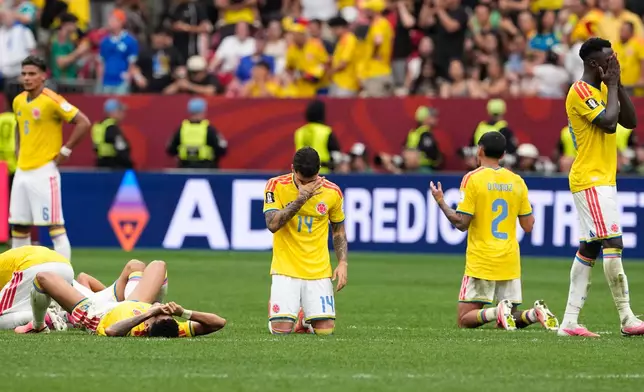
Colombia's Gustavo Puerta (14) reacts after losing to Switzerland during a penalty shootout in the World Cup round of 16 soccer match between Switzerland and Colombia in Vancouver, British Columbia, Tuesday, July 7, 2026. (AP Photo/Lindsey Wasson)
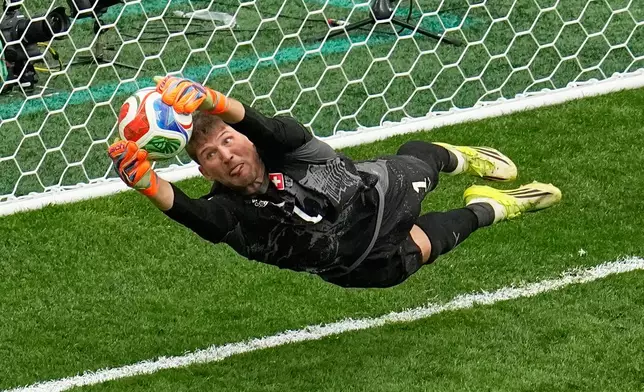
Switzerland goalkeeper Gregor Kobel (1) blocks a penalty shot by Colombia's Cucho Hernandez in a shootout during the World Cup round of 16 soccer match in Vancouver, British Columbia, Tuesday, July 7, 2026. (AP Photo/Gregory Bull)
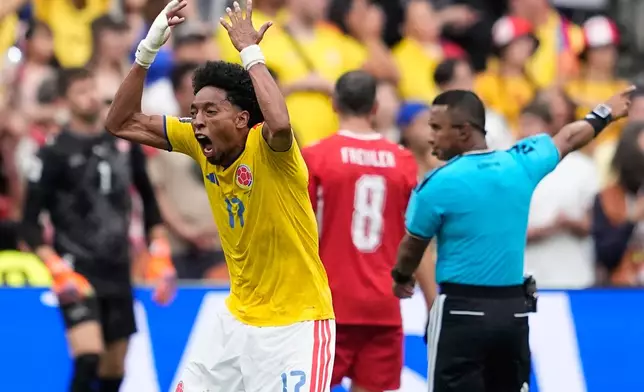
Colombia's Johan Mojica reacts during the World Cup round of 16 soccer match between Switzerland and Colombia in Vancouver, British Columbia, Tuesday, July 7, 2026. (AP Photo/Lindsey Wasson)
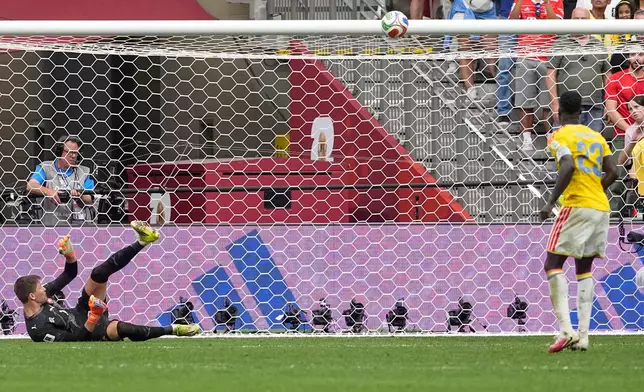
Switzerland goalkeeper Gregor Kobel (1) looks up as Colombia's Davinson Sanchez (23) hits the bar during a penalty shootout at the end of the World Cup round of 16 soccer match between Switzerland and Colombia in Vancouver, British Columbia, Tuesday, July 7, 2026. (AP Photo/Lindsey Wasson)
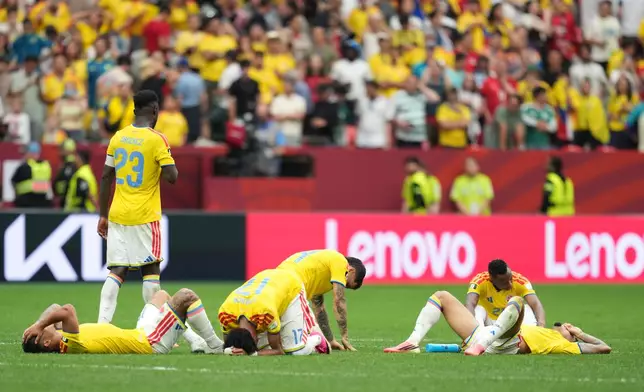
Colombian players lie dejected after losing penalty shootout during the World Cup round of 16 soccer match between Switzerland and Colombia in Vancouver, British Columbia, Tuesday, July 7, 2026. (AP Photo/Abbie Parr)
“Clearly, something is missing. We haven’t been able to win with the national team,” midfielder Jhon Arias said.
Awaiting Colombia was a quarterfinal matchup against defending champion and South American rival Argentina. Instead, Los Cafeteros are headed home.
They had plenty chances to put it away, particularly in extra time.
Jhon Lucumí smashed a header off the top of the crossbar in the first extra-time period. Jaminton Campaz missed another clear-cut chance in the 116th minute. The striker picked up an errant clearance from Granit Xhaka and, with only Kobel to beat, shot the ball over the bar.
Gustavo Puerta had the first good chance for Colombia with a shot from distance in the 21st minute that was pushed away by Kobel.
Colombia’s best World Cup performance was in 2014, when it beat Uruguay in the round of 16 before losing to host Brazil in the quarterfinals. Los Cafeteros lost to England on penalties in the round of 16 in 2018 and missed the 2022 World Cup altogether.
“We all want to win. We all want to achieve important things with the national team because I think the people deserve it,” Arias said. “I think it’s something we need to reflect on carefully, and hopefully we’ll find what it is that’s still missing.”
Owen Cameros is a student in the John Curley Center for Sports Journalism at Penn State.
See more of AP’s World Cup coverage here
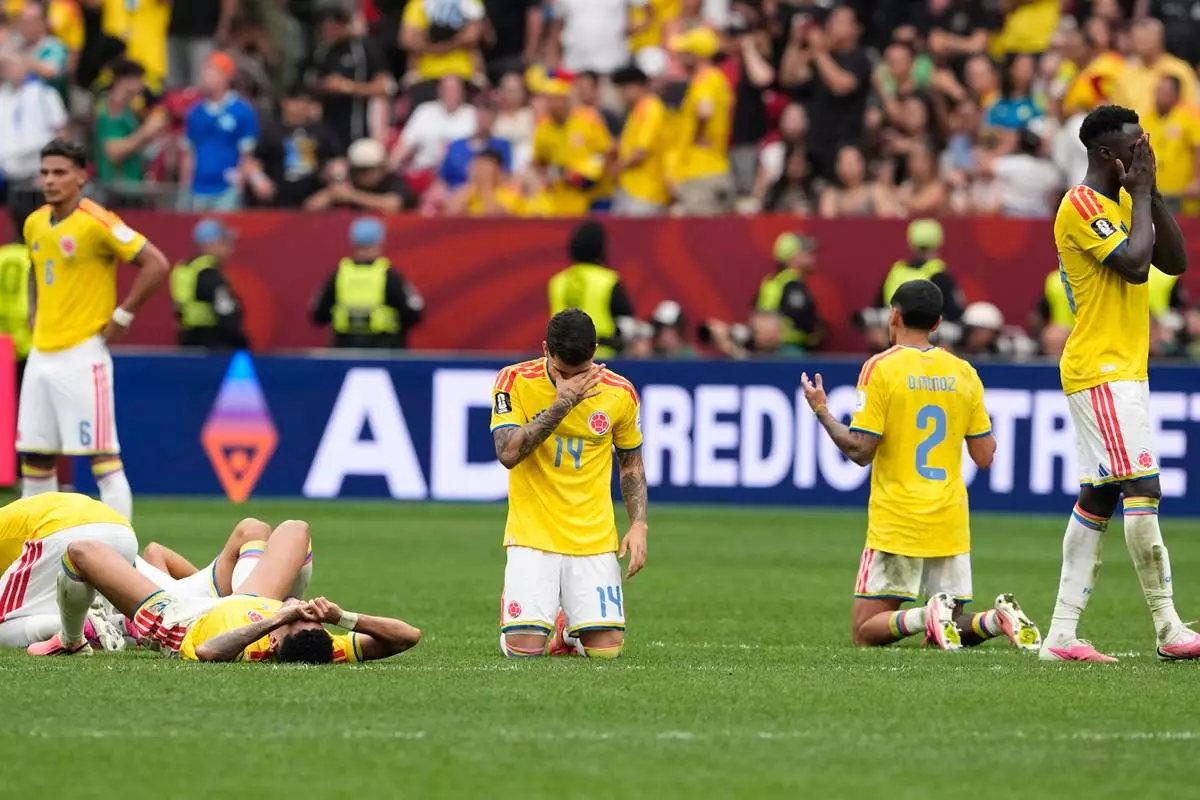
Colombia's Gustavo Puerta (14) reacts after losing to Switzerland during a penalty shootout in the World Cup round of 16 soccer match between Switzerland and Colombia in Vancouver, British Columbia, Tuesday, July 7, 2026. (AP Photo/Lindsey Wasson)
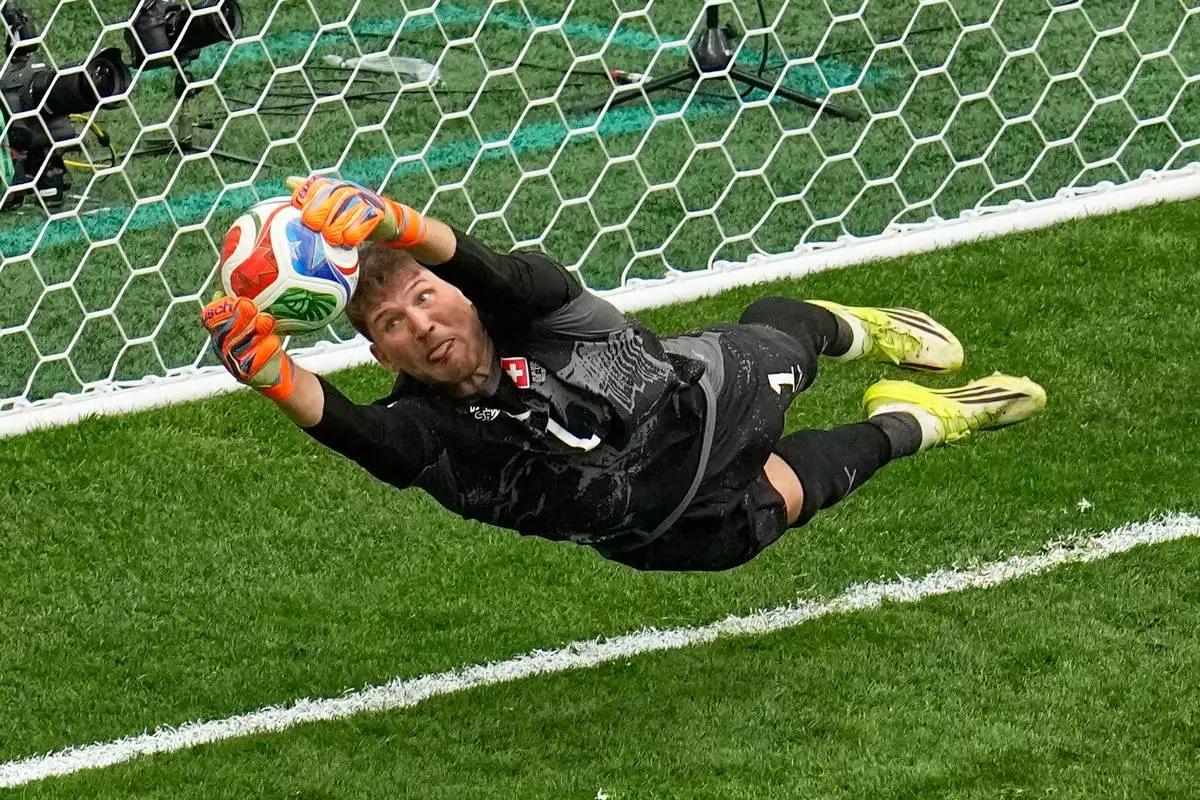
Switzerland goalkeeper Gregor Kobel (1) blocks a penalty shot by Colombia's Cucho Hernandez in a shootout during the World Cup round of 16 soccer match in Vancouver, British Columbia, Tuesday, July 7, 2026. (AP Photo/Gregory Bull)
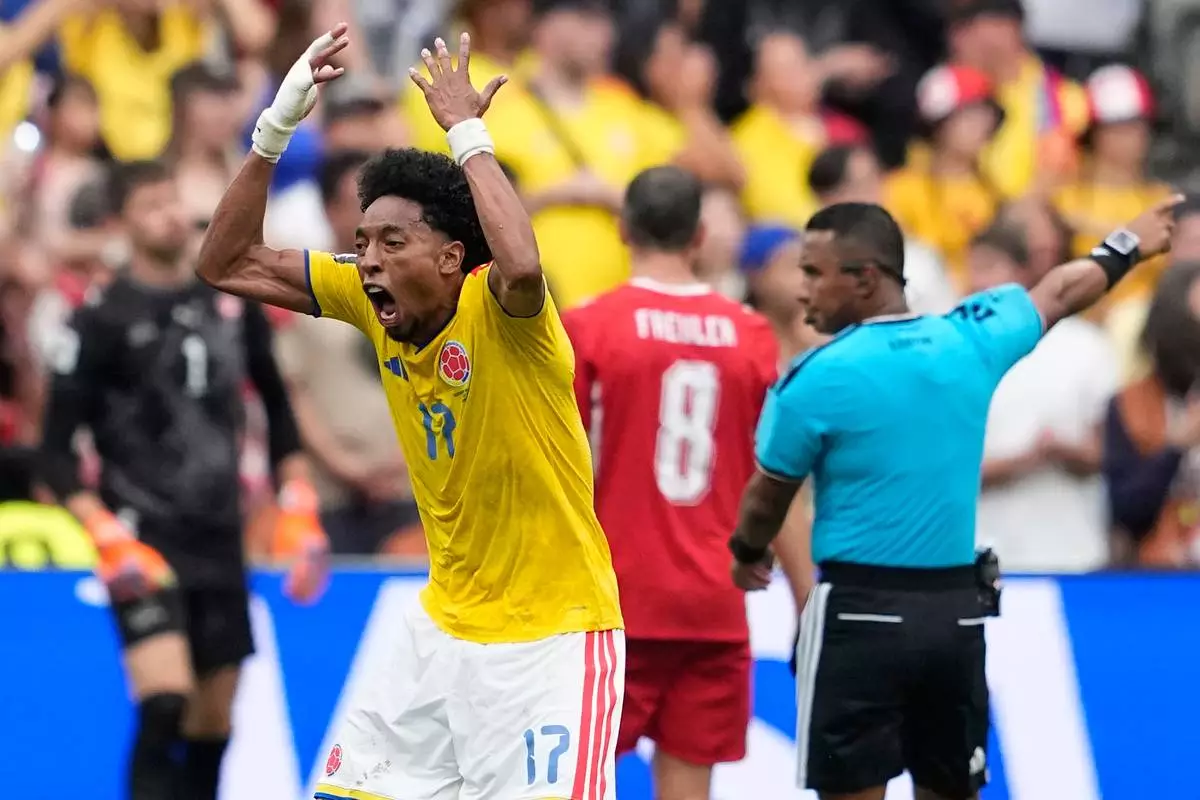
Colombia's Johan Mojica reacts during the World Cup round of 16 soccer match between Switzerland and Colombia in Vancouver, British Columbia, Tuesday, July 7, 2026. (AP Photo/Lindsey Wasson)
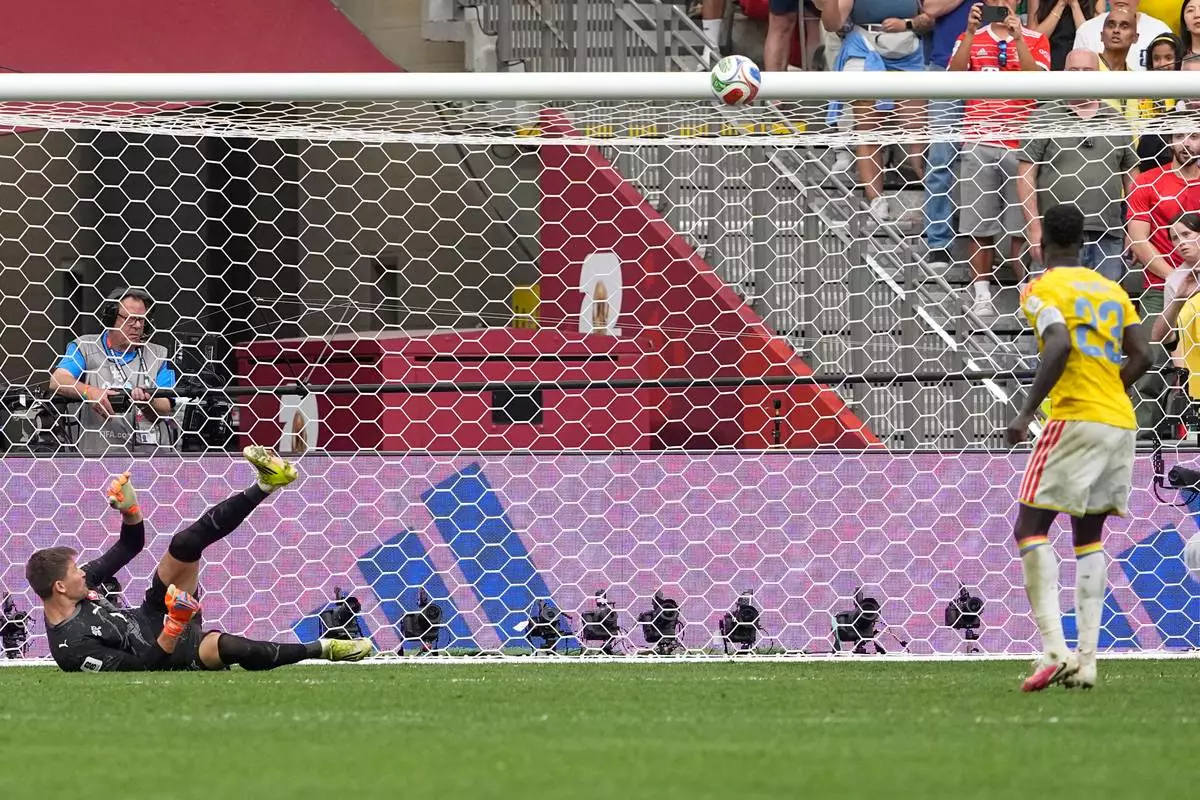
Switzerland goalkeeper Gregor Kobel (1) looks up as Colombia's Davinson Sanchez (23) hits the bar during a penalty shootout at the end of the World Cup round of 16 soccer match between Switzerland and Colombia in Vancouver, British Columbia, Tuesday, July 7, 2026. (AP Photo/Lindsey Wasson)
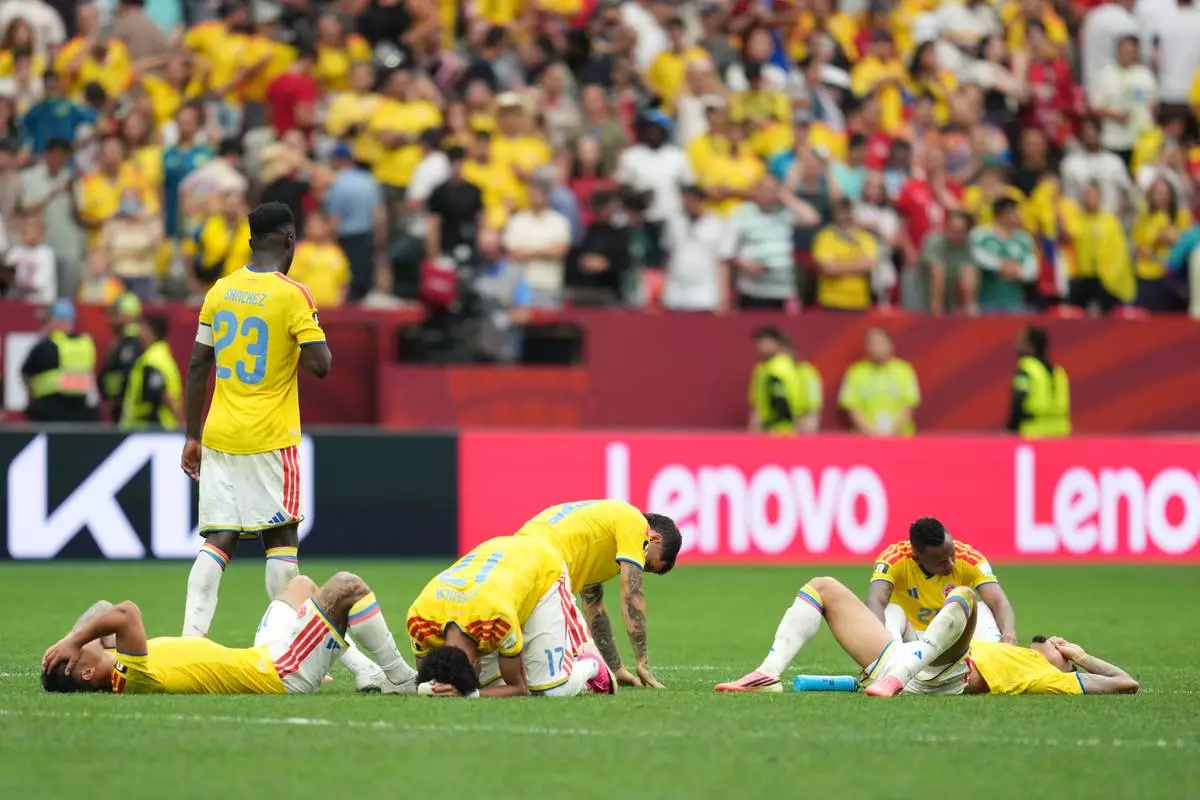
Colombian players lie dejected after losing penalty shootout during the World Cup round of 16 soccer match between Switzerland and Colombia in Vancouver, British Columbia, Tuesday, July 7, 2026. (AP Photo/Abbie Parr)