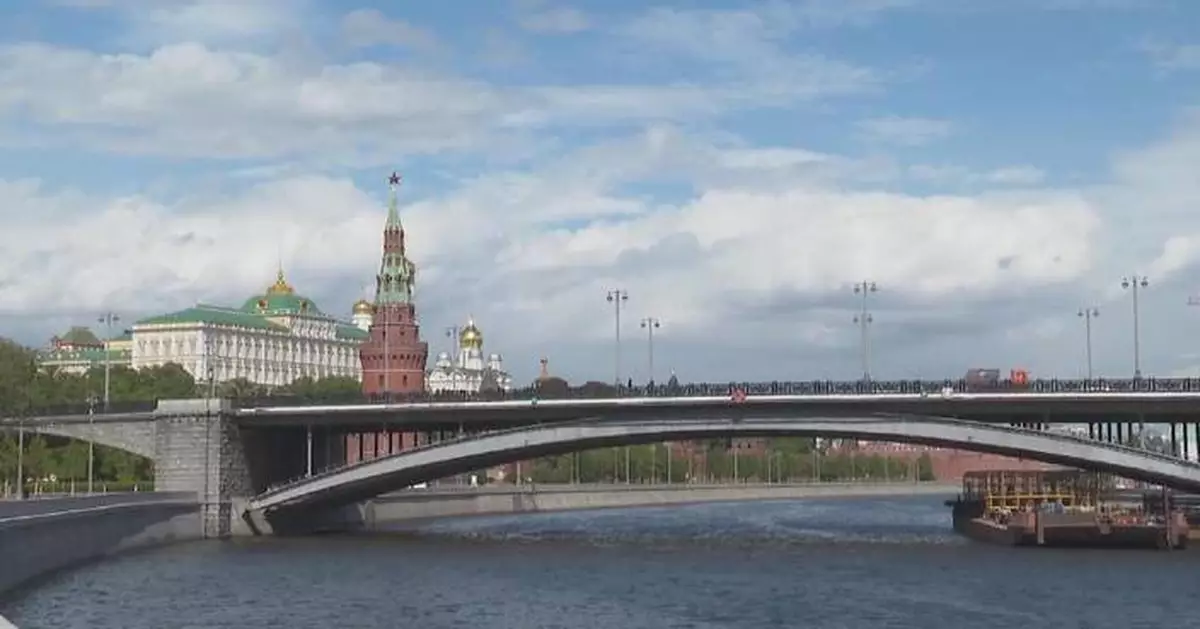
Russia is doing everything necessary to protect the country's interests, Kremlin spokesman Dmitry Peskov said on Thursday in response to the U.S. plan to provide Patriot missiles to Ukraine.
Peskov said that the Russian government is doing everything necessary to protect the country and knows perfectly well what to do.
The spokesman emphasized that everything necessary is being done to protect Russia's interests.
The United States is actively continuing to supply weapons and military technologies to Ukraine, and Russia is well aware of this and has no delusions, he said.
The spokesman also noted that Russia considers the U.S. statements suggesting that an escalation of Ukrainian attacks on Russian infrastructure would help bring about a peaceful settlement as reflecting a "mistaken judgment."
Moscow sees a degree of duality in Washington's position, Peskov said, adding that while the United States continues to supply weapons and military technologies to Kiev, it has also maintained its desire to help advance the peace process.
Russia believes the desire to be sincere and welcomes it, he said.
Moscow hopes that Washington will resume its efforts on the Ukraine issue after addressing the situation surrounding Iran, Peskov said.
Peskov also said that, despite remaining differences in positions, there still exists a constructive dialogue channel between the presidents of Russia and the United States.
The United States will grant Ukraine a license to produce Patriot missiles domestically amid critical shortages of interceptors, U.S. President Donald Trump said Wednesday during the NATO summit in Ankara when meeting with Ukrainian President Volodymyr Zelensky.
Media reports suggest that although Trump said that he would grant production licenses to Ukraine, it is complex and costly to manufacture the Patriot missiles, with the production cycle remaining unknown.
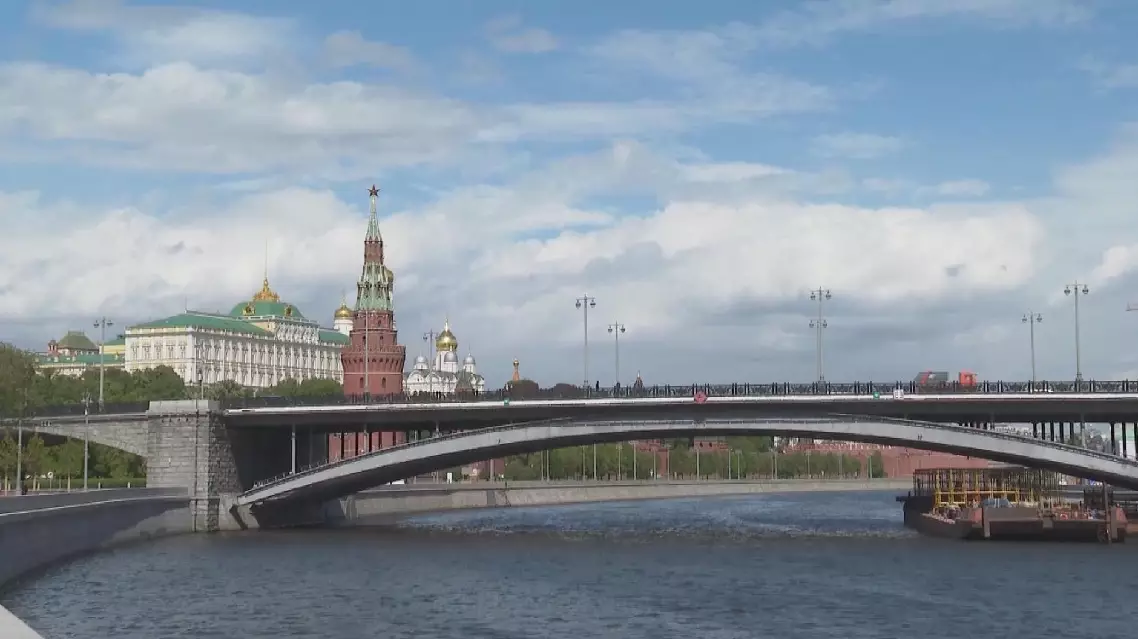
Russia doing everything necessary to protect country's interests: Kremlin spokesman
A relentless heatwave and the prolonged drought have devastated the rice farming in Italy's Po Valley, Europe's largest rice-producing region, putting local rice harvests at severe risk and exposing the region's critical shortfalls in water storage infrastructure.
As Europe's leading rice producer, Italy relies heavily on the Po Valley for its agricultural output. However, soaring temperatures since May, coupled with a severe lack of effective rainfall, have left vast tracts of paddies in the Pavia area, a vital historical, commercial, and agricultural hub within the fertile Po Valley, parched, with the prospect of a drastic harvest decline.
In rice paddies roughly four kilometers from the banks of the Po River, fields that should be flooded to knee depth during this critical stage of rice growth now lie parched and cracked. Weeks of unyielding high temperatures and drought are inflicting heavy damage on the continent’s most important rice-growing hub.
Local farmers are now desperately watching the skies, hoping for a late reprieve.
"It hasn't rained here since early May. Now it's July 9, and there is still no rain. Even the lakes are nearly dried up. We hope there's still a turning point this year, with heavy rain by the end of this month or in the next 10 to 15 days to save our harvest. Otherwise, the 2022 drought will undoubtedly repeat itself, and all our rice will wither and die," said Gianluigi Tacchini, a rice farmer in the Pavia area.
The memory of the 2022 drought still haunts the region, as Tacchini's fields suffered a staggering 70 percent crop loss during that crisis. With climate change accelerating, agricultural experts warn that drought is no longer an isolated event but a long-term structural threat to the Italian agriculture.
While the government is pushing for improved irrigation efficiency, many farmers argue that current measures are too little, too late, and that inadequate water storage remains the critical bottleneck.
"Perhaps the best approach for the coming years is to build more reservoirs to store water, ensuring a supply throughout the entire growing season. To ease the drought, water must be stored in winter for use during critical summer periods. If the climate turns against us, planting costs keep rising while revenues stay flat. We really can't hold on much longer," said Gabriele Codazzi, a local corn farmer in Pavia.
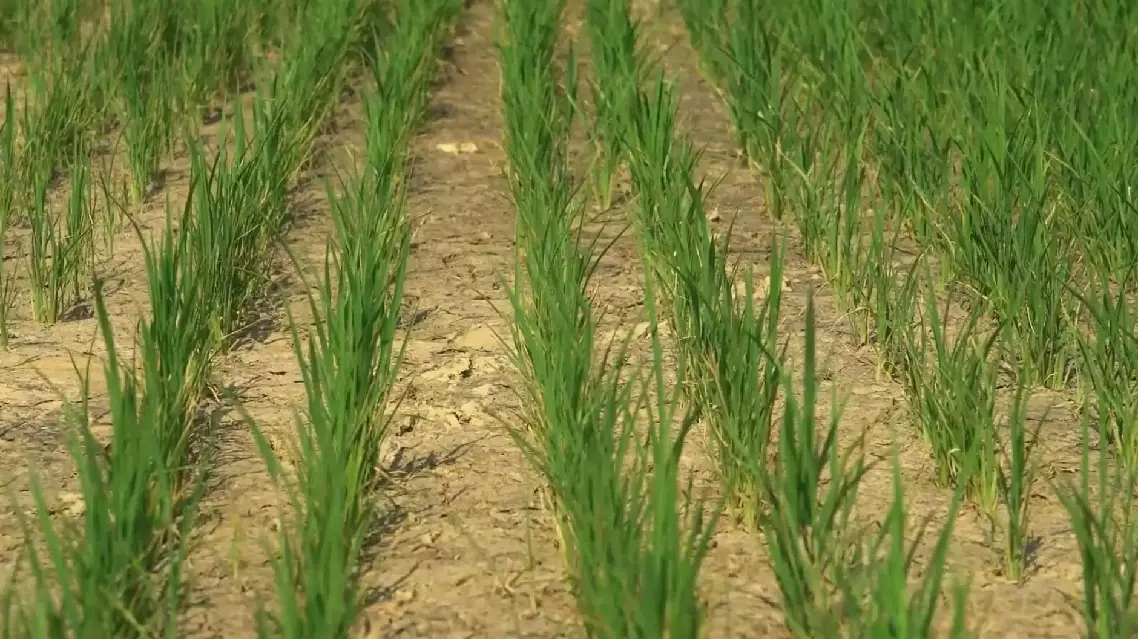
Relentless heatwave, prolonged drought threaten rice farming in Italy