China's reusable Long March-10B carrier rocket made its maiden flight on Friday, using high-purity methane propellant derived from liquefied natural gas (LNG) on a large scale for the first time -- a milestone in fuel diversification for the commercial space sector.
China successfully launched the Long March-10B carrier rocket at the Hainan commercial spacecraft launch site in south China's Hainan Province on Friday, achieving its first-ever controlled recovery of a carrier rocket's first stage.
The rocket sent the payload into the preset orbit. After the separation of the rocket's first and second stages, the first stage returned and was successfully captured on a seaborne platform via a net-capture system.
Standing around 63 meters tall with a diameter of 5 meters, the the Long March-10B carrier rocket is China's first commercial reusable rocket to use liquid oxygen-methane propellant.
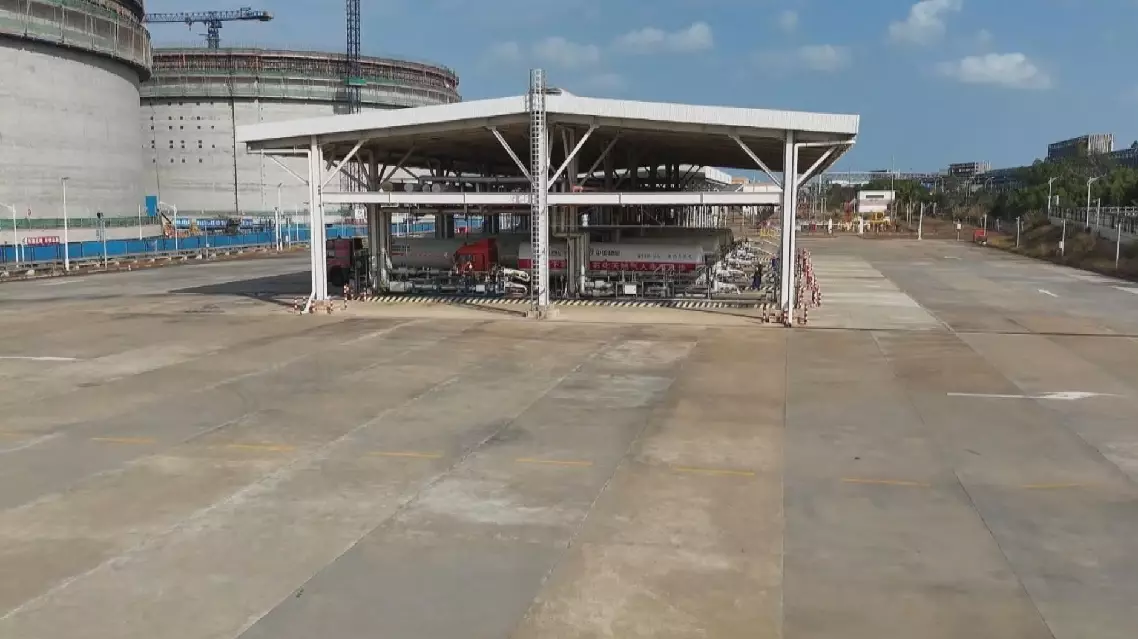
The methane fuel for the rocket had a purity of 98.7 percent and was entirely sourced from domestic supplies, according to the China Petrochemical Corporation (Sinopec).
"High-purity methane fuel can be produced from LNG for civilian use. The fuel used in this launch was refined from over 1,000 tons of LNG through a three-stage deep purification process. Compared with traditional liquid hydrogen fuel, its storage and transportation costs are 40 percent lower, offering a new and viable fuel solution for the routine low-cost and high-frequency launches in China's commercial space sector," said Cao Lizhao, manager of the south China sales center with Sinopec natural gas company.
Liquid oxygen-methane propellant is emerging as a new generation of commercial space fuel in China, thanks to its strong performance, compatibility with reusable rocket technology, environmental friendliness, and ease of storage and transport.
"The successful application of high-purity methane fuel in this commercial space mission helps establish a multi-channel, substitutable, safe and reliable supply system of space fuel, providing a cost-effective, green and low-carbon technological path for the high-quality development of the commercial space industry, and comprehensively enhancing the sector's self-reliance and core market competitiveness," said Ding Dapeng, manager of the LNG business management center with the Sinopec natural gas company.
China achieves breakthrough in commercial space fuel diversification with reusable carrier rocket
The 140th edition of the China Import and Export Fair, also known as the Canton Fair, entered its third day on Saturday, with a wave of AI-powered products making their debuts and injecting fresh momentum into China's export growth.
The event opened to visitors in Guangzhou, capital of south China's Guangdong Province on Thursday, and will be held in three phases through Nov 4.
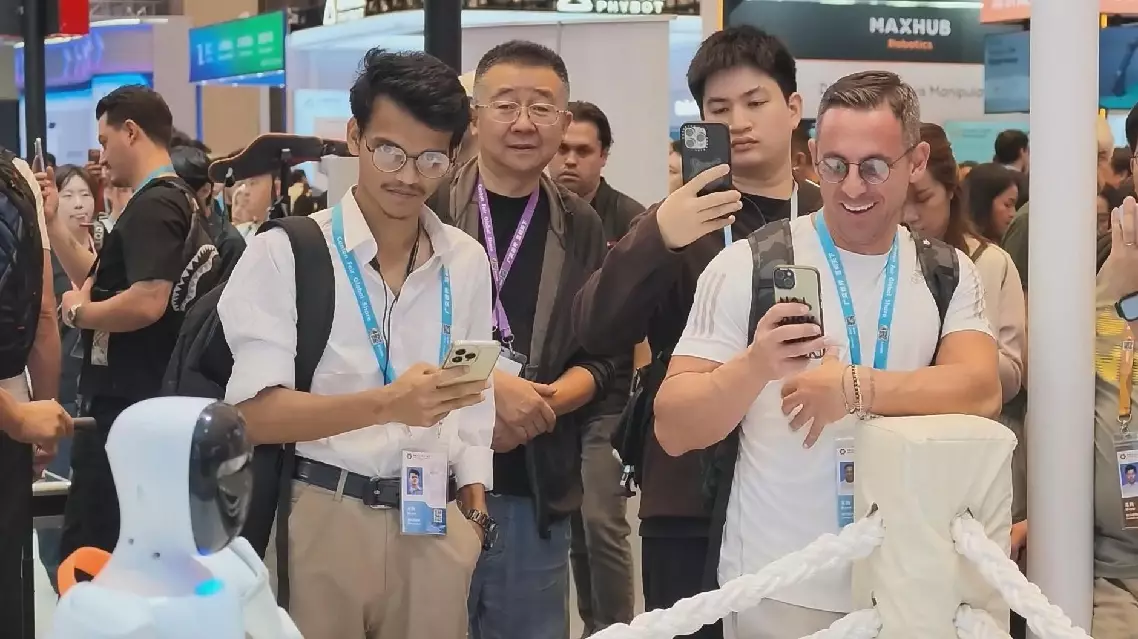
The latest edition of the fair is showcasing 235,000 AI products, while more than 20,000 exhibitors have adopted different kinds of new technologies. Booths featuring the latest AI products have been drawing crowds, with visitors waiting in long queues to try out the exhibits.
"[The Canton Fair] really gets more popular every year. By around 9:30, people were already queuing in two lines. Some buyers did not want to wait to try the products, so they just bought them on the spot," said exhibitor Liang Linchao.
"The enthusiasm of Canton Fair [buyers] has exceeded my expectations. About one-third of customers want to take one home immediately after the fair ends. That gives us great confidence to explore and expand our overseas markets," said another exhibitor Cui Wei.
Beyond creating business opportunities, products showcased at the Canton Fair can also make a difference in the lives of people in need.
Max Young, who was visiting the Canton Fair for the third time, brought his mother along this time. The mother and son had expected to simply soak up the bustling atmosphere, but an exoskeleton robotic device they came across brought them an unexpected surprise.
His mother, who has had difficulty walking since suffering a stroke, was able to stand up and walk with the help of the device.
"It just keeps my legs going. It's good. Yes, it's good," said his mother, Suzanne Elliott, almost bursting into tears.
"Last year she had a stroke, so the left-hand side of her body is a little bit weaker. About one year ago she couldn't walk or stand up at all. We tried this one today. It seems very good. I think it would help her to get better," said Young.
At the 140th Canton Fair, many exhibitors are accelerating the rollout of research achievements into real application scenarios, turning technological strengths into market advantages and making the fair a major showcase for technological innovation.
"Extremely impressive. Just everything about the efficiency and just how vast and large everything is. We saw a lot of production now is gone to robotics production, AI technology, less humans, really advanced and precise, a lot of precision manufacturing. I think innovation is starting here now. I think now the initiation is here, the R and D is here, and the creativity is coming from China. Very, very impressed," said Canadian buyer Yehuda Klein.
Serving as a barometer and wind vane of China's foreign trade, this year's fair, marking its 70th anniversary, features innovation, intelligence, greater specialization and higher quality.
The Canton Fair is one of the world's few one-stop trade platforms offering a complete range of products with convenience and efficiency, while bringing together the latest products and technologies.
AI products take center stage at 140th Canton Fair, showcasing innovation, offering real-world benefits
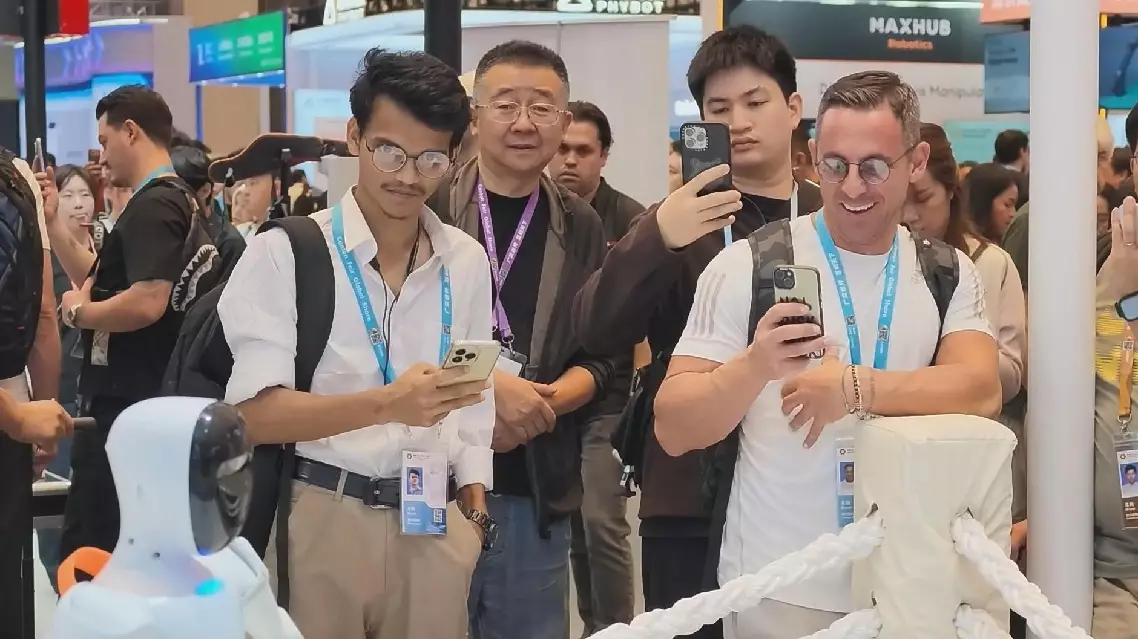
AI products take center stage at 140th Canton Fair, showcasing innovation, offering real-world benefits