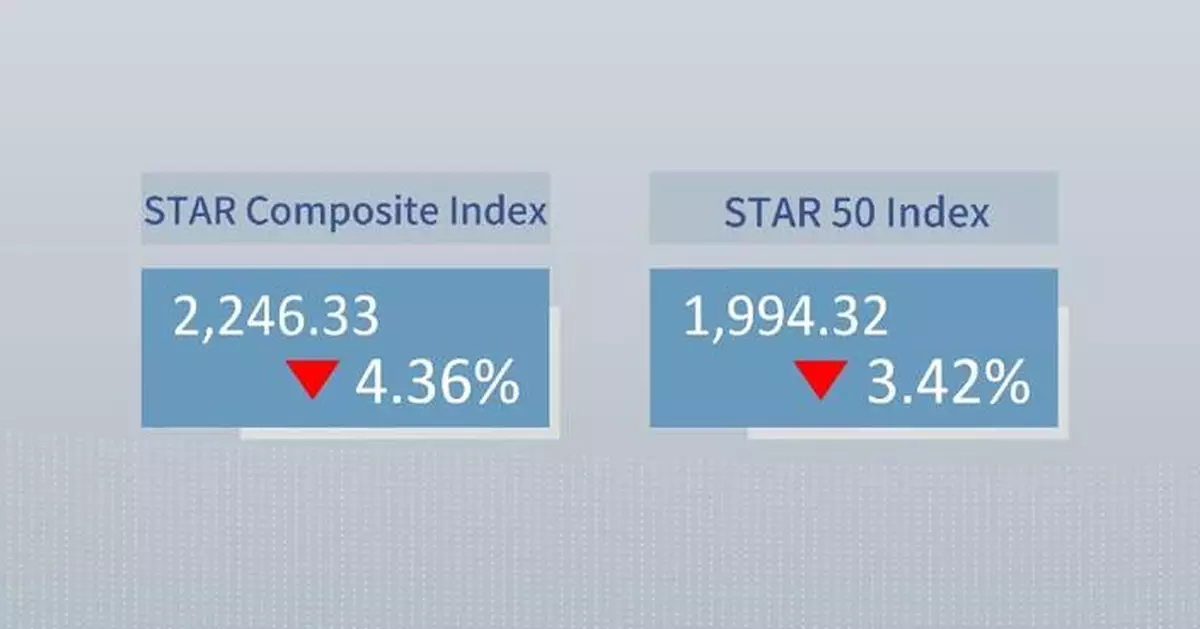
The STAR Composite Index, which reflects the performance of stocks on China's sci-tech innovation board, closed 4.36 percent lower at 2,246.33 points on Monday.
The STAR 50 Index, which tracks the 50 largest stocks listed on the board that also meet certain liquidity requirements, closed 3.42 percent lower at 1,994.32 points. The sci-tech innovation board, commonly known as the STAR Market, was inaugurated in June 2019 at Shanghai Stock Exchange. It is designed to support companies in the high-tech and strategic emerging sectors.
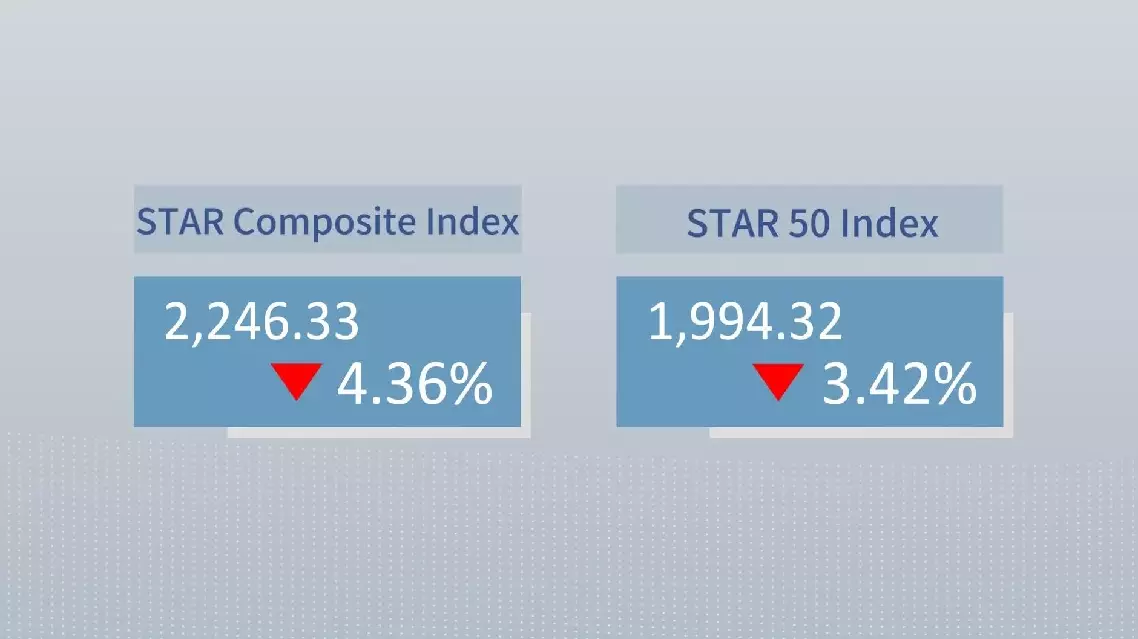
China's STAR Composite Index closes lower Monday
Wildfires burning west of Athens, Greece, are ravaging forests and homes while unleashing toxic smoke from burned industrial zones, exposing residents to prolonged health risks from airborne particles that persist even after the fires are out.
Heatwave-induced fires are raging across southern Europe and have reached Mandra-Eidyllia, west of Athens. The municipality lies close to Aspropyrgos, one of Greece's major industrial zones. Consequently, the fires can produce dangerously toxic smoke from burnt industrial materials.
Sotiris Lioris, a resident with heart and lung conditions, keeps a mask and medication close at hand. His cardiologist has warned him to stay away from wildfire smoke.
"When it comes to my breathing, I get shortness of breath and tachycardia. And I can also hear the valve," Lioris said.
Wildfires can sweep through dry land, forests, and communities, and sometimes reach factories, warehouses, and recycling sites.
Armodios Drikos, the mayor of Mandra-Eidyllia, is also a cardiologist. Having treated many residents in the area, he is acutely aware of the health dangers posed by these fires.
"A fire, a wildfire, and its consequences do not end when the fire is extinguished. The particles emitted by wildfires burden the atmosphere for many months," Drikos said.
Doctors warn that invisible particles can remain a threat in the air for days, weeks, or even longer.
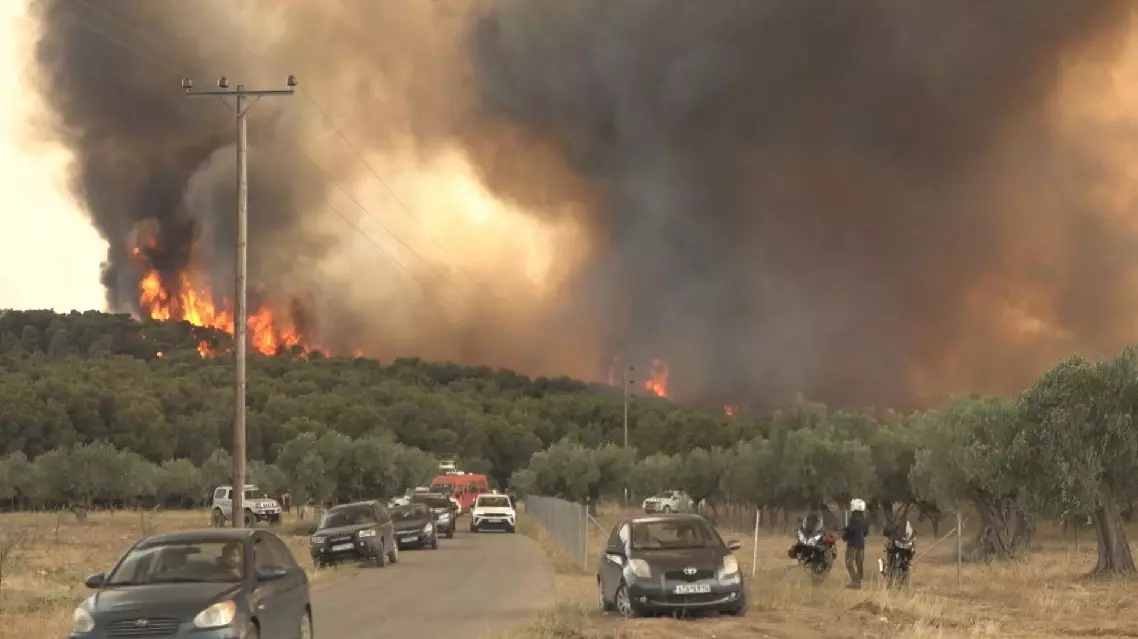
Greek wildfires leave residents exposed to toxic smoke