The main shield tunneling work on the world's longest undersea highway tunnel -- the second undersea tunnel of Jiaozhou Bay -- was completed on Tuesday in Qingdao, east China's Shandong Province.
The section for shield-tunneling on the north side of the main tunnel is 3,258 meters long, and the construction team used an ultra-large diameter slurry balance shield machine with a diameter of 15.63 meters for construction.
The team overcame multiple risks, including high water pressure and crossing fault zones, through various innovative methods.
"Our tunnel boring machine innovatively applies a new method of slag removal, and is equipped with an automated monitoring system for slag and mud, as well as a dynamic tunneling analysis system, to achieve real-time dynamic optimization of tunneling parameters. This effectively solves problems such as slag stagnation and cutter wear, and ensures that the formed tunnel is leak-proof," said Gan Congyu, a manager of the tunnel construction project.
The 17.48-km-long tunnel, with a 9.95-km section beneath the sea, has a designed speed of 80 km/h and will facilitate regional travel.
So far, the tunnel project has been completed by more than 70 percent and is expected to be finished in 2028. Upon completion, it will further accelerate transportation links between Qingdao Urban area and Huangdao District, and optimize the urban spatial structure.
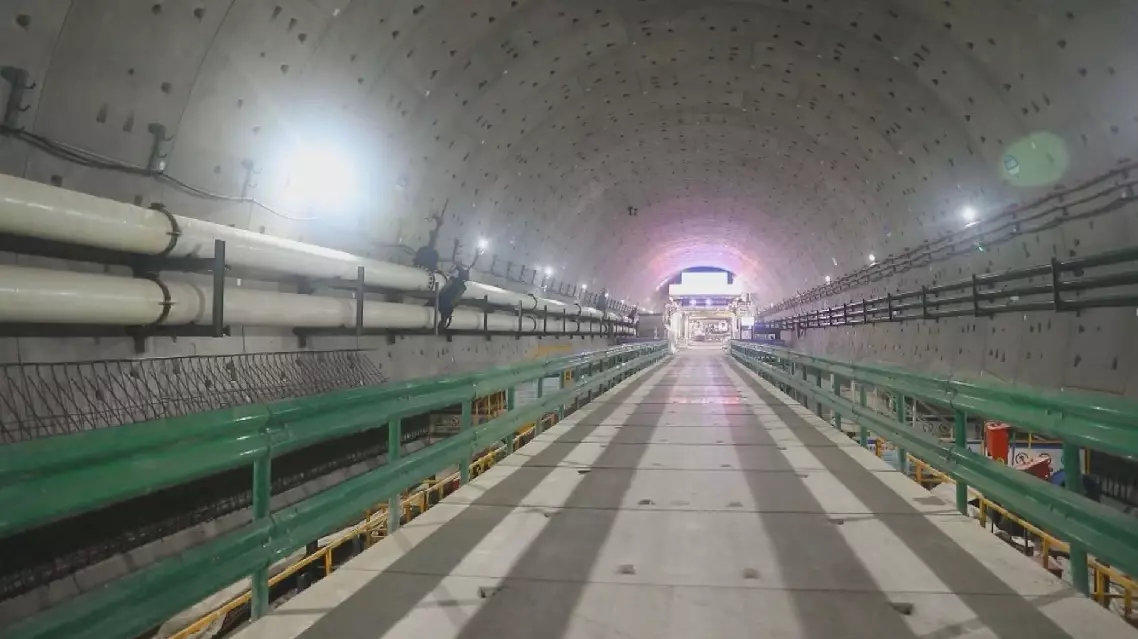
Main shield tunneling of world's longest undersea highway tunnel completes
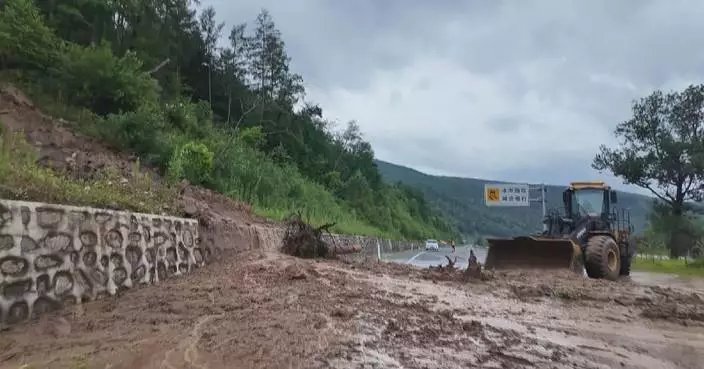
Flood control and disaster relief teams are stepping up efforts in Piaohe Township, Jiaohe City, in northeast China’s Jilin Province as Typhoon Bavi moves northward, bringing intense rainfall across the region.
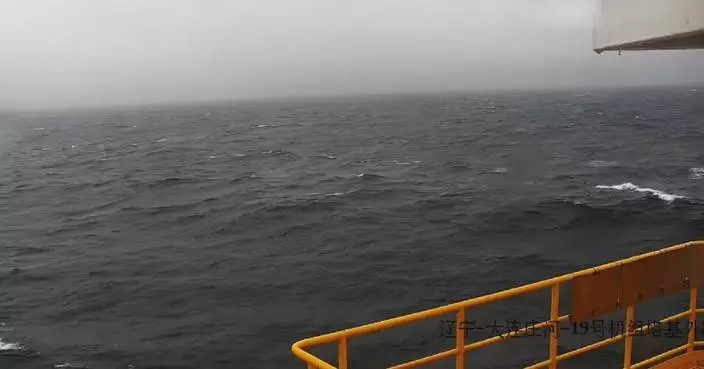
Typhoon Bavi, the ninth of the year, made landfall twice along the coast of east China's Zhejiang Province at 23:20 Saturday and again around midnight, then moved inland. It is the second typhoon this month following Typhoon Maysak, which brought heavy floods and wreaked havoc in southern China.
Piaohe Township, located in the southeastern part of Jiaohe City, is among the hardest-hit areas. The township is particularly vulnerable due to converging water flows from the upstream Baishishan and Pihe River basins. To cope with the heavy downpour, more than 440 emergency personnel in the township have been deployed to prevent flood and evacuate residents from affected areas to safer locations.
The continuous rainfall has pushed water levels of Piaohe and Qingbei rivers flowing through the township to exceed warning thresholds, posing dangers of flash floods, landslides, and mudslides.
"We have activated 24-hour duty shifts, with inspections of rainfall conditions and potential hazards conducted every two hours. We are making effort to evacuate residents along the Piaohe River and Qingbei (river) basins to ensure their safety," said Zhang Peng, secretary of the Communist Party of China branch of Piaohe Township.
According to the Jiaohe City's Flood Control and Drought Relief Department, the cumulative rainfall in the City has reached 156.7 mm as of 15:00 on Tuesday.
Local authorities have coordinated efforts across multiple departments to promptly inspect and repair damaged roads and embankments, aiming to minimize the risk of river flooding.
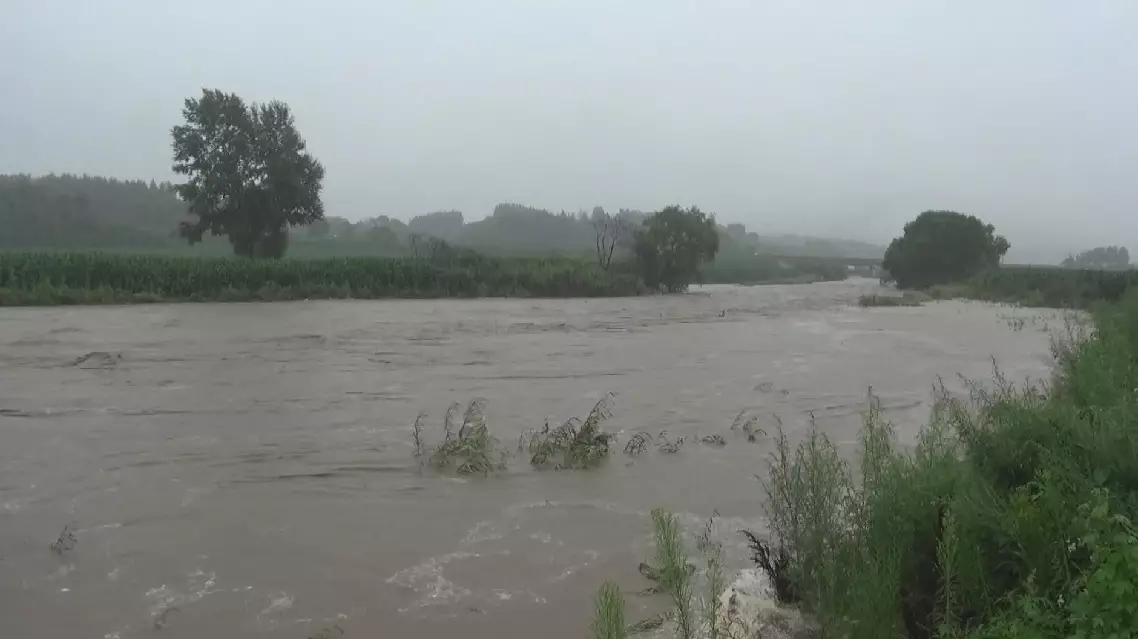
Northeast China's Jilin steps up flood control as Typhoon Bavi brings heavy rain
Northeast China's Jilin steps up flood control as Typhoon Bavi brings heavy rain